








Delhi Airport will Get India’s First Driverless Air Train System

Delhi Airport News
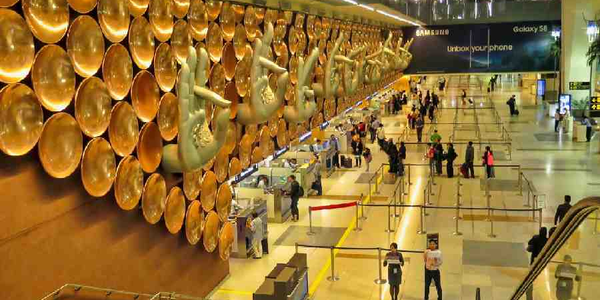
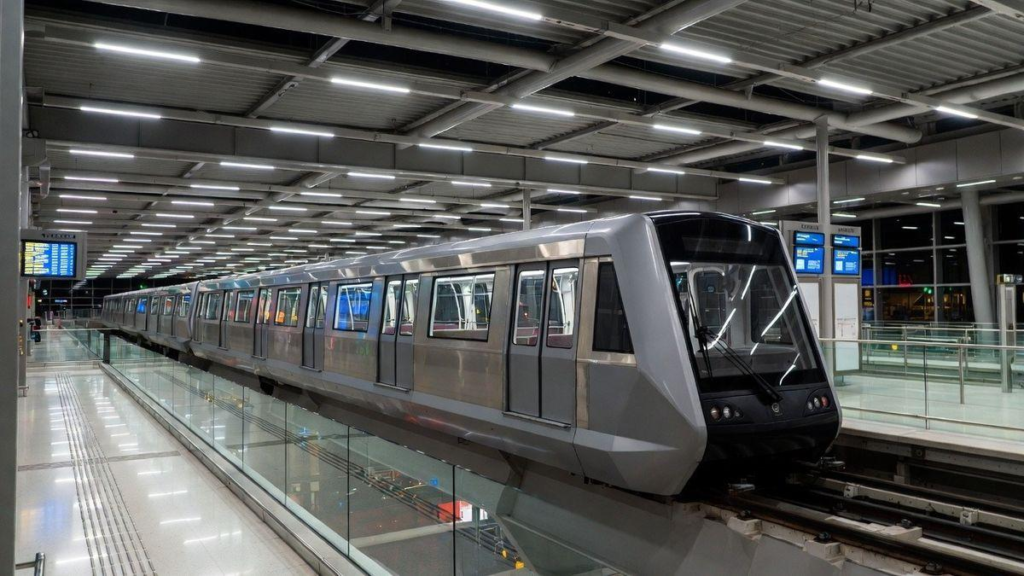
Indira Gandhi International Airport is preparing to introduce India’s first driverless airport air train system, a major infrastructure project designed to improve passenger movement between terminals and airport zones.
The new project, officially called an Automated People Mover (APM), will help travelers move quickly and easily across different parts of Delhi Airport without depending on shuttle buses or road transport.
According to reports, Delhi International Airport Limited (DIAL), which operates Delhi Airport, has decided to directly fund and build the project. The estimated cost of the air train system is expected to be between ₹3,000 crore and ₹4,000 crore.
Airport officials believe the project could become operational within the next 30 months.
The proposed air train will run along a 7.7-kilometre corridor inside the airport area. It will connect Terminal 1, Terminals 2 and 3, Aerocity, and the airport’s cargo district.
The system is expected to make airport travel faster, smoother, and more convenient, especially for passengers transferring between terminals.
The concept is similar to airport transit systems already operating at major international airports in cities such as Seoul, Zurich, and Jakarta. These automated train systems are widely used across global aviation hubs to reduce congestion and improve passenger experience.
One of the most important features of the Delhi Airport air train is that it will be driverless. The trains will operate automatically using advanced technology and monitoring systems.
Passengers are expected to board the trains after scanning their boarding passes, making the process quick and secure. Officials say the service will mostly be free for air travelers using the airport.
The project has been discussed for several years, but progress had been delayed because of planning and funding issues. Now, with DIAL taking direct responsibility for the project, work is finally expected to move forward more quickly.
Experts say the air train system could significantly improve connectivity inside the airport ecosystem. Delhi Airport is one of the busiest airports in India and handles millions of passengers every year. As passenger numbers continue to grow, smooth movement between terminals has become increasingly important.
Currently, passengers often depend on buses, taxis, or long walks to move between terminals and airport facilities. Traffic congestion around the airport can also create delays and inconvenience.
The automated train system is expected to reduce travel time within the airport area while improving comfort for passengers carrying luggage or connecting to other flights.
The project may also support environmental goals by reducing the use of road vehicles inside the airport zone. Automated electric transit systems are generally considered cleaner and more energy-efficient compared to traditional transport options.
Industry experts believe projects like this are important as India’s aviation sector continues to grow rapidly. The country has seen a major increase in domestic and international air travel over the past decade, leading to pressure on airport infrastructure.
The new air train project is also expected to strengthen Delhi Airport’s position as a major international aviation hub in Asia.
Airport modernization projects across the world increasingly focus not only on flight operations but also on passenger convenience, technology integration, and smart mobility solutions. The Delhi Airport APM system reflects this larger global trend.
Officials say the project will improve the overall airport experience for both domestic and international travelers while supporting future passenger growth.
Once completed, the air train could become one of the most important infrastructure upgrades at Indira Gandhi International Airport and may serve as a model for other major airports in India in the future.

Ajeet Yadav is an aviation enthusiast covering airline news, airports, aircraft, and industry developments through well-researched and reliable reporting.