







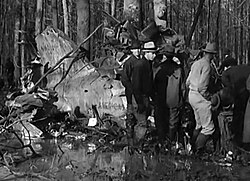
American Airlines Flight 1 Crash January 14, 1936
The American Airlines Flight 1 crash was a tragic aviation accident that occurred on January 14, 1936, in the United States. The aircraft was operating a scheduled passenger service for American Airlines when it crashed during the flight. The accident resulted in the deaths of everyone aboard and became one of the important early accidents in the history of American commercial aviation.
The crash happened during a period when passenger air travel was growing quickly. Airlines were using modern aircraft to connect cities across the country, but aviation technology was still developing. Pilots had fewer navigation tools, weather information was less accurate, and aircraft systems were not as sophisticated as those used today.
The accident involving American Airlines Flight 1 demonstrated some of the risks faced by passengers and airline crews during the early years of commercial aviation.
American Airlines in the 1930s
American Airlines was becoming an important airline in the United States during the 1930s.
The company had developed from several smaller aviation and air-mail operations. During the early years of commercial aviation, air-mail contracts were very important to airlines because passenger travel was still relatively limited.
By the 1930s, airlines were increasingly carrying passengers as well as mail and cargo.
American Airlines was expanding its network between major American cities. Its aircraft were becoming faster, more comfortable, and more reliable.
However, the airline industry was still relatively young.
Aviation safety standards were improving, but they were not as advanced as modern standards.
Commercial Aviation in 1936
The middle of the 1930s was an important period in aviation history.
Aircraft manufacturers were developing all-metal airplanes.
Twin-engine aircraft were becoming increasingly common.
Radio communication was improving.
Airports were becoming larger.
Air traffic control systems were being introduced.
Passengers were beginning to see airplanes as a practical form of transportation rather than only an exciting new technology.
However, flying still involved significant risks.
Aircraft did not have modern weather radar.
There was no GPS.
There were no computerized navigation systems.
There were no flight-data recorders.
Pilots had to depend on their instruments, maps, radio navigation, weather reports, and personal experience.
The Aircraft
American Airlines operated several modern aircraft during this period.
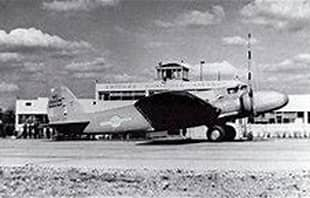
One of the most important aircraft used by the airline was the Curtiss Condor, a large twin-engine passenger aircraft.
The Condor was designed for commercial transportation and could carry passengers and mail.
It was a relatively large aircraft for its time.
However, aircraft technology was changing rapidly.
Newer all-metal designs were becoming more popular because they offered improved performance and durability.
The development of these aircraft helped create the foundation of the modern airline industry.
The Flight
On January 14, 1936, American Airlines Flight 1 was operating as a scheduled passenger flight.
The aircraft carried passengers and crew members.
The flight was expected to be a normal commercial journey.
The aircraft departed and continued along its planned route.
At some point during the flight, however, the aircraft encountered serious difficulties.
The flight ended in a crash.
The accident resulted in the deaths of everyone aboard.
The disaster shocked the airline industry and attracted attention from aviation authorities.
The Crash Site
The aircraft crashed in the United States during its scheduled journey.
The crash site was located away from a major airport, making the recovery and investigation difficult.
Rescue personnel and local authorities were sent to the location.
The aircraft was badly damaged by the impact.
Investigators needed to examine the wreckage carefully to determine why the aircraft had crashed.
At that time, investigators did not have the modern tools available today.
They could not simply download information from a flight recorder.
Instead, they had to reconstruct the accident from physical evidence.
The Investigation
After an aircraft accident, investigators examine many possible causes.
These can include:
- Mechanical failure
- Engine problems
- Structural failure
- Weather
- Navigation errors
- Pilot decisions
- Maintenance problems
- Communication issues
The investigators studying American Airlines Flight 1 examined the aircraft and its systems.
They also considered the weather and the aircraft’s route.
Witnesses could provide useful information about the aircraft’s appearance and behavior before the crash.
The investigators attempted to establish what had happened during the final stage of the flight.
Navigation in the 1930s
Navigation was one of the most difficult parts of early airline flying.
Modern pilots can see their position almost instantly using satellite navigation.
In 1936, pilots had to use a combination of methods.
They could follow radio navigation signals where available.
They could use magnetic compasses.
They could calculate their position based on speed, direction, and time.
They could identify landmarks.
However, every method had limitations.
A small error in heading could become a large error over a long distance.
Poor visibility could make visual navigation especially difficult.
Weather and Visibility
Weather was another major factor in early aviation.
Pilots depended on weather stations and reports from airports.
Forecasting technology was still developing.
A pilot might receive information about conditions at the departure airport and destination but have less information about conditions along the route.
Clouds and fog could hide landmarks.
Rain could reduce visibility.
Wind could affect an aircraft’s course.
Thunderstorms could create turbulence.
Because modern weather radar did not exist, avoiding dangerous weather was much harder.
Pilot Workload
Pilots in the 1930s had to perform many tasks themselves.
They controlled the aircraft manually.
They monitored the engines.
They navigated.
They communicated with ground stations.
They watched the weather.
They checked instruments.
They also had to make important decisions when conditions changed.
Modern aircraft automate many routine tasks.
This reduces the workload for pilots.
In the 1930s, pilots had fewer such advantages.
Importance of Crew Coordination
Airline crews usually included several people.
The captain was responsible for flying the aircraft.
Other crew members could help with navigation, radio communication, engineering, and passenger service.
Good coordination was important.
A radio operator could communicate with ground stations.
An engineer could monitor the aircraft’s mechanical systems.
A steward or stewardess could care for passengers.
The development of clearly defined crew responsibilities helped improve airline safety.
Aircraft Maintenance
Aircraft maintenance was also an important issue during this period.
Commercial aircraft were flying regularly and accumulating many hours.
Engines needed inspections.
Propellers needed maintenance.
Control systems needed checking.
The aircraft structure also needed to be examined.
Modern airline maintenance programs are extremely detailed.
During the 1930s, maintenance practices were developing rapidly.
Accidents helped airlines understand the importance of systematic inspections.
The Human Cost
The tragedy of American Airlines Flight 1 was not simply a technical event.
Every person aboard the aircraft had family, friends, and personal responsibilities.
Passengers may have been traveling for business, family visits, or other reasons.
The crew members were doing their jobs.
They expected to complete the flight safely.
Instead, their lives ended in an unexpected disaster.
The families of the victims had to deal with the sudden loss of their loved ones.
Public Reaction
Aircraft accidents attracted significant public attention during the 1930s.
Air travel was still relatively new.
People were fascinated by airplanes but also aware that flying involved risks.
When a commercial aircraft crashed, newspapers often reported the accident in detail.
The public wanted to know what had gone wrong.
Airlines also understood that safety was important for building public confidence.
Every major accident created pressure for improvements.
Aviation Safety Regulations
The American aviation industry was becoming more regulated.
Government authorities were establishing rules for aircraft certification, pilot licensing, airline operations, and maintenance.
Accident investigations were an important part of this process.
When an accident revealed a safety problem, authorities could introduce new regulations.
Airlines could also change their operating procedures.
This gradual process helped make commercial aviation safer.
The Importance of Accident Reports
Accident reports are valuable historical documents.
They allow later generations to understand how aircraft were operated.
They also show the technological limitations of the period.
Modern accident investigators have access to huge amounts of electronic information.
Early investigators had to depend on physical evidence.
They studied broken parts and the position of wreckage.
They interviewed witnesses.
They examined weather records.
They reviewed available radio messages.
From these pieces of evidence, they attempted to reconstruct the accident.
Early Warning Systems
Modern aircraft have many warning systems.
A cockpit can warn pilots about:
- Low altitude
- Engine problems
- Fire
- Loss of airspeed
- Terrain
- Nearby aircraft
- System failures
Aircraft in 1936 had far fewer warnings.
Pilots therefore had to recognize dangerous situations from basic instruments and physical signs.
This made training especially important.
Development of Better Navigation
The aviation industry continued to improve navigation after the mid-1930s.
Radio navigation became more sophisticated.
Airways were established.
Pilots could follow defined routes using radio signals.
Airports installed better navigation equipment.
Weather reporting improved.
Eventually, radar became an important part of aviation.
Later developments included inertial navigation, computers, and satellite navigation.
The modern navigation system is the result of decades of development.
The Growth of American Airlines
American Airlines continued to expand after the accident.
The company became one of the largest airlines in the United States.
Its aircraft fleet changed dramatically.
Older aircraft were replaced by more advanced airplanes.
The airline eventually introduced large piston-engine aircraft, followed by jet aircraft.
Today, American Airlines operates a large international network.
Its history reflects the transformation of aviation from a young industry into a major global transportation system.
Aviation Technology After 1936
The years following the accident saw major changes in aircraft design.
Aircraft became faster.
Engines became more powerful and reliable.
Cabins became more comfortable.
Navigation systems improved.
Radio communication became more reliable.
Airports developed better runways and control systems.
The Second World War also accelerated aviation technology.
Many technologies developed during the war later influenced civilian aviation.
By the post-war period, commercial aircraft were far more capable than those of the 1930s.
Lessons from Early Airline Accidents
The history of American Airlines Flight 1 belongs to a larger pattern.
Early accidents taught airlines and governments important lessons.
They demonstrated the need for:
Better navigation: Pilots must know their exact position.
Better weather information: Crews need accurate information before and during flights.
Reliable aircraft maintenance: Mechanical systems must be inspected regularly.
Pilot training: Crews must be prepared for emergencies.
Crew coordination: Everyone must understand their responsibilities.
Accident investigation: Every crash should be studied carefully.
These principles remain central to modern aviation.
Why 1930s Aviation Was Riskier
It is important not to judge early pilots too harshly.
They were operating with the technology available at the time.
Many pilots were highly skilled and experienced.
However, the environment was very different.
They faced limited information.
Aircraft instruments were less advanced.
Weather forecasting was less accurate.
Navigation systems were less precise.
Air traffic control was still developing.
Emergency services were less sophisticated.
These conditions naturally created greater risk.
The Legacy of the Accident
The American Airlines Flight 1 crash became part of the historical record of commercial aviation.
Although the accident was tragic, accidents helped the industry learn.
Every investigation provided information that could be used to improve aircraft design, pilot procedures, navigation, and regulation.
The airline industry gradually moved toward a culture in which safety was treated as a continuous process.
This remains one of the most important principles of modern aviation.
Modern Aviation Compared With 1936
The difference between aviation in 1936 and aviation today is enormous.
A modern passenger aircraft can cross an entire country while being monitored continuously.
Pilots receive detailed weather information.
Satellites provide accurate navigation.
Air traffic controllers track aircraft.
Aircraft systems automatically detect many problems.
Emergency procedures are standardized.
Aircraft structures undergo extensive testing.
Maintenance is carefully regulated.
These improvements did not happen overnight.
They developed over many decades.
Early accidents such as American Airlines Flight 1 are part of the history behind these improvements.
Remembering the Victims
It is important to remember that aviation history is about people as well as machines.
The passengers and crew aboard Flight 1 were individuals with their own lives and families.
Their deaths affected many people.
When aviation accidents are studied today, the purpose should not simply be to describe tragedy.
The larger purpose is to understand what happened and how future accidents can be prevented.
This is one reason aviation accident history remains important.
Conclusion
The American Airlines Flight 1 crash of January 14, 1936 was a tragic event in the early history of commercial aviation in the United States.
It occurred at a time when airlines were rapidly expanding and aircraft were becoming more advanced. American Airlines was building a major passenger network, while aircraft manufacturers were producing faster and more capable airplanes.
However, aviation technology in 1936 was still limited compared with modern standards.
Pilots did not have GPS, satellite communications, weather radar, terrain-warning systems, or flight-data recorders. Navigation depended on instruments, radio signals, maps, and visual landmarks. Weather forecasting was also much less accurate.
The accident demonstrated the risks faced by airline crews during this period. Investigators had to rely on wreckage, witness accounts, weather information, and other physical evidence to understand the disaster.
The tragedy also forms part of the broader story of how aviation became safer.
Over the following decades, aircraft design improved. Engines became more reliable. Navigation systems became more accurate. Weather forecasting developed. Air traffic control became more sophisticated. Pilot training became more systematic, and aircraft maintenance standards became increasingly strict.
American Airlines continued to grow and eventually became one of the world’s major airlines. The company’s modern operations are supported by safety systems that would have been unimaginable to the passengers and crew of the 1930s.
The January 14, 1936 Flight 1 accident therefore represents both a tragedy and a historical lesson. It reminds us that commercial aviation developed through extraordinary technological progress, but also through painful experiences.
Every improvement in aviation safety has a history behind it. The study of accidents from the early years of commercial flight helps us understand how the industry learned to manage risk and eventually create the highly sophisticated and carefully regulated aviation system used today.

Ajeet Yadav is an aviation enthusiast covering airline news, airports, aircraft, and industry developments through well-researched and reliable reporting.