












- In 2023, Indian airports handled over 3.15 million metric tonnes of cargo, with international freight dominating.
- As the sector aims to meet the government’s ambitious annual target of 10 million metric tonnes (MMT) by 2030, this goal will require dedicated freighter aircraft, technological integration, infrastructure development, and regulatory improvements, among other things.
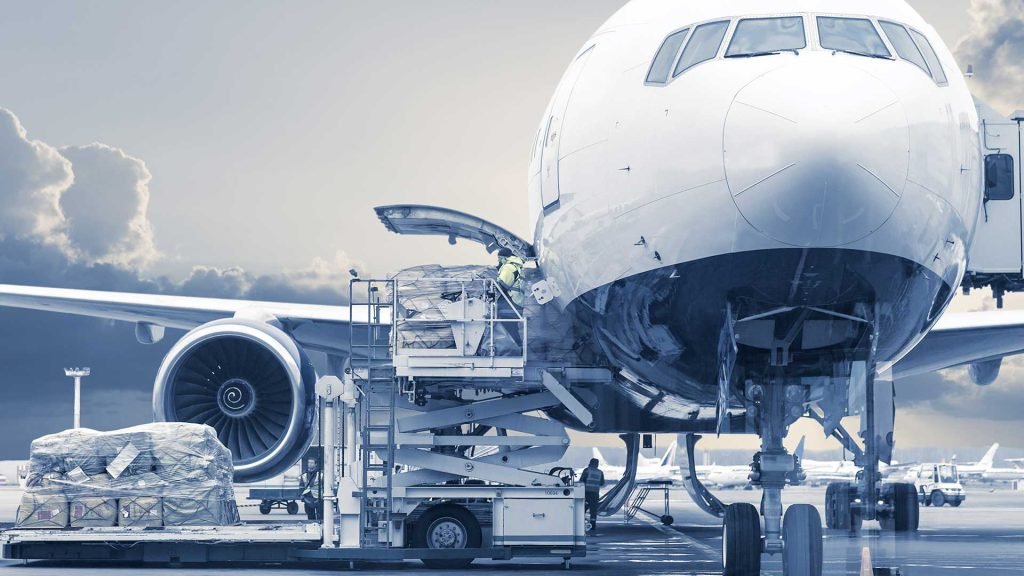
A Statista report estimates the total cargo tonnage handled at Indian airports in 2023 to be over 3.15 million metric tonnes, the majority of it being international freight. Indira Gandhi International Airport in Delhi, Chhatrapati Shivaji International Airport in Mumbai and Kempegowda International Airport in Bengaluru handled nearly half of the country’s air cargo.
This shows a clear transitional shift to air cargo, a more reliable and stable option than the traditional sea route for cargo. As the demand for cargo increases, we find the sector poised for unprecedented growth.
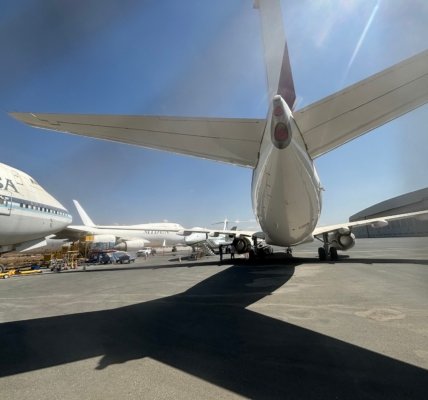
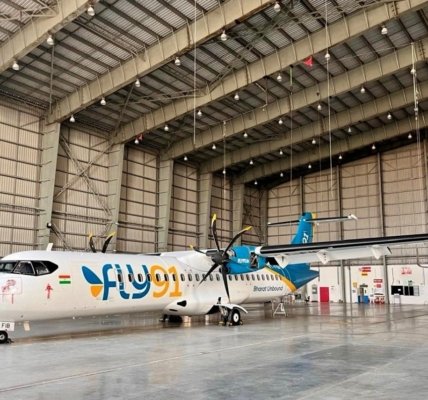
To achieve the government’s ambitious annual target of 10 MMT cargo by 2030, Indian airlines are likely to include a greater number of dedicated freighters in their fleet, mainly because belly capacity alone will not be enough to meet the surge in demand. At present, Indian airlines collectively own 17 freighter aircraft, while the remaining volume is met by utilising the belly space of passenger airplanes. Currently, the distribution between belly and freighter is at 70 per cent and 30 per cent, respectively.
Here are some other factors that will play a key role in defining the future trajectory of India’s air cargo sector:
Technological Integration
An evolving air cargo sector requires upgraded cargo facilities with excellent handling, storage and distribution capabilities. The use of digital platforms will help reduce manual handling and minimise errors while ensuring real-time tracking and monitoring of consignments. Meanwhile, technologies like blockchain will help increase security by improving the traceability of data. Enhanced quality standards in cargo handling and damage-free transportation will also help gain the trust of more global clients and increase the credibility of Indian freight carriers.
However, technological upgrades are slowing down in India because of differing opinions on whether digital innovation in the air cargo industry should be industry-led or regulator-driven. Some argue that the airlines and organisations directly involved in air cargo should take the initiative to drive digital advancements as they have the necessary expertise and understanding to make effective changes. Meanwhile, others think that regulators should drive changes because regulatory measures can ensure standardised and widespread adoption of new technologies.
This calls for a multi-pronged approach. A coordinated effort by various stakeholders, including policymakers and airlines, focusing on technological integration is crucial for maintaining the growth of India’s air cargo sector.
Infrastructure Development
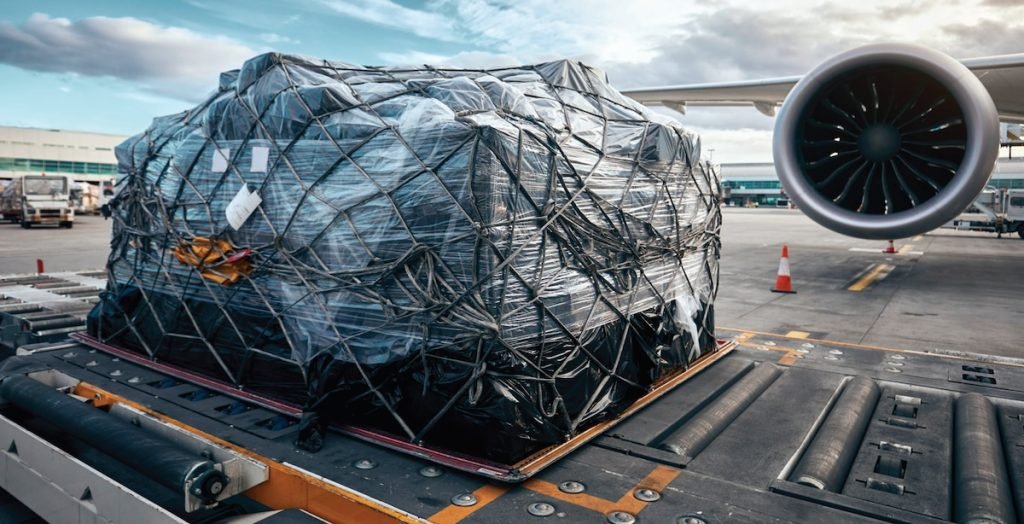
Though priority is being given to renovating existing airports and modernising them, the cargo aspect is still not receiving requisite attention. This can lead to space-related constraints, affecting cargo movement capacity. There is a need to invest in expanding existing cargo handling and processing facilities and modernising them to international standards. Facilities like air freight stations at locations outside airports can reduce congestion at the major cargo terminals. Enhanced multimodal connectivity between various networks such as ports, rail, road and air can also ensure uninterrupted cargo movement.
Meanwhile, some notable developments are also brightening the prospects, such as the announcement by the Uttar Pradesh Government to develop the country’s largest air cargo terminal at the proposed Jewar airport. The plan is to set up a state-of-the-art multi-modal cargo hub. The new facility is likely to play an important role in strengthening the international air cargo sector by linking ASEAN countries and the proposed India-UAE-Europe Economic Corridor.
Regulatory Challenges
In order to enhance the air cargo sector, there is also a need to navigate the complex regulatory landscape in India, which includes approvals, and procedures related to customs and documentation requirements. More precise policies can make these processes less time-consuming. Favourable policy decisions will also pave the way for the entry of new players, making the air cargo industry in India more competitive. This will reduce pricing pressures and introduce more innovative techniques in the sector. There is also a need for strategies that can minimise operational costs and help air cargo operators manage the burden of fuel prices, labour costs, and related expenses.
In summation, by integrating automated and smart technologies, enhancing infrastructure , and formulating supportive policies, India’s air cargo sector can be propelled to further heights.
JAIDEEP MIRCHANDANI, Chairman, Sky One

Ajeet Yadav is an aviation enthusiast covering airline news, airports, aircraft, and industry developments through well-researched and reliable reporting.