











TWA Flight 277 Crash June 20, 1944
TWA Flight 277 was involved in a tragic aviation accident on June 20, 1944, during the Second World War. The aircraft crashed in the mountainous region of the United States, killing everyone on board. The accident was one of the serious aviation disasters involving a commercial airline during the 1940s.
The 1940s were an important period in the development of commercial aviation. Airlines were operating regular passenger flights across the United States, and aircraft such as the Douglas DC-3 had made air travel faster and more practical. However, navigation technology was still developing. Flying at night, especially over mountains and in poor weather, could be extremely dangerous.
TWA Flight 277 became an example of the risks faced by airline crews during this period.
The Flight
Transcontinental & Western Air (TWA) was one of the major American airlines of the time. The airline operated passenger and mail services between many cities in the United States.
On June 20, 1944, one of its aircraft was operating as Flight 277. The flight was traveling through the northeastern United States during wartime.
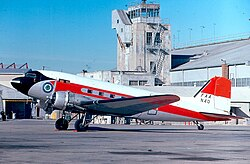
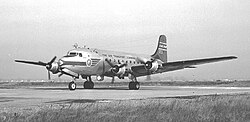
The aircraft was a Douglas DC-3, a type that had become one of the most important airliners in American aviation. The DC-3 had two engines and was known for its reliability and strong performance.
The aircraft was carrying passengers and crew when it began its journey.
At that time, commercial flights were carefully planned, but pilots still had to deal with weather, darkness, mountains, and the limitations of contemporary navigation equipment.
The Weather
Weather conditions were an important part of the circumstances surrounding the accident.
The aircraft was flying in the northeastern United States, an area containing significant mountain ranges. The weather in mountainous areas can be particularly difficult for aircraft because clouds and poor visibility can hide high terrain.
During the 1940s, pilots did not have access to modern weather radar or satellite weather images.
A pilot could receive weather reports, but the information was much more limited than what is available today.
If an aircraft entered clouds while flying near mountains, the crew could lose the ability to see the terrain around them.
This made accurate navigation extremely important.
The Final Flight
During the flight, the aircraft was traveling toward its destination through the mountainous region.
At some point, the aircraft’s position became unsafe.
The crew was apparently unable to maintain sufficient separation from the surrounding terrain.
The aircraft eventually struck Fort Mountain in New Hampshire.
The impact destroyed the aircraft and resulted in the deaths of all people aboard.
The accident happened in a remote mountainous area, which made the response difficult.
The Crash Site
The mountainous location created serious challenges for rescuers.
Fort Mountain was not an easy place to reach, particularly in the conditions that existed at the time.
After the aircraft failed to arrive as expected, authorities began searching for it.
Search teams had to work through difficult terrain to locate the wreckage.
When the crash site was finally found, it became clear that the aircraft had suffered a catastrophic impact.
The discovery brought a tragic end to the search for the missing aircraft.
The Investigation
After the crash, investigators examined the wreckage and the circumstances of the flight.
The purpose of the investigation was to determine why the aircraft had reached the mountain.
Investigators considered several possible factors, including weather, navigation, flight procedures, and the aircraft’s mechanical condition.
The investigation did not simply focus on whether the aircraft had a mechanical problem. Investigators also wanted to understand the crew’s position and the route the aircraft had taken.
At the time, aviation investigators had fewer tools than modern investigators.
Today, accident investigators can use flight-data recorders, cockpit voice recorders, satellite information, radar data, digital navigation records, and other sources.
In the 1940s, much of the reconstruction had to be done using physical evidence, radio information, charts, witness reports, and calculations.
Navigation in the 1940s
One of the biggest challenges faced by pilots in the 1940s was navigation.
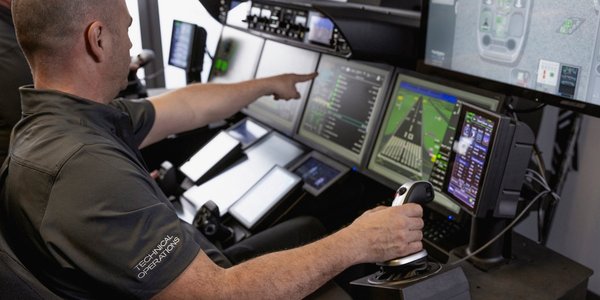
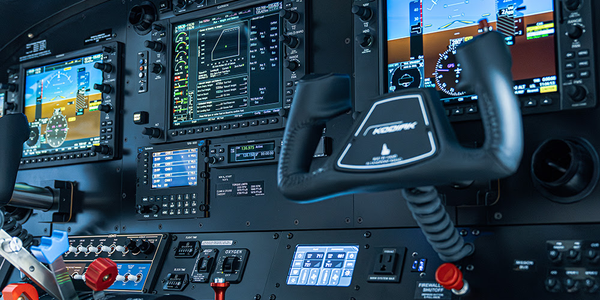
Modern aircraft use GPS and highly accurate digital navigation systems. Pilots can see their position on electronic displays and receive warnings if an aircraft approaches dangerous terrain.
Pilots in 1944 did not have these systems.
They used magnetic compasses, radio navigation aids, paper charts, clocks, and other instruments.
Radio beacons were becoming increasingly important, but pilots still needed to interpret the information correctly.
A relatively small navigation error could become dangerous if an aircraft was flying near mountains.
For example, an aircraft that was only a few degrees off its planned course could eventually be many miles from the intended route.
If the aircraft was flying through clouds or darkness, the crew might not realize the mistake until it was too late.
Controlled Flight Into Terrain
The accident involving TWA Flight 277 is often discussed in connection with what aviation today calls controlled flight into terrain, or CFIT.
A CFIT accident occurs when an aircraft that is functioning and under the control of its pilots unintentionally flies into terrain, water, or another obstacle.
The term became widely used later, but the basic danger existed from the earliest days of aviation.
Mountainous regions were particularly dangerous.
A pilot might believe the aircraft was safely positioned while actually being closer to a mountain than expected.
At night, there might be no visible warning.
Clouds could make the situation even more dangerous.
Modern terrain-warning systems have greatly reduced this risk by giving pilots alerts when their aircraft is approaching terrain.
Such systems were decades away when TWA Flight 277 crashed.
The Role of the DC-3
The Douglas DC-3 was one of the most successful aircraft designs in aviation history.
It could carry passengers comfortably and had enough range to operate important domestic routes.
The aircraft was also used extensively during World War II.
Its military versions became important transport aircraft.
The DC-3 had a reputation for reliability, but no aircraft could eliminate the risks associated with poor weather and navigation errors.
The Flight 277 accident illustrates an important point about aviation safety: having a reliable aircraft is only one part of safe flying.
Navigation, weather information, pilot training, air traffic control, and operating procedures are equally important.
Aviation During World War II
The accident happened in 1944, when World War II was still underway.
The United States was using aviation on a massive scale. Military aircraft were crossing oceans, transporting soldiers, carrying supplies, and conducting combat missions.
Commercial airlines also continued to operate important domestic services.
The aviation industry was therefore developing rapidly.
New aircraft, navigation systems, radios, and flight procedures were being introduced.
However, aviation technology was still in a period of transition.
The lessons from accidents such as TWA Flight 277 helped demonstrate the need for better navigation and safer procedures for flights operating near mountainous terrain.
The Human Cost
The most important part of any aviation accident is the loss of human life.
The passengers aboard TWA Flight 277 had families, friends, jobs, and personal lives.
Some were traveling for business or personal reasons, while wartime travel was also common.
The crew members were trained aviation professionals who were responsible for safely completing the flight.
Their deaths affected their families and colleagues.
For the families waiting for loved ones to arrive, the news of the crash would have been devastating.
The accident was not simply a technical failure. It was a human tragedy.
Lessons From the Accident
The crash demonstrated several important aviation safety lessons.
First, accurate navigation is essential, especially near mountains.
Second, weather information must be reliable and properly understood.
Third, pilots need procedures that provide sufficient protection from terrain when flying in poor visibility.
Finally, aviation systems must provide pilots with multiple ways to determine their position.
Over the following decades, these principles became increasingly important.
Air traffic control improved. Radio navigation became more sophisticated. Weather forecasting became more accurate. Aircraft instruments became more reliable.
Later, radar, satellite navigation, and terrain-warning systems provided another major improvement in safety.
How Aviation Has Changed
The world of aviation in 1944 was very different from today’s.
A modern passenger aircraft has highly advanced navigation equipment. GPS provides accurate position information, while computers continuously monitor aircraft systems.
Modern aircraft can also receive detailed weather information.
Ground-proximity warning systems can alert pilots when the aircraft is getting dangerously close to terrain.
Pilots receive extensive training for instrument flying, navigation, emergency situations, and difficult weather.
These improvements were built over many decades.
Every accident provided investigators and aviation authorities with information that could be used to improve future safety.
Remembering TWA Flight 277
TWA Flight 277 remains part of the history of American aviation during the 1940s.
The accident took place during a period when air travel was expanding rapidly, but aviation technology had not yet reached the level of today’s systems.
The crash showed the dangers of flying through mountainous areas when visibility and navigation were difficult.
It also represents the risks that pilots and passengers faced before modern terrain-awareness technology existed.
Remembering historical accidents such as this one helps explain why today’s aviation procedures are so detailed and why pilots receive extensive training.
Conclusion
The TWA Flight 277 crash of June 20, 1944, was a tragic event in the history of American commercial aviation. The aircraft crashed into Fort Mountain in New Hampshire, killing everyone aboard.
The accident occurred during an important period in aviation history. Aircraft such as the Douglas DC-3 were making passenger travel more practical, while World War II was accelerating the development of aviation technology.
However, pilots still faced major challenges from poor weather, darkness, mountainous terrain, and limited navigation equipment.
The tragedy of TWA Flight 277 illustrates how a navigation problem can become deadly when an aircraft is operating close to mountains. It also shows how aviation safety has developed through experience.
Today, pilots have GPS, advanced weather information, terrain-warning systems, radar, and sophisticated flight instruments. These technologies did not exist in 1944.
The people who lost their lives on TWA Flight 277 remain part of aviation history. Their story is also a reminder that many of the safety systems used in modern air travel were developed through decades of experience and lessons learned from tragedies such as this one.

Ajeet Yadav is an aviation enthusiast covering airline news, airports, aircraft, and industry developments through well-researched and reliable reporting.