







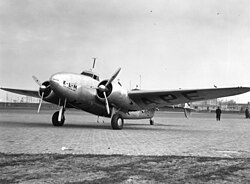
Northwest Airlines Flight 1 Crash 13 January 1939
The Northwest Airlines Flight 1 crash was a tragic aviation accident that occurred on 13 January 1939 in the United States. The flight was operated by Northwest Airlines, one of the major American airlines of the period. The aircraft was a Lockheed 14H Super Electra, a modern twin-engine airliner that was being used for scheduled passenger service.
The accident happened during a period when commercial aviation was growing quickly. Aircraft were becoming faster and more comfortable, and airlines were connecting cities across the United States. At the same time, aviation safety systems were still developing. Navigation technology, weather information, airport procedures, and aircraft design were not as advanced as they are today.
The Flight 1 accident became part of the history of early American airline safety and demonstrated the importance of careful navigation and reliable flight procedures.
Northwest Airlines
Northwest Airlines was an important American airline during the 1930s. The company operated passenger, mail, and freight services across the United States.
Air travel was becoming increasingly popular.
A journey that once required many hours or even days by train could now be completed much more quickly by aircraft.
Northwest was building a network that connected major cities with smaller communities.
The airline also developed a reputation for operating modern aircraft.
However, commercial aviation was still relatively young.
Airlines were learning how to safely operate aircraft in all types of weather.
The Lockheed 14 Super Electra
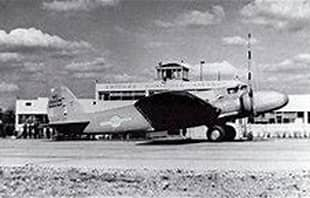
The aircraft involved in the accident was a Lockheed 14 Super Electra.
The Lockheed 14 was an advanced aircraft for its time.
It was a twin-engine, all-metal monoplane.
The aircraft had retractable landing gear and a streamlined design.
Compared with older biplanes, it was faster and more efficient.
The Super Electra could carry passengers over relatively long distances.
Several airlines used versions of the Lockheed 14.
It represented the rapid technological progress taking place in commercial aviation during the 1930s.
Aviation in 1939
By 1939, air travel had changed considerably from the beginning of the decade.
Aircraft were faster.
Engines were more reliable.
Radio communication was increasingly common.
Airports were improving.
Airlines were operating regular schedules.
But many modern safety technologies were still unavailable.
There was no GPS.
There were no satellite navigation systems.
There were no modern ground-proximity warning systems.
Flight-data recorders did not exist.
Weather radar was not yet available for normal airline operations.
Pilots therefore had to depend heavily on their instruments, radio navigation, maps, and experience.
Flight 1
Northwest Airlines Flight 1 was operating a scheduled passenger service.
The flight was part of the airline’s regular network.
Passengers boarded the aircraft expecting an ordinary journey.
The crew prepared the aircraft and checked the flight information.
The aircraft departed and began its journey.
However, during the flight, the aircraft encountered difficulties that eventually resulted in disaster.
The Importance of Navigation
Navigation was one of the most important challenges for airline pilots during the 1930s.
Pilots could use visual landmarks when weather conditions were good.
They could also use compass readings and radio signals.
But navigation became much more difficult when an aircraft entered clouds or poor visibility.
A small error in heading could cause the aircraft to move significantly away from its intended route.
Over long distances, these errors could become serious.
Weather Challenges
Weather was another major concern.
Aircraft operating during winter could encounter clouds, snow, rain, ice, and strong winds.
Meteorological information was available, but it was much less detailed than modern weather forecasts.
Pilots did not have access to satellite images.
They could not see large weather systems developing in real time.
If an aircraft encountered unexpected weather, the crew had fewer options.
The Accident
On 13 January 1939, Northwest Airlines Flight 1 was involved in a fatal accident.
The aircraft crashed during its scheduled operation.
The accident resulted in the deaths of people aboard the aircraft.
News of the crash spread quickly and attracted attention because airline travel was becoming an important part of American transportation.
Authorities began investigating what had happened.
Investigation
Investigators examined the aircraft and the available evidence.
They considered:
- Weather conditions
- Flight path
- Pilot actions
- Aircraft condition
- Engine performance
- Navigation
- Radio communication
- Operating procedures
Investigating an accident in 1939 was much harder than investigating a modern crash.
There were no digital flight records.
Investigators had to reconstruct the accident from physical evidence and witness reports.
No Flight Data Recorder
Modern aircraft carry flight-data recorders.
These devices record hundreds or thousands of parameters.
Investigators can use them to determine exactly what the aircraft was doing before a crash.
In 1939, this technology did not exist.
The investigators therefore had to depend on information available from the aircraft, airline records, air traffic stations, and witnesses.
Radio Navigation
Radio navigation was becoming increasingly important during this period.
Radio ranges and other navigation systems could help pilots maintain a course.
However, coverage was not universal.
Pilots sometimes had to combine radio information with dead reckoning and visual navigation.
If radio signals were weak or misunderstood, navigation could become difficult.
The Role of the Pilot
Pilots during this period had to perform many tasks.
They were responsible for flying the aircraft, monitoring engines, communicating by radio, navigating, and responding to changing weather.
Some flights also included dedicated radio operators or navigators.
This meant that cockpit work could be very different from today’s highly automated environment.
The crew’s decisions could have a major effect on flight safety.
Aircraft Reliability
The Lockheed 14 Super Electra was considered a modern aircraft.
However, no aircraft is completely free from mechanical risk.
The aircraft had two engines.
If one engine failed, the aircraft could potentially continue flying.
But serious problems involving engines, fuel systems, controls, or structure could still be dangerous.
Investigators therefore examined the aircraft carefully after the crash.
Maintenance
Airline maintenance was another important part of safety.
Aircraft operating scheduled services accumulated many flight hours.
Engines required regular inspections.
Control systems had to be checked.
The aircraft structure needed inspection.
Maintenance standards were developing rapidly during the 1930s.
Every major accident encouraged airlines and regulators to examine whether maintenance procedures were sufficient.
Passenger Aviation
The passengers aboard Flight 1 were using a relatively new form of transportation.
Commercial air travel was becoming increasingly normal, but it was still not as common as rail travel.
Airline passengers understood that flying carried some risk.
However, they expected airlines to operate carefully.
A fatal accident could therefore have a major effect on public confidence.
The Human Cost
The most important part of any aviation accident is the human cost.
Passengers aboard Flight 1 had families, friends, jobs, and ordinary lives.
The crew members were professionals responsible for transporting those passengers safely.
Their deaths affected many people.
The accident was not simply a technical event.
It was a tragedy for families and communities.
Impact on Northwest Airlines
The crash was a serious event for Northwest Airlines.
Airlines depend on public confidence.
Passengers need to trust aircraft and crews.
After an accident, airlines generally review their operations and work with investigators to understand what went wrong.
The lessons can then be used to improve future flights.
Aviation Regulation
During the 1930s, the United States was strengthening its aviation regulations.
The Civil Aeronautics Authority had been established in 1938.
It was responsible for important areas of civil aviation regulation.
This period therefore saw increasing government involvement in airline safety.
Accidents such as Flight 1 reinforced the need for strong oversight.
Better Navigation Systems
One of the most important long-term developments in aviation was better navigation.
Radio navigation systems became more widespread.
Airports and routes were equipped with additional navigation aids.
Pilots received improved training in instrument flying.
These developments helped reduce the risk of aircraft becoming lost or deviating from their routes.
Instrument Flying
Instrument flight was becoming increasingly important.
Pilots could no longer depend only on looking outside the aircraft.
They needed to learn how to fly using:
- Altimeter
- Compass
- Airspeed indicator
- Artificial horizon
- Radio navigation
- Other flight instruments
Instrument flying allowed aircraft to operate more safely in cloud and poor visibility.
Weather Forecasting
Weather forecasting also improved.
More weather stations were established.
Meteorologists collected information about pressure, temperature, wind, and cloud conditions.
Pilots received more detailed forecasts.
These improvements helped crews make better decisions before and during flights.
The Move Toward Modern Airliners
The late 1930s were a turning point in aircraft design.
The Douglas DC-3 had already demonstrated the potential of modern passenger aviation.
Other aircraft manufacturers were producing faster and more efficient monoplanes.
Aircraft were becoming increasingly standardized.
Cabins were becoming more comfortable.
Cockpit instruments were improving.
The Lockheed 14 belonged to this important generation of aircraft.
World War II
The Flight 1 accident happened only months before the beginning of the Second World War.
In September 1939, Germany invaded Poland, and Britain and France declared war.
The war transformed aviation.
Aircraft production expanded rapidly.
Navigation and communication technology improved.
Radar became a major technology.
Pilot training became more sophisticated.
Many technologies developed during the war later influenced civilian aviation.
Lessons From Early Airline Accidents
Early airline accidents helped the aviation industry identify weaknesses.
Investigators learned that safety depends on many factors.
A safe flight requires:
- Reliable aircraft
- Proper maintenance
- Skilled pilots
- Accurate navigation
- Good weather information
- Clear procedures
- Effective communication
- Government oversight
If several of these systems fail at the same time, an accident can occur.
Importance of Accident Investigation
Modern aviation places enormous importance on accident investigation.
Investigators try to understand not only what happened but also why it happened.
The goal is prevention.
The investigation of Flight 1 was part of this developing approach.
Information from the accident could help airlines and regulators improve future operations.
Technology Then and Now
The difference between aviation in 1939 and aviation today is enormous.
A modern passenger aircraft may have:
- GPS navigation
- Satellite communications
- Weather radar
- Terrain-warning systems
- Collision-avoidance systems
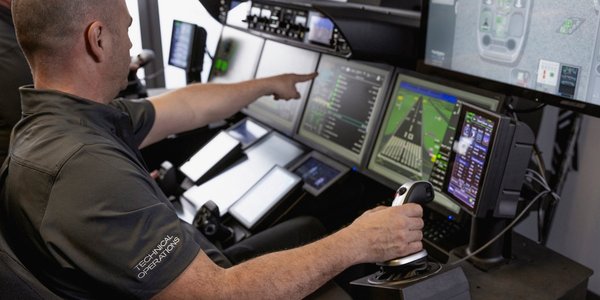
- Digital flight computers
- Flight-data recorders
- Cockpit voice recorders
- Advanced autopilot systems
None of these systems existed in their modern form when Flight 1 operated.
Importance of Terrain Awareness
One major development in modern aviation is terrain awareness.
Aircraft can now determine their position relative to mountains and other obstacles.
Warning systems can alert pilots if they are approaching dangerous terrain.
This technology has prevented many accidents.
Early airline pilots had to rely much more heavily on maps, instruments, and visual observation.
Human Factors
Modern aviation also recognizes the importance of human factors.
Pilot workload, fatigue, communication, decision-making, and situational awareness can all affect safety.
In the 1930s, these subjects were not understood as deeply as they are today.
Accidents helped aviation experts learn that safety involves both machines and people.
A Period of Rapid Change
The Flight 1 accident occurred during a period of rapid technological change.
Only a few years separated early biplane airliners from advanced all-metal monoplanes.
Aircraft were becoming faster and flying higher.
However, safety systems did not always develop at the same speed.
The industry had to learn how to operate these increasingly capable aircraft safely.
Remembering the Accident
The Northwest Airlines Flight 1 crash remains part of the history of American commercial aviation.
It represents the risks faced by passengers and crews during the early development of scheduled airline travel.
The people involved should be remembered not only as victims of an accident but also as part of a period when aviation was changing the way people traveled.
Why Historical Aviation Accidents Matter
Studying accidents from the 1930s helps us understand how modern aviation safety developed.
Many safety systems that passengers take for granted today were created because earlier accidents showed their importance.
Navigation procedures were improved.
Pilot training became more comprehensive.
Weather information became more reliable.
Aircraft design became safer.
Government regulation became stronger.
The Legacy of Northwest Airlines
Northwest Airlines continued operating for many decades after the accident.
It became a major American carrier.
The airline later operated increasingly advanced aircraft.
Its history reflects the wider development of American commercial aviation.
The company’s early operations were part of a period when air travel changed from a pioneering activity into a normal form of transportation.
Conclusion
The Northwest Airlines Flight 1 accident of 13 January 1939 occurred during one of the most important periods in the history of commercial aviation.
Airlines were expanding rapidly, aircraft were becoming faster and more reliable, and passengers were beginning to use airplanes for regular travel across the United States. Northwest Airlines was an important part of this development.
The aircraft involved was a Lockheed 14 Super Electra, a modern twin-engine airliner of its era. It represented the technological progress of the 1930s, but the aircraft and its crew still operated without many of the safety systems that are considered essential today.
The accident demonstrated the challenges faced by airline crews in the late 1930s. Navigation was more difficult, weather information was limited, radio systems were less advanced, and there were no satellite-based tracking or navigation systems.
Investigators had to reconstruct the accident without the help of flight-data recorders or cockpit voice recorders. They depended on physical evidence, witness information, weather reports, aircraft records, and other available information.
The wider aviation industry was already moving toward better safety systems. Radio navigation was improving, instrument flying was becoming more common, and government regulation was becoming stronger. The creation of the Civil Aeronautics Authority in 1938 was part of this broader effort to improve American civil aviation.
The accident also occurred just before the Second World War, a conflict that would transform aviation technology. Radar, navigation, communications, aircraft design, and pilot training would all develop rapidly during the following years.
Today, flying is supported by technologies that pilots of 1939 could not have imagined. GPS, satellite communication, weather radar, terrain-warning systems, digital navigation, collision-avoidance equipment, and flight recorders provide multiple layers of safety.
The story of Northwest Airlines Flight 1 is therefore part of a much larger story. It reminds us that modern aviation safety was built gradually through experience, investigation, engineering, training, and regulation.
For the passengers and crew who lost their lives, the accident was a personal tragedy. For the aviation industry, it became part of the long process of learning how to make commercial air travel safer.
The history of Flight 1 helps us understand just how far aviation has progressed since the pioneering days of the 1930s—and why remembering past accidents remains important for the safety of future generations.

Ajeet Yadav is an aviation enthusiast covering airline news, airports, aircraft, and industry developments through well-researched and reliable reporting.