











United Air Lines Flight 34 Crash December 27, 1936
The United Air Lines Flight 34 crash was a tragic aviation accident that took place on December 27, 1936, in the United States. The flight was operated by United Air Lines, one of the major American airlines of the period. The aircraft crashed during a scheduled passenger flight, resulting in the loss of everyone aboard.
The accident occurred during an important period in the development of commercial aviation. By the middle of the 1930s, air travel was becoming a normal part of transportation in the United States. Aircraft were faster and more comfortable than earlier airplanes, and airlines were operating regular routes between major cities. However, aviation still had many dangers that modern technology has greatly reduced.
The story of United Air Lines Flight 34 is part of the history of early commercial aviation and shows how pilots, airlines, aircraft manufacturers, and government authorities gradually learned to make air travel safer.
United Air Lines in the 1930s
United Air Lines was already an important American airline in the 1930s.
The airline had grown from a group of aviation companies involved in air-mail and passenger operations. The development of government air-mail contracts played an important role in the growth of American airlines.
United developed routes connecting cities across the United States.
Passengers were increasingly choosing airplanes because flying could save many hours compared with trains.
The airline operated modern aircraft and employed professional pilots, mechanics, radio operators, and other workers.
However, commercial aviation was still a young industry.
Aviation in 1936
The year 1936 was an important period in aviation development.
Aircraft were becoming increasingly sophisticated.
Many passenger airplanes were built with metal structures.
Engines were becoming more powerful.
Radio communication was improving.
Airports were developing better facilities.
Airways were being established across the country.
Despite these improvements, pilots still faced many challenges.
There was no GPS.
There was no satellite communication.
There was no modern weather radar.
There were no flight-data recorders.
There were no computerized navigation systems.
Pilots had to depend heavily on their own skills and the equipment available in the cockpit.
The Aircraft
United Air Lines operated several types of aircraft during this period.
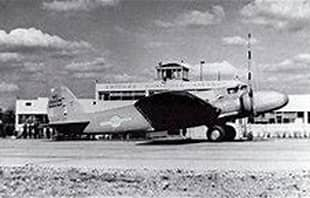
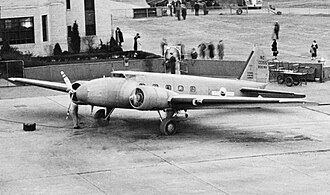
One important aircraft in the company’s fleet was the Boeing 247.
The Boeing 247 was one of the most advanced passenger aircraft of the early 1930s.
It had an all-metal construction and a streamlined design.
It was faster than many older passenger aircraft.
The aircraft could carry passengers and mail.
The introduction of aircraft like the Boeing 247 helped establish a new standard for commercial aviation.
However, even advanced aircraft could be affected by weather, mechanical problems, and human factors.
The Flight
On December 27, 1936, United Air Lines Flight 34 was operating as a scheduled passenger service.
The aircraft carried passengers and crew members.
The flight was expected to be a normal journey.
However, the aircraft encountered problems during the flight.
The journey ended in a crash.
The aircraft was destroyed, and the accident caused fatalities.
Authorities were notified, and an investigation began.
The Challenges of Winter Flying
The accident occurred in late December.
Winter flying could be especially difficult for pilots.
Aircraft could encounter:
- Low clouds
- Fog
- Rain
- Snow
- Ice
- Strong winds
- Poor visibility
Ice was particularly dangerous for aircraft.
When ice forms on the wings, it can change the shape of the wing and reduce lift.
Ice can also increase drag and aircraft weight.
Modern aircraft have sophisticated systems to detect and manage icing.
Pilots today also receive detailed weather forecasts and icing information.
Pilots in 1936 had far fewer resources.
Navigation in the 1930s
Navigation was another major challenge.
Pilots used maps, magnetic compasses, radio signals, and visual landmarks.
Radio navigation was developing rapidly, but coverage was not universal.
A pilot could determine a general direction using radio equipment, but the system was not as precise as modern satellite navigation.
Poor visibility could make visual navigation extremely difficult.
If a pilot became uncertain about the aircraft’s position, the situation could quickly become dangerous.
Weather Information
Weather forecasting was much less advanced than it is today.
Modern aviation depends on satellites, weather radar, computer models, and detailed forecasts.
In the 1930s, pilots received weather information through radio reports, telegraph services, and airport observations.
They had less information about conditions between airports.
A weather system could change during a flight.
This made decision-making difficult.
The Accident
United Air Lines Flight 34 eventually crashed during its journey.
The aircraft suffered a serious accident and was destroyed.
Rescue personnel and local authorities responded to the scene.
The location of the crash made recovery difficult.
Investigators began examining the wreckage.
They wanted to determine whether the accident was caused by mechanical failure, weather, navigation, pilot action, or a combination of factors.
Accident Investigation
Aviation investigations in the 1930s were very different from modern investigations.
Today, investigators can examine flight-data recorders and cockpit voice recorders.
They can obtain radar information and satellite tracking data.
They can also use computer simulations.
In 1936, none of these systems were available.
Investigators had to rely on:
- Aircraft wreckage
- Witness statements
- Weather reports
- Radio communications
- Maintenance records
- Flight plans
- Pilot experience
Investigators then reconstructed the accident from these sources.
Mechanical Failure
Mechanical failure was always considered after an aircraft accident.
Aircraft of the period depended on piston engines and mechanical flight-control systems.
An engine could fail.
A propeller could malfunction.
A control cable could break.
A structural component could become damaged.
Investigators carefully examined these parts.
They needed to determine whether any failure happened before the crash or was caused by the impact.
This could be difficult when the aircraft was badly damaged.
Pilot Experience and Decision-Making
The skill of the pilot was another important consideration.
Airline pilots in the 1930s were generally experienced professionals.
However, they had to make decisions using much less information than modern pilots.
A pilot might have to decide whether to continue a flight in poor weather.
They might need to change course.
They could choose to climb, descend, or divert.
The correct decision was not always obvious.
Modern aviation has developed standardized procedures to help pilots make these decisions.
Human Factors
Modern aviation recognizes the importance of human factors.
Pilots can become tired.
Stress can affect judgment.
High workload can make mistakes more likely.
Poor weather can increase pressure.
In the 1930s, these factors were not understood as well as they are today.
Airlines relied heavily on individual experience.
Over time, aviation organizations developed better systems for managing pilot workload and decision-making.
Emergency Procedures
Emergency procedures were less developed in 1936.
Pilots had checklists and basic emergency training, but the procedures were not as comprehensive as those used today.
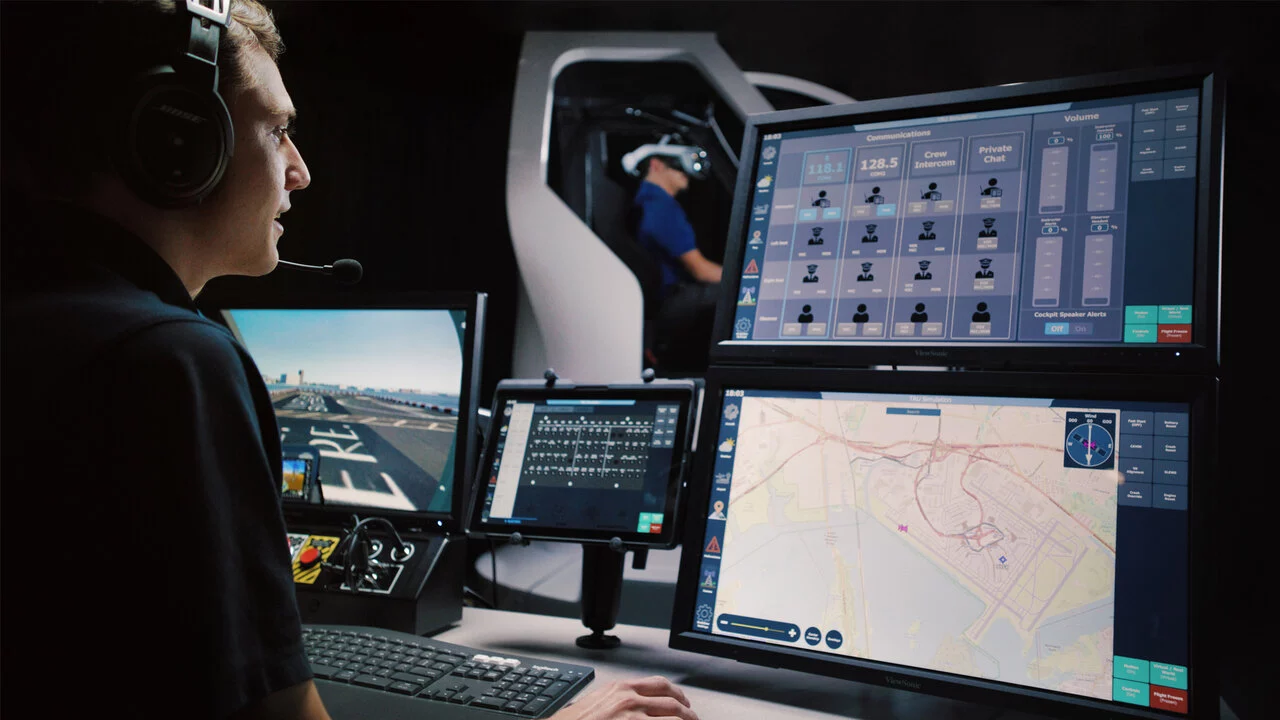
Modern pilots practice emergencies repeatedly in flight simulators.
They can practice engine failures, fires, instrument failures, navigation problems, and rejected takeoffs.
This allows crews to respond quickly when real emergencies occur.
Such training was much more limited in the 1930s.
Search and Rescue
Locating a crashed aircraft could be difficult.
Aircraft were not continuously tracked.
There were no satellite emergency beacons.
If a plane failed to arrive at its destination, authorities had to determine where it might have crashed.
Search teams often depended on reports from local residents.
Police, military personnel, and airline employees could participate.
Weather and terrain could make the search more difficult.
Today, aircraft tracking and emergency locator systems make searches much faster.
The Human Cost
The most tragic aspect of Flight 34 was the loss of human life.
Passengers had boarded the aircraft expecting to complete an ordinary journey.
They may have been traveling for business, family visits, or holidays.
The crew members were performing their professional duties.
Their deaths affected families, friends, and communities.
Aviation accidents are therefore not simply technical events.
They are human tragedies.
Public Reaction
Airline accidents received significant attention during the 1930s.
Commercial flying was becoming popular, but some members of the public were still nervous about airplanes.
A major crash could raise concerns about airline safety.
Newspapers reported accidents extensively.
People wanted to know what had happened.
Airlines understood that passenger confidence was essential to their future.
Safety improvements were therefore becoming an increasingly important part of airline operations.
Government Regulation
The United States government was developing a stronger aviation regulatory system.
Authorities established requirements for aircraft certification.
Pilots needed licenses.
Airlines had to follow operating rules.
Aircraft required regular inspections.
Airports and navigation facilities were also being developed.
Accident investigations helped regulators understand where additional safety measures were needed.
Development of Airway Navigation
The United States was developing an extensive network of airways.
Radio navigation stations helped pilots follow established routes.
These systems were important for long-distance commercial flying.
As air traffic increased, better navigation became essential.
Eventually, radar and computerized systems transformed the way aircraft were tracked.
The foundations of this system were being established during the period when Flight 34 operated.
Aircraft Maintenance
Maintenance standards were also improving.
Commercial aircraft flew regularly and accumulated many hours.
Engines needed frequent inspection.
Control systems had to be checked.
Aircraft structures needed examination.
Airlines gradually developed more detailed maintenance schedules.
Modern maintenance programs are highly regulated and involve thousands of inspection tasks.
The development of these systems was influenced by experience with early aircraft operations and accidents.
Importance of Pilot Training
Pilot training became increasingly professional during the 1930s.
Pilots learned more about:
- Instrument flying
- Radio navigation
- Weather
- Aircraft systems
- Emergency procedures
- Engine operation
- Navigation
Training standards continued to improve after the decade.
Today, airline pilots undergo extensive theoretical and practical training before operating passenger aircraft.
Lessons from Flight 34
The Flight 34 accident forms part of the larger learning process of early aviation.
Several important safety principles can be drawn from the period.
Accurate Navigation
Pilots need reliable information about their position.
Weather Awareness
Crews must understand weather conditions along the entire route.
Aircraft Maintenance
Regular inspection is essential.
Emergency Training
Pilots must know how to react quickly to unexpected problems.
Communication
Aircraft need reliable communication with ground stations.
Safety Regulations
Airlines and manufacturers must follow strong safety standards.
Accident Investigation
Every accident should be carefully studied to prevent similar events.
The Growth of United Air Lines
United Air Lines continued to grow after 1936.
The airline expanded its network and introduced newer aircraft.
The company eventually became one of the major airlines of the United States.
Aircraft technology changed dramatically.
Piston-engine aircraft were replaced by larger and faster airplanes.
The jet age transformed passenger travel.
United eventually developed a large domestic and international network.
The Boeing 247 and Aviation History
The Boeing 247 represented a major step forward in aircraft design.
Its all-metal construction, retractable landing gear, and streamlined shape were advanced features.
It helped demonstrate the potential of modern passenger aircraft.
The aircraft also influenced later designs.
The development of aircraft such as the Boeing 247, Douglas DC-2, and later Douglas DC-3 helped create the modern airline industry.
Development of Modern Safety Systems
Modern commercial aircraft have many safety features that did not exist in the 1930s.
These include:
- Satellite navigation
- Weather radar
- Terrain-warning systems
- Traffic-collision avoidance systems
- Flight-data recorders
- Cockpit voice recorders
- Advanced autopilots
- Digital engine monitoring
- Emergency locator systems
These technologies were developed over many decades.
Many came from lessons learned through experience and accidents.
Why Early Aviation Accidents Matter
Studying early aviation accidents helps explain the development of today’s safety system.
Every accident can reveal weaknesses.
Engineers can improve aircraft.
Pilots can improve procedures.
Airlines can improve training.
Governments can strengthen regulations.
Airports can improve facilities.
This process is known as learning from accidents.
It has helped aviation become dramatically safer.
Remembering the Victims
The people aboard United Air Lines Flight 34 were part of the early age of commercial air travel.
They were passengers and crew members who expected a normal journey.
Their families suffered a sudden and unexpected loss.
Remembering them is an important part of aviation history.
The story should not be viewed only as a technical report.
It should also be understood as a reminder of the human cost of aviation accidents.
Aviation in the Years After 1936
Aviation continued to change rapidly.
The Second World War accelerated aircraft development.
Navigation systems improved.
Engines became more powerful.
Radar technology developed.
After the war, many of these technologies were adapted for civilian aviation.
Commercial airlines began operating larger and faster aircraft.
The jet age arrived in the late 1940s and 1950s.
By the second half of the twentieth century, air travel had become a global industry.
Modern United Airlines
United Air Lines eventually became United Airlines, one of the major airlines in the modern aviation industry.
Its fleet today is completely different from the aircraft operated in the 1930s.
Modern passenger aircraft are equipped with sophisticated navigation, communication, and safety systems.
The contrast shows how far commercial aviation has progressed in less than a century.
Conclusion
The United Air Lines Flight 34 crash of December 27, 1936, was a tragic event during the early development of American commercial aviation.
The accident occurred at a time when air travel was growing rapidly. Airlines were expanding their networks, aircraft were becoming faster, and passengers were beginning to see flying as a practical form of transportation.
However, aviation technology in 1936 was still limited.
Pilots did not have GPS, satellite tracking, modern weather radar, terrain-warning systems, or flight recorders. They had to depend on basic instruments, radio navigation, maps, weather reports, and their own judgment.
The investigation of an accident during this period was therefore difficult. Investigators had to study the wreckage, examine weather conditions, review available records, and speak with witnesses.
The tragedy also illustrates the many factors that influence aviation safety. Aircraft design, maintenance, pilot training, weather, navigation, communication, and government regulation all play important roles.
United Air Lines continued to grow after the accident and eventually became one of America’s major airlines. The aircraft used by the company changed dramatically, from early piston-engine airplanes to modern jet airliners.
The history of Flight 34 is therefore part of a much larger story. Modern aviation safety was created through decades of technological development and lessons learned from earlier accidents.
Today, passengers can travel thousands of miles in aircraft equipped with advanced navigation, communication, monitoring, and warning systems. Pilots receive extensive training, and airlines operate under strict safety regulations.
The tragedy of December 27, 1936, reminds us how different commercial aviation was during its early years. It also shows why continuing to investigate accidents, improve technology, and learn from the past remains essential to keeping aviation safe.

Ajeet Yadav is an aviation enthusiast covering airline news, airports, aircraft, and industry developments through well-researched and reliable reporting.