













GE Aerospace Expands Pune’s Role in Global Engine Component Production

- GE Aerospace’s ₹100 crore investment in Pune takes its investment at the facility to more than ₹510 crore over three years, with the new spending focused on advanced welding systems, gauges, tooling and high-precision inspection equipment.
- The Pune factory supplies components for GE90, GEnx, GE9X and CFM LEAP engine programmes, while suppliers linked to the facility are moving into areas such as fuel-system fittings, manifold components and high-precision fabrication.
- GE Aerospace’s Pune operation has introduced lean manufacturing changes across production lines, including fixture reorganisation and automated tooling systems, alongside apprenticeship and TIG welding training programmes that have trained more than 5,000 production associates since 2015.
The traditional narrative surrounding foreign direct investment in expanding manufacturing ecosystems often leans heavily on quantitative milestones: square footage added, headcount expanded, or headline investment numbers announced. However, a closer examination of aerospace manufacturing reveals that the true transformation occurs within the less visible, highly technical layers of shop-floor capability.
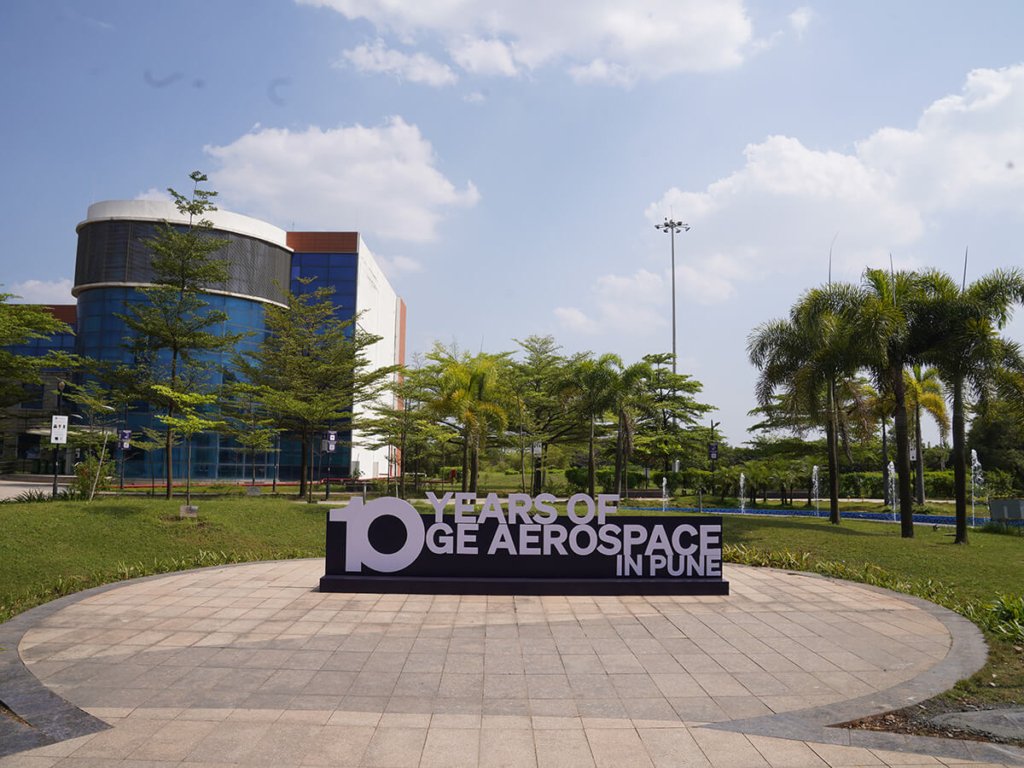
GE Aerospace’s announcement of an additional ₹100 crore investment in its Pune manufacturing facility serves as a case in point. This capital injection builds upon a cumulative ₹410 crore committed over the preceding two years, bringing the total three-year investment in the site to more than ₹510 crore.
Yet, the significance of this momentum lies not merely in the financial scale but in the specific allocation of capital toward advanced welding technologies, inspection equipment, precision tools, gauges, and fixtures. By directing capital toward these specific manufacturing tools, the facility is transitioning to more complex process capabilities that determine whether a manufacturing node can reliably maintain uncompromising aerospace quality while scaling throughput.
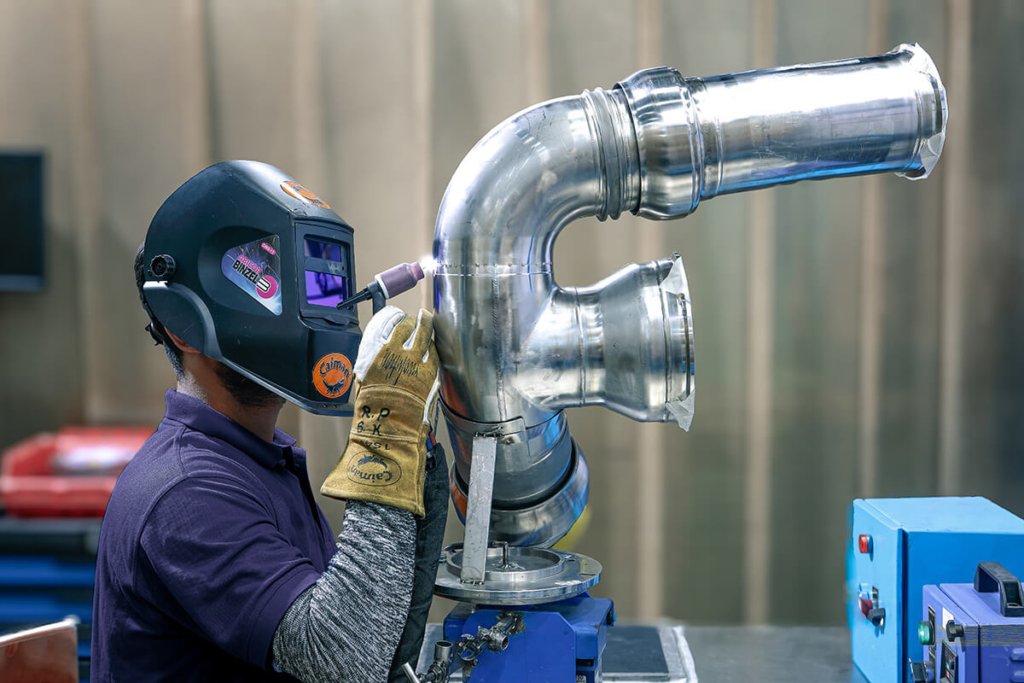
The Pune facility produces critical components across major commercial aircraft engine lines, including the GE90, GEnx, GE9X, and CFM International’s LEAP engine programs.
Because these components move into engine assembly lines in the United States and Europe supporting major commercial engine programmes, the Pune facility operates within tightly controlled manufacturing and inspection standards.
The latest investment in tooling, welding systems and inspection equipment comes as engine manufacturers continue to manage production and delivery requirements across global supply chains.
Moving Beyond Basic Machining
A primary indicator of a maturing aerospace ecosystem is the industrial maturity of its localised supplier network. The Pune facility operates alongside more than 300 local suppliers and is embedded within a broader network of over 2,200 GE Aerospace suppliers across India.
Rather than utilising this network for low-tier, basic machining tasks, the manufacturer is actively drawing domestic enterprises into demanding component categories that require deep engineering expertise and rigorous process controls. This structural escalation of capability is visible across the local supply chain, where Indian partners are migrating away from simple contract manufacturing into high-value fabrication.
For instance, local partners like Saakshi Medtech and Panels have transitioned from supplying basic vibration-monitoring panels to executing industrial X-rays and complex laser cutting and deburring of manifold components used in commercial jet engines.
By mastering exact laser power calibrations to prevent molten material residue on component edges, the company increased its output tenfold within six months.
Similarly, Raghu Vamsi Machine Tools manufactures specialised end fittings and connectors used to join tubes in high-pressure fuel or gas transfer systems.
These parts range in diameter from 0.25 to 7.5 inches, requiring strict process control to maintain dimensions under harsh operating conditions.
This industrial progression also includes engineering breakthroughs, such as the local development of dry-film lubricants, as well as shifts toward highly complex machined castings, forgings, and structural engine parts shipped to assembly sites globally.
JK Maini Global Aerospace moved upstream into complex machined castings, forgings, and structural engine parts, which are shipped globally, while also developing a localised dry film lubricant. Godrej Aerospace has established a dedicated design team focused on developing proprietary intellectual property for line-replaceable units, in addition to its portfolio of brackets and complex fabrications.
The local supplier base is systematically adopting the exact documentation standards and special process certifications required to compete globally.
Implementing Lean Shop-Floor Discipline
The operational changes on the factory floor are driven by FLIGHT DECK, GE Aerospace’s lean operating model, which focuses on waste reduction, process predictability, and daily improvements. A clear example is the High-Pressure Turbine Active Clearance Control line, which produces components for the CFM LEAP engine. Through three targeted kaizen events involving collaborative reviews with international manufacturing experts, the team reorganised the line from traditional setups to a single-piece-flow layout.
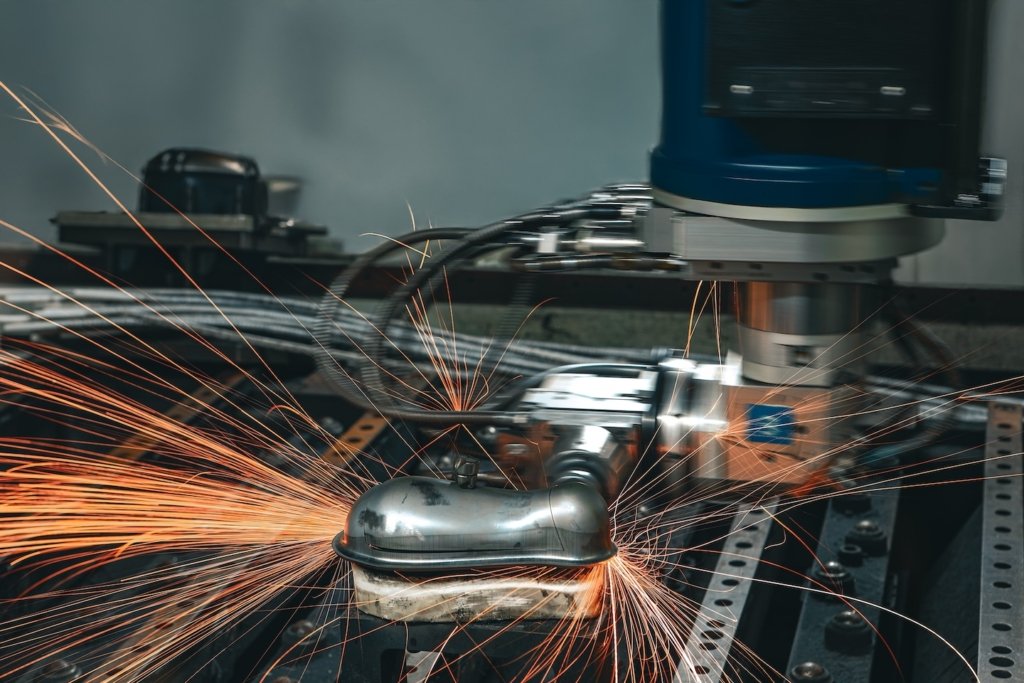
The introduction of targeted automation, such as automated toggle-clamping mechanisms and optimised weld-booth fixture layouts, yielded a 20% reduction in changeover times.
Moving from manual processing to a dedicated cap-bending machine completely eliminated recurring daily defects while simultaneously driving a twofold increase in total line output.
This systematic model-line architecture is currently being deployed across other production zones, with the long-term objective of redesigning all remaining factory lines, including the tube line and press shop, by the end of the decade.
A central element of this operational philosophy is how safety and quality ownership are handled on the floor.
Every production associate is authorised to stop work immediately if an anomaly is detected, ensuring root-cause analysis happens before manufacturing resumes. Performance is tracked continuously through visual boards and digital dashboards, monitoring safety, quality, delivery, inventory, and productivity metrics. This discipline is thoroughly embedded across the campus, to the point that the site canteen serving over 1,000 personnel daily measures its performance against the same operational metrics.
Advanced technical systems remain reliant on the human capital trained to operate them. Because specialised aerospace processes require unique, verified competencies, workforce development acts as a core manufacturing capability. The factory handles this talent requirement through a structured two-year apprenticeship program that registers more than 500 individuals annually.
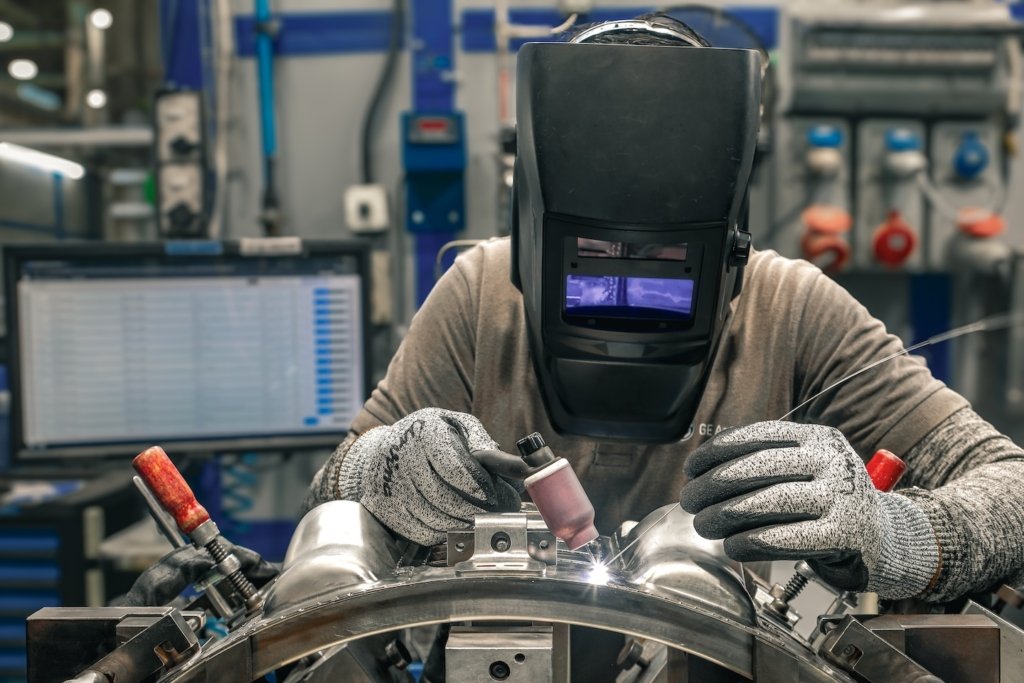
This path combines classroom instruction with intensive TIG welding training inside a dedicated onsite Weld School. By training more than 5,000 production associates since operations began in 2015, the facility has built a stable pipeline of specialised technicians, machinists, and quality inspectors.
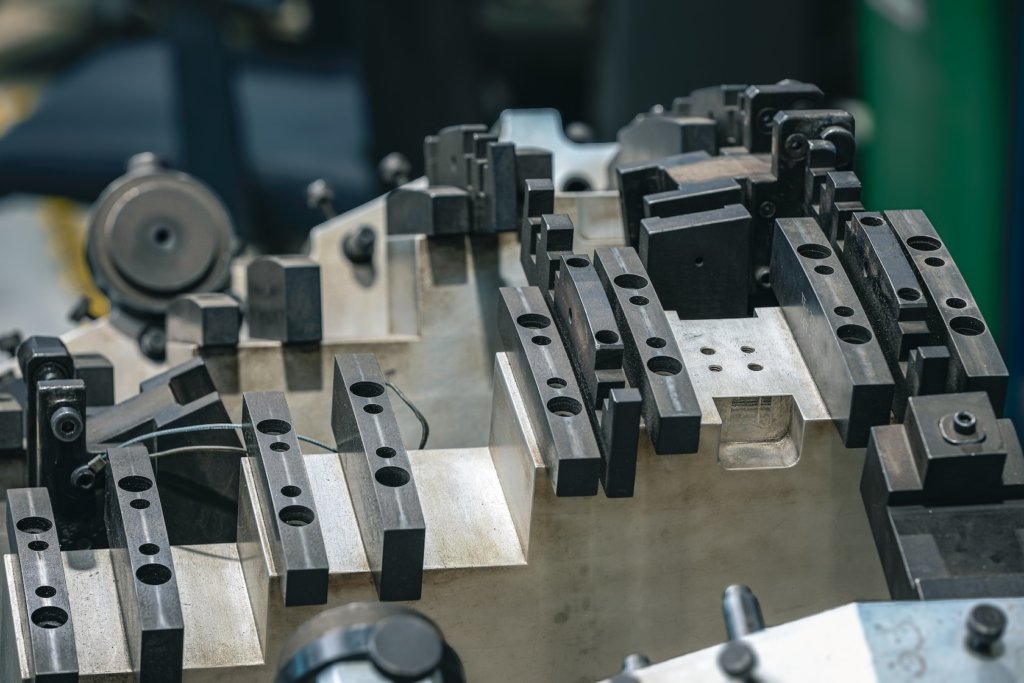
This consistent combination of targeted capital, structured lean implementation, and steady workforce training builds a deeper industrial foundation for high-precision manufacturing.
Also Read: GIFT-IFSC’s Aircraft Leasing Promise: Real Progress, Real Gaps