







- SUM Air has ordered up to eight ATR 72-600 aircraft as it prepares to expand beyond its initial domestic operations.
- The airline is building a network focused on connecting inland and island airports where jet operations are limited.
- ATR has identified Korea as a growth market for turboprops, with potential for 25–30 aircraft in the coming years.
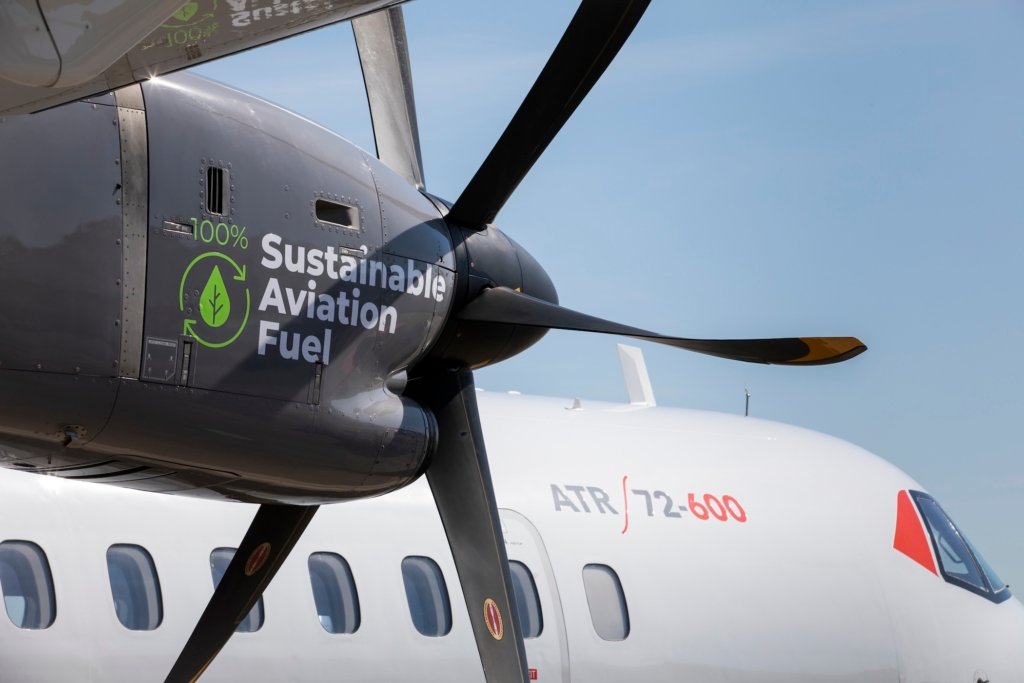
Korea’s regional aviation market is beginning to see capacity take shape, with new entrant SUM Air placing an order for up to eight ATR 72-600 aircraft as it prepares to scale operations beyond its initial domestic routes.
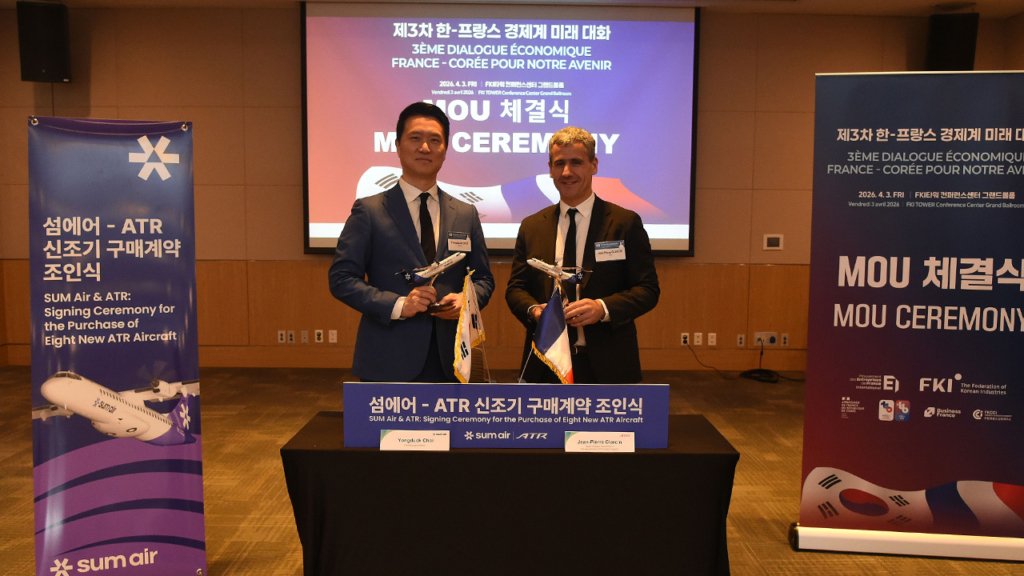
ATR confirmed that the airline has ordered four ATR 72-600s, with four additional purchase rights, and deliveries expected from 2028. The agreement was signed during the France–Korea bilateral economic forum in Seoul, attended by the French President, marking a milestone for the airline shortly after entering commercial service.
The order follows SUM Air’s commercial launch in March 2026, where it began operations with a newly leased ATR 72-600 from Avation. The airline, founded in 2022, received its Air Operator Certificate on 10 March after more than three years of preparation, including personnel training, safety validation, and aircraft integration.
This latest order forms part of the airline’s longer-term plan to expand its footprint across domestic and short-haul international markets, while supporting Korea’s broader push to strengthen regional connectivity.
Building a Regional Network
SUM Air’s immediate focus is on domestic connectivity, starting with the Gimpo–Sacheon route, but the longer-term plan is more defined. The airline is positioning itself around linking inland and island airports, including planned operations to Ulleungdo, Baengnyeongdo, and Heuksando.
These are routes where conventional narrowbody jets are either operationally constrained or economically difficult to sustain. The airline is building a spoke-style network, targeting thinner sectors that require lower trip costs and strong short-field performance.
Yongduck Choi, Chief Executive Officer of SUM Air, said the ATR 72-600 will play a central role in connecting island and regional communities and supporting Korea’s aviation infrastructure, particularly in areas that have remained underserved by conventional air services.
The aircraft’s ability to operate into shorter runways is expected to open up access to future island airports, allowing the airline to extend connectivity beyond the main population centres and into geographically constrained regions.
Aircraft Fit and Market Context
The ATR 72-600 serves a segment that has historically remained underdeveloped in Korea. While the country has a dense domestic aviation network, it has largely been built around jet operations linking major cities, leaving smaller regional and island markets less consistently served.
ATR has long identified Korea as a market with untapped demand for regional aircraft, forecasting a potential fleet of 25–30 ATR 72 aircraft over time.
Nathalie Tarnaud Laude, Chief Executive Officer of ATR, said the ATR 72-600 is suited to the type of connectivity SUM Air is seeking to build, with the short-runway performance needed for island airports and the operating economics to support routes that may otherwise be difficult to sustain.
This becomes relevant as countries revisit regional connectivity not only in terms of access, but also cost and emissions. ATR states its turboprops produce substantially lower CO₂ than similarly sized regional jets, while maintaining the flexibility required for short-haul operations.
Turboprops are positioned as a practical solution for markets where geography, demand density, and infrastructure constraints require aircraft that can operate efficiently at lower capacity while maintaining frequency.
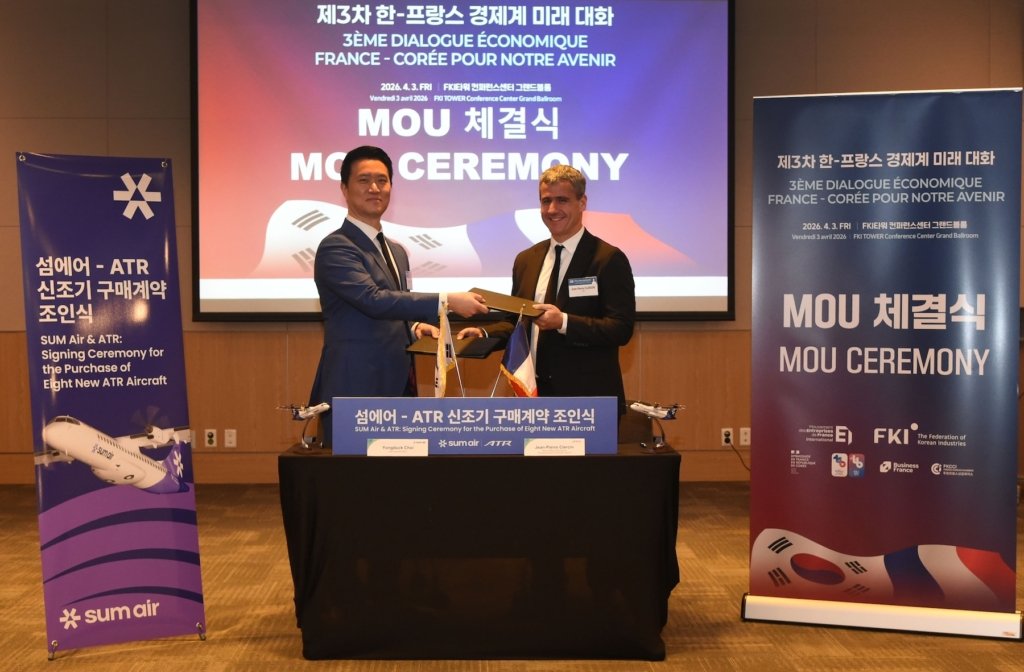
Photo: ATR
For SUM Air, the order signals a phased expansion rather than immediate scale. With deliveries starting in 2028, the airline has a multi-year window to stabilise operations, build route performance, and develop demand across its initial network.
The order format, firm aircraft along with additional purchase rights, provides flexibility to adjust fleet growth in line with market response. This is particularly relevant in a segment where route sustainability depends on consistent traffic over time rather than early-stage demand spikes.
Fleet planning, route selection, and airport access will determine how quickly this segment develops. Execution across these areas will shape whether regional routes can sustain operations beyond initial deployment phases.
SUM Air’s entry, defined by a turboprop strategy and a phased fleet plan, marks an early step in how Korea’s regional aviation segment could evolve in the coming years.
Also Read: Why Turboprops Hold the Key to India’s Regional Aviation Growth