




- The Modified UDAN scheme expands India’s regional network with a clearer structure and funding, while placing greater emphasis on how routes are selected, supported, and sustained beyond the initial support period.
- Operator experience highlights that airport cost structures, aircraft size, and demand alignment remain central to route viability, with smaller aircraft, lower-cost airport models, and short-haul network design shaping outcomes.
- As the scheme evolves, viability gap funding continues to seed routes, but long-term sustainability will depend on better route planning, network integration, and disciplined capacity deployment.
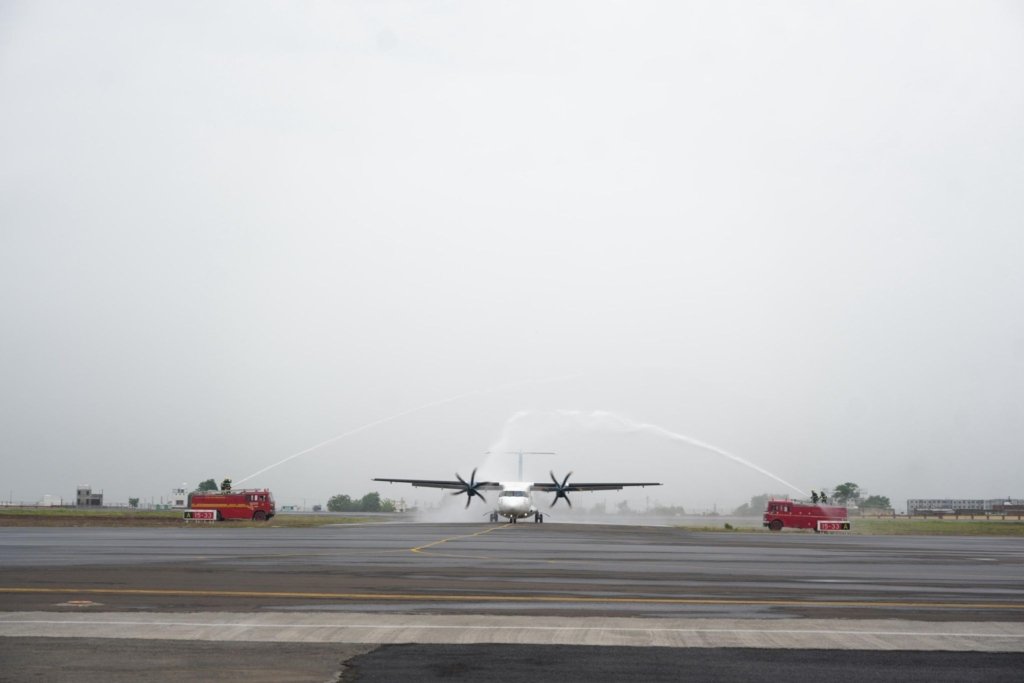
The Union Cabinet’s approval of the Modified UDAN scheme sets the framework for India’s regional connectivity programme over the next decade.
With an outlay of ₹28,840 crore for FY2026–27 to FY2035–36, the plan is structured around scale and execution.
It includes 100 airports to be developed from existing unserved airstrips, operations and maintenance support for around 441 aerodromes, 200 helipads, and ₹10,043 crore allocated for viability gap funding.
The scheme targets 120 additional destinations and 4 crore more passengers. It builds on a network that has already expanded significantly. More than 160 lakh passengers have travelled on UDAN routes, over 3.4 lakh flights have been operated, and nearly 100 airports, heliports and water aerodromes have been brought into service.
The next phase draws directly from how these routes have performed once they moved beyond initial support.
Route Continuity, Structured Approach
Earlier phases of UDAN established a wide network of regional routes, but their performance began to diverge once operations moved beyond the initial support period.
Of the 663 routes operationalised, 336 were active as of February 2026. Some routes completed their three-year tenure for viability gap funding but did not continue thereafter. Others were discontinued earlier due to operational or demand constraints. Several of these routes are now being taken up again through subsequent bidding rounds under UDAN 5.4.
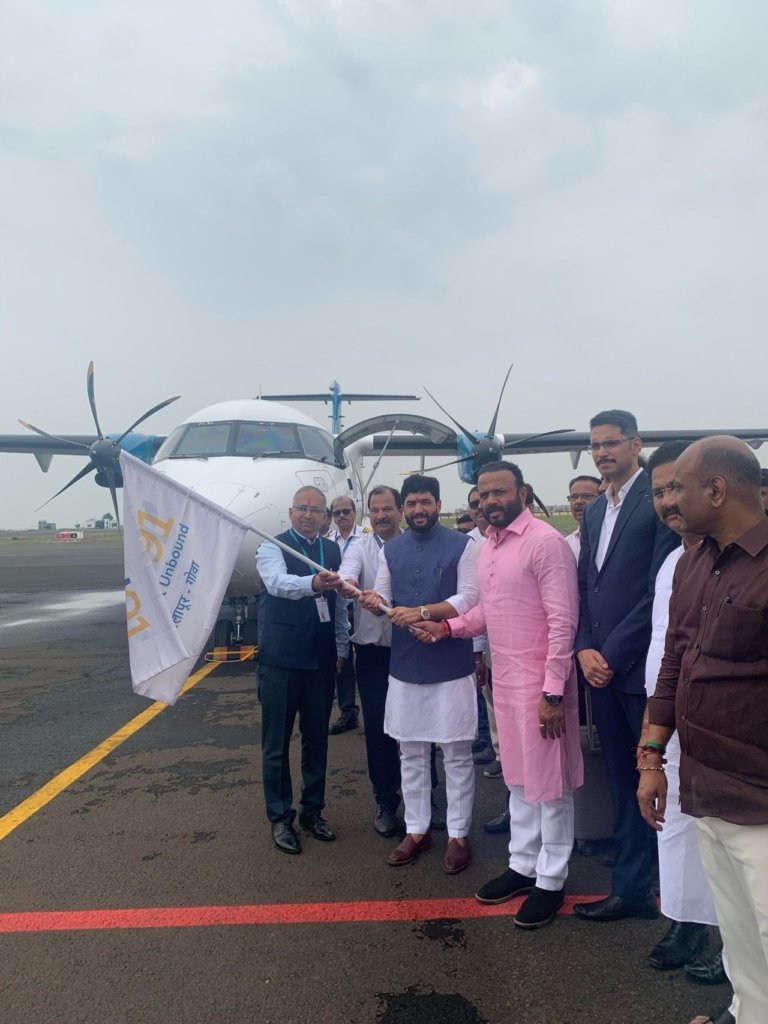
Operator feedback and government responses point to a consistent set of factors.
Demand in several sectors developed gradually and, in some cases, remained below levels required once support was reduced.
Aircraft availability affected frequency, which in turn limited schedule reliability and slowed demand build-up.
Operational constraints at smaller airports, including restricted operating hours and infrastructure limitations such as VFR conditions, further affected utilisation.
The period after viability gap funding remains critical. Routes that do not reach stable load factors within the support window face difficulty sustaining fares and frequency once support reduces, particularly when operating costs remain unchanged.
The Modified UDAN framework introduces clearer execution criteria. Airport development is being taken forward under a challenge-mode approach, where projects are prioritised based on readiness and demand potential. The focus on activating existing unserved airstrips reduces development timelines and capital requirements compared to new airport construction.
Route selection is now linked more closely to demand and preparedness. States are expected to identify priority aerodromes, airlines must submit business plans before routes are awarded, and previously discontinued routes are being reintroduced through structured rebidding.
Airlines will receive viability gap funding support for five years, with funding tapering from the third year onward, although the detailed structure has not been formally specified.
Airport Costs and the Operating Reality
For operators, the economics of regional routes remain closely linked to how airport infrastructure and aircraft deployment align with demand.
Prem Garg, CEO of IndiaOne Air, highlighted the cost structure at several UDAN airports as a key constraint. “The challenge is not opening routes. It is sustaining them when the cost base remains high relative to the demand that builds on these sectors,” he said.
In many cases, smaller operators are required to operate into licensed, tower-controlled airports where air traffic control infrastructure alone can involve capital expenditure of ₹8–10 crore and annual operating costs of around ₹3 crore, even when traffic is limited to two to four flights a day. This creates a mismatch between infrastructure costs and actual utilisation.
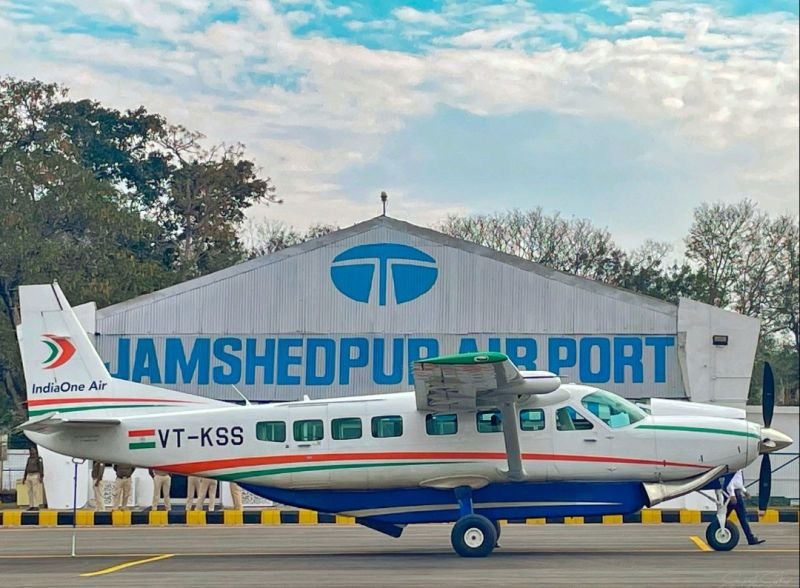
He pointed to an alternative approach through non-towered or lower-cost operational airports supported by Airfield Flight Information Service (AFIS) systems, which could reduce operating costs by 50 to 70 per cent while maintaining safety standards.
This flexibility becomes important on routes where demand builds gradually. The cost structure also varies significantly by aircraft category.
For 70–100 seat aircraft, per-seat operating costs are estimated at ₹3,500–₹5,500 per hour, with break-even fares in the range of ₹4,000–₹7,000 at load factors of 65–75 per cent. For 9–19 seat aircraft, per-seat costs rise to ₹9,500–₹13,000 per hour, while the market on many of these routes is typically able to support fares of ₹3,000–₹6,000. This gap continues to influence route economics once support reduces.
Operating models, therefore, become critical. Short-haul sectors, particularly within a 500 km range, allow smaller aircraft to compete more effectively with road and rail on total journey time. Hub-and-spoke networks within this range, combined with phased capacity addition and coordination with state-level support, are better aligned with how demand builds on regional routes.
The relationship between airport cost structures, aircraft size, and demand density continues to define how regional routes perform beyond the support period.
From Market Seeding to Market Maturity
As the scheme evolves, the role of viability gap funding is also being viewed in a broader context.
Manoj Chacko, CEO and MD of Fly91, noted that VGF has played a critical role in seeding regional markets. As the scheme develops further, improved route selection, right-sized capacity, and stronger network integration will be essential to enhancing sustainability. Over time, several routes could mature beyond the need for subsidies.
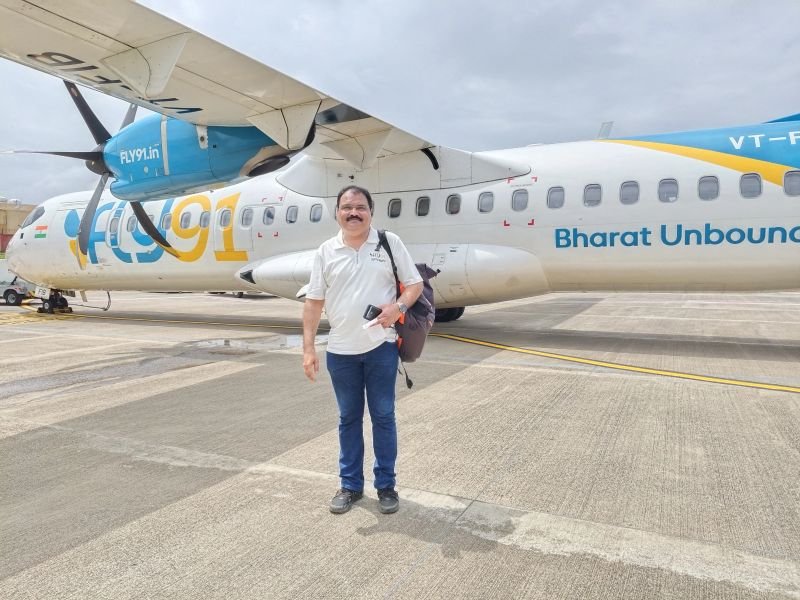
Photo: Fly91
Network integration plays a central role in this transition. Beyond point-to-point operations, routes connected to wider airline networks can build traffic through onward connections, improve load factors, and support more consistent frequency.
Capacity aligned to demand, supported by reliable scheduling, allows routes to stabilise over time.
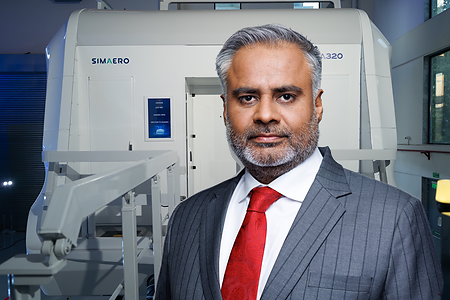
The conversation is also shifting toward aircraft suitability. Subhakar Papulla, Founder and CEO of Flamingo Aerospace, argues that the next phase of regional aviation growth will depend on platforms that are aligned with India’s operating conditions. A key gap in the current ecosystem is the reliance on imported aircraft, which often carry higher acquisition and maintenance costs.
The Modified UDAN framework also expands the scope of regional connectivity. The inclusion of 200 helipads and the focus on remote, hilly, and island regions, including the North East, reflect a broader access objective. In these areas, terrain and infrastructure constraints often limit fixed-wing operations, making helicopters and smaller platforms more suitable for connectivity, including healthcare access and emergency response.
The scheme combines infrastructure development, route-level discipline, and continued support through VGF with defined expansion targets.
The outcome of this phase will depend on execution. Sustained connectivity will rely on alignment between airport cost structures, aircraft deployment, route selection, and network design. Routes that achieve this balance are more likely to stabilise beyond the support period, while others may continue to depend on external support.
Also Read: The Frictionless Airport: Everything Is Ready Except the System
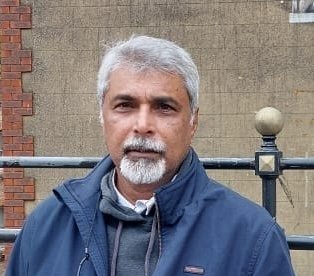
Chandrakanth R has over four decades of journalism experience, including 25 years as Chief Reporter at The Hindu and four years as Editor of Media One, Dubai. Since returning to India, he has specialised in aerospace and defence and regularly covers major international industry events.