








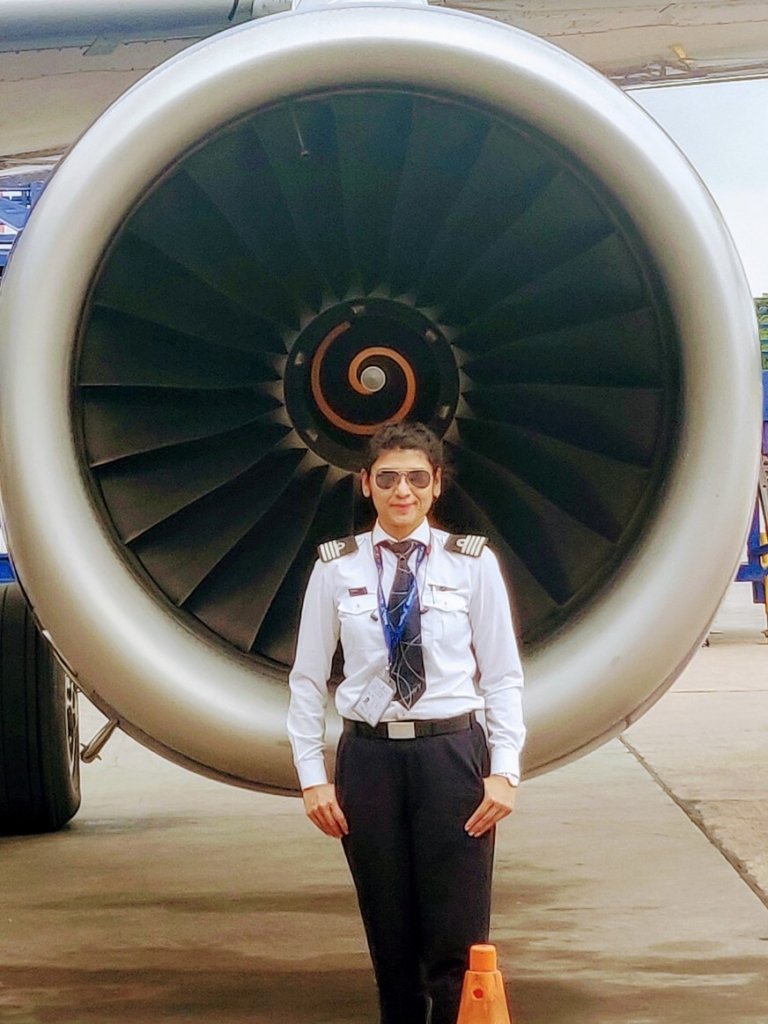
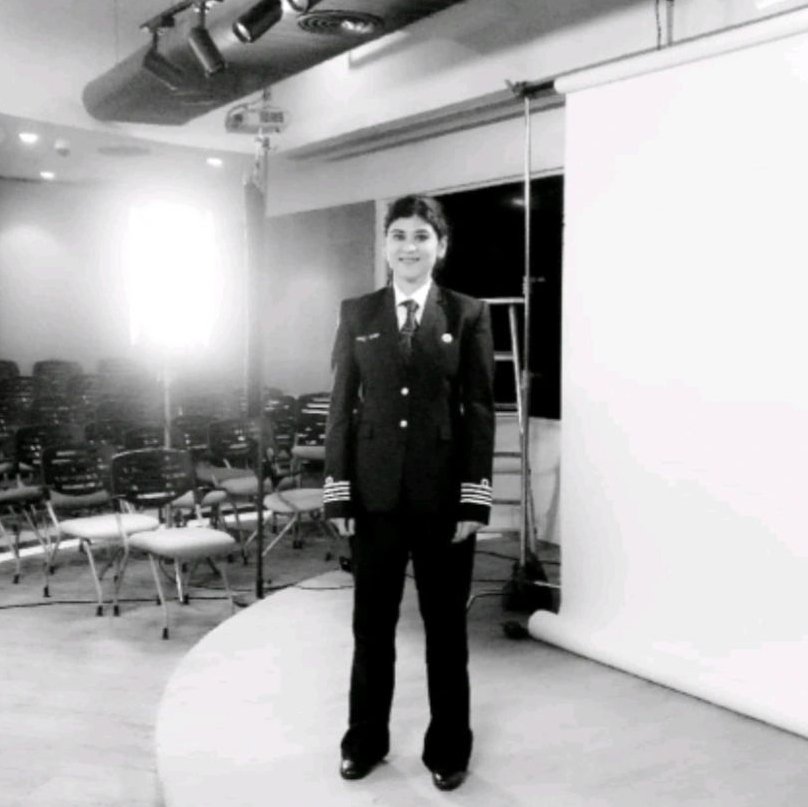
Not every childhood dream survives the weight of the world’s opinion. For girls who want to fly, the questions start early and rarely stop—too dangerous, too difficult, not quite right for you. And yet, some dreams are simply non-negotiable. Aviation has always rewarded those who refuse to be talked out of it, regardless of who they are or where they started. On International Women’s Day, Capt. Dr. Sneha Sharma—airline captain, pilot trainer, and a woman who has spent her career proving that the cockpit belongs to whoever has the skill and the will to occupy it — reflects on the journey from a childhood fascination with flight to the responsibilities and rewards of a life spent above the clouds, and the message she carries for every young girl still looking up.
The first time I remember truly noticing an airplane, I was a child standing on a container ship with my father. A distant rumble grew louder, and suddenly a silver aircraft appeared overhead, cutting across the blue sky with quiet confidence. Everyone else around me looked up for a moment and then returned to their conversations.
But I stood there, mesmerized. In that moment, I didn’t just see an airplane. I saw possibility. Somewhere deep inside me, a dream quietly took shape—one that would eventually define my life. I wanted to fly.
For many young girls, dreams begin with curiosity and imagination. But for those who dream of aviation, the path from fascination to the cockpit can be long, demanding, and often filled with turbulence. And when you are a woman stepping into a field historically dominated by men, the journey can come with its own unique challenges.
Yet it is precisely those challenges that make the journey meaningful.
Dreaming Beyond Expectations
Growing up, I quickly learned that the idea of a girl becoming a pilot still surprised many people. Friends, relatives, and sometimes even well-meaning acquaintances would respond with raised eyebrows when I shared my ambition.
“Flying planes? Isn’t that dangerous?”
“Are there even many women pilots?”
“Why not choose something easier?”
“Are there jobs available in the market?”
These questions were rarely meant to discourage. Often, they reflected a lack of familiarity with women in aviation.
For decades, the cockpit had been perceived as a male domain—an image shaped by history, media, and tradition.
But every time someone questioned the dream, it strengthened my determination. Dreams do not disappear simply because they are unusual. Sometimes they grow stronger because of it.
The Demands of Training
Becoming a pilot is not a romantic adventure of clouds and sunsets—at least not at first. The early years are defined by discipline, intense study, and relentless training.
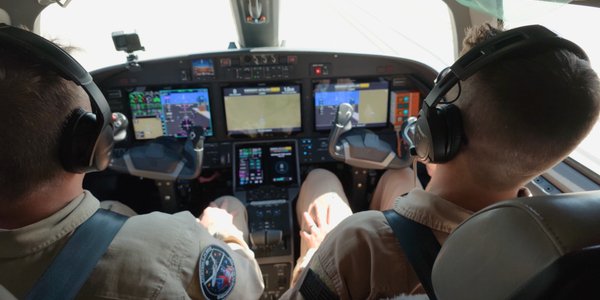
Flight school demands absolute focus. Students spend countless hours mastering aerodynamics, meteorology, aircraft systems, navigation, aviation regulations, and emergency procedures. Simulators replicate real-life scenarios with unforgiving accuracy, while instructors push students to think quickly and act precisely.
Every flight lesson carries responsibility. Every decision matters.
The process is physically and mentally demanding for anyone pursuing it. But for many women, there is often an additional layer of awareness—sometimes being the only woman in a classroom, briefing room, or training program.
Those moments can feel intimidating at first. You become aware that you are not only learning the profession but also representing something larger—the growing presence of women in aviation.
Fortunately, aviation is a field built on professionalism and competence. Over time, what truly matters in the cockpit is not gender, but preparation, discipline, and skill.
The aircraft responds to knowledge and confidence—not stereotypes.
Learning to Handle Turbulence
Every pilot learns to navigate turbulence—both literal and metaphorical. Literal turbulence is easy to understand. It appears on radar, shakes the aircraft, and eventually passes. Metaphorical turbulence can be more subtle.
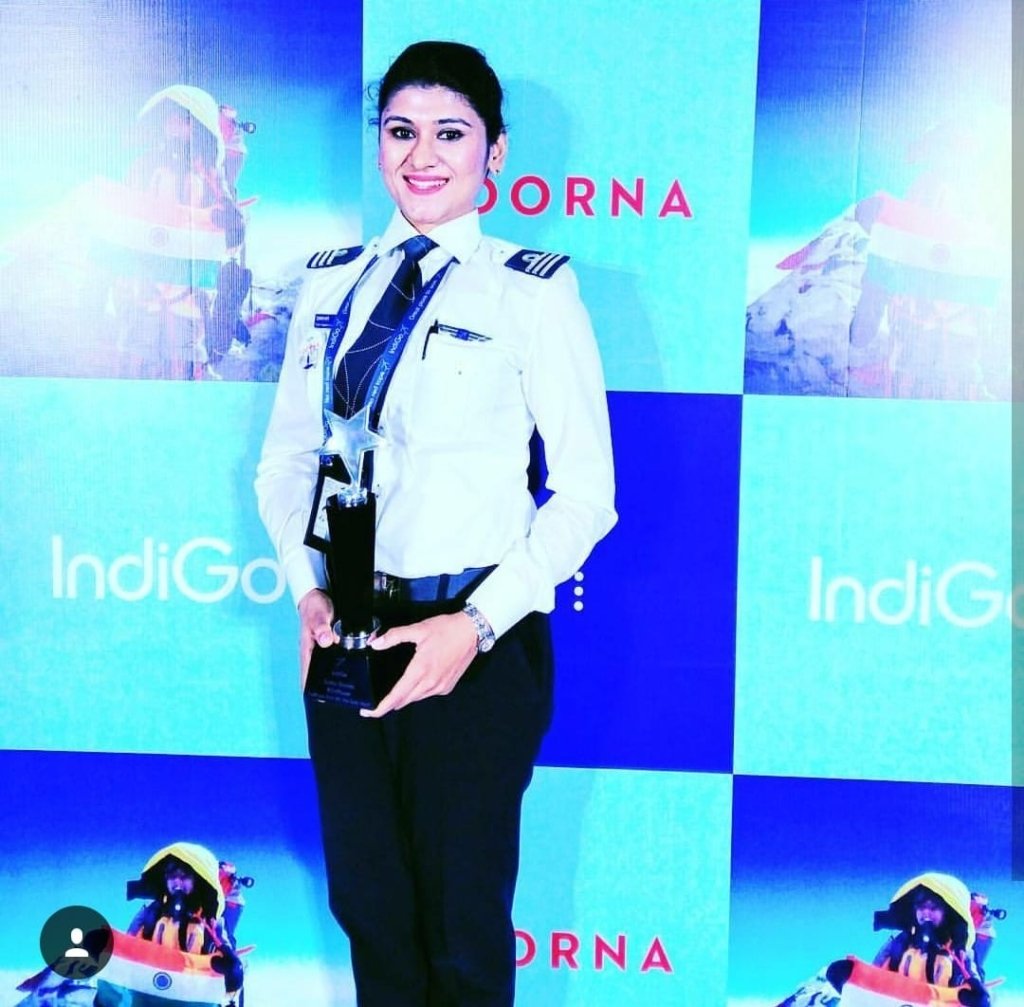
There are moments when passengers seem surprised to hear a female voice making announcements from the cockpit. There are times when people ask, “So when will you become a captain?” without realizing you may already hold that responsibility.
Sometimes it is simply the quiet pressure to prove yourself again and again, even when you have already earned your place.
These moments do not define the profession, but they are part of the journey for many women pilots. And yet they are also reminders of how far aviation has come.
Every year, more women enter the industry as pilots, instructors, engineers, air traffic controllers, and aviation leaders. Each one contributes to shifting perceptions that once seemed permanent.
Progress in aviation, like flight itself, often happens gradually—but once it begins, it gathers momentum.
Life Above the Clouds
Despite the challenges, there are moments in aviation that make every obstacle worthwhile. There is the quiet thrill of lining up on a runway just before takeoff, the engines humming with restrained power as the aircraft prepares to surge forward.
There is the breathtaking sight of sunrise from 35,000 feet, when the sky transforms into a canvas of gold and crimson long before the world below wakes up. There is the responsibility of guiding hundreds of passengers safely across continents, knowing that their journeys—vacations, reunions, new beginnings—depend on the crew in the cockpit.
Flying is not simply a profession. It is a commitment to precision, teamwork, and constant learning.
It also requires personal sacrifice. Pilots work irregular schedules that include early mornings, overnight flights, and long periods away from home. Holidays are sometimes spent in unfamiliar cities rather than with family.
For women, balancing these demands can occasionally bring additional expectations from society, which often assumes that women must carry a greater share of family responsibilities.
Yet many women in aviation are proving that passion and balance are not mutually exclusive. With supportive families, understanding colleagues, and evolving workplace cultures, it is increasingly possible to build both a fulfilling career and a meaningful personal life.
The Power of Representation
One of the most rewarding aspects of being a woman pilot is the opportunity to inspire others.
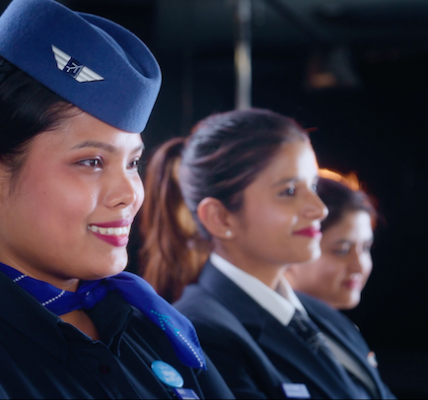
Every time a young girl walks through the aircraft door and hears a female voice from the cockpit, something shifts in her perception of what is possible.
Sometimes parents bring their daughters forward to meet the pilots after landing. The questions are often simple but powerful.
“Do girls fly planes too?”
“How did you become a pilot?”
“Can I do this one day?”
The answer is always the same. Yes, you can.
Representation matters in ways that statistics alone cannot capture. Seeing someone who looks like you succeed in a role can transform a distant dream into a tangible goal.
A Sky Without Limits
The aviation industry still has work to do to achieve full gender balance. Women remain a minority among commercial pilots worldwide, and many professionals still encounter assumptions about leadership and capability.
But the trajectory is changing.
Training programs, mentorship initiatives, Crew Resource Management initiatives, and aviation organisations across the world are working to encourage more women to pursue careers in flight and to make the profession more inclusive.
Every new pilot who enters the cockpit helps redefine what the profession looks like. And perhaps the most beautiful truth about aviation is that the sky itself has never imposed limitations.
At altitude, above the clouds, there are no stereotypes or expectations. There are only instruments, procedures, teamwork, and the shared goal of bringing passengers safely to their destination.
The sky does not ask whether the hands guiding the aircraft belong to a man or a woman.
It simply asks: Are you ready to fly?
For the Next Generation of Aviators
This Women’s Day, I think about the young girls who still pause to watch airplanes cross the sky—just as I once did.
Somewhere among them are future captains, aviation trainers, engineers, air traffic controllers, and aerospace innovators. Their journeys may include challenges. They may encounter doubts, questions, or moments of uncertainty. But dreams have a remarkable ability to endure.
If you are willing to work hard, remain curious, and believe in your own potential, the path will eventually open. Because the sky was never meant to be a boundary. It was always meant to be an invitation.
And for every woman who chooses to answer that call, the horizon grows wider—not just for herself, but for all those who will follow.
Also Read: India’s Pilot-Training Crunch: The Quiet Crisis Behind the Aviation Boom