









Airports in Washington State: Aviation Infrastructure, Operations, and Regional Connectivity

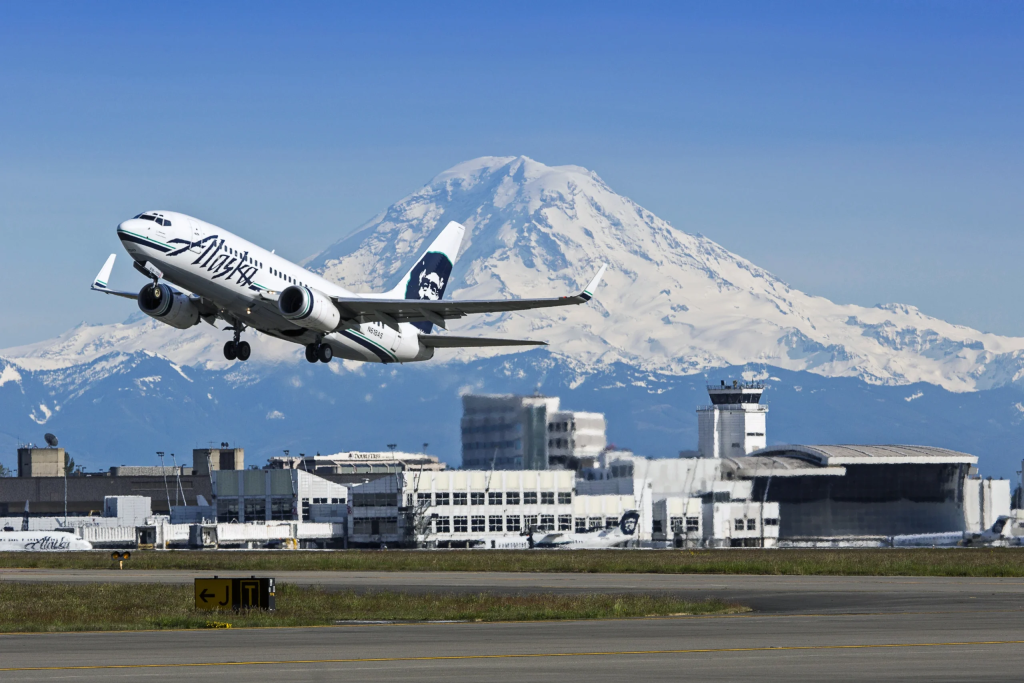
- Seattle-Tacoma Is the State’s Global Aviation Hub
Seattle-Tacoma International Airport (SEA) is Washington’s largest airport and a major U.S. West Coast gateway, supporting strong transpacific routes, high domestic traffic, and significant cargo activity. - Aerospace & Industrial Aviation Play a Major Role
Boeing Field (BFI) and Paine Field (PAE) are deeply integrated with Washington’s aerospace sector, supporting aircraft manufacturing, testing, cargo, and business aviation operations. - Regional Airports Strengthen Statewide Connectivity
Airports like Spokane International Airport (GEG) and Tri-Cities Airport (PSC) ensure regional passenger access, cargo distribution, and economic support across eastern and southeastern Washington. ✈️
Airports in Washington State
Washington State has one of the most strategically important aviation networks in the United States. Home to major aerospace manufacturing, strong international trade links, and significant cargo operations, Washington’s airports support passenger travel, freight movement, military activity, and regional connectivity across the Pacific Northwest.
This article provides a balanced overview of airports in Washington State, focusing on aviation operations, infrastructure, and economic importance rather than tourism.
Overview of Washington State’s Airport System
Washington State has 130+ public-use airports, ranging from large international hubs to small regional and general aviation fields. These airports are managed by a mix of:
- Port authorities
- Municipal governments
- Regional airport commissions
Key characteristics of Washington’s aviation environment include:
- Strong transpacific connectivity
- High cargo and freight volumes
- Dense regional and commuter aviation
- Integration with aerospace and defense industries
Seattle-Tacoma International Airport (SEA) – Primary International Hub
Airport Code: SEA
Location: SeaTac (Seattle metropolitan area)
Seattle-Tacoma International Airport is the largest and busiest airport in Washington State and one of the leading international gateways on the U.S. West Coast.
Operational Role
SEA functions as:
- A major hub for Alaska Airlines
- A key transpacific gateway to Asia
- A high-volume domestic connector
The airport supports a mix of widebody and narrowbody aircraft, with long-haul international routes alongside high-frequency domestic services.
Aviation Importance
- High daily aircraft movements
- Significant belly-hold cargo activity
- Advanced air traffic coordination due to complex regional airspace
SEA plays a central role in connecting the Pacific Northwest to global markets.
Spokane International Airport (GEG) – Eastern Washington Hub
Airport Code: GEG
Location: Spokane
Spokane International Airport is the primary commercial airport for eastern Washington and neighboring regions of Idaho and Montana.
Operational Characteristics
- Domestic passenger connectivity
- Military and civilian shared airspace
- Cargo and charter operations
GEG supports both commercial and military aviation activity, adding operational diversity and regional resilience.
Boeing Field / King County International Airport (BFI) – Aviation and Cargo Specialist
Airport Code: BFI
Location: Seattle
Boeing Field is a key general aviation, cargo, and industrial aviation airport.
Aviation Role
- Cargo and charter operations
- Business and corporate aviation
- Aerospace testing and support flights
BFI’s proximity to Seattle makes it strategically valuable for non-commercial airline operations.
Paine Field (PAE) – Mixed Commercial and Aerospace Operations
Airport Code: PAE
Location: Everett
Paine Field has gained importance due to its dual role in:
- Limited commercial passenger service
- Major aerospace manufacturing and testing
Key Functions
- Commercial flights on selected routes
- Aircraft production and delivery support
- Test and certification operations
PAE is closely linked to Washington’s aerospace industry.
Tri-Cities Airport (PSC) – Regional and Industrial Connectivity
Airport Code: PSC
Location: Pasco
Tri-Cities Airport serves southeastern Washington and supports:
- Regional passenger traffic
- Industrial and scientific community travel
- Cargo and charter operations
PSC contributes to statewide aviation balance by supporting regional economic activity.
Yakima Air Terminal (YKM) – Regional Access Airport
Airport Code: YKM
Location: Yakima
Yakima Air Terminal focuses on:
- Regional passenger services
- Agricultural and business connectivity
- General aviation activity
It plays a supporting role in Washington’s distributed airport system.
Cargo and Logistics Aviation in Washington State
Cargo aviation is a major component of Washington’s airport operations, driven by:
- International trade
- E-commerce growth
- Time-sensitive manufacturing supply chains
Key cargo airports include:
- Seattle-Tacoma International Airport
- Boeing Field
- Spokane International Airport
Cargo operations often occur during off-peak hours to maximize airspace efficiency.
Regional and General Aviation Airports
Washington State has a strong general aviation network supporting:
- Flight training
- Medical evacuation flights
- Firefighting and emergency response
- Corporate and private aviation
Smaller airports provide essential connectivity to rural and remote communities, particularly in mountainous and coastal areas.
Operational Challenges in Washington Aviation
Airports in Washington face several operational challenges:
- Weather variability (fog, snow, wind)
- Environmental and noise regulations
- Airspace congestion near Seattle
Despite these challenges, advanced planning and modern infrastructure help maintain reliable operations.
Future Outlook for Washington State Airports
Future airport development focuses on:
- Terminal and runway upgrades
- Sustainability and emissions reduction
- Improved cargo handling efficiency
- Enhanced regional connectivity
Rather than rapid expansion, planning emphasizes capacity optimization and operational resilience.
Conclusion
Airports in Washington State form a complex and highly integrated aviation network supporting passenger travel, global trade, and aerospace innovation. From Seattle-Tacoma International Airport’s global hub operations to regional and industrial airports across the state, each facility plays a defined role in maintaining connectivity and economic stability.
Washington’s airports are not just transportation nodes—they are strategic assets that support commerce, manufacturing, defense, and regional development across the Pacific Northwest.

Ajeet Yadav is an aviation enthusiast covering airline news, airports, aircraft, and industry developments through well-researched and reliable reporting.