
















How the Airports Authority of India is Expanding Aviation Infrastructure


As aircraft orders rise and regional routes expand, the focus in India’s aviation system is moving beyond terminal capacity to broader network readiness. Airspace management, ATC training, cargo infrastructure, and the revival of smaller airstrips are becoming as critical as passenger terminals. The Airports Authority of India (AAI), which oversees both airport infrastructure and air navigation services, is scaling automation investments, expanding training capacity, and advancing a mix of greenfield and brownfield projects to support this growth. AAI has outlined a capital expenditure plan of ₹25,000 crore for the period from FY 2024-25 to FY 2028-29, alongside the evaluation of over 400 airstrips and capacity upgrades at major hubs and regional airports. In this interview, AAI Chairman Vipin Kumar discusses how these priorities are being structured to support long-term capacity.
India has announced 50 airport development projects over the next five years. How is AAI prioritising which airports get expansion first?
The Airports Authority of India adopts a strategic, data-driven approach to prioritising airport development. Our focus is on creating capacity where it is needed most, guided by passenger traffic trends, regional connectivity imperatives, and the economic potential of each location.
Airports serving high-growth corridors and those critical to the success of the UDAN scheme receive priority, ensuring inclusive connectivity across India. Additionally, strong collaboration with State Governments and timely availability of land are decisive factors in sequencing projects. This holistic framework enables us to balance national priorities with regional aspirations, driving sustainable growth in the aviation ecosystem.
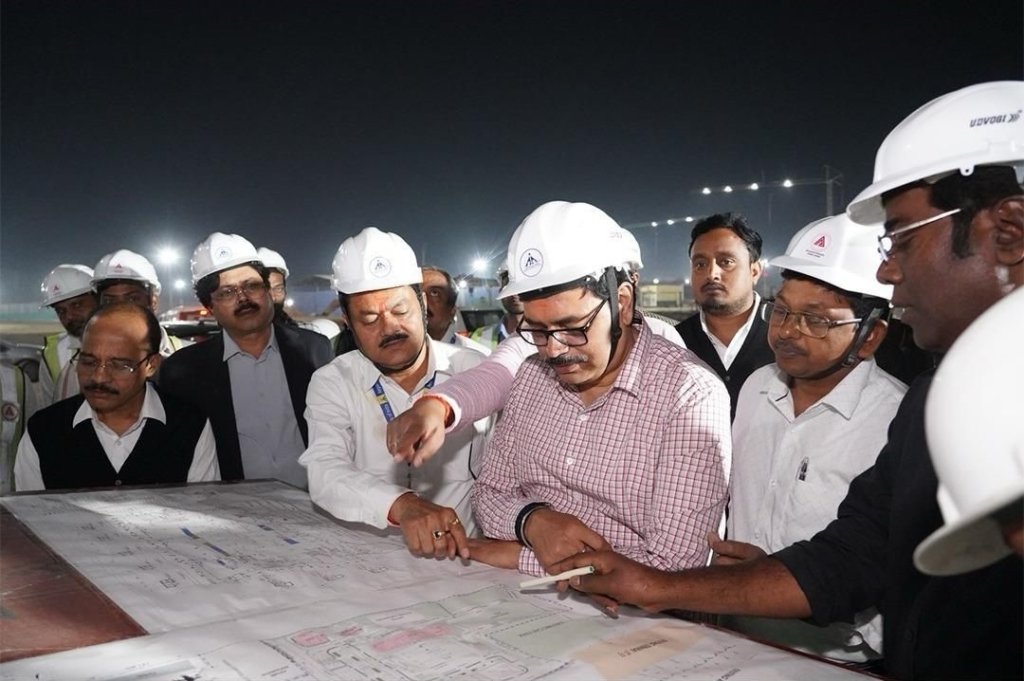
AAI is evaluating more than 400 existing airstrips and working out to convert the feasible ones out of them into operational airports and civil enclaves. These airstrips include sites owned by AAI, Defence and State Governments aiming to unlock untapped potential and significantly expand India’s aviation network.
Beyond metros, which tier-2 and tier-3 airports are scheduled for major upgrades under AAI’s current plan?
AAI’s development roadmap extends well beyond metro cities, with significant upgrades planned for tier-2 and tier-3 airports to strengthen regional connectivity and support the growing demand for air travel.
Several airports are already undergoing expansion, while many more are in the pipeline. Notable examples include Varanasi, Bagdogra, Jodhpur, Udaipur, Kadapa, Rajahmundry, Hubballi, Belagavi, Darbhanga, Leh, Jammu, Agra, Goa, Keshod, Coimbatore, and Pantnagar, among others.
How does AAI balance investment between new greenfield airports and brownfield upgrades at existing hubs?
AAI follows a dual strategy for airport development to meet India’s rapidly growing aviation demand. Greenfield airports are largely developed through Public Private Partnership (PPP) models to address high-capacity requirements, while brownfield airports are expanded through the modernisation of terminal and airside infrastructure and the deployment of smart technologies to enhance operational efficiency.
These brownfield projects are primarily funded through AAI’s internal resources. Supporting this approach, AAI has outlined a capital expenditure plan of ₹25,000 crore for the period from FY 2024-25 to FY 2028-29, strengthening India’s aviation infrastructure in anticipation of future demand.
What specific green practices are being embedded across airports and other infrastructure?
AAI is systematically embedding green practices across its airport infrastructure to advance national and global sustainability goals. It has set a target to achieve near carbon neutrality at its major airports by 2030 and plans to cover all its operational airports by 2040 in a phased manner, aligned with India’s net-zero commitment by 2050.

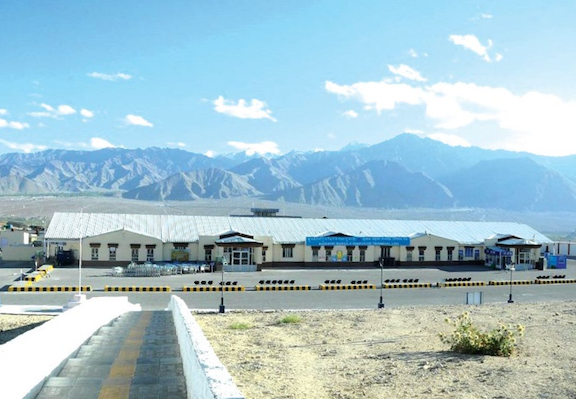
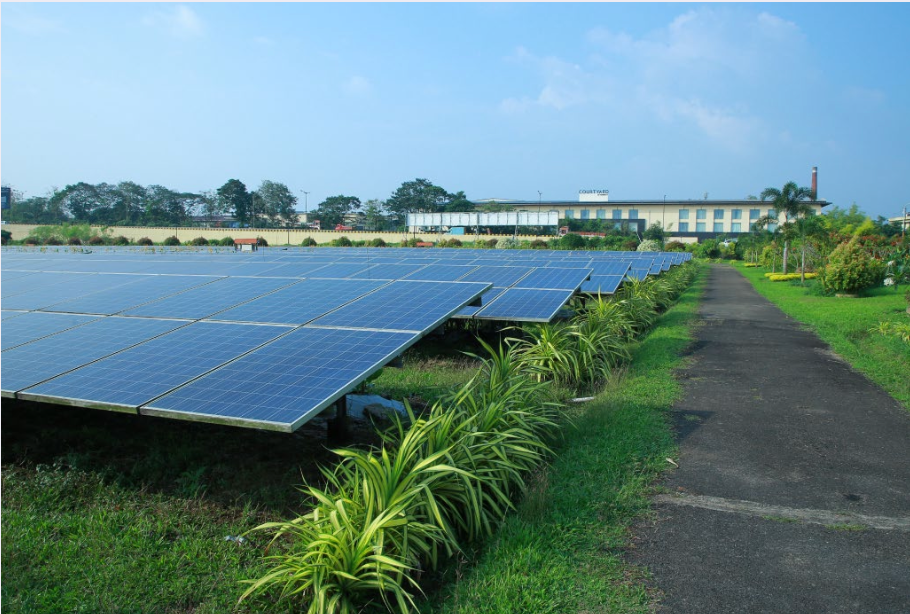
As of date, 93 AAI airports have transitioned to 100% green energy through the installation of on-site solar photovoltaic (PV) modules.
The installed solar PV capacity across AAI airports stands at 59.2 MW, with an additional around 13 MW under implementation.
AAI is also deploying rainwater-harvesting systems at over 50 airports and upgrading fuel farms to support drop-in Sustainable Aviation Fuel (SAF), in line with MoCA’s 5% blending target by 2030.
In infrastructure projects, AAI focuses on energy-efficient design and advanced technologies. Smart HVAC systems dynamically adjust temperatures based on occupancy, supported by sensor-based zoning and controlled ventilation during off-peak hours.
The green energy approach is not limited to electricity and water, as AAI is also using construction materials that generate less heat and promote energy efficiency.
Sustainable construction materials, such as reflective roofing, insulated glass, low-VOC paints, and energy-efficient tiles, limit heat ingress, reduce cooling loads, and stabilise indoor temperatures.
These measures collectively enhance passenger comfort, lower energy consumption, and reinforce AAI’s commitment to sustainable airport operations.
With pharma and e-commerce exports booming, how is AAI expanding cargo facilities at airports other than metro cities?
Recognising the surge in pharma and e-commerce exports, AAI is proactively expanding cargo infrastructure beyond metro hubs to unlock the potential of regional markets. Through its dedicated subsidiary, AAI Cargo Logistics & Allied Services Company Limited (AAICLAS), AAI is expanding cargo capacity in Tier-II and Tier-III cities by upgrading facilities, including cold storage, at airports such as Amritsar, Visakhapatnam, Bagdogra, Surat, Varanasi, Hirasar, Hollongi, Vijayawada, Darbhanga, Dehradun, and Jodhpur.
India’s air cargo sector has shown robust growth, handling 3.72 million metric tonnes in FY 2024-25, a 10.5% rise over the previous year. On a calendar basis, India recorded nearly 15% growth compared to the global average of 10%, positioning the country as the third-largest domestic and twelfth-largest international air cargo market, ranking sixth globally overall.
To sustain this trajectory and ensure balanced regional development, AAICLAS has established cargo facilities at 74 airports in the country, reinforcing regional connectivity and strengthening India’s air cargo network.
For Jewar and other upcoming airports, how is AAI balancing PPP concessions with its own operational oversight?
AAI ensures a balanced and robust framework for upcoming airports like Jewar and Bhogapuram by harmonising PPP concessions with its own operational oversight. Under this model, private operators manage day-to-day operations and undertake infrastructure investments, bringing efficiency and innovation to airport development.
At the same time, AAI retains a critical advisory role and oversees civil airspace management, safety compliance, and regulatory standards. This approach combines the agility of private enterprise with AAI’s governance and expertise, delivering world-class infrastructure while safeguarding national interests.
With 200 airports targeted by 2040, how is AAI scaling training for ATC, ground staff, and operational managers?
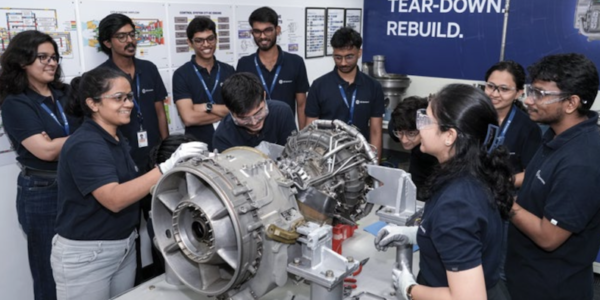
In line with the Hon’ble Prime Minister’s Viksit Bharat Vision of over 350 airports by 2047, AAI is aggressively scaling its training ecosystem to meet the demands of India’s aviation growth. Our training academies at Prayagraj, Hyderabad, and Gondia are being expanded and equipped with advanced simulation-based platforms and globally benchmarked skill development programs. These initiatives cover critical areas such as air traffic control, airport operations, and emergency response management to build a future-ready workforce.
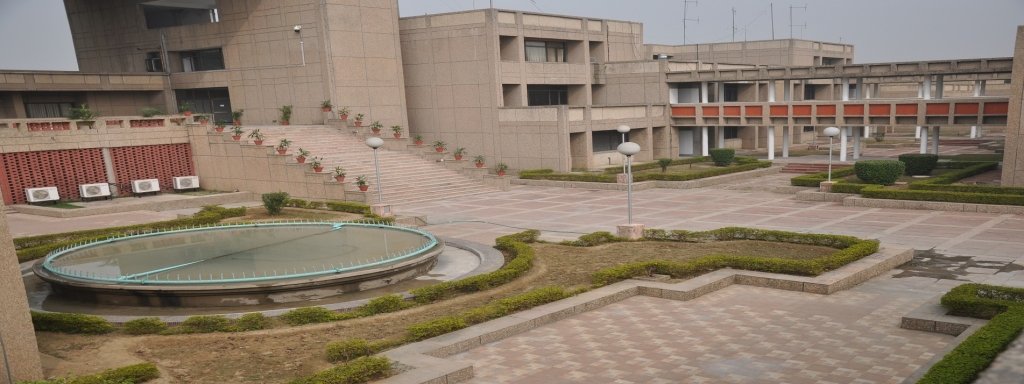
Under Phase 2 at the Civil Aviation Training College (CATC), capacity will significantly increase, up to 480 trainees for procedural training and 120 for surveillance training per course. To support this scale, the requirement for Air Traffic Management (ATC) manpower, including instructors and pseudo-pilots, is projected to rise to 360 personnel. This comprehensive approach ensures that AAI not only meets operational needs but also sets new standards for aviation training excellence.
Does AAI foresee expansion projects remain metro-centric, or more evenly distributed across states like Uttar Pradesh, Tamil Nadu, and the Northeast?
AAI’s expansion strategy is designed to achieve regional balance while supporting the growth of metro airports. While major metro hubs will continue to see significant capacity enhancements and investments, AAI is equally focused on strengthening tier-2 and tier-3 airports and reviving airstrips under the UDAN scheme. This approach is central to building a robust hub-and-spoke model that ensures efficient network connectivity across the country.
Importantly, AAI is planning substantial investments across all States and Union Territories, including Uttar Pradesh, Tamil Nadu, and the North Eastern Region. These projects aim to boost tourism, accelerate industrial growth, and enhance regional connectivity, ensuring that India’s aviation expansion is inclusive and future ready.
How do upcoming Indian airports compare with global mega-airports in terms of passenger capacity, sustainability, and digital innovation?
AAI is committed to ensuring that India’s upcoming airports stand shoulder-to-shoulder with global mega-airports in terms of capacity, sustainability, and technological innovation. For instance, new greenfield projects such as Navi Mumbai and Jewar are being developed to world-class standards, with passenger capacities of up to 90 million and 70 million, respectively. These airports will feature LEED-certified green terminals, energy-efficient designs, and advanced sustainability measures.
On the technology front, AAI is driving digital transformation through smart solutions like biometric boarding, AI-powered traffic management, and IoT-based monitoring systems.
A prime example is DigiYatra, which leverages biometric authentication to provide passengers with safe and seamless access to terminal buildings.
These innovations will be integral to all upcoming greenfield airports and major brownfield expansions, ensuring that India’s aviation infrastructure is future-ready and globally competitive.

With UDAN driving regional connectivity, how is AAI ensuring infrastructure readiness in smaller cities?
The existing UDAN has already operationalised more than 90 aerodromes in the country, and many are under development.
Under the Modified UDAN framework, AAI is prioritising the development of new airports and heliports through a tailored framework in close coordination with States and Union Territories, focusing on high-potential locations for rational and timely development.
This strategic approach guarantees that regional connectivity is backed by robust infrastructure where it matters most.
How is AAI leveraging biometrics, AI, and innovative technologies to enhance passenger experience and operational efficiency?
AAI is leveraging cutting-edge technologies to transform passenger experience and operational efficiency across its airports. The DigiYatra biometric boarding system, already implemented at 14 AAI airports, has facilitated seamless travel for over crores of passengers.
In addition, advanced air traffic flow management and predictive maintenance solutions are being deployed nationwide to optimise operations, reduce delays, and enhance safety. These innovations reflect AAI’s commitment to delivering a smarter, faster, and more passenger-centric aviation ecosystem.
Looking ahead, how central is AAI’s role in shaping India’s aviation infrastructure and global competitiveness?
As the world’s third-largest aviation market, India is expected to retain the position well beyond 2035. AAI will remain central to shaping the country’s aviation infrastructure and global competitiveness. In its leading role in developing and maintaining India’s airport and airspace infrastructure, AAI is driving ambitious expansion plans to meet rapidly growing air travel demand, with a strong focus on regional connectivity and sustainability.
By fast-tracking greenfield airports, strengthening connectivity under the Modified UDAN scheme, advancing green airport initiatives, and driving digital transformation across airports and Air Navigation Services (ANS), AAI, in collaboration with private partners, will deliver seamless, passenger-centric experiences while positioning India as a sustainable and globally competitive global aviation hub.
In coming years, airspace management is also going to be very crucial for the development of aviation sector and will be of topmost importance. AAI has prepared a comprehensive vision plan to equip all ATC towers and technical blocks, including those at private and PPP airports, with globally advanced automation systems by 2028, alongside training ATC Operators on cutting-edge technologies.
Under this plan, nearly ₹15,000 crore has been earmarked to modernise Air Navigation Services through upgraded ATC towers, digital tower technologies, and advanced CNS/ATM systems, ensuring enhanced safety, efficiency, and positioning AAI as a leading regional ANS provider aligned with global best practices.
How is AAI contributing to skill development and employment generation in tier-2 and tier-3 cities through airport expansion?
AAI is driving skill development and employment generation in tier-2 and tier-3 cities by expanding airport infrastructure and creating opportunities across operations, cargo, ground handling, hospitality, logistics, and retail. Initiatives like AAI-AVSAR (Airport as Venue for Skilled Artisans of the Region) empower local artisans and self-help groups, ensuring inclusive regional growth while each airport acts as a catalyst for investment and connectivity.
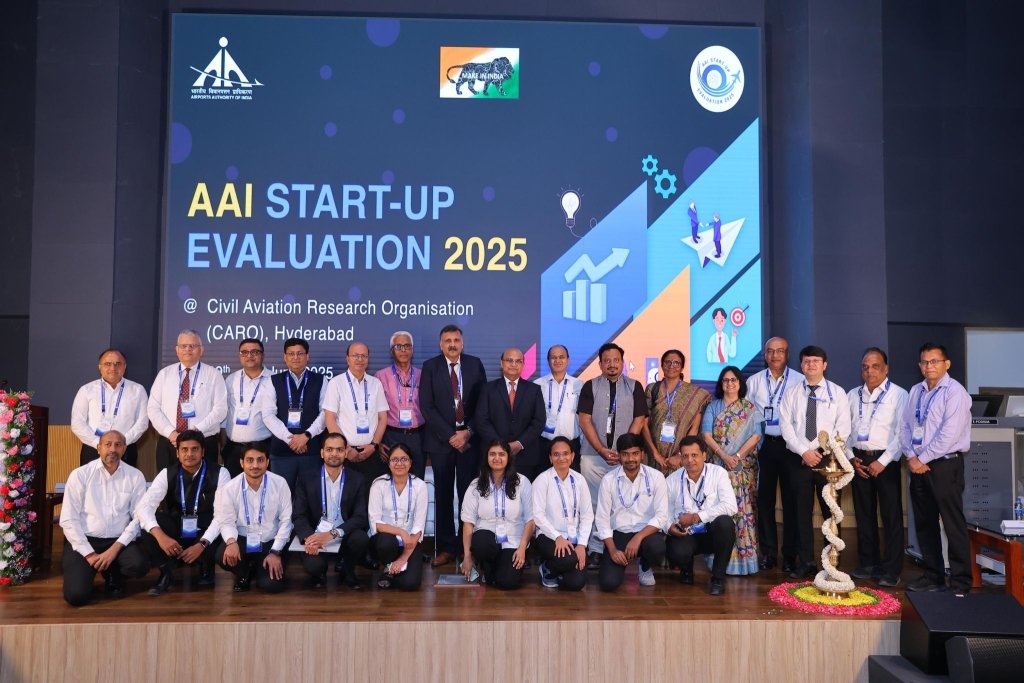
Additionally, AAI’s Startup Policy 2024 accelerates indigenous solutions for airport operations, such as smart docking systems, airside analytics, and digital NOTAM (Notice to Airmen), aligning with Atmanirbhar Bharat and enabling pilot projects to scale. A notable milestone was India’s first indigenously developed ATMAS (Air Traffic Management Automation System) at Bhubaneswar Airport, showcasing AAI’s commitment to innovation and self-reliance.
Also Read: Bhogapuram International Airport Takes Shape as North Andhra’s Gateway to Global Connectivity