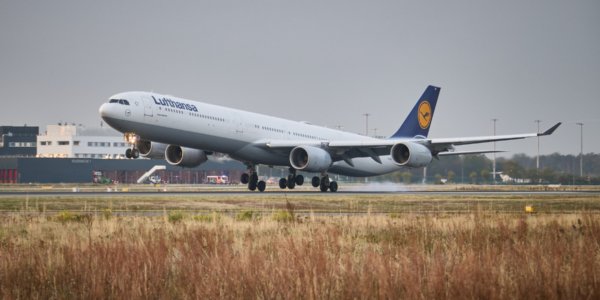
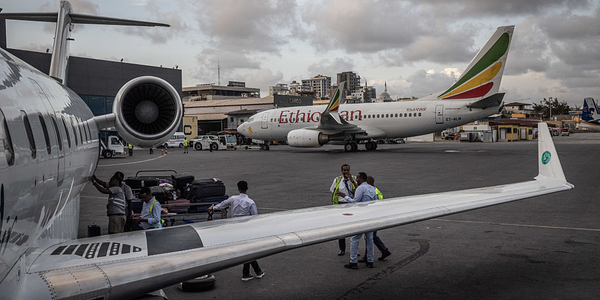
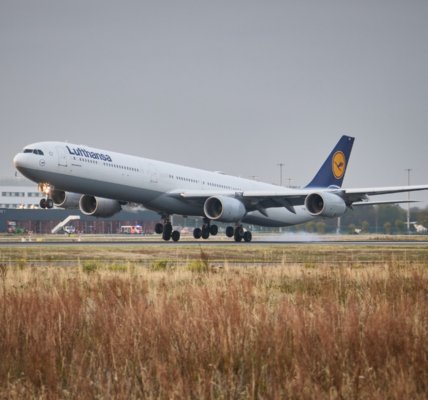
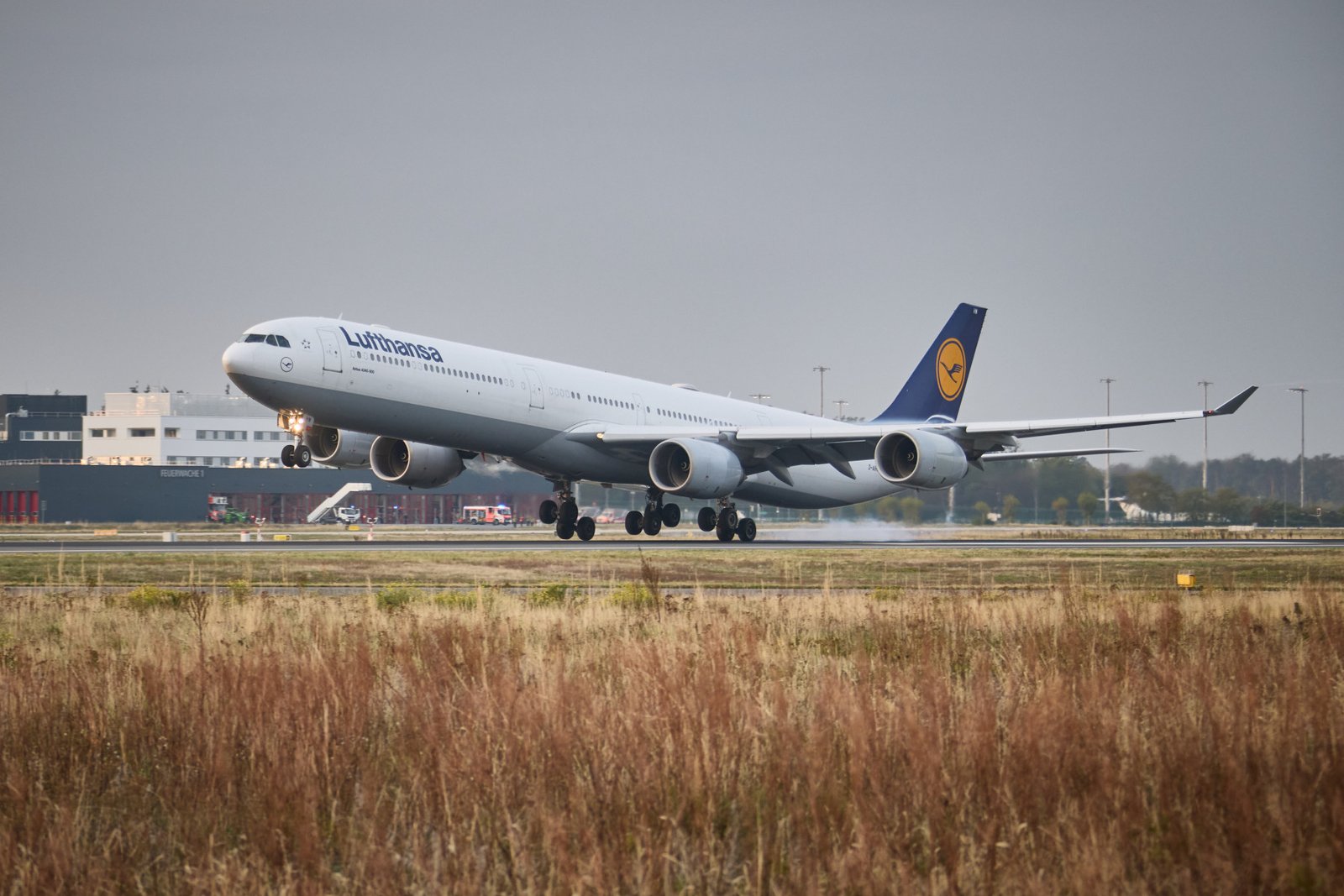
On October 19, Lufthansa brought the curtain down on 23 years of Airbus A340-600 operations, with flight LH419 from Washington, D.C., making its final scheduled commercial journey before landing at Frankfurt Airport. The aircraft, registered D-AIHW, touched down after eight…
Gulf Air Group has been awarded the prestigious Great Place To Work®️ Certification™️, a globally recognized benchmark of workplace excellence based entirely on employee feedback. The 81% participation rate among Group employees in the survey reflected the high level of…
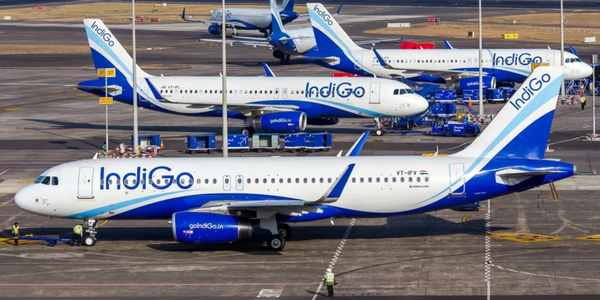
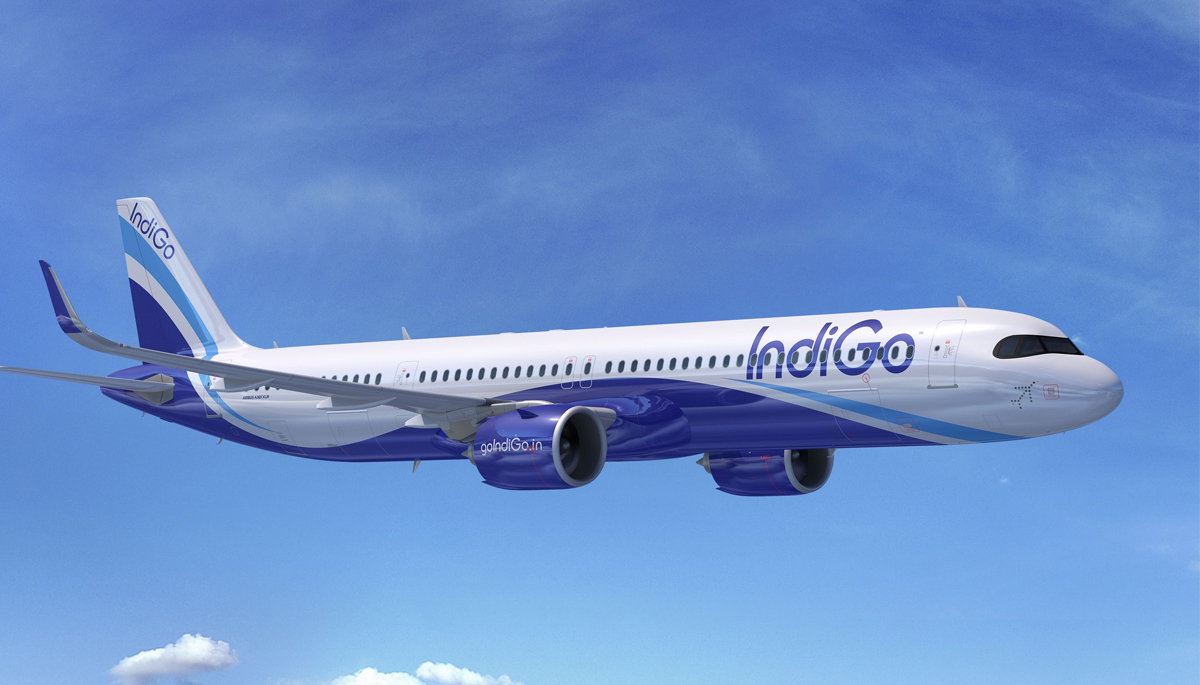
IndiGo News IndiGo is starting a new direct flight between Mumbai and Dar es Salaam in Tanzania. With this route, IndiGo will become the only Indian airline to operate direct flights between the two cities. The flight from Mumbai to…
Airline News Air India and Air India Express have extended the suspension of their flights to several cities in Saudi Arabia. The decision was taken because of the changing security situation in the region. IndiGo and Akasa Air have also…
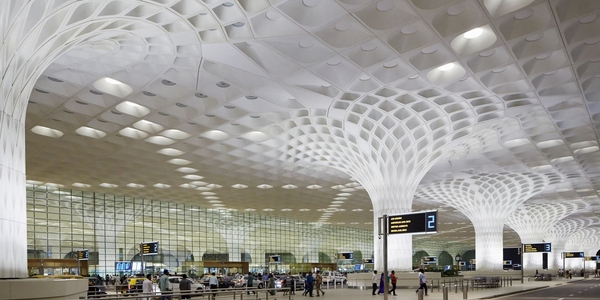
Mumbai Airport News The disagreement between Mumbai International Airport Ltd (MIAL) and airlines over cutting capacity at Terminal 2 (T2) has returned. Airlines have raised fresh concerns after a meeting on 13 October that was meant to ease tensions. At…
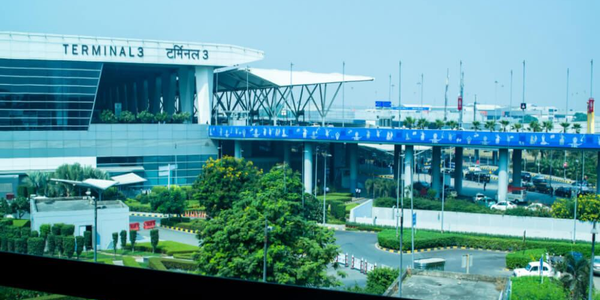
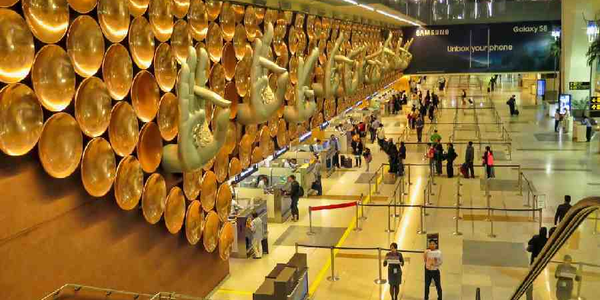
Delhi Airport News Customs officers at Delhi’s Indira Gandhi International Airport seized gold rods weighing 3.2 kg from a passenger arriving from Dubai. The gold is worth about Rs 4.03 crore. An official statement shared the news on Monday, 19…
Delhi Airport News An Emirates flight from Delhi to Dubai was delayed on Friday, 16 October 2026, after a bird strike affected its departure. The incident took place at Delhi airport and caused a disruption to the flight schedule. The…
Two missiles struck the premises of Aden International Airport in southern Yemen, while a Saudi-led coalition intercepted a ballistic missile heading towards Yanbu, Saudi Arabia. The missiles landed inside the airport grounds, raising security concerns around the facility. A Yemenia…
Gulfstream Aerospace Corp. today announced advancements in Gulfstream Customer Support’s Performance Analytics program, expanding its ability to turn aircraft data-driven insights into actions that further support maintenance planning and aircraft availability across the fleet. The resulting guidance helps customers optimize…
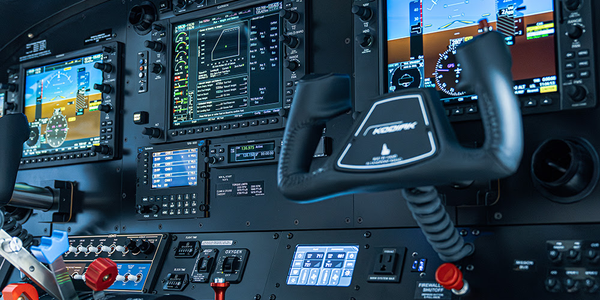
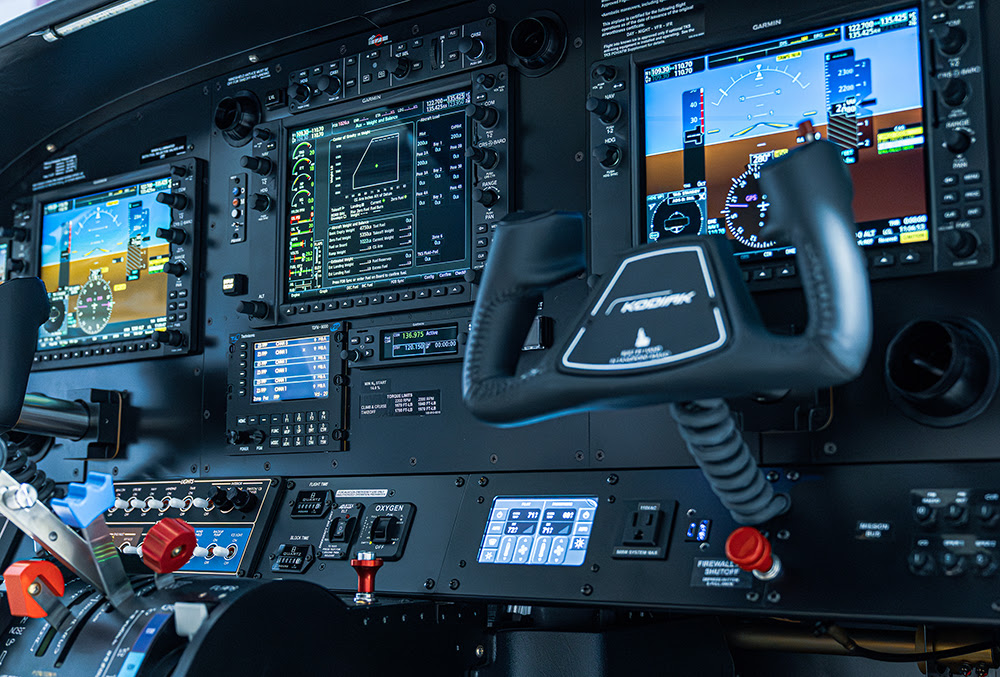
Daher Aircraft is reinforcing its presence in the multi-mission aviation market by stepping up the integration of specialized systems for operators of Kodiak 100s and Kodiak 900s. The company is underscoring these enhanced integration capabilities during this week’s NBAA Business…
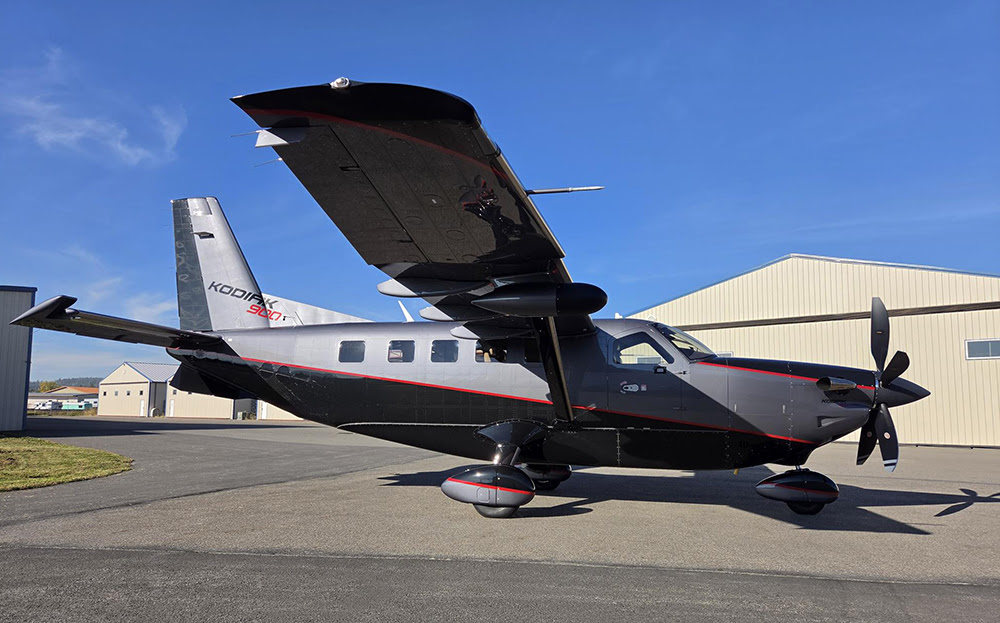
Daher Aircraft has announced the delivery of a Kodiak 900 to Swiss owners Roland and Claudia Primus, who plan to use the aircraft for adventure flying to remote airfields. Their activities include mountain biking in the Alps and Pyrenees, surfing…
Gulfstream Aerospace Corp. today announced continued strategic investments in its global materials network, expanding spare parts inventory, distribution capabilities, and repair and overhaul operations to support the growing Gulfstream fleet. Gulfstream’s dedicated spare parts inventory has grown significantly and now…
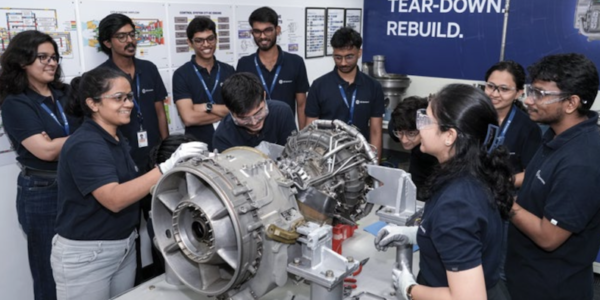
India’s aerospace manufacturing industry has expanded its role in the global supply chain, with domestic companies progressing from relatively simple parts to precision-engineered components used in commercial aircraft engines. This development has required investment in specialised manufacturing processes, quality systems,…
Bharat Forge Ltd. (BFL), a global leader in advanced forging and precision engineering, has secured a long-term contract with Pratt & Whitney Canada, a world-renowned aerospace engine manufacturer, for the supply of mission-critical aerospace engine components. The components will be…
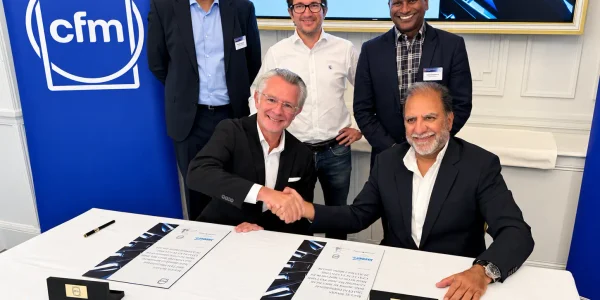
Jazeera Airways has selected CFM International LEAP-1A engines to power nine additional A320neo aircraft. In addition, Jazeera Airways and CFM have expanded the scope of their existing engine services agreement, which now covers the airline’s current and future fleet of…
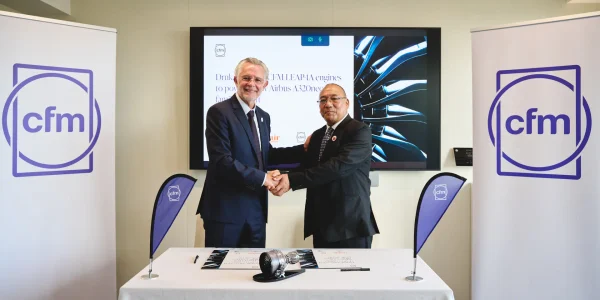
Drukair, Royal Bhutan Airlines, the national flag carrier of the Kingdom of Bhutan, announced today its selection of CFM International’s LEAP-1A engines to power five Airbus A320neo family aircraft. The order consists of three A320neo and two A321XLR aircraft, which…
Gulfstream Aerospace Corp. today announced continued strategic investments in its global materials network, expanding spare parts inventory, distribution capabilities, and repair and overhaul operations to support the growing Gulfstream fleet. Gulfstream’s dedicated spare parts inventory has grown significantly and now…
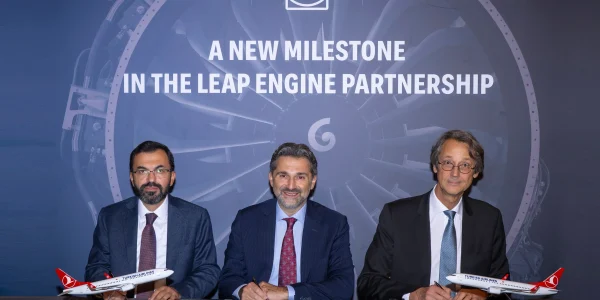
Turkish Airlines and CFM International today signed a Memorandum of Understanding (MoU) for the purchase of more than 300 LEAP-1B engines, including spares, to power 100 firm and 50 option Boeing 737 MAX aircraft announced in September 23. The long-term…
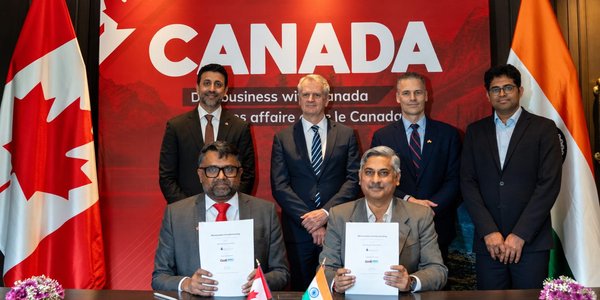
GMR Aero Technic, a leading aircraft maintenance, repair and overhaul (MRO) company, has signed a Memorandum of Understanding (MoU) with Corporation Logic Air Inc., a Canada-based aircraft modification, certification and maintenance organization, to collaborate on aircraft modification, engineering, certification and…
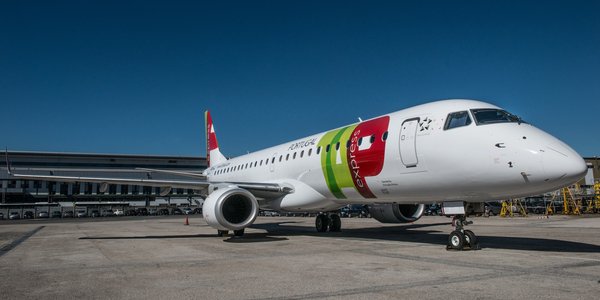
Embraer and Portugália Airlines, a TAP Group company, operating under the TAP Express brand have signed a Component Pool Program agreement to support the 19 E-Jets fleet operating regional routes. Embraer’s Pool Program will deliver comprehensive component support for twelve…
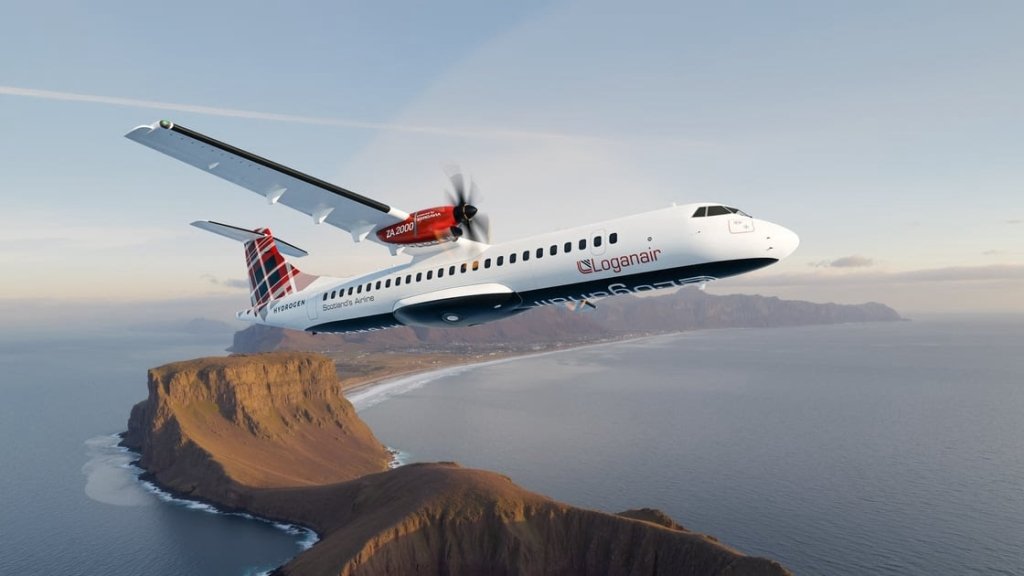
ZeroAvia today announced that it has signed a Memorandum of Understanding (MOU) with Loganair to work towards potential adoption of hydrogen-electric engines to support zero-emission flights.
ZeroAvia is advancing certification of a 600kW hydrogen-electric powertrain for 10-20 seat aircraft with the UK’s CAA. Targeting the Cessna Caravan as the launch airframe, ZeroAvia intends to obtain additional supplemental type certificates (STCs) for other aircraft in this category, including the Twin Otter a popular airframe operated by Loganair to serve communities in the Scottish Highlands & Islands.
ZeroAvia is concurrently developing the modular ZA2000 engine for 40-80 seat aircraft such as the ATR family of aircraft, with Loganair currently operating more than 20 of these airframes.
Hydrogen-electric engines use hydrogen in fuel cells to generate electricity to power electric motors that turn propulsors, with the only byproduct being water. With regional turboprop aircraft operating below typical contrail formation, the in-flight emissions impact is effectively zero.
Importantly, these novel engines promise cost reductions for airlines. The substantially lower maintenance needs of hydrogen-electric engines will mean a decrease in maintenance and downtime for an airline’s fleet, with hydrogen fuel also projected to be significantly more cost effective than kerosene over time.
Today’s agreement cements some of ZeroAvia’s growing ties in Scotland. ZeroAvia has been in a longstanding partnership to explore airport hydrogen fuel infrastructure with Glasgow Airport and recently announced plans alongside the First Minister of Scotland to establish its hydrogen fuel cell manufacturing centre close to the airport and Loganair’s headquarters.
Val Miftakhov, Founder and CEO, ZeroAvia, said: “It is hard not to be impressed by Luke and team’s dedication and passion for delivering crucial connectivity to its customers. Loganair’s route network lends itself very well to adoption of both our ZA600 and ZA2000 engine technology post certification, so hopefully this can be the start of a long-lasting customer relationship for ZeroAvia, and cleaner transport for passengers in Scotland and the UK.”
Luke Farajallah, CEO, Loganair, said: “The recent commitments made by ZeroAvia to bring their hydrogen fuel-cell manufacturing centre to Glasgow, and the strong engagement between our senior teams, has made this next step entirely possible and logical. The future of sustainable flight will rely on companies like ZeroAvia and Loganair to be the pioneers of new technology, and we see the work being undertaken by Val and the team as being incredibly inspiring and realistic when set against our own work and ambitious targets in this space. We truly believe the Loganair fleet and network to be the perfect airline/geography combination when considering the ZeroAvia product suite and we look forward to working together to provide a greener future.”
Ajeet Yadav is an aviation enthusiast covering airline news, airports, aircraft, and industry developments through well-researched and reliable reporting.