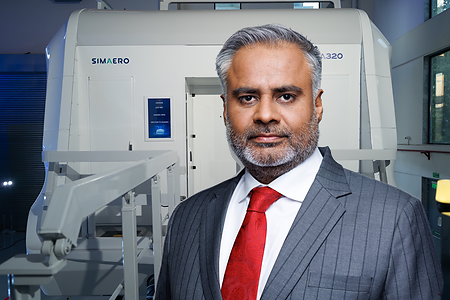




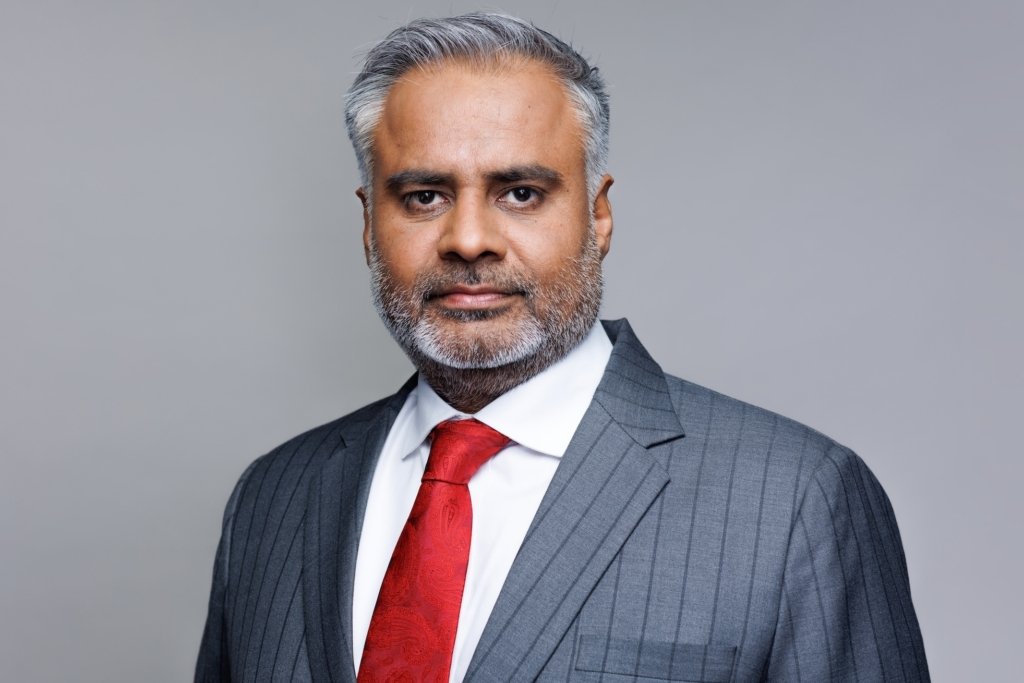
India’s aviation sector is expanding steadily, with rising passenger demand and a growing need for commercial pilots. Addressing this growth, global pilot training provider Simaero has established a strategic footprint in the country with a new simulator centre in Gurugram, while laying out long-term plans to build a regional training network. As airlines across the region scale up operations, accessible, modern simulator capacity has become critical to sustaining momentum. Simaero’s expansion reflects this shift, with Khushbeg Jattana, General Manager India at Simaero, pointing out that large order books create a direct demand to expand domestic pilot training facilities as airline fleets grow.
What is the current status of Simaero’s Gurugram centre, and what are your plans for expanding its capacity and the wider India network?
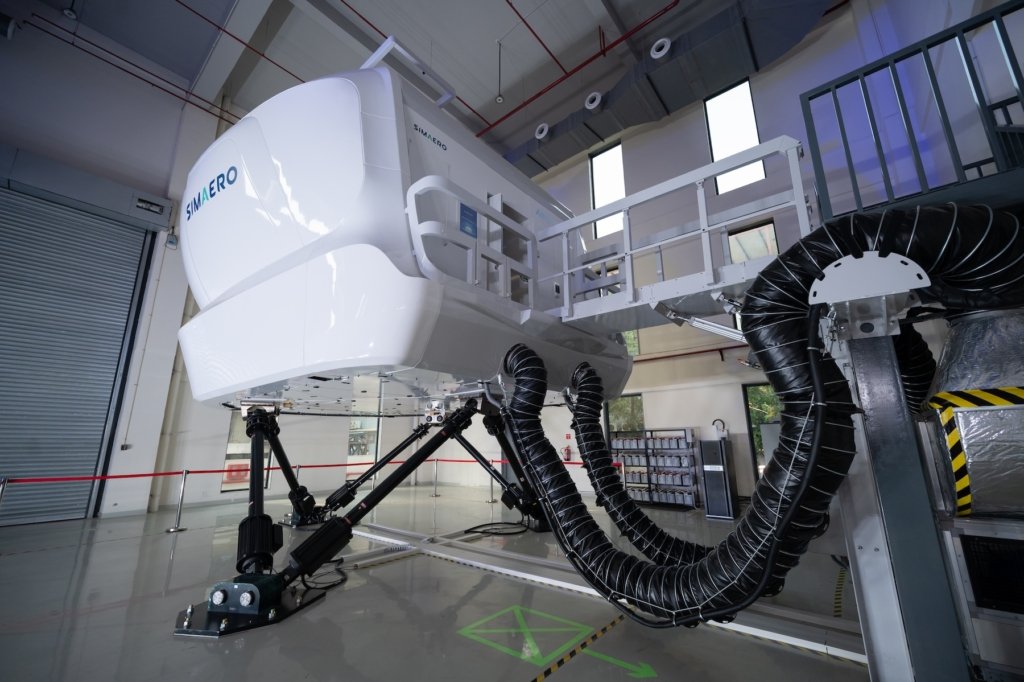
The facility and simulator are ready, and we are awaiting the DGCA’s final audit of both. We have completed the required preparations, and the DGCA team will inspect the site and the device. We have conveyed the urgency and hope the audit takes place soon.
While the approval process is underway, we have held positive discussions with the major Indian carriers. Airlines in Nepal, Bhutan, Central Asia and Uzbekistan have also shown interest in training in India.
The timing of the second device depends on that certification. . The training organisation is approved once, but every simulator requires separate certification before it can be used under that approval.
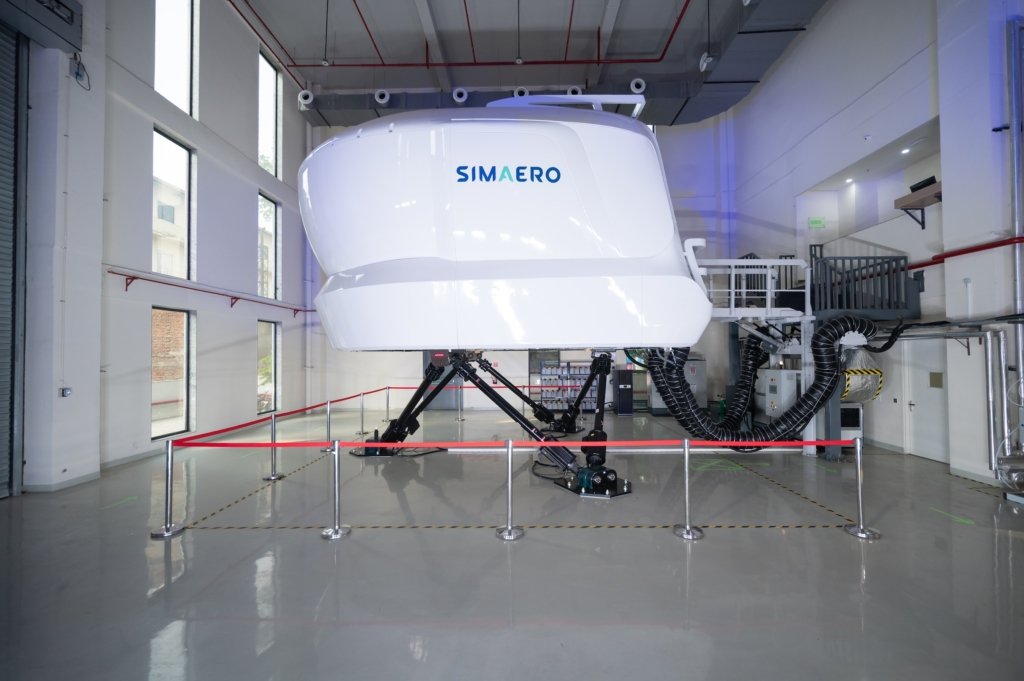
The second simulator forms part of a wider plan for the eight-bay Gurugram facility.
With one device installed, seven bays remain available, and we aim to fill them over the next five to seven years.
Once the first four simulators are operating and utilisation rises, we expect to consider another training centre in India.
We also want to serve other pilot hubs. Mumbai and Bengaluru are clear possibilities, while Kolkata does not currently have a simulator training centre. A three- or four-bay facility there could serve operators across eastern India.
What does Simaero’s global simulator network cover, and what determines future investment?
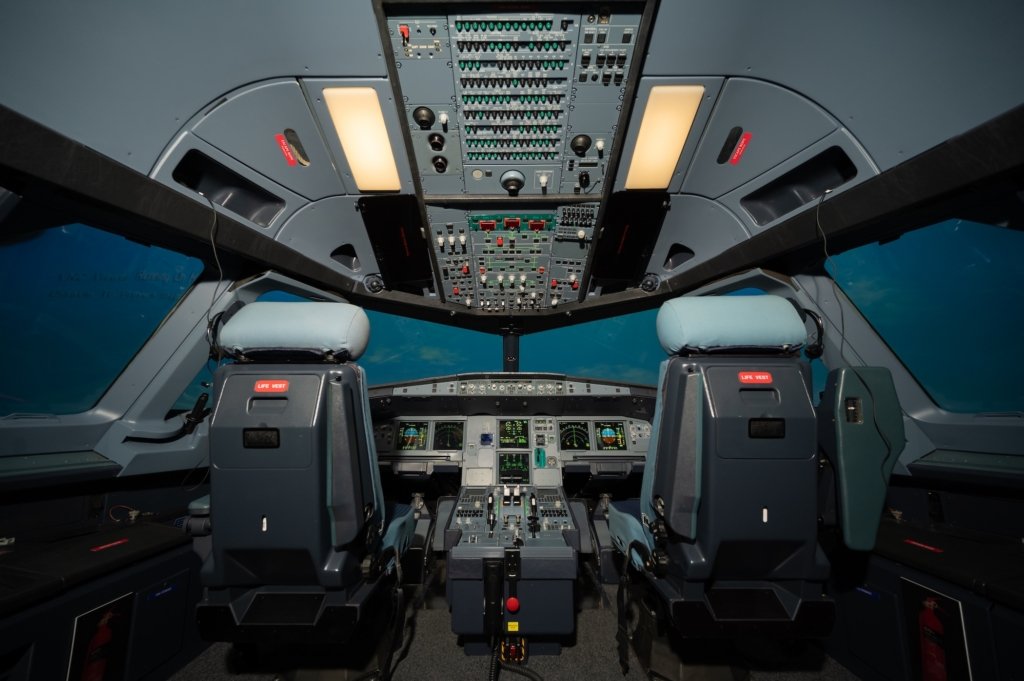
We currently operate 21 full-flight simulators globally. The network includes three training centres in France and one each in South Africa, China and India, and supports 250+ operators.
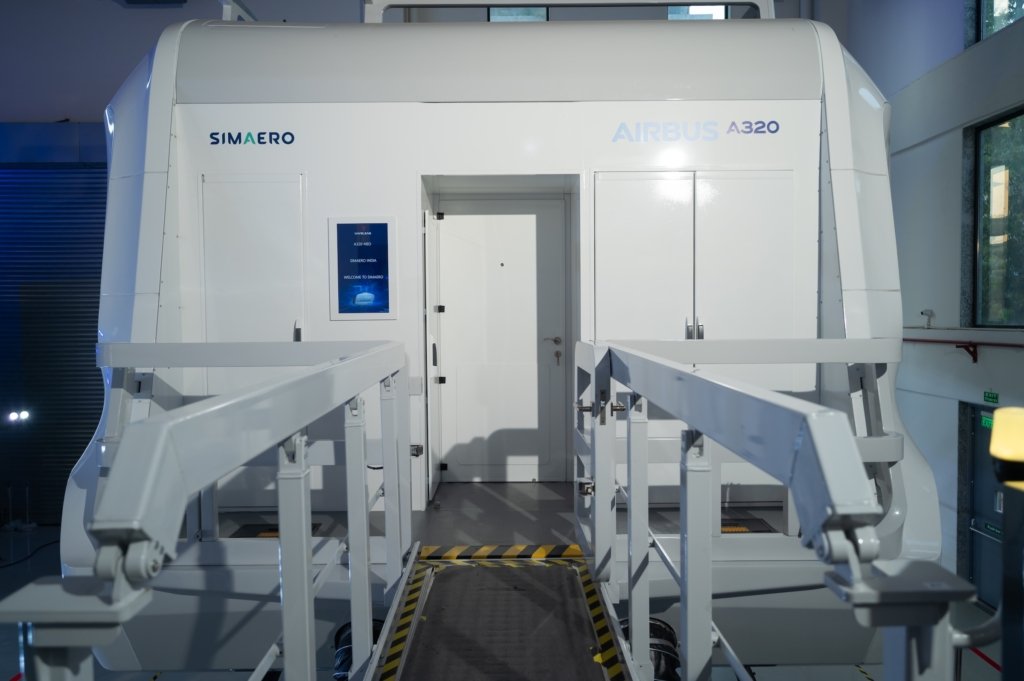
The fleet covers the Airbus A320, A330, A350 and A350 families, Boeing 737CL, NG, 757 and 767, the Embraer 145 and 170/190, ATR and other regional aircraft.
Within this fleet, narrowbody aircraft generate the strongest demand because of the number of Airbus A320-family and Boeing 737 aircraft in service. Many widebody operators own simulators and train pilots internally, so independent ATOs generally see lower demand for widebody devices.
The location of that demand also guides our network. Ten or 20 years ago, much of the growth was in Europe; today, it is in Asia. We have continued to add newer devices at our long-established South African centre, including CRJ200/700 and Embraer 170/190 simulators, while the China centre has gained A320neo and A320ceo capability.
India reflects the current growth in Asia. Its airlines have around 1,700 aircraft on order, which will require corresponding growth in training capacity. Before adding a simulator, we assess demand, existing market capacity, and what other providers are introducing.
We must also plan for changes in aircraft standards. The A321XLR, for example, introduces a newer standard, creating demand for simulators configured or upgraded for that aircraft. Since at least 12 months is normally required between order and delivery, we track aircraft deliveries, airline growth, competing capacity and infrastructure well in advance.
How do dry-lease, wet-lease and self-booking options allow airlines to organise simulator training?
Under a dry lease, the airline uses the simulator but provides its own instructors, manuals and course structure. Under a wet lease, we also provide the instructors, reducing the pressure on the airline’s instructor resources.
Where an airline needs a combination of the two, we can use its manuals and procedures while providing our own instructors and course material. With our EASA, SACAA and soon DGCA-approved ATOs, Simaero can adapt the arrangement to most airlines requirements.
What engineering capabilities allow Simaero to undertake complex simulator relocations and upgrades?
Simaero began with engineering services fifteen decades ago. That experience has become an important part of the business. That background allows us to undertake simulator relocations and upgrades for both our own devices and third parties.
We also carry out specialised technical work, including Mylar mirror replacements on projection systems. Only a small number of companies worldwide can undertake that work.
The same capability is used to upgrade simulators for upset prevention and recovery training, or UPRT, and to make technical changes required by newer standards. The work can range from replacing individual components to completing substantial device upgrades.
How does Simaero manage approvals from different aviation authorities, and how are its training programmes adapting to CBTA?
Maintaining approvals from multiple civil aviation authorities requires dedicated regional and central compliance teams. Audits take place frequently because simulator qualification and ATO operations must meet the requirements of different regulators.
The compliance system covers both devices and training sites. Each programme must first meet the relevant civil aviation authority’s requirements, including the applicable Civil Aviation Requirements in India, before the airline’s own requirements are incorporated.
Training methods are also changing as airlines move towards competency-based training and assessment, or CBTA. Airlines in India have already adopted CBTA, while carriers in some other markets are still making the transition. Simaero aims to complete its own transition by the end of this year and has hired specialists to develop the required systems.
What opportunities does the Multi-Crew Pilot (MPL) Licence offer India, and what is holding back its implementation?
For airlines recruiting large numbers of pilots, MPL provides greater certainty over when sponsored cadets will complete training. It also changes the balance between aircraft and simulator time.
One difference is the balance of training hours. Under the conventional route, a cadet may complete about 200 hours in an aircraft before undertaking around 64 hours in a simulator. An MPL programme could reduce the aircraft component to about 100 hours or less and increase simulator training to roughly 100 or 120 hours. Cadets would therefore spend more time training on a simulator representing the aircraft type they will operate.
More simulator time also allows airlines to implement operating procedures earlier and could reduce demand for training aircraft time and landings. However, it would place additional pressure on simulator infrastructure, requiring more devices and supporting capacity.
That infrastructure is one reason MPL has not progressed in India.
Airlines must adapt their processes, while the regulator must establish the supporting framework.
No MPL has yet been issued in India, so the system has not been tested here in practice.
The airline-linked structure raises a further issue. An MPL is tied to a sponsoring carrier, but India has seen airlines collapse in the past. The regulator therefore needs to consider what happens to a cadet’s training and licence if the sponsoring airline can no longer support the programme.
What changes are needed to strengthen safety oversight as India’s flight-training sector grows?
The growth of flying schools in India must be matched by stronger safety systems and closer attention from regulators and operators.
Stronger oversight begins with greater transparency. A three-day audit or completing a checklist does not, by itself, create a strong safety system. The important question is whether the required actions are being followed every day and independently verified.
Audits must also be supported by regular safety training and opportunities to examine incidents and share good practices. More safety symposiums would help flying training organisations and other operators understand the standards expected of them.
Could authorised independent audit agencies help the DGCA strengthen oversight?
Yes. Safety comes at a cost, and operators should be willing to pay for independent assurance rather than relying entirely on internal resources. The DGCA cannot monitor every activity directly.
One option is to authorise qualified third-party agencies to conduct audits on the regulator’s behalf, with clearly defined responsibilities and accountability. This model is used internationally; I have seen organisations such as NLR support this type of work in Europe. It can provide greater flexibility and help ensure that audits are completed on time.
External audits do not remove responsibility within an organisation. An auditor, compliance manager or quality manager must still be able to report any serious safety concern through the proper regulatory channel.
India has no shortage of people who understand these systems. The DGCA could draw on that expertise through specialist committees for safety, simulator approvals and flying training organisation audits, and use their feedback when updating regulations and oversight practices.
Also Read: How Virtual Reality Is Reshaping Airline Pilot Procedure Training