









American Airlines Flight 2207 Crash December 28, 1946
The American Airlines Flight 2207 accident was a tragic aviation event that occurred on December 28, 1946, during the early period of post-war commercial aviation. The accident took place at a time when airlines in the United States were rapidly expanding their passenger services after the end of World War II.
American Airlines was one of the leading airlines in the United States. Like many other airlines, it had received a large number of aircraft and trained personnel from the wartime aviation industry. The end of the war created a huge demand for civilian air travel, but it also introduced new challenges as airlines had to operate larger numbers of flights.
Flight 2207 became part of the difficult aviation history of the period. The accident demonstrated the risks faced by pilots, passengers, and airlines during an era when navigation, communication, weather forecasting, and airport facilities were not as advanced as they are today.
American Airlines After World War II
American Airlines was already a major airline before World War II.
During the war, much of the American aviation industry became involved in military transportation and other wartime activities. Pilots, mechanics, engineers, and other aviation professionals gained valuable experience.
After the war ended in 1945, the airline industry quickly returned to civilian operations.
Millions of people wanted to travel by air.
Airlines began increasing the number of passenger flights between major American cities.
American Airlines was one of the companies leading this expansion.
However, the rapid increase in flights also placed greater demands on airports, air traffic control, maintenance facilities, and flight crews.
Aircraft Used in the Period
American Airlines operated several aircraft types during the post-war period.
Many were based on designs that had been developed or improved during the war.
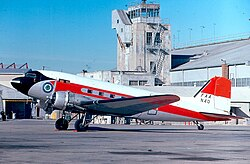
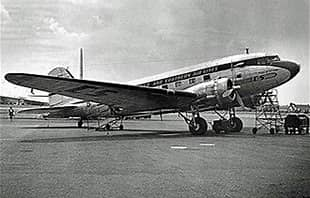
The Douglas DC-3 was one of the most common passenger aircraft.
The DC-3 had been used extensively as the military C-47 during World War II.
It was known for its strong construction and dependable operation.
American Airlines also began operating larger and faster aircraft as the post-war period progressed.
These aircraft allowed airlines to carry more passengers and fly longer routes.
However, the technology of the 1940s was very different from modern aviation.
Aircraft did not have GPS, modern weather radar, computerized navigation, or advanced warning systems.
Pilots depended heavily on their own judgment and ground-based navigation aids.
The Flight
American Airlines Flight 2207 was operating as a scheduled passenger flight on December 28, 1946.
The aircraft was carrying passengers who were traveling within the United States.
At the time, air travel was becoming increasingly popular.
For many passengers, flying offered a much faster alternative to long train journeys.
The flight initially appeared to be a normal commercial operation.
The crew prepared the aircraft and followed the planned route.
However, something went wrong during the flight, eventually leading to the accident.
Aviation in 1946
To understand the accident, it is important to understand the aviation environment of 1946.
Modern airline passengers are familiar with computerized check-in systems, radar tracking, GPS navigation, automatic weather information, and highly developed airport procedures.
None of these systems existed in their modern form in 1946.
Pilots navigated using:
- Magnetic compasses
- Radio beacons
- Paper charts
- Dead reckoning
- Visual landmarks
- Radio communication
Pilots had to calculate their position and constantly compare it with their expected route.
Even a small navigation error could become important during an approach.
Weather Challenges
Weather was one of the most important risks in early commercial aviation.
Fog, rain, snow, clouds, and strong winds could make flying difficult.
Weather forecasting was improving, but it was not nearly as accurate or fast as it is today.
Pilots often had to make decisions based on weather reports that had been collected some time earlier.
A weather system could change before the aircraft reached its destination.
Poor visibility was particularly dangerous during takeoff and landing.
When pilots could not see the runway or surrounding terrain, they depended on instruments and radio navigation.
Navigation Technology
Radio navigation was an important technology during the 1940s.
Ground stations transmitted radio signals that pilots could use to determine direction.
However, these systems were not perfect.
Signals could sometimes be affected by terrain, atmospheric conditions, or equipment problems.
Pilots also had to correctly interpret the information.
The use of dead reckoning created another possible source of error.
If an aircraft experienced unexpected winds, its actual position could differ from the position calculated by the crew.
Modern GPS has made this process much more accurate.
The Accident
Flight 2207 eventually encountered problems that resulted in the accident.
The aircraft was unable to complete its journey safely.
The crash caused significant damage to the aircraft and resulted in deaths and injuries.
Emergency services were called to the scene.
Police, firefighters, medical personnel, and other responders worked to help the people involved.
In the 1940s, emergency response systems were much less sophisticated than today’s systems.
There were no satellite-based emergency signals.
Rescue workers often had to rely on radio reports and eyewitness information.
The Investigation
After the accident, investigators examined the wreckage and collected evidence.
The investigation focused on several possible causes.
Investigators normally examined:
- Aircraft mechanical condition
- Weather conditions
- Pilot actions
- Navigation
- Radio communications
- Airport conditions
- Maintenance records
- Flight procedures
Accident investigations were particularly important during this period because commercial aviation was growing rapidly.
Every accident could provide information that could prevent future disasters.
Human Factors
Pilot workload was an important issue in aviation during the 1940s.
A flight crew had to perform many tasks manually.
Pilots needed to control the aircraft, monitor the engines, calculate navigation information, communicate with ground stations, and watch the weather.
There were fewer automated systems to assist them.
During difficult weather, the workload could increase dramatically.
Modern aircraft have automation that helps pilots maintain altitude, heading, and navigation.
However, in 1946, many of these tasks had to be completed manually.
Importance of Crew Coordination
Modern airline operations place strong emphasis on teamwork between pilots.
One pilot may fly the aircraft while another monitors instruments and communication.
Flight attendants and ground personnel also play important roles in safety.
The concept of crew resource management, as it is known today, developed much later.
In the 1940s, cockpit operations were more dependent on the captain’s decisions.
As the airline industry learned from accidents, better methods of communication and crew coordination gradually developed.
Maintenance and Aircraft Reliability
Aircraft maintenance was another major part of aviation safety.
Post-war airlines had to maintain large fleets of aircraft.
Many aircraft had previously been used for military service.
Although military aircraft were generally built to high standards, wartime use could place considerable stress on airframes and engines.
Airlines therefore needed strong inspection and maintenance programs.
Mechanics had to check engines, propellers, electrical systems, landing gear, instruments, and other components.
Maintenance standards improved significantly in the years after World War II.
Airport Facilities
Airports were also developing rapidly.
Large airports needed:
- Longer runways
- Better lighting
- Radio navigation
- Weather stations
- Air traffic control
- Fire and rescue services
In 1946, many airports were not equipped to the same standards as modern international airports.
Some airports had limited navigation aids.
Others had basic lighting or communication facilities.
As passenger numbers increased, airports were gradually upgraded.
The Growing Number of Flights
One reason aviation safety became increasingly important after the war was the huge increase in air traffic.
During World War II, aviation technology developed rapidly.
After the war, many pilots and aircraft became available for civilian use.
Airlines began adding routes and increasing flight frequencies.
This created greater pressure on the air traffic control system.
Controllers had to manage more aircraft in increasingly busy skies.
The development of radar and improved communication systems helped solve some of these problems.
The Human Cost
Behind every accident are individual people.
The passengers aboard Flight 2207 were ordinary people traveling for personal or professional reasons.
Some may have been returning home.
Others may have been traveling for business or visiting relatives.
The crew members were trained professionals responsible for safely transporting their passengers.
An accident therefore affected not only the people aboard the aircraft but also their families, friends, colleagues, and communities.
The emotional impact of an aviation disaster can continue long after the physical wreckage has been removed.
Safety Lessons
The accident and other aviation disasters of the period helped the industry understand the importance of several safety principles.
Better Navigation
Pilots need accurate information about their position.
Reliable Communication
Aircraft and ground stations must be able to communicate clearly.
Weather Monitoring
Accurate weather information is essential for safe flight planning.
Aircraft Maintenance
Aircraft must be inspected and maintained regularly.
Pilot Training
Pilots need training for emergencies, poor weather, and unusual situations.
Airport Improvements
Airports require proper navigation and emergency facilities.
These principles became increasingly important as commercial aviation expanded.
The Development of Modern Aviation
The years after 1946 brought enormous changes.
Radar became more widely used.
Radio navigation improved.
Air traffic control became more organized.
Weather forecasting became more accurate.
Aircraft engines became more reliable.
Jet aircraft eventually replaced many piston-powered airliners.
Later, satellite navigation transformed aircraft navigation.
Modern aircraft also use computerized systems to monitor engines and other important components.
Each development reduced one or more risks that earlier pilots faced.
Why Historical Accidents Matter
Studying accidents such as Flight 2207 is important because aviation safety has developed through experience.
Every accident provides an opportunity to understand what went wrong.
Investigators look for technical failures, human mistakes, weather conditions, and organizational problems.
The goal is not simply to identify someone to blame.
The more important goal is to prevent similar accidents from happening again.
This approach has helped make commercial aviation one of the safest forms of long-distance transportation.
Legacy
The post-war period was a turning point for American aviation.
Airlines moved from a primarily wartime environment to a rapidly growing civilian market.
American Airlines was part of this transformation.
The company expanded its network and adopted newer aircraft and technologies.
But the transition was not without accidents.
Flight 2207 belongs to this early period when airlines were learning how to manage a much larger commercial aviation system.
The accident serves as a reminder of how different flying was in the 1940s.
Conclusion
The American Airlines Flight 2207 accident of December 28, 1946, occurred during a challenging period in the history of commercial aviation.
The end of World War II had created huge opportunities for airlines. More aircraft, pilots, mechanics, and aviation technology were becoming available for civilian use. At the same time, the rapid growth of air travel created new safety challenges.
Pilots in 1946 had to operate aircraft with much less technological assistance than pilots have today. They depended on radio navigation, paper charts, weather reports, instruments, and their own judgment. Airports and air traffic control systems were also still developing.
The accident became part of the larger history of aviation safety during the post-war period. Lessons from accidents helped airlines and regulators improve aircraft maintenance, pilot training, navigation systems, weather services, airport facilities, and emergency response.
Today, passengers benefit from decades of improvements in aviation technology and safety procedures. GPS, radar, advanced weather systems, digital navigation, flight recorders, and sophisticated aircraft warning systems provide pilots with information that was unavailable in 1946.
The story of Flight 2207 is therefore a reminder that modern aviation safety was built over many decades through technological progress, careful investigation, training, and lessons learned from past accidents.

Ajeet Yadav is an aviation enthusiast covering airline news, airports, aircraft, and industry developments through well-researched and reliable reporting.