










Airlines of Australia Stinson Model A Crash 19 February 1937
The Airlines of Australia Stinson Model A crash of 19 February 1937 was a tragic aviation accident in Australia. The aircraft was operated by Airlines of Australia, an important Australian airline of the 1930s. The accident occurred during a scheduled passenger flight in Queensland and resulted in the deaths of all people aboard.
The crash happened during an important period in the development of Australian commercial aviation. Airlines were beginning to connect major cities and remote communities across the country. Air travel was much faster than travel by road or rail, but aircraft technology, navigation equipment, weather forecasting, and rescue services were still developing.
The disaster became one of the significant accidents in the early history of Australian civil aviation. It also showed the difficulties of operating passenger aircraft over large and sometimes remote areas of Australia.
Airlines of Australia
Airlines of Australia was one of the airlines operating scheduled passenger services in Australia during the 1930s.
The company was part of a growing Australian aviation industry.
Australia presented special challenges for commercial airlines. The country had enormous distances between cities and communities. Some routes crossed areas with few roads, railway lines, or settlements.
Aircraft offered an important solution.
A passenger could travel between cities much faster by air than by train or road.
Airlines therefore became an increasingly important part of Australia’s transportation system.
However, commercial aviation was still relatively young.
Aviation in Australia During the 1930s
The 1930s were a period of rapid development for Australian aviation.
Aircraft were becoming stronger and more reliable.
Airlines were developing regular schedules.
Pilots were gaining more experience with long-distance routes.
Airfields were being established in towns and cities.
Radio communication was becoming increasingly useful.
Despite these developments, flying remained more dangerous than it is today.
There was no GPS.
There was no satellite tracking.
There was no modern weather radar.
There were no computerized flight-management systems.
Pilots had to rely on maps, compasses, visual landmarks, radio information, and their own judgment.
The Stinson Model A
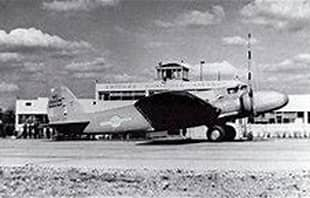
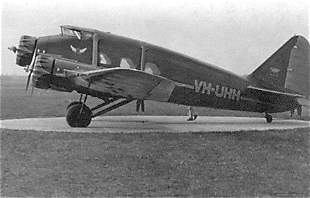
The aircraft involved in the accident was a Stinson Model A.
The Stinson Model A was an American-designed aircraft that was used for passenger and commercial operations.
It was a three-engine aircraft.
The aircraft had been designed to provide relatively fast and reliable transportation for passengers.
Its three-engine configuration was an important feature.
Having three engines provided additional power and some redundancy compared with a single-engine aircraft.
The aircraft was considered a modern type for its time.
However, no aircraft could completely eliminate the dangers associated with difficult weather, navigation problems, and human error.
The Flight on 19 February 1937
On 19 February 1937, the Stinson Model A was operating a scheduled passenger service for Airlines of Australia.
The aircraft was carrying passengers and crew.
The journey began as a normal commercial flight.
The aircraft was expected to reach its destination safely.
However, the flight encountered difficulties.
The aircraft eventually crashed in Queensland.
Everyone aboard the aircraft was killed.
The accident shocked the Australian aviation community and attracted considerable attention.
The Importance of the Route
The aircraft was operating on an important commercial route.
Air services in Australia were valuable because they connected communities that were separated by long distances.
A journey that could take many hours or even days by ground transportation could be completed much more quickly by aircraft.
Passengers included people traveling for business and personal reasons.
Air mail was also an important part of airline operations.
The development of regular air services helped Australia become more connected.
Difficulties of Flying Over Queensland
Queensland contains large areas of rugged and remote country.
Weather can change quickly.
The landscape includes mountains, forests, open country, and areas with few populated settlements.
A pilot flying over such areas had to maintain careful navigation.
If an aircraft experienced a problem, finding a safe landing area could be difficult.
If an aircraft crashed, rescuers could also have trouble reaching the site.
These factors made Australian commercial aviation particularly challenging.
The Accident
During the flight, the aircraft encountered circumstances that led to the crash.
The aircraft was destroyed in the accident.
People on the ground and aviation authorities were alerted.
A search operation began.
Because aircraft in the 1930s were not continuously tracked, authorities had to determine where the aircraft might have gone down.
Searchers used information from witnesses and people familiar with the route.
The remote nature of parts of Queensland made the operation difficult.
The Search for the Aircraft
Searching for a missing aircraft was very different in 1937.
Today, aircraft can be tracked using radar and satellite-based systems.
Modern aircraft also have emergency locator transmitters.
In 1937, these systems did not exist.
If an aircraft failed to arrive at its destination, search teams had to estimate its likely location.
They could examine its planned route and talk to people who might have seen or heard the aircraft.
Aircraft could be hidden by forests, mountains, or other terrain.
The search could therefore take considerable time.
Rescue Challenges
Once the crash location was found, rescuers had to travel to the site.
There were no modern rescue helicopters.
Medical teams could not simply be flown to the wreckage.
Instead, rescue personnel had to travel by road, on foot, or using other available transportation.
Difficult terrain could slow the response.
Unfortunately, in a crash involving severe injuries, delays could be fatal.
The accident highlighted the need for improved emergency response systems.
Investigation
An official investigation followed the accident.
Investigators examined the aircraft wreckage.
They wanted to determine why the aircraft had crashed.
They considered several possible factors.
These included:
- Aircraft mechanical condition
- Engine performance
- Weather
- Navigation
- Pilot actions
- Aircraft loading
- Flight conditions
- Possible structural problems
Investigators had to reconstruct the final stages of the flight from available evidence.
There were no flight-data recorders or cockpit voice recorders.
This made the investigation much more difficult than a modern accident investigation.
Aircraft Mechanical Condition
Investigators examined the engines and other components.
A three-engine aircraft had multiple power sources, but an engine problem could still affect flight performance.
If one engine failed, the aircraft might continue flying.
However, if multiple engines lost power or if the aircraft encountered another serious problem, the situation could become dangerous.
Investigators therefore needed to determine whether mechanical failure played a role.
Weather Conditions
Weather was an important factor considered in aviation accidents.
Pilots in the 1930s had much less information about weather than pilots today.
Modern aviation uses satellites, weather radar, computer models, and continuous weather observations.
In 1937, pilots depended on weather reports from stations and information available before departure.
A storm or area of poor visibility could be difficult to predict.
Weather could also change during a flight.
Navigation Challenges
Navigation was another major issue for early airline pilots.
Pilots could use maps and compass readings.
They could also follow rivers, railway lines, roads, and other visible landmarks.
Radio navigation was becoming increasingly important.
However, navigation aids were not available everywhere.
If visibility became poor, pilots could lose visual contact with landmarks.
A navigation error could place an aircraft far from its intended route.
This was especially dangerous in mountainous or remote areas.
The Role of Pilot Training
Commercial pilots during the 1930s were trained professionals.
They had to learn aircraft handling, navigation, weather, and emergency procedures.
However, pilot training was not as advanced as it is today.
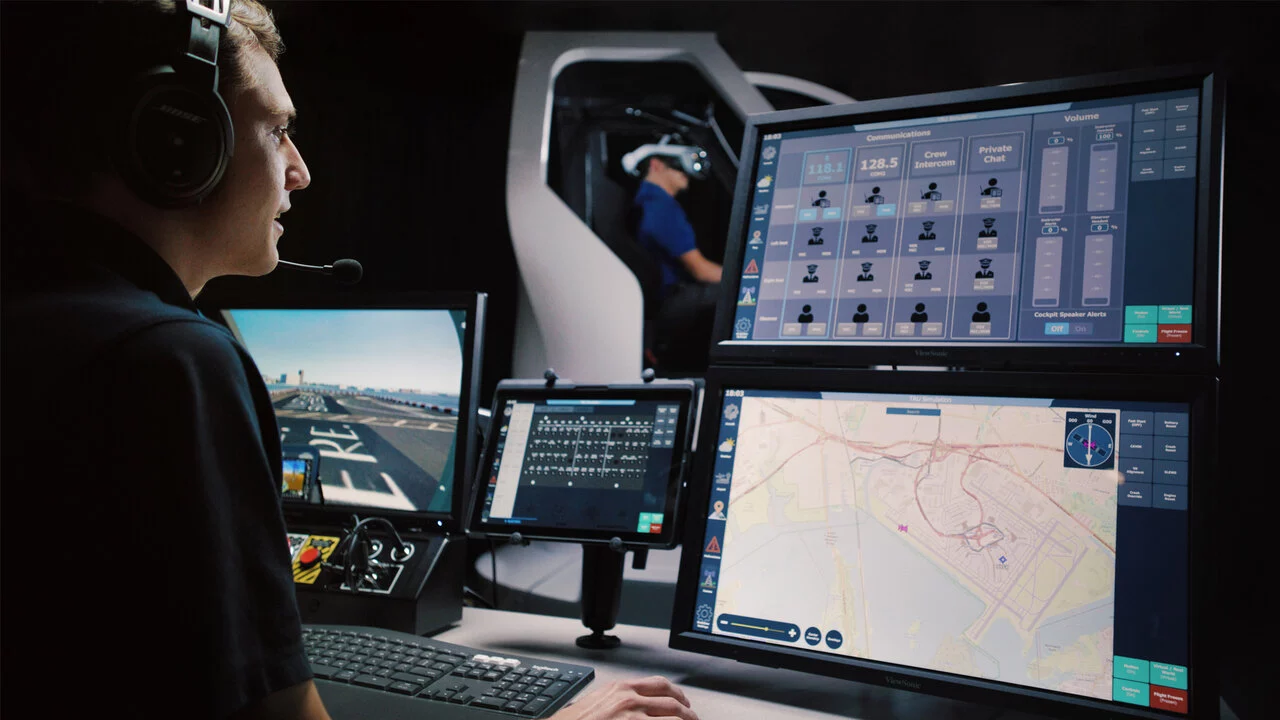
Modern airline pilots spend many hours in flight simulators.
They practice engine failures, fires, instrument failures, bad weather, and other emergencies.
Pilots in the 1930s did not have the same training technology.
Much more depended on real-world experience.
Human Decision-Making
Pilots had to make important decisions quickly.
If weather conditions became worse, they might need to change course.
They might need to climb or descend.
They could decide to return to the departure airport or divert to another location.
The problem was that pilots had limited information.
They could not see detailed weather conditions ahead.
They did not have digital maps showing their exact position.
These limitations increased the workload on the flight crew.
Passenger Safety
Passengers in the 1930s understood that flying involved some risk.
Commercial aviation was still a new form of transportation.
Airlines worked hard to demonstrate that aircraft could provide safe and reliable service.
Accidents damaged public confidence.
They also encouraged airlines and governments to improve safety.
The Stinson Model A crash was therefore significant beyond the immediate loss of life.
It raised questions about how passenger aviation could be made safer.
Public Reaction in Australia
The accident received significant attention in Australian newspapers.
Airline accidents were major news events.
People wanted to know what had happened to the aircraft and why it had crashed.
The deaths of passengers and crew caused grief among their families and communities.
The accident also attracted attention from aviation officials.
The Australian public was becoming increasingly interested in commercial aviation.
The Human Cost
The most important part of the accident was the loss of human life.
The passengers had boarded the aircraft expecting to complete an ordinary journey.
The crew members were carrying out their professional duties.
For their families, the accident brought sudden and devastating loss.
The victims should therefore be remembered as people rather than simply as numbers in an aviation report.
Their deaths were part of the human cost of the early development of air transportation.
Aviation Safety Regulations
Australia was developing aviation regulations during this period.
Aircraft needed to meet certain standards.
Pilots required qualifications.
Airlines were expected to maintain their aircraft.
Flight routes and operating procedures were becoming more organized.
Accidents helped authorities understand where further improvements were needed.
Over time, aviation regulations became much more comprehensive.
Improvements in Communication
Communication was an important area of development.
Radio allowed pilots to communicate with ground stations.
This was especially useful when operating long-distance routes.
Better communication allowed pilots to receive weather information and other assistance.
Later developments in radio and air traffic control greatly improved aviation safety.
Development of Weather Services
Weather forecasting became increasingly important for aviation.
Meteorological stations provided information to pilots.
Forecasting methods improved over time.
Later, radar and satellites transformed weather monitoring.
These developments made it much easier to identify dangerous conditions.
Modern pilots can receive detailed information about weather along an entire route.
Search and Rescue Improvements
The accident also illustrates the importance of search and rescue.
Australia’s large size made aircraft searches difficult.
Over time, aircraft tracking improved.
Emergency communication systems became more reliable.
Dedicated search-and-rescue organizations developed.
Aircraft began carrying emergency equipment designed to help rescuers locate them.
Today, an aircraft in distress can often be located much faster than an aircraft in the 1930s.
Lessons from the Stinson Model A Accident
The accident provides several important aviation safety lessons.
Careful Navigation
Pilots must always know their position.
Weather Awareness
Bad weather can quickly turn a routine flight into a dangerous situation.
Aircraft Maintenance
Regular inspection of engines and structures is essential.
Pilot Training
Crews need extensive preparation for emergencies.
Reliable Communication
Pilots need dependable communication with ground stations.
Safe Flight Planning
Routes should consider terrain, weather, fuel, and alternative airports.
Search and Rescue
Remote areas require effective emergency response systems.
The Development of Australian Airlines
Australian aviation continued to grow after the accident.
Airlines expanded their networks.
Aircraft became more advanced.
New routes connected more cities.
Air travel became increasingly important for business and personal travel.
Eventually, Australia developed a modern aviation network connecting major cities, regional communities, and international destinations.
Aircraft Technology After the 1930s
Aircraft technology improved rapidly.
Engines became more powerful and reliable.
Airframes became stronger.
Navigation equipment became more accurate.
Radio communication improved.
Instrument flying became more common.
Later, radar and electronic navigation systems transformed aviation.
The introduction of turbine and jet engines brought another major improvement.
Modern aircraft are vastly different from the Stinson Model A.
Why Historical Accidents Matter
The history of aviation contains many accidents that helped the industry learn.
Investigations identify weaknesses.
Engineers improve aircraft.
Airlines change procedures.
Governments introduce new rules.
Pilots receive better training.
Airports improve emergency services.
This continuous process has made air travel much safer.
The Stinson Model A accident is one part of that larger story.
Remembering the Flight
The crash of the Airlines of Australia Stinson Model A remains part of Australia’s aviation history.
The people aboard were among the passengers and crew who helped make commercial air travel possible in the country.
They traveled at a time when flying was still considered a relatively new technology.
Their deaths remind us of the dangers faced by early airline passengers and aviation workers.
The accident also reminds us how much modern aviation has changed.
Modern Aviation Comparison
If a similar route were flown today, the crew would have access to far more information.
The aircraft would have satellite navigation.
Digital charts would show the aircraft’s position.
Modern weather radar could identify dangerous weather.
Air traffic control could track the aircraft.
Terrain-warning systems could warn the crew about mountains.
Emergency locator systems could help rescuers find a crashed aircraft.
Medical rescue teams could be transported quickly.
These improvements represent decades of technological progress.
Conclusion
The Airlines of Australia Stinson Model A crash of 19 February 1937 was a tragic event during the early development of commercial aviation in Australia.
At the time, airlines were becoming an important part of Australia’s transportation system. Aircraft allowed passengers and mail to travel long distances much faster than traditional forms of transportation.
The Stinson Model A represented modern aircraft technology for its period. Its three-engine design was intended to provide reliable passenger service. However, aviation technology in 1937 still had many limitations.
Pilots did not have GPS, satellite weather information, modern radar, terrain-warning systems, or computerized navigation. They depended on maps, compasses, radio communication, weather reports, and visual landmarks.
When the aircraft crashed, investigators had to work with limited evidence. They examined the wreckage and considered weather, navigation, mechanical condition, aircraft performance, and pilot actions.
The accident also demonstrated the difficulties of search and rescue in Australia’s large and sometimes remote landscape. Without helicopters, satellite tracking, or modern emergency locator systems, finding and reaching a crashed aircraft could be extremely difficult.
Over the following decades, aviation safety improved greatly. Aircraft became more reliable, navigation became more accurate, weather forecasting improved, and pilot training became more advanced. Search-and-rescue organizations also developed better equipment and procedures.
The tragedy of 19 February 1937 should therefore be remembered as both a human loss and an important part of aviation history. The passengers and crew aboard the Stinson Model A were part of a generation that helped establish commercial air travel in Australia.
Their story reminds us that aviation safety is the result of continuous learning. Every accident has the potential to reveal weaknesses and encourage improvements.
Today, commercial aviation is one of the safest forms of long-distance transportation. The technology, procedures, training, and emergency systems used today are the result of many decades of progress.
The Airlines of Australia Stinson Model A accident remains a reminder of the risks faced by early aviators and passengers—and of the importance of continuing to learn from aviation history.

Ajeet Yadav is an aviation enthusiast covering airline news, airports, aircraft, and industry developments through well-researched and reliable reporting.