












Air India News: Air India Reduces International Flights Amid Ongoing Global Aviation Challenges

Air India News
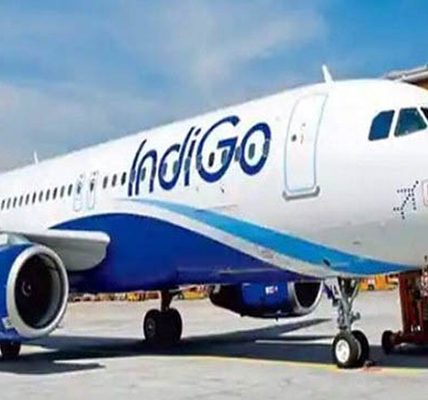
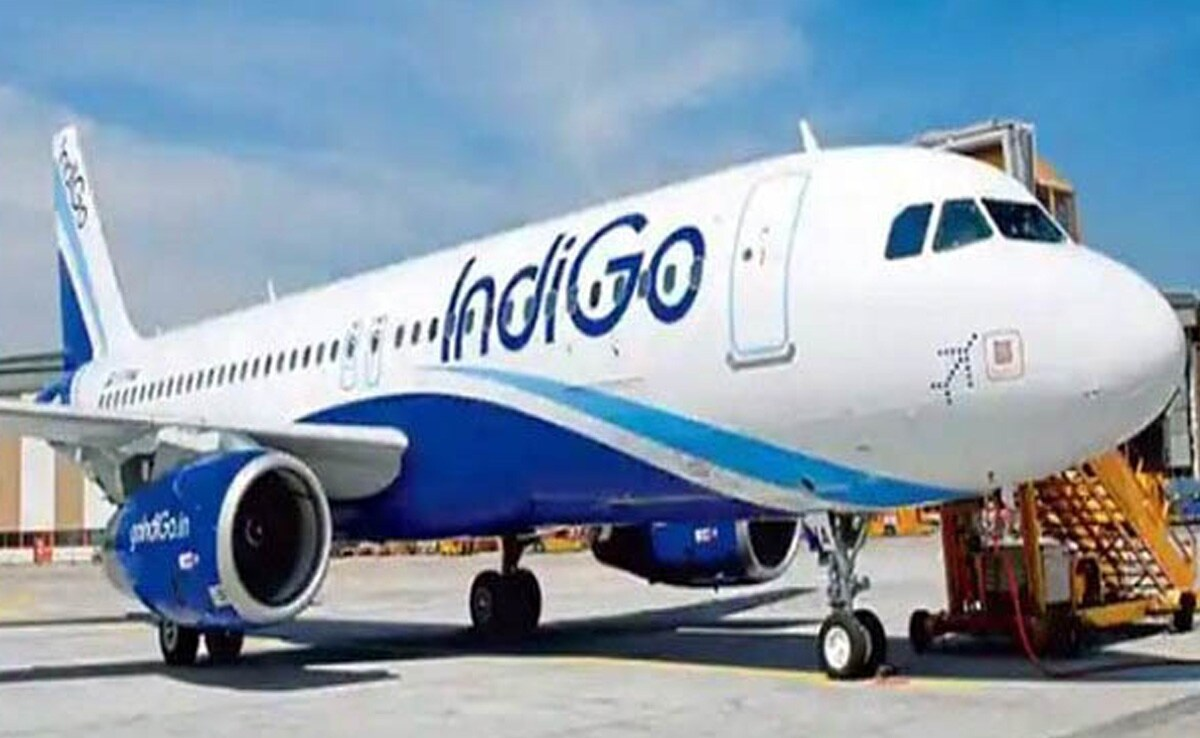
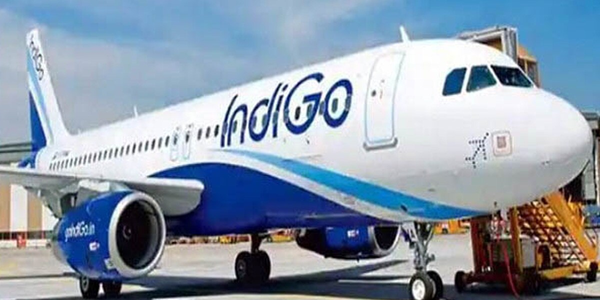
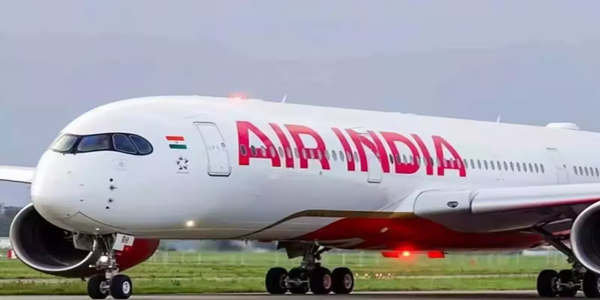
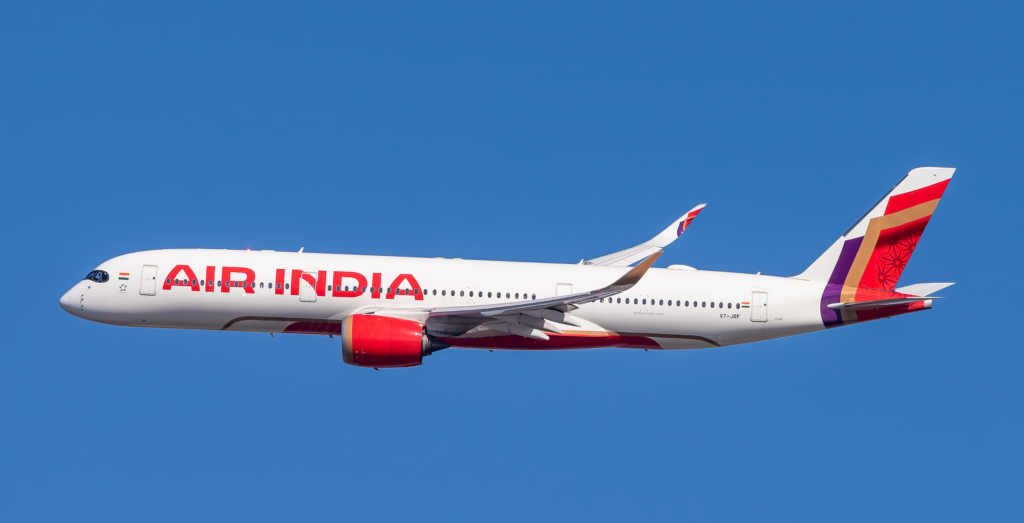
Air India has announced major reductions and temporary suspensions on several international routes between June and August 2026 due to continuing global aviation challenges. The airline said the decision was taken because of ongoing airspace restrictions in some regions and record-high jet fuel prices, which have made several international operations commercially difficult.
According to the airline, the temporary changes are aimed at improving network stability and reducing last-minute disruptions for passengers. Despite the cuts, Air India stated that it will continue operating more than 1,200 international flights every month across five continents.
The airline’s international network will still include flights to North America, Europe, the United Kingdom, Australia, Southeast Asia, the Far East, SAARC countries, and Mauritius.
Several major routes have been affected by the changes. In North America, Air India has temporarily suspended its Delhi-Chicago service. Flights between Delhi and San Francisco have been reduced from 10 weekly flights to seven per week until August. Delhi-Toronto services have also been reduced, while Delhi-Vancouver flights will operate only five times a week instead of daily.
Some routes are being adjusted differently. Mumbai-Newark flights will increase from three weekly services to daily operations. However, Delhi-Newark and Mumbai-New York JFK services will be temporarily suspended.
In Europe, flights from Delhi to Paris, Copenhagen, Milan, Vienna, Zurich, and Rome have all been reduced. Australia-bound services have also been impacted, with both Delhi-Melbourne and Delhi-Sydney flights reduced from daily to four weekly flights.
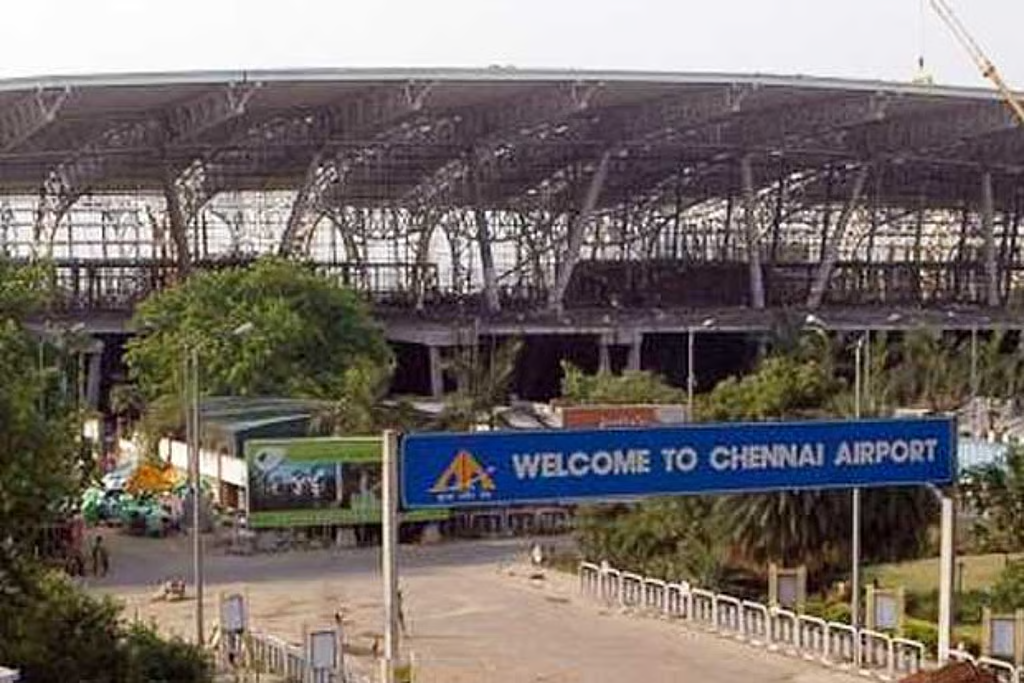
Several destinations in Asia and the SAARC region are also facing service reductions. Flights to Shanghai, Chennai-Singapore, Mumbai-Dhaka, and Malé have been temporarily suspended. Services to Singapore, Bangkok, Kuala Lumpur, Ho Chi Minh City, Hanoi, Kathmandu, Colombo, and Dhaka have also been reduced significantly.
Air India said it is working closely with regulators, airport authorities, and industry partners to restore normal operations as soon as possible. However, the airline warned that further network changes may happen if current global conditions continue.
The airline has assured passengers that customers affected by cancellations will receive support through alternative flight options, free date changes, or full refunds where applicable. Assistance is also being provided through the airline’s customer service channels.
The aviation industry globally has been facing growing pressure due to geopolitical tensions, rising fuel costs, and operational restrictions. Air India has also faced additional difficulties over the past year. Pakistan closed its airspace in April 2025, increasing operational challenges for Indian carriers. The airline also suffered a major setback after the tragic crash of Flight 171 in June, which reportedly killed more than 250 people.
Meanwhile, Air India’s financial struggles are also affecting its part-owner Singapore Airlines. Although Singapore Airlines recently reported record annual revenue and strong operating profit, its net profit declined sharply because of Air India’s losses and other accounting factors.
At the same time, AirAsia has also announced the suspension of two important international routes. The airline will discontinue flights between Melbourne and Bali, as well as Adelaide and Bali, starting after June 18, 2026.
According to Indonesia AirAsia officials, the decision was taken because rising global jet fuel prices and geopolitical uncertainty in the Middle East have made these routes financially unviable.
AirAsia said affected passengers are being contacted directly and offered alternative travel options, including route changes through Kuala Lumpur or adjustments to travel dates.
The current situation highlights the growing challenges facing the global aviation industry. Rising fuel costs, geopolitical tensions, airspace restrictions, and operational pressures are forcing airlines worldwide to reduce services, suspend routes, and rethink network strategies while trying to maintain passenger confidence and operational stability.

Ajeet Yadav is an aviation enthusiast covering airline news, airports, aircraft, and industry developments through well-researched and reliable reporting.