

















Operationalising a Fully Compliant Competency-Based MPL Programme: A Global First

Key Takeaways
- The Multi-Crew Pilot Licence (MPL) offers a competency-based approach for training pilots, aligning training directly with airline operations.
- MPL programmes reportedly lead to 60% less training remediation, highlighting their effectiveness in preparing pilots for airline environments.
- The success of an MPL programme depends on instructor quality, standardised evaluations, and commitment to continuous improvement.
- MPL prioritises early identification of trainee competencies, ensuring candidates are suited for multi-crew airline operations.
- Implementation of MPL in India could reshape pilot training by focusing on integrating simulator training with airline-specific requirements.

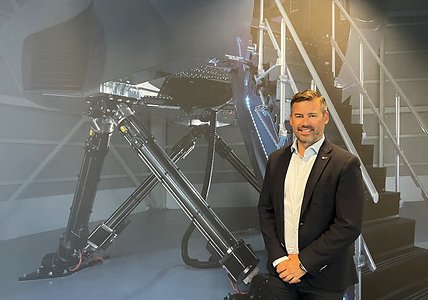
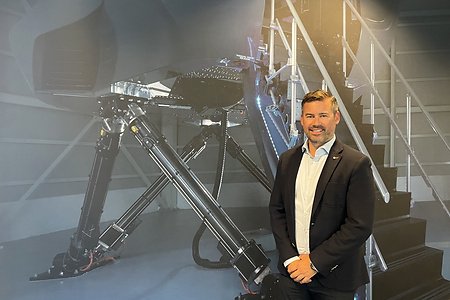
Photo: CAE
As airlines and regulators look at the Multi-Crew Pilot Licence (MPL) as an alternative pathway into airline cockpits, much of the discussion has focused on the structure of the licence, the amount of aircraft flying involved and the greater use of simulators.
Multi-Crew Pilot Licence (MPL) programmes are proving that competency-based training can deliver measurable operational results, with one large European airline reporting 60% less training remediation and zero command upgrade failures among MPL graduates. MPL aligns pilot development with airline operations from day one, creating a more efficient, predictable, and resilient talent pipeline.
The true measure of an MPL programme is not the approval itself, but what happens afterward. Sustainable success depends on instructor excellence, standardised evaluation, robust quality assurance, and a commitment to continuously improving the training system as data and operational experience accumulate.
That was the practical focus of a recent CAE presentation on next-generation MPL. The company’s experience suggests that the difficulty in running an MPL programme is not in explaining Competency-Based Training and Assessment (CBTA), but in ensuring that the principles are applied consistently throughout a training programme that can run for 20 to 22 months and involve different instructors, training devices and aircraft.
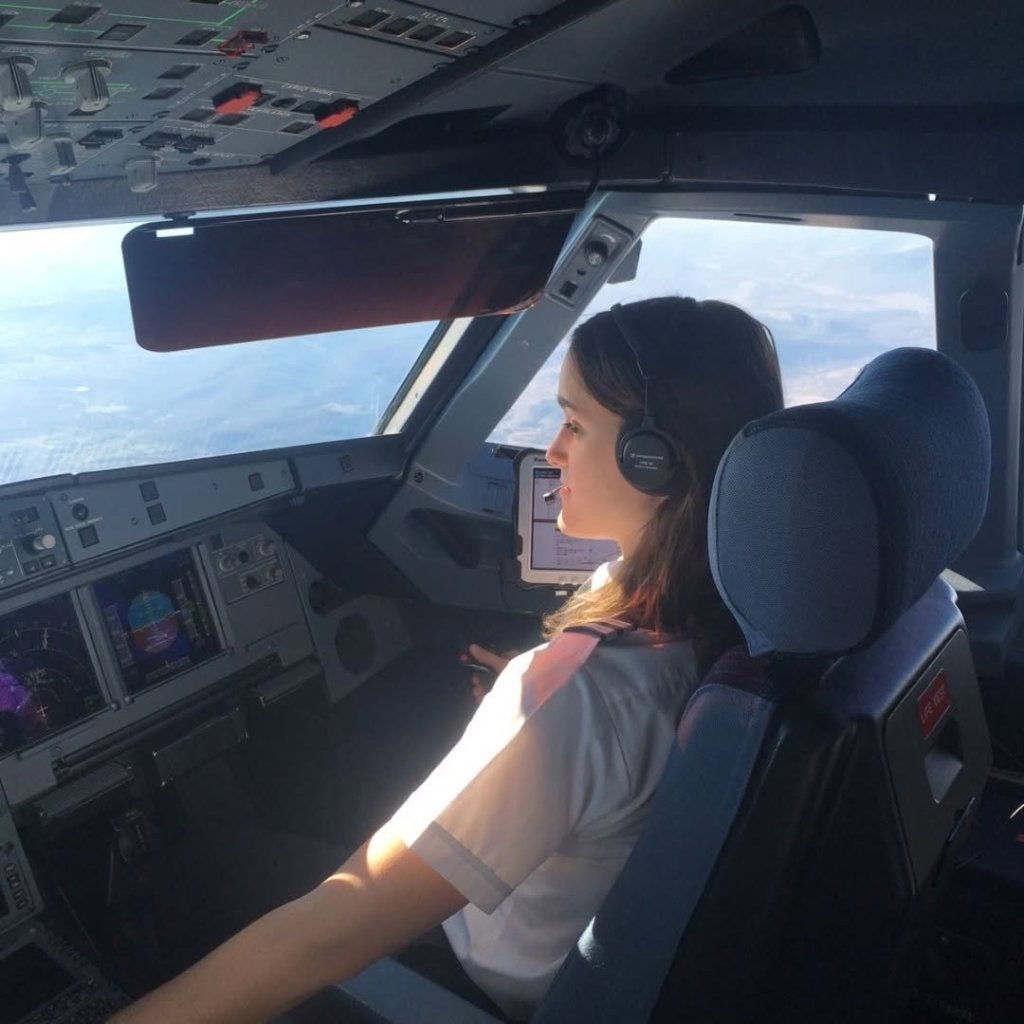
Traditional licensing training is like earning a driver’s license. It proves you can safely operate a vehicle and meet a defined standard.
MPL is more like a professional commercial driver apprenticeship, designed from the beginning to prepare someone for a specific operating environment, vehicle, procedures, and team-based responsibilities. Both produce qualified drivers, but one is intentionally optimised for a professional transport operation.
For India, the discussion around MPL extends beyond the balance of simulator and aircraft training.
It presents an opportunity to establish a fully integrated pilot development pathway, where airlines, training providers, and regulators share a common framework for developing, measuring, and assuring competence throughout a pilot’s journey integrating into airline operations.
For India, where the government is examining MPL as a possible addition to its pilot-training system, the focus is not only on programme design, but also on ensuring a consistent competency-based approach throughout training.
A move towards MPL would not simply mean replacing some aircraft flying with simulator sessions.
It would bring airlines, training organisations and regulators together around a common framework for developing, assessing and monitoring competencies from the beginning of a cadet’s training until entry into airline operations.
Moving competency into the lesson
MPL is a Competency-based Training and Assessment (CBTA) training program. It is based on competency-based training principles since its introduction, but CAE’s current approach places greater emphasis on using those principles during training rather than relying on them mainly at the assessment stage.
The difference is visible in individual lessons. A training exercise identifies the competencies and observable behaviours that instructors are expected to watch for, alongside the technical tasks being taught. The instructor can then use those observations during the lesson, assessment and debrief rather than recording them only as part of an end-of-training evaluation.
A cadet may be able to perform a particular manoeuvre or procedure, but the airline environment also requires skills such as communication, decision-making, situational awareness and workload management. The competency framework aims to develop and assess those skills alongside technical performance.
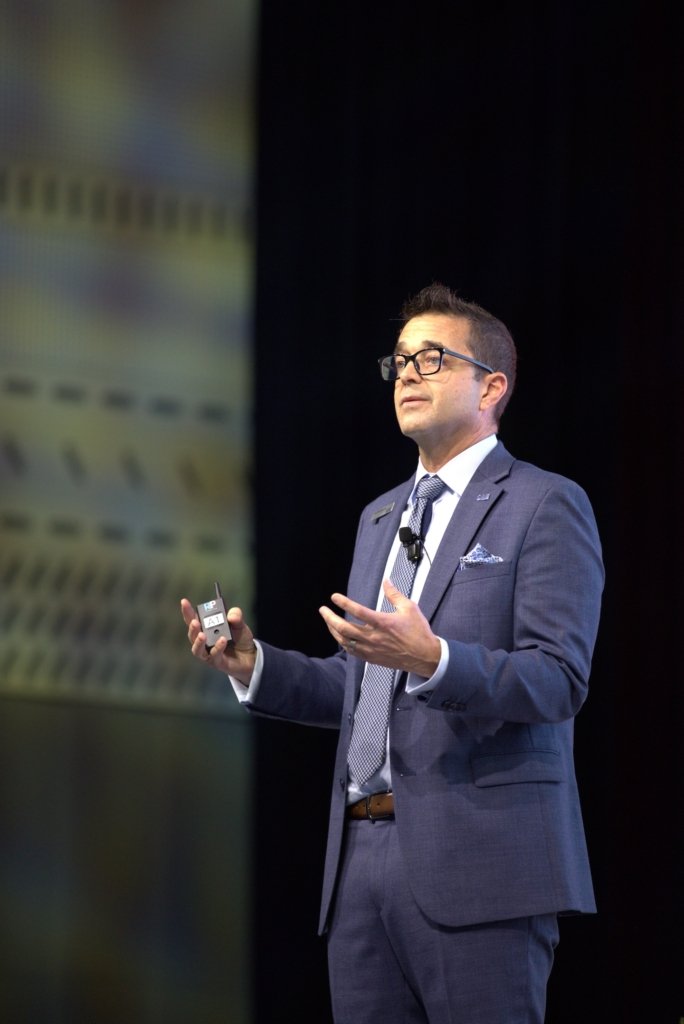
Tim Schoenauer, Vice President, Civil Aviation Training Solutions at CAE, said the change came from experience with MPL programmes developed over a number of years. “In the past, the observable behaviours were primarily used for assessment. In the full-CBTA MPL redesign, we have genuinely taken the observable behaviours into each lesson and the actual design and development of the training programme itself,” he said.
That change runs through the four phases of MPL. The core phase provides the initial flying training; the basic phase introduces multi-crew operations and the airline aircraft; the intermediate phase covers the main type-rating and systems training; and the advanced phase provides further development before base training and line-oriented training with the airline.
The sequencing also allows training to be introduced when it is most relevant. Schoenauer described the use of “just-in-time learning”, in which a new task or concept is covered in a detailed briefing shortly before the cadet has to apply it in the simulator.
Standardising instructor delivery
The design of the programme, however, does not guarantee that it will be delivered as intended.
This becomes particularly relevant when instructors come from conventional flight-training backgrounds. An instructor may understand the competency framework but still be accustomed to teaching by completing a defined sequence of tasks, demonstrating a manoeuvre and judging whether the student has performed it correctly.
CBTA requires a different approach, with greater emphasis on observing performance, identifying the observable behaviours associated with the performance and using the information to guide development.
CAE identified the possibility of instructors reverting to traditional training methods as one of the challenges that had to be managed before the revised MPL programme was introduced.
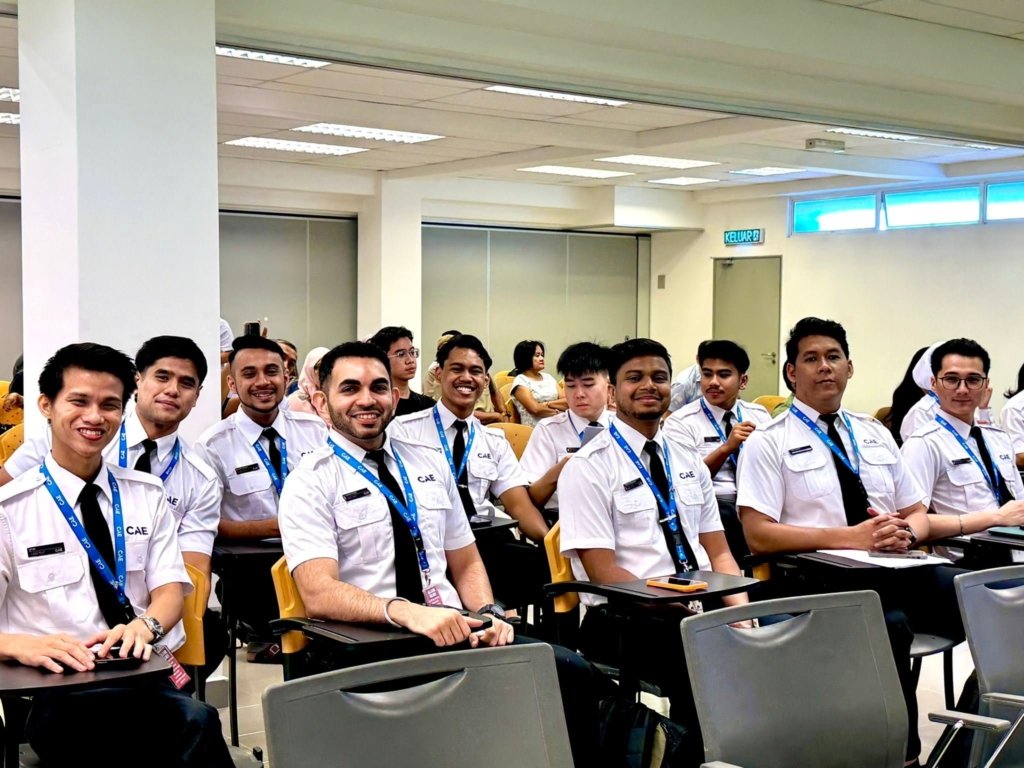
The company therefore trained its instructors over five days, combining CBTA theory with practical standardisation exercises. Instructors assessed the same scenarios so that differences in interpretation could be identified and discussed.
If two instructors observe essentially the same performance, the cadet should not receive materially different feedback simply because the instructors have different interpretations of the competency framework.
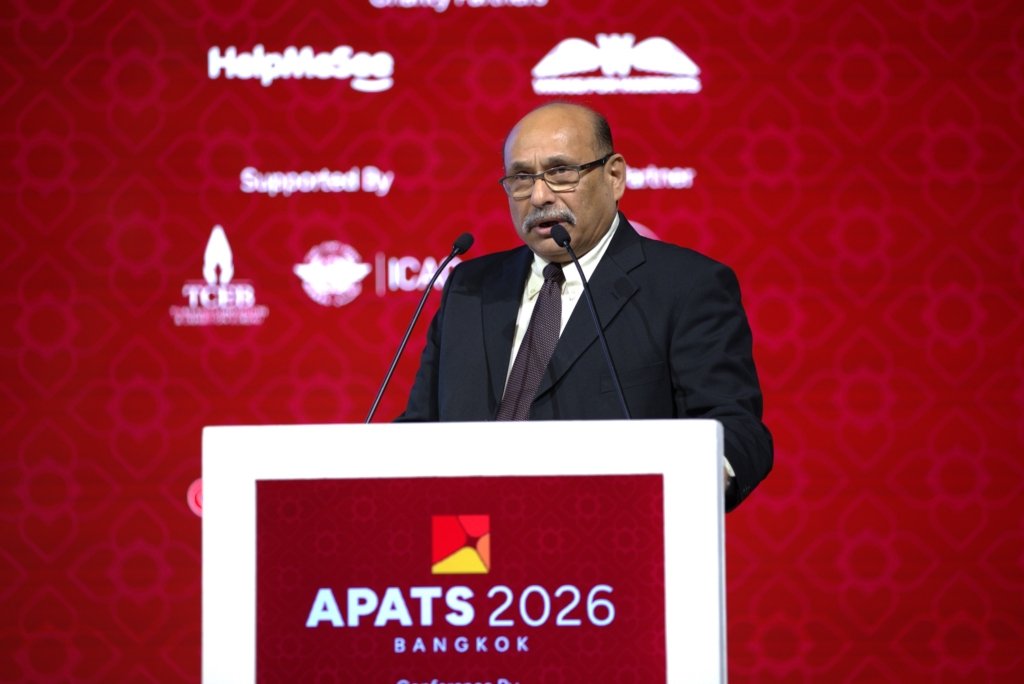
Mark Morris, Regional Training Leader, Asia-Pacific, Civil Aviation Training Solutions at CAE, said the initial reaction from instructors illustrated the scale of the change. “Initially, the Instructors were a little overwhelmed. But by day two, day three, day four, they were familiar and got a little more settled,” he said.
The more significant feedback came later in the training, when instructors began asking why the approach had not been introduced earlier. Morris said instructors also became more receptive to having their own training delivery observed, with some asking for additional feedback on how they could improve.
Monitoring instructor delivery
CAE did not stop standardisation at the end of the instructor course. It established an additional monitoring system in which trained MPL instructor-evaluators observed live lessons.
The evaluators observed the sessions without intervening in the training. They did not take part in the briefing or debriefing and were presented to instructors and cadets as observers. Sessions were observed both in flight-training devices and in aircraft.
A second level of quality assurance was conducted through periodic evaluations of instructors and courseware by subject-matter experts. The objective was to assess training effectiveness, ensure alignment with CBTA principles, and identify opportunities for continuous improvement.
Information from instructors and cadets was also used to identify areas for improvement in training delivery and courseware. For Morris, this continuous checking is essential because CBTA cannot be treated as a one-time change to the syllabus. “The hard part of MPL is not describing the model, it is making it work every day in an operational context,” he said.
Courseware and continuous feedback
The feedback & continuous improvement approach means that the training program continually evolves.
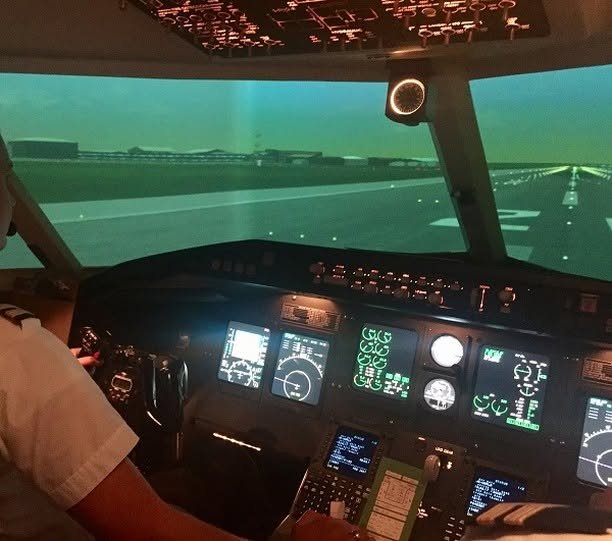
One example discussed at the presentation involved UPRT—Upset Prevention and Recovery Training—which covers the prevention of, recognition of and recovery from aircraft upsets.
Instructor feedback suggested that some UPRT tasks would be better introduced in a flight-training device before being practised in the aircraft. The observation was passed back to the training-design team for consideration.
The objective is to identify why a difficulty occurred and whether the training system can be changed to address it.
Selection and airline commitment
The discussion also turned to an issue that becomes more important when training is built around an MPL pathway: how candidates are selected before they enter the programme.
Unlike a conventional route in which a student progresses through separate stages of flight training and licensing, MPL is structured around the competencies required for multi-crew airline operations. That makes early identification of a candidate’s ability to learn, manage information, make decisions and perform under workload particularly important.
Schoenauer said CAE uses psychometric and analytical assessment alongside other screening methods. The aim is not simply to identify candidates who can perform well in an initial test, but to assess whether their characteristics are suited to the demands of a competency-based training programme. CAE’s experience, he said, showed a relationship between successful selection and lower levels of remediation later in training.
A weakness identified early can be addressed before a cadet reaches the more advanced simulator and aircraft phases, where additional training can delay progression.
Selection is followed by continuous observation of cadet performance against defined competencies and behaviours throughout the course.
MPL also creates a different relationship between the cadet and the airline.
An airline-sponsored MPL programme is built around the operator’s requirements and is intended to take the cadet through training and into that airline’s operation.
What it could mean for India
These practical considerations are relevant to India’s current discussion on MPL. A government panel has proposed a simulator-heavy pathway that would reduce actual aircraft flying to 100–120 hours, including 20 hours of solo flying, compared with the current 200-hour minimum under the conventional commercial pilot licensing route. The proposal is still subject to consideration and feedback.
The potential attraction of MPL is not simply a reduction in aircraft flying. Schoenauer’s experience includes programmes in which the type-rated aircraft is introduced relatively early, with simulator training used to progressively expose cadets to the operational environment.
The value of MPL lies less in the number of hours spent in an aircraft and more in the intentional alignment of training with the airline pilot’s future mission. Rather than following a generic progression, MPL allows cadets to develop the competencies, decision-making skills, and operational behaviours required in airline operations through a structured pathway that may include early exposure to the airline type and its operating environment.
India already has an established network of flight-training organisations and airline-linked cadet programmes.
If MPL expands in the country, instructors across those organisations would need to be trained to interpret competencies in the same way, while airlines and regulators would need visibility into training quality and assessment.
CAE reported that its revised approach has been associated with a 60% reduction in base-training failures and a 75% reduction in remedial-training failures. CAE has been delivering MPL training for over 15 years successfully with programs in Asia Pacific and Europe.
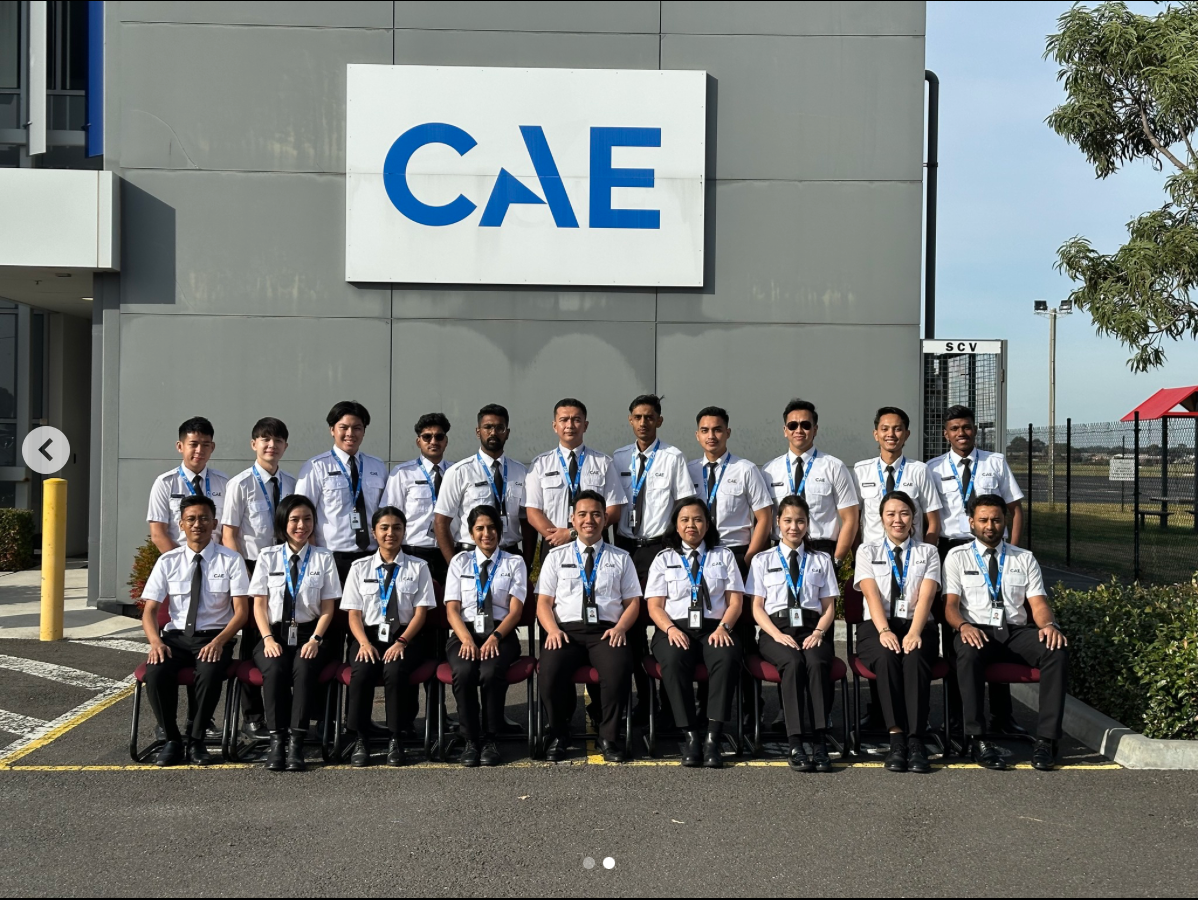
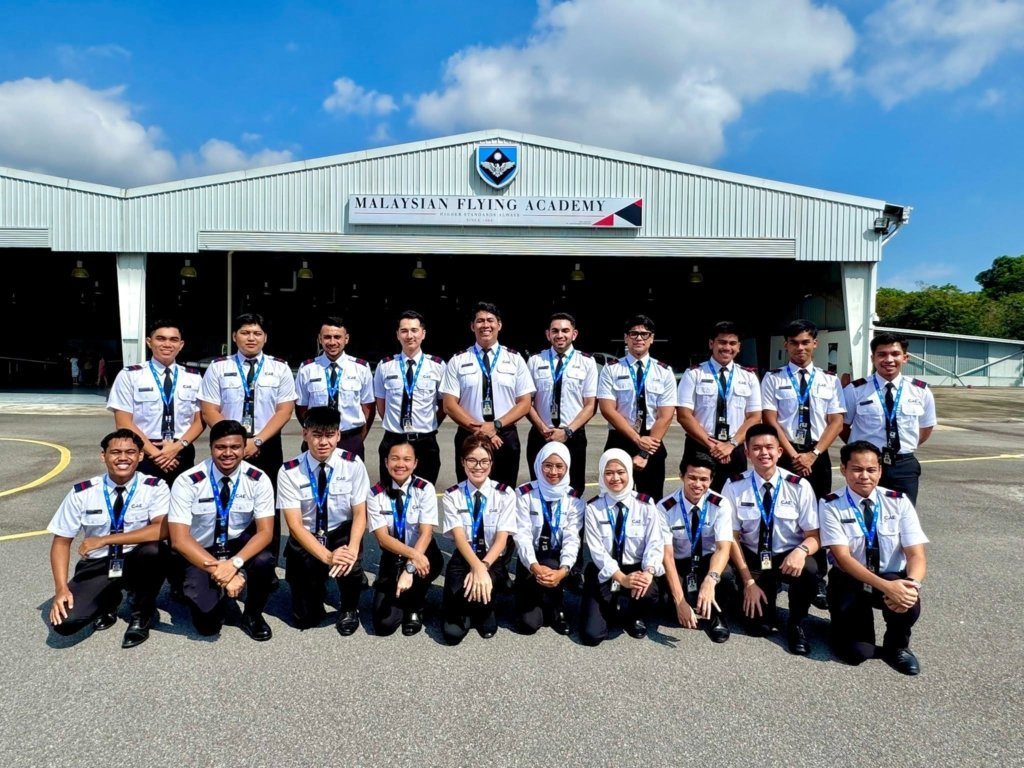
The longer-running AirAsia programme provides another indication of the scale at which the model can operate. CAE said 493 cadets had enrolled since the programme began, with 331 graduates and more than 135 still in training.
Traditional pilot training and MPL should not be viewed as competing concepts, but as training models designed for different purposes. While conventional pathways continue to serve the broader aviation industry well, MPL was developed specifically to prepare pilots for multi-crew airline operations.
Two decades of operational experience have shown that a carefully designed MPL programme can align training, assessment, and airline requirements in ways that support improved airline training outcomes and operational readiness.
Also Read: Where India’s Next Generation of Women Aviators Takes Shape