








Pan Am’s Boeing 314 Dixie Clipper and the First Scheduled Transatlantic Passenger Flight

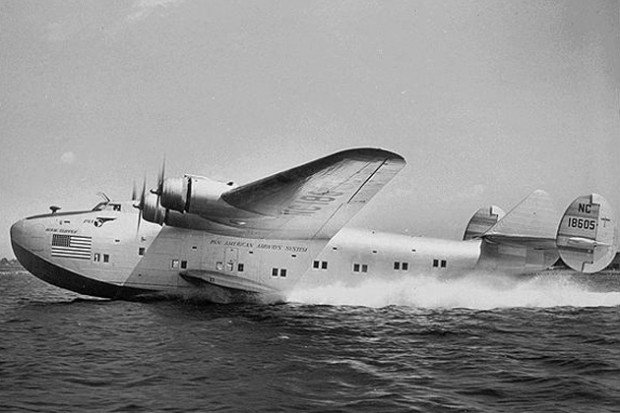
Pan American Airways inaugurated scheduled commercial passenger service across the Atlantic on 28 June 1939. The Dixie Clipper departed Port Washington, New York, with 22 paying passengers and an 11-member crew.
Its route took it to Horta in the Azores, then to Lisbon and finally to Marseille, where it arrived on 30 June. Demand for the flight was far greater than the aircraft could carry.
There was a waiting list of about 500 passengers for the first regular service.
By 1939, the Atlantic had already been crossed by aircraft. What had not yet existed was a scheduled passenger airline service across it. In May 1919, the US Navy’s NC-4 had completed the first crossing by aircraft, with stops along the way.
Alcock and Brown flew nonstop from Newfoundland to Ireland the following month. Charles Lindbergh made the first solo nonstop flight from New York to Paris in 1927. German airships had also carried passengers between continents. Pan Am’s flight was not the first aerial crossing of the Atlantic, but the first scheduled transatlantic passenger service by airplane.
Pan Am’s purpose was different from the record flights before it. The airline wanted regular departures, recognised stopovers and passengers booked on a commercial route between North America and Europe.
Preparations had begun years earlier. Pan Am already operated extensive routes across Latin America and the Pacific, but the Atlantic required an aircraft with greater range and capacity.
In February 1936, the airline invited manufacturers to propose a flying boat capable of travelling 4,000 miles against a 30-mile-an-hour headwind while carrying a commercial payload. Boeing received an order for six aircraft in July that year.
The aircraft chosen for the route was the Boeing 314, a four-engine seaplane designed for long-distance oceanic routes.
Its hull rested directly on the water, allowing it to use harbours and sheltered bays rather than conventional runways. Aircraft of this type were known as flying boats.
They suited the period because airport infrastructure for aircraft of this size was still limited, while harbours and sheltered bays could serve as operating bases for long-distance services.
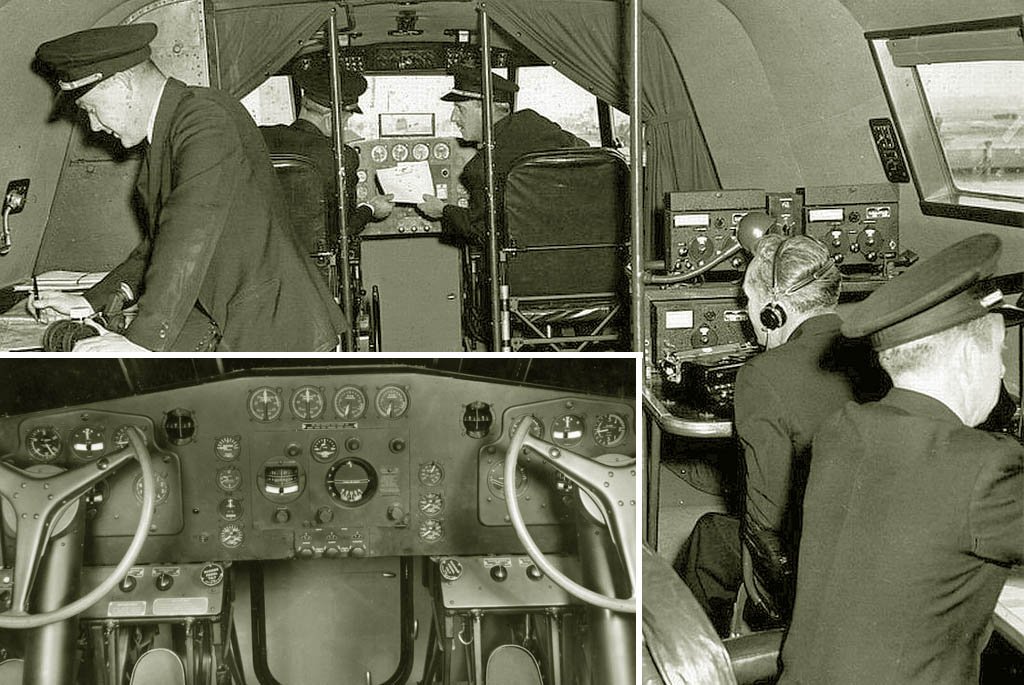
The 314’s interior was planned around the long duration of the journey. It had separate passenger compartments, sleeping berths and a dining area. Meals were served at tables, and passengers could move between cabins during the flight. That comfort came at a price.
A seat to Marseille cost about $375 one-way, while a round trip cost $675, making transatlantic air travel affordable mainly for wealthy travellers, business executives and public figures.
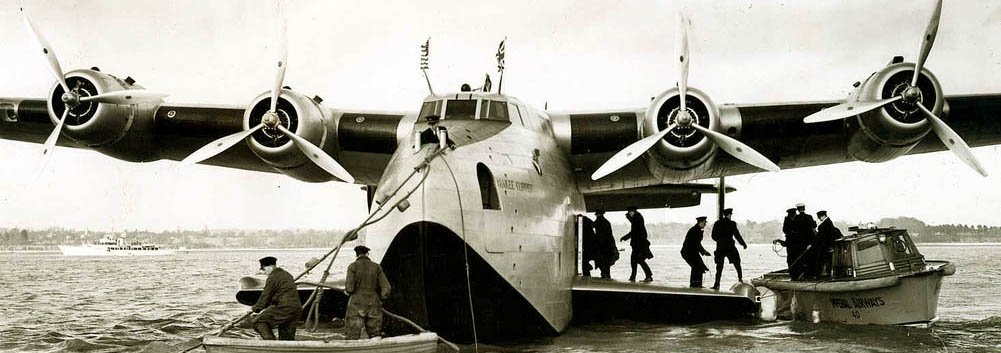
Pan Am began its Atlantic operations with mail. On 20 May 1939, the Yankee Clipper left Port Washington for Europe on the southern route through the Azores and Lisbon. Before carrying passengers, the airline operated Civil Aeronautics Authority (CAA)-required demonstration and inspection flights to show that the route and service were ready.
An inspection flight carrying members of the press followed on 17 June, and mail service on the northern route to Britain began on 24 June.
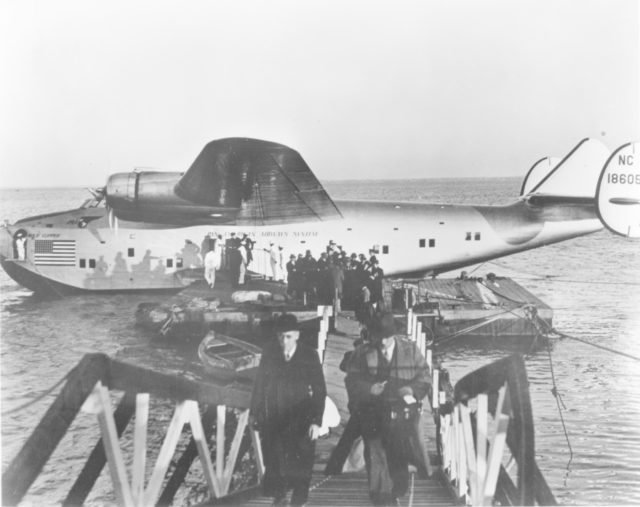
Four days later, the Dixie Clipper, registration NC18605, departed with the first passengers booked on the scheduled service. Captain R.O.D. Sullivan commanded the aircraft.
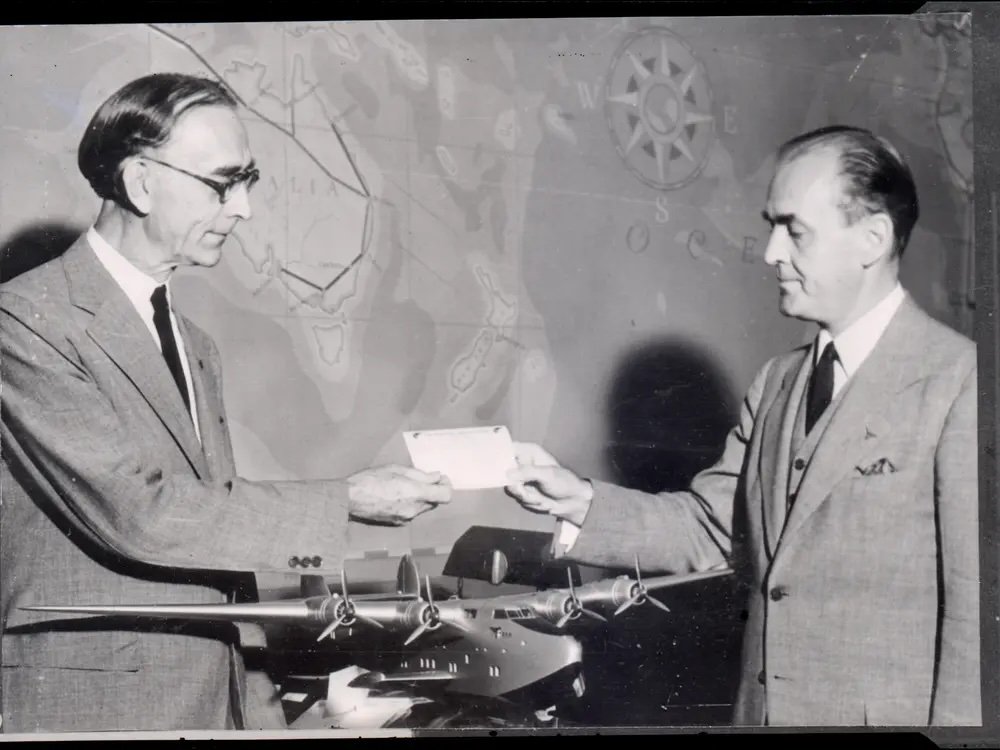
Among those aboard was William John Eck, an American railway executive and experienced air traveller.
Eck had applied for a place on Pan Am’s first transatlantic passenger flight in 1931, when the service existed only as a proposal. Eight years later, the airline designated him “Passenger Number One.”
The Dixie Clipper reached Horta before continuing to Lisbon, where the passengers stayed overnight on 29 June.
The aircraft flew the final stage to Marseille the next day. The journey extended over three days. Contemporary accounts and later aviation histories differ slightly on how the flying time is counted, but the service cut the Atlantic crossing to roughly two days, including stops and the overnight stay in Lisbon.
Pan Am added passenger flights on its northern route to Britain in July. On 8 July 1939, the Yankee Clipper opened the north Atlantic passenger route from New York to Southampton via Newfoundland and Foynes. The expansion had barely begun when Germany invaded Poland on 1 September 1939.
Britain and France declared war on Germany two days later. Within weeks, Pan Am’s European passenger network faced wartime restrictions, and civilian services to Marseille and Southampton were suspended. Lisbon, in neutral Portugal, continued to serve as an important Atlantic gateway.
The war also changed the aircraft used for ocean travel. New airfields and longer runways were built on both sides of the Atlantic, while improvements in range and navigation made regular crossings by land-based aircraft practical.
After 1945, land-based airliners operating from airports gradually displaced the flying boats.
With the Dixie Clipper, Pan Am brought regular passenger airline operations to the North Atlantic by airplane.
Also Read: How SITA Is Transforming Airline Operations

Aviation Jeta is an aviation news platform covering airlines, airports, aircraft, and global aviation developments. We publish accurate, well-researched, and detailed aviation news and industry insights from around the world.