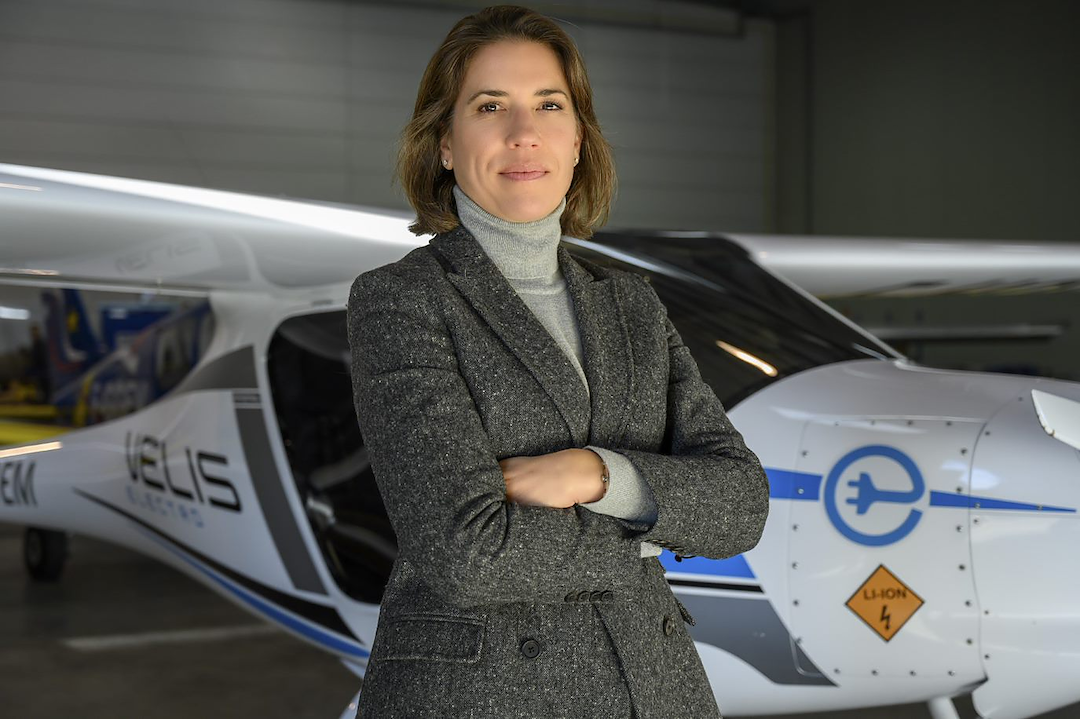




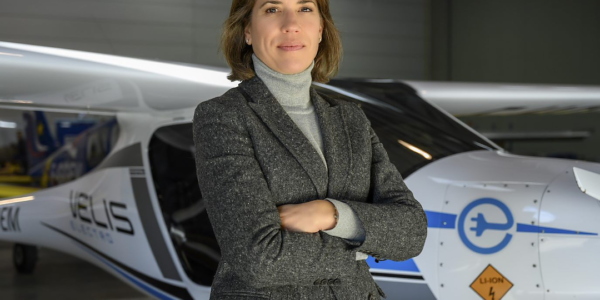


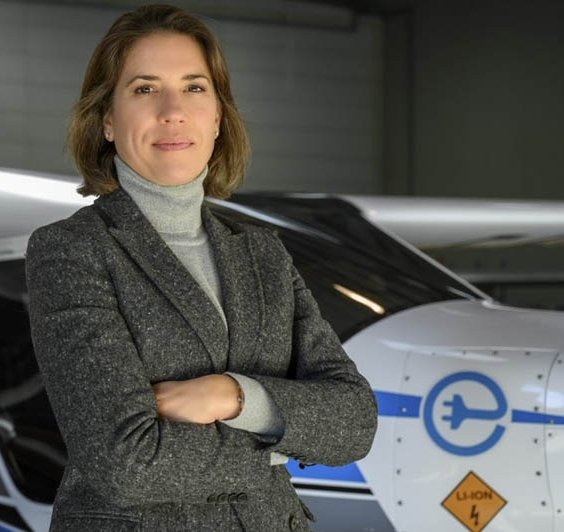
Aviation offers many routes to a rewarding career, but progress depends on more than technical knowledge alone. Practical experience, continuous learning, curiosity and the confidence to take on new responsibilities all play an important role, particularly for women entering the aviation and MRO sectors. These qualities have shaped the career of Magali Jobert, VP Sales, Asia Pacific, Air France Industries KLM Engineering & Maintenance. She joined Air France as a 16-year-old trainee and went on to work across technical, operational, commercial and leadership roles. Reflecting on her journey, she says, “Do not let your starting point limit how far you believe you can go.”
You began as a 16-year-old trainee at Air France and now lead APAC Sales at AFI KLM E&M. If you had to describe your career in three turning points, what would they be and why?
The first turning point was simply entering aviation. I was 16, and my father was an aircraft mechanic, so aviation was already part of my world. I joined Air France as a trainee without imagining where that first step would take me. Very quickly, the industry became a passion.
The second turning point was moving beyond purely technical and operational roles into customer-facing and leadership positions. I discovered that understanding aircraft and maintenance was only one part of the job. Understanding customers, people, business and how to bring different teams together was just as important.
The third was probably accepting roles for which I did not necessarily tick every box on day one. From leading AFMAÉ to managing international activities, joint ventures and asset management, and now leading Sales in Asia-Pacific, I have repeatedly had to learn fast and step outside my comfort zone.
Looking back, my career was not a perfectly designed plan. It was built through curiosity, hard work, opportunities and the willingness to say “yes” to challenges before knowing exactly how I would solve them.
You have worked in avionics, line maintenance, customer support, JV leadership and asset management. What did each of these phases teach you that still guides how you work today?
Each experience added a different layer.
Technical and maintenance roles taught me rigour, safety and respect for operations. In aviation, details matter.
Customer support taught me to listen. A good technical solution is not necessarily a good customer solution unless you really understand what the customer needs.
Leadership taught me that results come through people. You need expertise, of course, but you also need trust, clarity and the ability to bring people together.
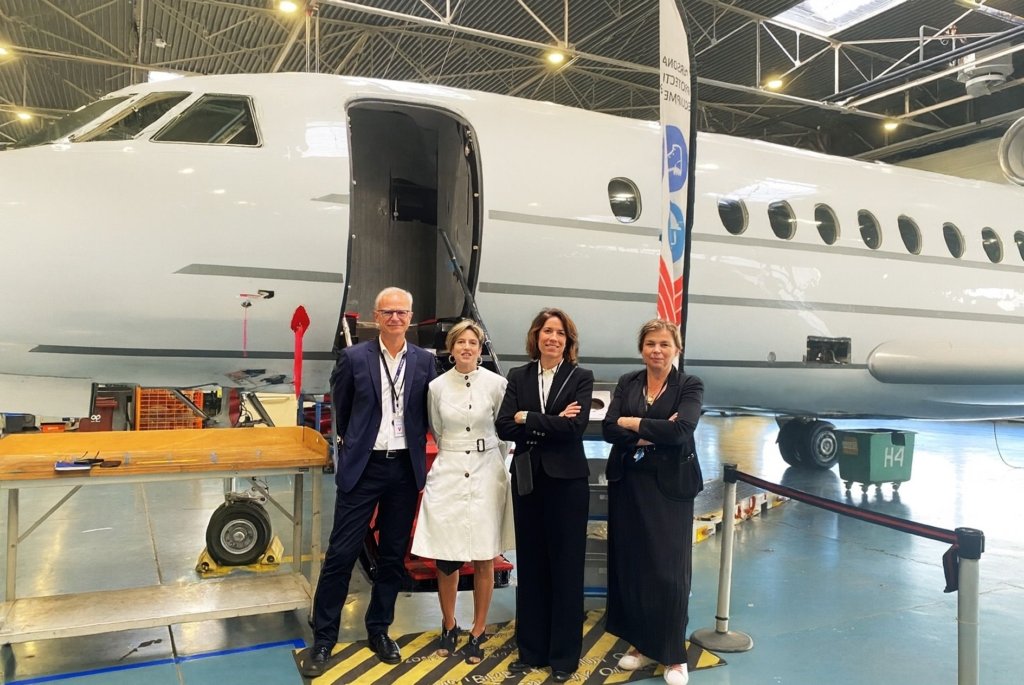
Joint ventures and international business taught me something else: there is rarely only one way of doing things.
Different companies and cultures can approach the same challenge very differently, and you have to understand those differences before trying to influence an outcome.
Asset management strengthened my business and financial perspective.
Today, when I look at an MRO solution, I naturally connect the technical, operational, customer and economic dimensions.
That combination is probably what guides me most today.
You have spoken about the challenges you faced as a woman in a male-dominated field. What were the biggest hurdles, and what advice would you give to a young woman in India who wants to build a long-term career in MRO?
When I started, there were very few women in the technical aviation environment. You sometimes had to prove your credibility before people even started listening to what you had to say.
But I learned not to spend my energy trying to behave like someone else. Competence, preparation, consistency and results build credibility over time.
My advice to young women would be: do not wait until you feel 100% ready before applying for a position or accepting a challenge. Very few people are completely ready for their next big role.
Build strong technical foundations, understand the business, find people you can learn from, and do not be afraid to make your ambitions visible.
And above all, do not think you need to choose between being yourself and being successful in a traditionally male environment. The industry needs different perspectives and different leadership styles.
In your view, which technical and non-technical skills will matter most for MRO professionals in the next 10 years? How should a young person prioritise building them?
Strong technical fundamentals will remain essential. Aircraft are becoming more sophisticated, data is becoming increasingly important, and new-generation fleets require new capabilities and continuous learning.
But technical expertise alone will not be enough. The MRO professionals who will make a difference will be able to combine technical knowledge with digital and data skills, business understanding, communication, problem-solving and the ability to work across cultures.
I would encourage young professionals to build a strong technical foundation first. Then learn how the whole MRO ecosystem works: operations, supply chain, engineering, finance and the customer.
And learn English. Aviation is an international industry. The ability to communicate confidently with people from different countries can completely change the opportunities available to you.
Finally, remain curious. Technologies and business models will change. Your ability to keep learning may ultimately be more valuable than any individual skill you have today.
At AFMAÉ, you strongly supported apprenticeships and vocational training. For India, where such systems are still developing, what kind of training model would you recommend to create a strong talent pipeline for MRO?
I strongly believe in learning by doing.
Aviation training should combine solid theoretical education with significant time in a real industrial environment. Students need to understand the theory, but they also need to experience the reality of a hangar, a workshop, safety requirements, operational constraints and teamwork.
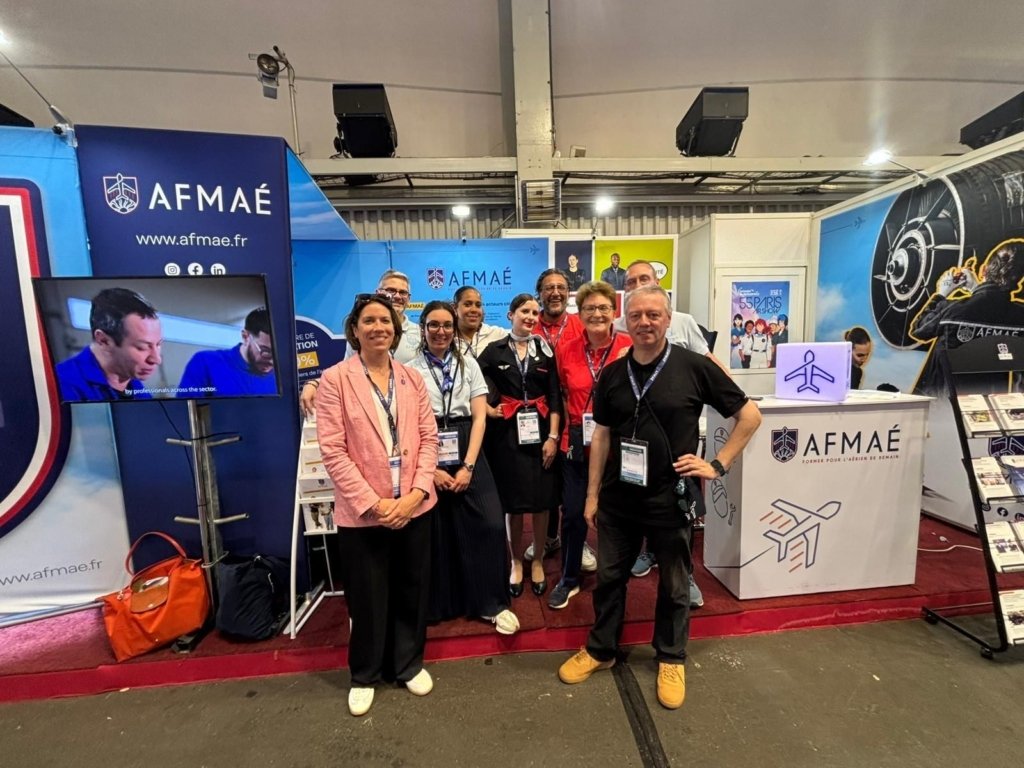
The strongest model, in my view, is a close partnership between training institutions and MRO companies.
Companies should not only recruit graduates at the end of their education; they should help design the programmes, provide instructors and mentors, offer apprenticeships and expose students to real aircraft and components as early as possible.
India has an extraordinary opportunity because its aviation market is growing rapidly. Developing MRO capacity and developing people should therefore happen together.
Training should not be considered a cost. It is an investment in the long-term capability and competitiveness of the industry.
If you could give one piece of advice to a 20-year-old in India from a modest background who dreams of a career in aviation MRO, what would it be?
Do not let where you start determine where you think you can go.
I started at 16 as a trainee. I certainly did not imagine that one day I would have an international career and lead teams and businesses across different parts of the aviation industry.
Focus on the next opportunity rather than trying to plan your entire career. Learn everything you can.
Be reliable. Ask questions. Work hard. Find people who are better than you at something and learn from them.
And when an opportunity scares you a little, consider taking it.
Aviation is an industry where passion, expertise and experience are built over time.
Your first job does not define your career. It simply gives you a place to start.
Also Read: Full Throttle: The Women Powering India’s Aviation from Ground to Sky