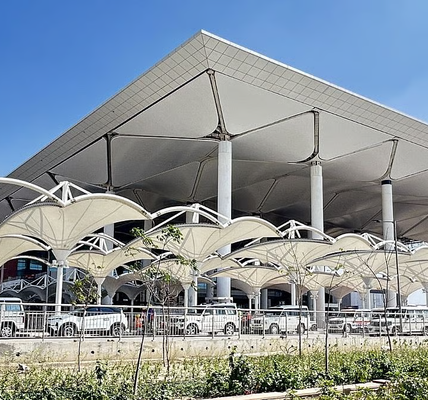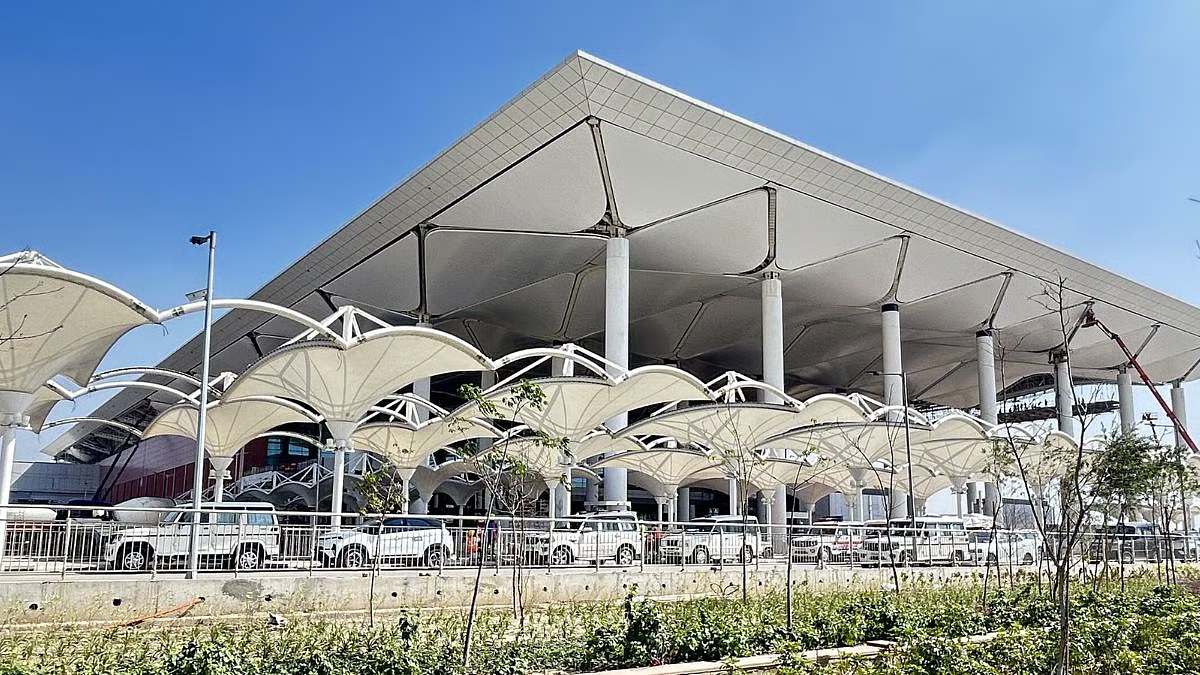













GMR Airports Unveils Multi-Phase Expansion Roadmap for Nagpur Airport

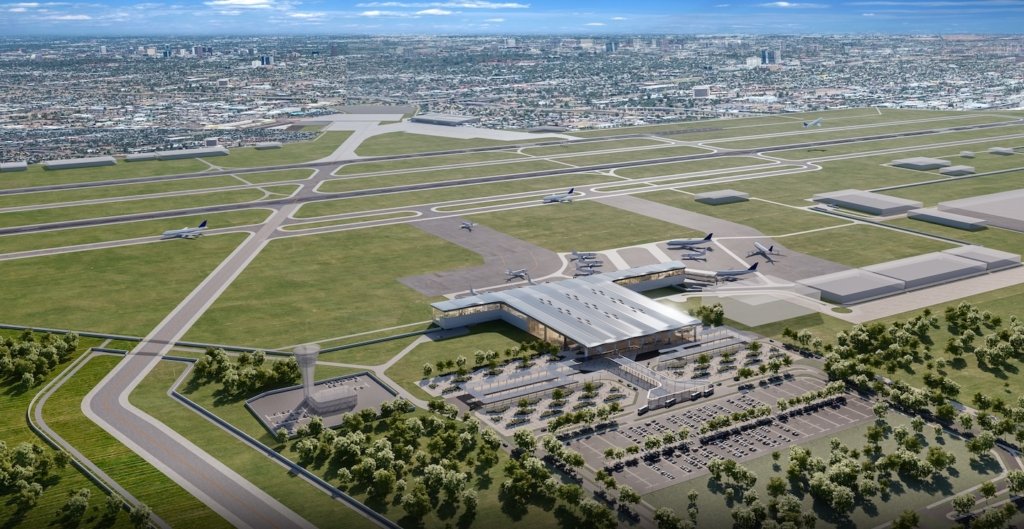
GMR Airports Ltd today unveiled an ambitious multi-phase modernisation and expansion roadmap for Dr. Babasaheb Ambedkar International Airport, Nagpur, reinforcing its position as India’s leading private airport infrastructure company and further strengthening its long-term growth platform.
The announcement follows the successful completion of the privatisation process of Nagpur Airport, MIL completing the handover process of approximately 1,000 hectares of land on June 25, 2026, and declaring the Commercial Operations Date (COD), enabling GNIAL to commence operations and initiate its long-term development plans for the airport.
The acquisition and development of Nagpur Airport significantly expands GMR Airports’ presence in India’s rapidly growing aviation sector and aligns with the company’s strategy of developing high-potential airport assets with strong passenger, cargo and commercial growth opportunities.
The first phase of the development roadmap over the next eight years aims to enhance passenger experience, expand operational capacity and position Nagpur as a leading aviation and logistics gateway for Vidarbha and the wider region. As part of this, GMR Airports will undertake immediate upgrades at the existing airport with an initial investment of about Rs 300 crore. Designed as a future-ready airport ecosystem, the programme will combine focus on key pillars of operational excellence, advanced technology, sustainability and world-class passenger amenities.
The phased expansion envisages increasing passenger handling capacity from the current three million passengers per annum to 30 million passengers annually during the 30-year concession period, with potential to further enhance capacity to 50 million passengers annually within the allocated land parcel.
Leveraging Nagpur’s strategic location at the geographical centre of India and the larger MIHAN ecosystem, the airport is also planned as a major cargo and logistics hub with a long-term cargo handling capacity of 150,000 metric tonnes per annum.
The transformation will focus on creating a seamless, efficient and convenient travel experience through modern facilities aligned with global standards. Sustainability remains central to the development strategy through greater use of green energy, rainwater harvesting, environmentally responsible infrastructure and extensive landscaping.

Out of the 1,000 hectares handed over to GNIAL, nearly 100 hectares have been earmarked for city-side development or Aerocity, which is expected to create new opportunities for commercial activity, employment generation and regional economic growth.
Mr. G.B.S. Raju, Chairman, GMR Airports, said: “At GMR Airports, we believe airports are much more than transportation infrastructure – they are powerful enablers of economic growth, regional development and social progress. The transformation of Nagpur Airport reflects our long-term vision of creating world-class aviation ecosystems that strengthen connectivity and contribute meaningfully to India’s growth journey. As the country continues its infrastructure-led transformation, we remain committed to building future-ready airports that serve as engines of nation-building while delivering exceptional experiences for passengers and communities alike.”
Mr. S.G.K. Kishore, Executive Director and Chief Innovation Officer, GMR Group, said: “Our vision for Nagpur Airport is to make it a future-ready, sustainable aviation hub that enhances connectivity. This expansion will be a step towards offering a smarter, seamless, and more comfortable travel experience, while reducing our environmental footprint and building resilient infrastructure for the future. As India continues to grow, we remain committed to developing world-class airports that support progress and sustainability—and we look forward to working together with all stakeholders to shape a greener and more inclusive future.”
Mr. Srikanth Bhandarkar, CEO, Nagpur Airport, said: “This expansion is more than an infrastructure upgrade – it is a transformation of the airport experience. Our vision is to create a future-ready gateway that offers efficiency, convenience and comfort to every traveller while contributing to Nagpur’s growth story. We are committed to delivering world-class aviation infrastructure that not only meets but exceeds the expectations of passengers, partners and stakeholders.”
The Nagpur development further strengthens GMR Airports’ position as a leading airport developer and operator, with a proven track record of developing and operating some of India’s largest aviation gateways. The project also reinforces the company’s strategy of creating integrated airport ecosystems combining passenger growth, cargo development, commercial real estate and non-aeronautical revenue opportunities.
The roadmap reflects GMR Airports’ commitment to developing next-generation aviation infrastructure while supporting regional economic development. By transforming Nagpur Airport into a modern aviation and logistics hub, the initiative is expected to boost trade, tourism and investment, strengthen connectivity and reinforce Nagpur’s strategic position at the heart of India.
Development Roadmap
Phase 1: Immediate Upgrades (Within 12-18 Months)
- Refurbishment of existing terminal and associated airside/landside facilities
- Additional check-in counters, self-check-in kiosks
- Reconfigured security check zone with additional X-ray machines
- New express security lane for hand baggage-only passengers
- Expanded forecourt kerb for smoother passenger access
- Additional and upgraded washrooms
- Dedicated domestic and international card lounges
- Expansion of bus boarding gates to four
Phase 2: Capacity Expansion and Growth (Years 3–4)
- New integrated passenger terminal with an initial annual capacity of 4 million passengers
- Additional contact and remote aircraft stand
- New cargo terminal with integrated processing capability (20,000 MT annual capacity)
- In-flight kitchen, fuel farm with underground fuel handling system and ground handling infrastructure
- Enhanced car parking and access road development
- Commercial and city-side development initiatives
Phase 3: Future Readiness and Long-Term Infrastructure (Years 5–8)
- Construction of a second runway
- New Air Traffic Control (ATC) tower and technical building
- Dedicated power and water infrastructure
- Additional infrastructure to support long-term growth and operational resilience

Aviation Jeta is an aviation news platform covering airlines, airports, aircraft, and global aviation developments. We publish accurate, well-researched, and detailed aviation news and industry insights from around the world.