











Mumbai Airport News: Airlines Raise Safety Concerns and Demand Terminal Capacity Assessment

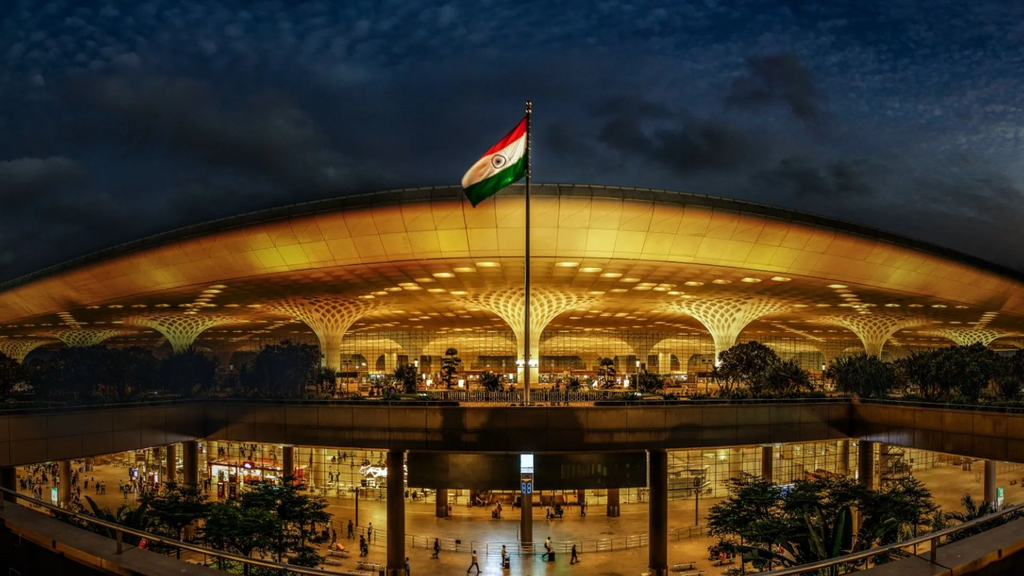
Mumbai Airport News
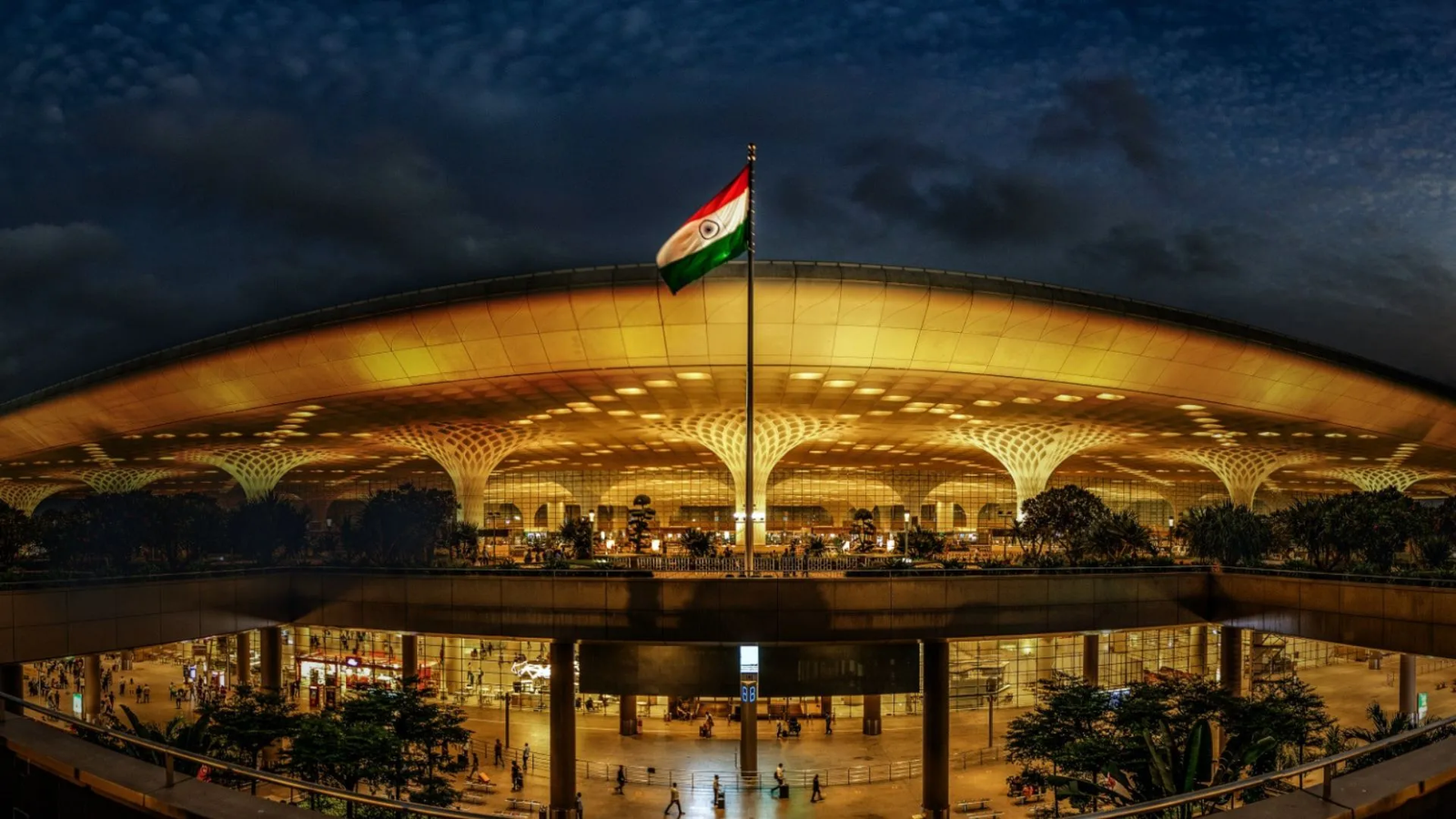
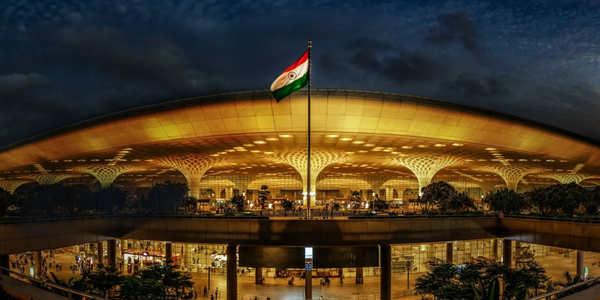
Mumbai airport operations have become a major topic of discussion as airlines seek more information about terminal safety, passenger capacity, and proposed changes to international flight schedules. The Airline Operators’ Committee (AOC), which represents airlines operating from Mumbai International Airport, has asked the airport operator to provide clear answers on these important issues.
Airlines want the proposed reduction in international departure slots, the structural safety of Terminal 1 (T1), and the capacity of both Terminal 1 and Terminal 2 (T2) to be discussed at a stakeholder meeting scheduled for October 13, 2026.
The meeting with Mumbai International Airport Limited (MIAL) comes after the Ministry of Civil Aviation intervened in discussions about the proposed transition of international flight operations from Mumbai to Navi Mumbai International Airport.
One of the main concerns raised by airlines is the proposed 33% reduction in international departure slots at Mumbai International Airport. Departure slots allow airlines to operate flights at specific times, subject to airport and aviation regulations.
Airlines want the airport operator to explain the reasons behind the proposed reduction and how it could affect their operations. A significant cut in departure slots may require airlines to change flight schedules and review their operational plans.
The AOC has asked for the issue to be included in the October 13 meeting agenda. Airlines are seeking greater clarity before any major changes are implemented.
The structural safety of Terminal 1 is another important issue that airlines want to discuss. They have requested information about the terminal’s safety reports and related assessments.
Airlines need clear information about airport infrastructure to plan their operations and ensure that passenger services can continue safely and efficiently. The requested reports are expected to help stakeholders understand the terminal’s condition and any concerns that may require attention.
However, the request for safety reports does not itself establish that Terminal 1 is unsafe. The purpose is to obtain relevant information and discuss the issue with the airport operator.
The AOC has also requested detailed capacity data for both Terminal 1 and Terminal 2 at Mumbai International Airport.
Capacity information is important because it helps airlines understand how many passengers and flights the airport can handle. It can also help determine whether the existing terminals can accommodate current and future travel demand.
Airlines want the airport operator to explain the available capacity at both terminals. This information may help stakeholders evaluate whether changes to flight operations or terminal usage are necessary.
A proper assessment could also support discussions about improving passenger movement, managing flight schedules, and using airport infrastructure more efficiently.
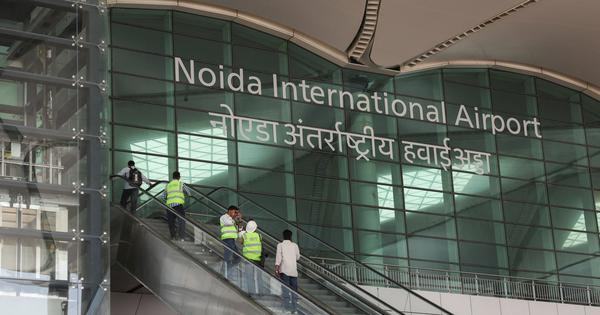
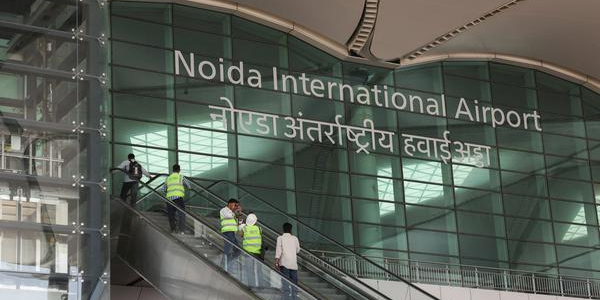
Another important issue is the proposed relocation of international operations to Navi Mumbai International Airport. Airlines have asked for alternatives to relocating operations and want the implications of the proposed transition to be discussed.
Any major change in airport operations can affect airline schedules, passenger convenience, ground services, and the movement of aircraft between airports. Airlines therefore want a clear understanding of the plans before making operational decisions.
The Ministry of Civil Aviation’s intervention has added importance to the upcoming stakeholder meeting. The discussions are expected to address the concerns raised by airlines and provide greater clarity about the proposed changes.
In a letter addressed to the Chief Airport Officer’s office at Chhatrapati Shivaji Maharaj International Airport, the AOC proposed six agenda items for the October 13 meeting.
The key issues highlighted in the report include:
- The proposed 33% reduction in international departure slots.
- Structural safety reports for Terminal 1.
- Capacity data for Terminal 1 and Terminal 2.
- Alternatives to relocating international operations to Navi Mumbai.
- The impact of proposed operational changes on airlines.
- Further discussions with the airport operator following the Ministry of Civil Aviation’s intervention.
These discussions are intended to give airlines and airport authorities an opportunity to examine the concerns and consider possible solutions.
The October 13 stakeholder meeting is an important step in addressing the concerns raised by airlines operating from Mumbai International Airport. The proposed slot reduction, Terminal 1 safety reports, terminal capacity, and the possible shift of international operations to Navi Mumbai are expected to be key topics.
Airlines are seeking transparency and detailed information before major operational changes take place. The outcome of the meeting could help clarify the airport operator’s plans and determine how the concerns of airlines will be addressed. Any final decisions will be important for airlines, airport management, and passengers who depend on Mumbai’s aviation network.

Ajeet Yadav is an aviation enthusiast covering airline news, airports, aircraft, and industry developments through well-researched and reliable reporting.