


Capacity Meets Capability: How Deutsche Aircraft Is Positioning the D328eco

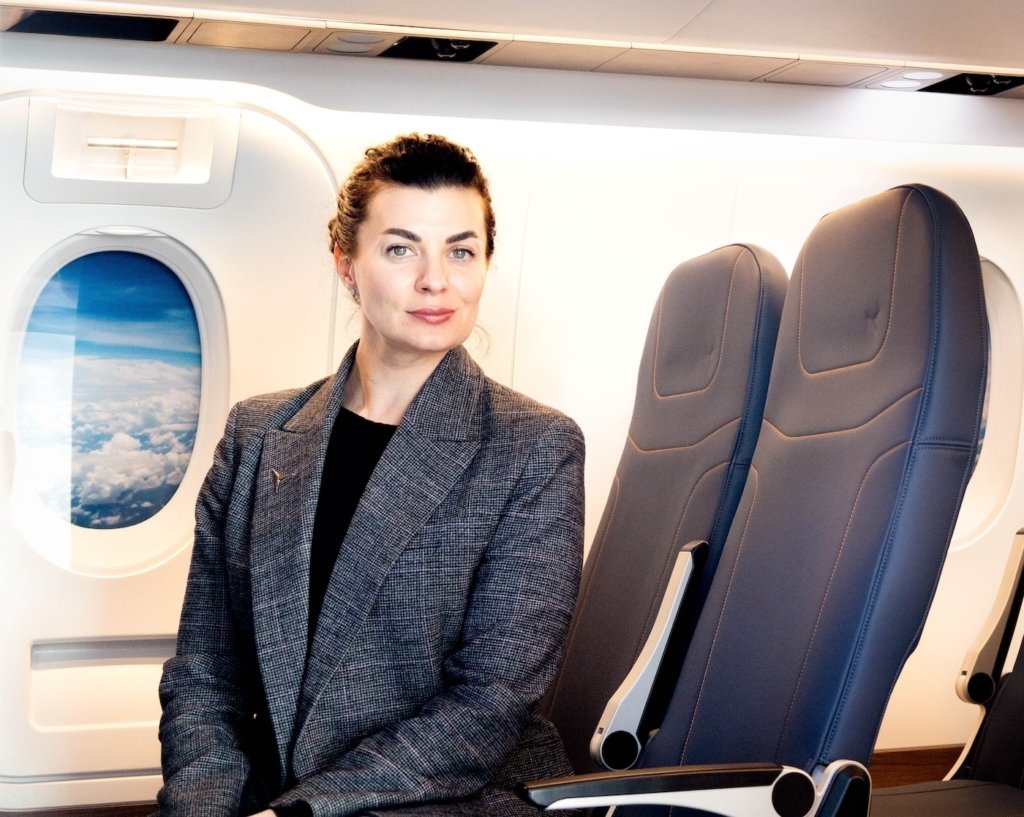
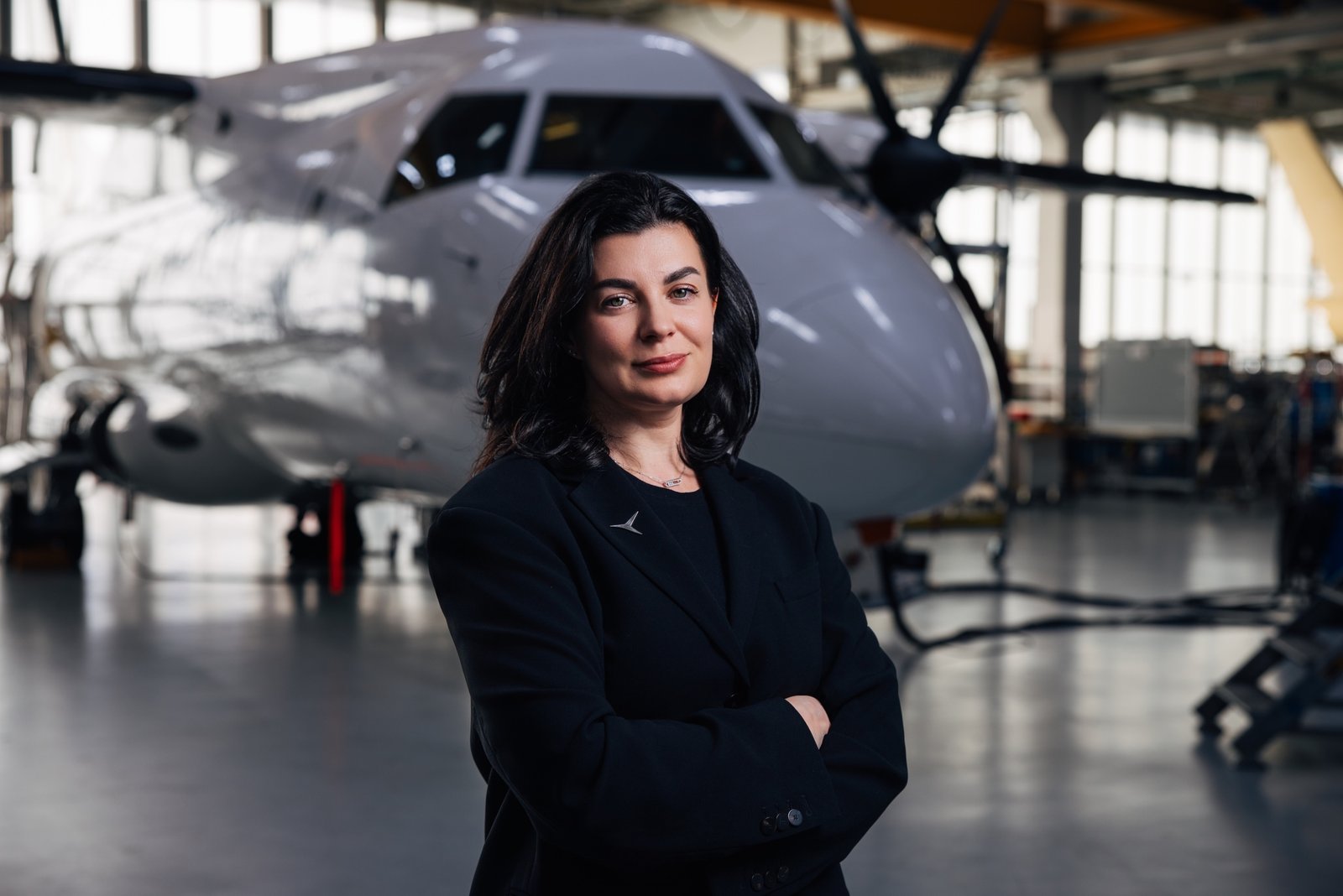
Bringing a new regional aircraft to market involves much more than finding airlines willing to buy it. The aircraft has to fit their networks and economics, while financing, maintenance, training, spare parts and long-term support have to be in place as the fleet enters service. Deutsche Aircraft is addressing these requirements as it prepares the 40-seat D328eco for the market. The company sees opportunities across passenger and multi-role operations, with India important both as a potential market and an industrial partner. Anastasija Visnakova, Chief Commercial Officer at Deutsche Aircraft, explains how the company is approaching market entry, customer support, sustainability and its approach to India and Asia-Pacific.
How does Deutsche Aircraft differentiate its commercial value proposition in a regional aircraft market dominated by established players?
Our differentiation begins with mission fit. The D328eco is designed for operators that require the economics of a modern turboprop but do not necessarily need, or cannot sustainably support, a 70-seat aircraft on every route.
Many regional markets simply do not generate the demand required to profitably fill larger aircraft year-round, particularly during the early stages of route development. In these environments, the combination of right-sized capacity, low trip cost and operational flexibility becomes more important than aircraft size alone.
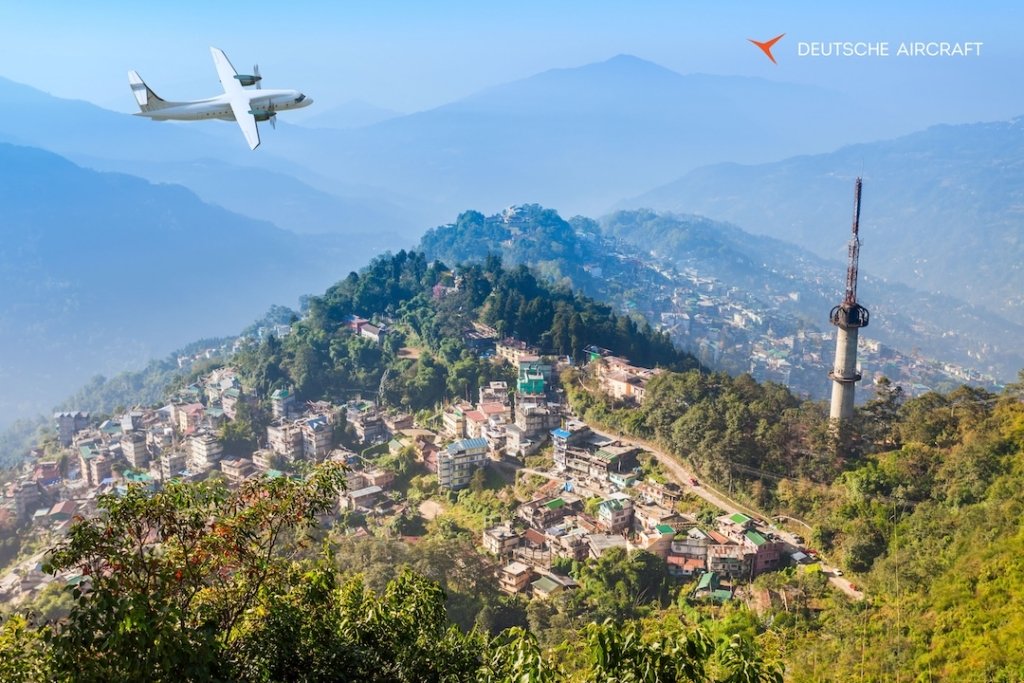
This is particularly relevant in India. Through the UDAN scheme, India has made remarkable progress in expanding regional air connectivity, and the next phase of that growth is increasingly focused on improving access to the Northeastern states, the Himalayan region and other geographically challenging parts of the country. These markets require an aircraft that can combine strong economics with exceptional airfield performance.
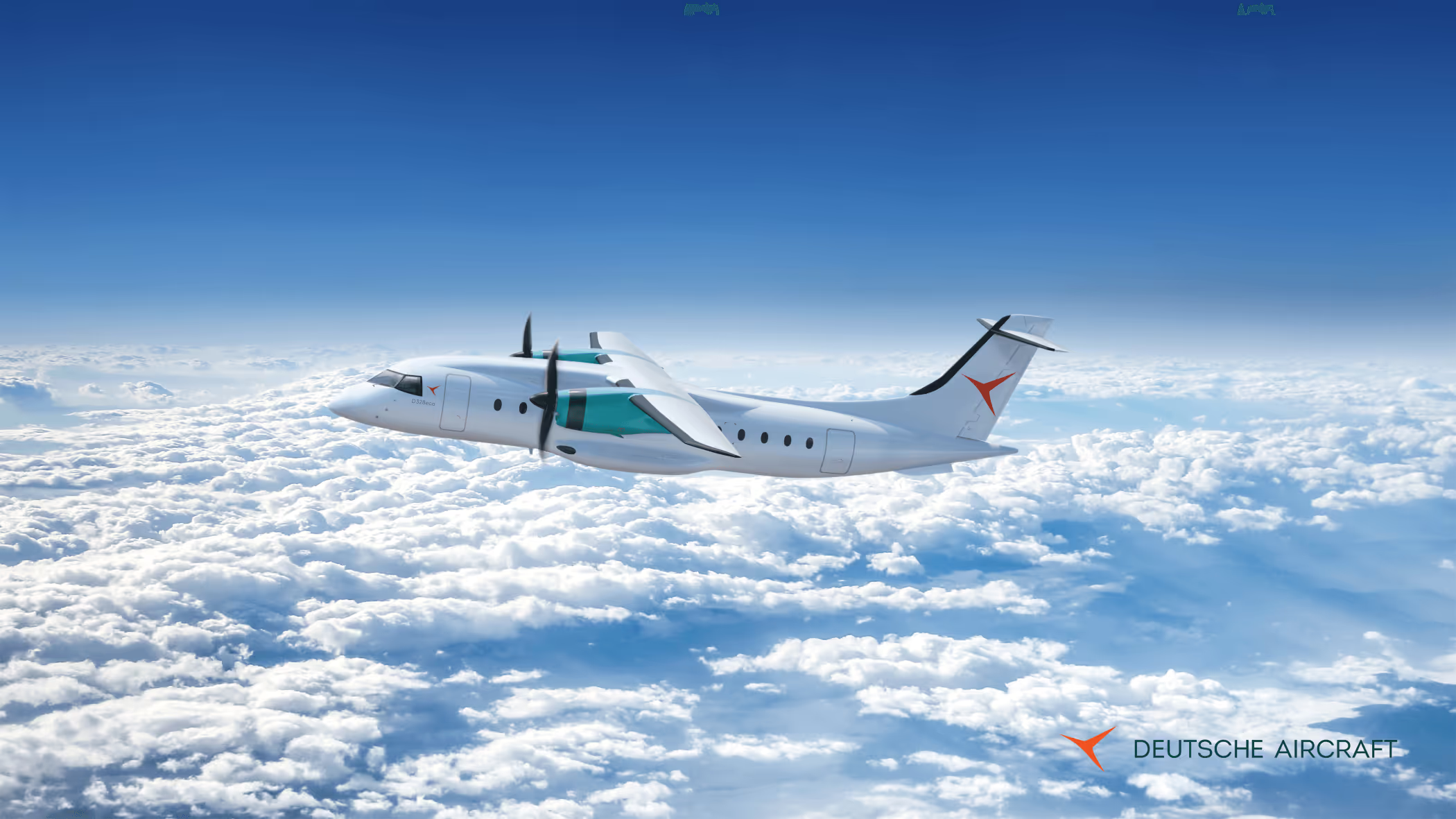
The D328eco has been designed precisely for this environment. Its 40-seat capacity allows airlines to right-size supply to demand, reduce commercial risk and increase frequencies without the trip-cost burden associated with larger regional aircraft. At the same time, its exceptional hot-and-high and short-runway performance enables operators to serve airports that are challenging for many aircraft currently deployed in the regional market.
A good example is Shimla Airport. As India’s regional connectivity ambitions evolve, policymakers have highlighted the importance of expanding services to destinations such as Shimla, where current operations can be constrained by payload limitations.
The D328eco directly addresses this challenge. Its performance enables operators to fully utilise the airport’s infrastructure while carrying a commercially meaningful payload.
In fact, the aircraft is capable of operating from Shimla with a full complement of 40 passengers and can connect destinations as far as Jaipur without payload restrictions, creating opportunities that are simply not practical with many aircraft currently serving these markets.
This combination of exceptional field performance and frugal operating economics allows airlines to unlock new regional opportunities, expand connectivity to remote communities and develop routes that are both operationally feasible and commercially sustainable. Rather than asking operators to choose between performance and profitability, the D328eco delivers both.
What is your prioritisation framework for market entry as the D328eco moves toward certification, entry into service, and first customer deliveries?
Our market-entry framework is disciplined and operator-led. We evaluate opportunities across several dimensions:
Mission fit: Markets with a clear requirement for a 40-seat aircraft, particularly thin regional routes, short sectors, and networks requiring right-sized capacity. An additional but significant advantage of the D328eco is its ability to serve operationally demanding airports and routes that require an aircraft with the right economics and performance characteristics.
Customer readiness: Operators with a credible fleet and network strategy, as well as the capability to successfully introduce a new aircraft type.
Economic sustainability: Markets where the aircraft’s trip economics, performance and capacity can create a durable commercial advantage.
Supportability: Availability of maintenance, training, spare parts, financing and after-sales support.
Strategic value: Opportunities that establish strong reference operators and support broader market expansion.
Portfolio balance: A healthy mix of geographies, operators and mission profiles.
As we progress toward certification and entry into service, our priority is not simply to enter as many markets as possible, but to ensure a successful introduction of the aircraft with operators whose requirements align closely with the D328eco’s capabilities. Strong launch operators create the foundation for sustainable long-term growth and broader market adoption.
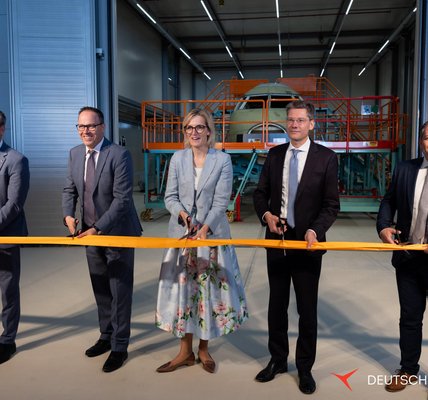
This approach is further supported by the industrial progress we have achieved. With the opening of our Final Assembly Line in Leipzig and the transition of the programme into industrialisation and production readiness, Deutsche Aircraft has established the foundation required to support future customer deliveries and long-term programme growth.
In parallel, we have secured nearly all major suppliers for the programme, ensuring a strong ecosystem as we move toward certification and entry into service.
How do you balance the civil passenger segment against multi-role and government opportunities in your long-term commercial strategy?
The civil passenger, i.e. the commercial market, remains central to the D328eco programme, particularly as airlines seek right-sized and fuel-efficient solutions for regional connectivity. However, the platform has also been designed with the flexibility to support a broad range of military/government and other special-mission applications.
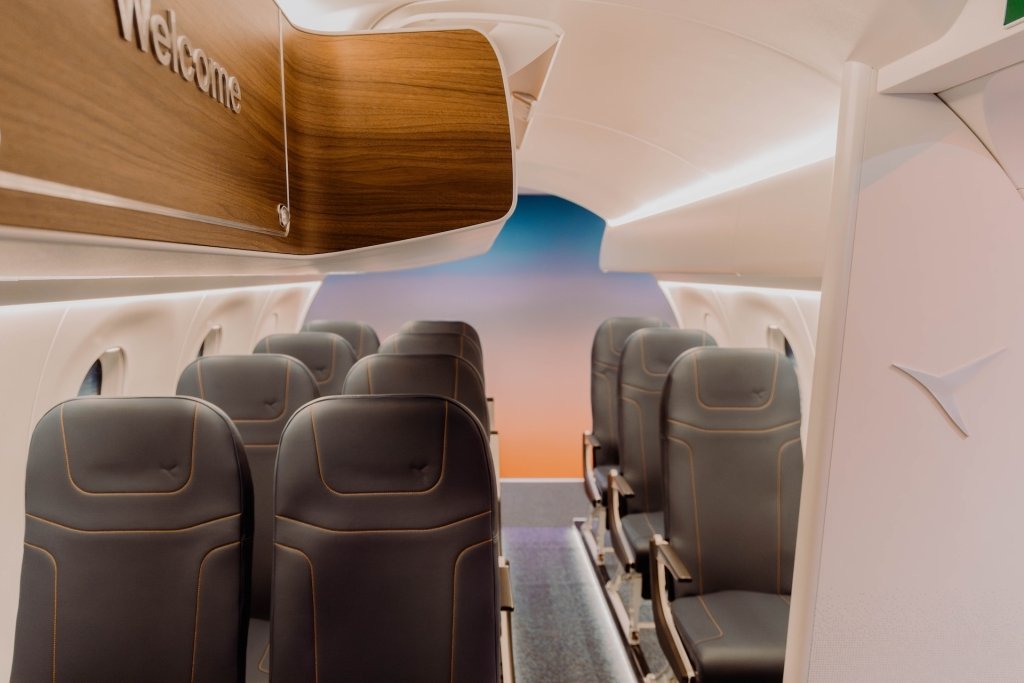
Features such as the large in-flight operable door, modular cabin architecture and quick-conversion capability make the D328eco particularly well suited to these requirements.
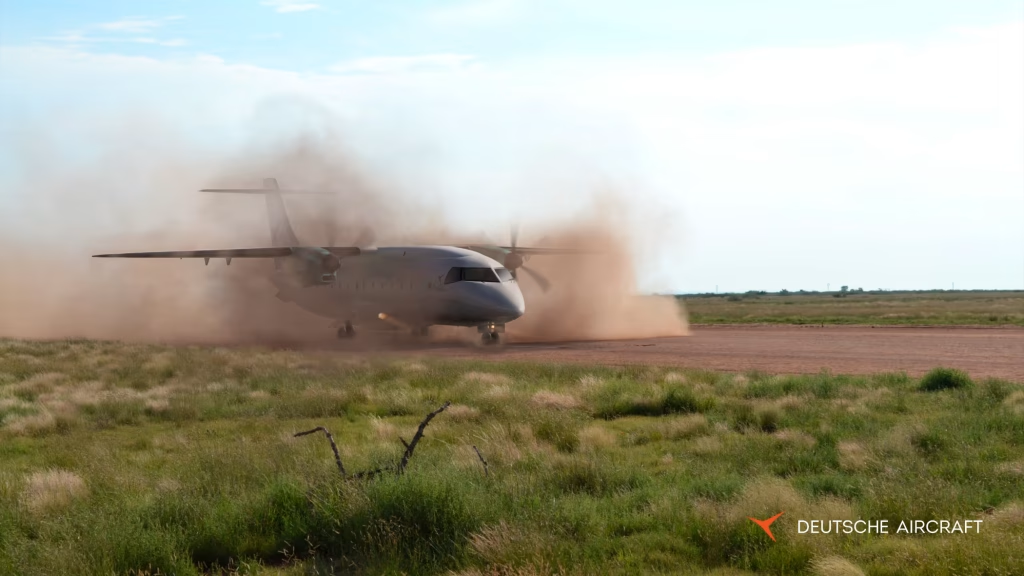
These segments are complementary rather than competing. Civil operators benefit from the aircraft’s efficiency, performance and right-sized capacity, while government customers benefit from the same platform’s robustness and flexibility.
A common platform across civil and multi-role applications also broadens the installed base and contributes to a more resilient support ecosystem.
In many ways, this approach follows the legacy of the aircraft itself. The predecessor to the D328eco, the Dornier 328 turboprop, earned a strong reputation as both a regional airliner and a highly capable multi-role platform.
One of its most notable operators today is the U.S. Air Force Special Operations Command (AFSOC), which operates a fleet of 20+ aircraft supporting specialised missions.
The D328eco builds upon that proven heritage with modern avionics, improved efficiency, enhanced sustainability credentials and next-generation systems. In that sense, the D328eco is not creating a new multi-role pedigree; it is inheriting and advancing a proven one.
We are confident that the aircraft will continue the platform’s legacy of versatility and mission adaptability while serving both commercial and government operators for decades to come.
What role do strategic partnerships with lessors, financing institutions, or MRO providers play in Deutsche Aircraft’s market entry strategy?
The aircraft and its ecosystem behind it are two sides of the same coin. Neither can deliver its full value without the other. Introducing a new aircraft requires far more than the aircraft itself. None of the aircraft’s potential matter if it isn’t backed by world-class support across its entire lifecycle.
Operators need access to financing, leasing solutions, maintenance support, training, spare parts, technical expertise and long-term residual value confidence. Lessors can help broaden access to the aircraft by reducing upfront capital requirements, while financing institutions play an important role in supporting airline growth and fleet expansion.
MRO providers and training organisations ensure operators can introduce and support the aircraft efficiently and reliably with proper training, spare parts availability, maintenance tools – they are the backbone of operational resilience.
Our strategy is to engage these stakeholders early, creating a comprehensive ecosystem around the aircraft rather than treating them as a post-sale consideration. Ultimately, our objective is not simply to place aircraft, but to ensure customers have all the tools necessary to operate them profitably and sustainably throughout their lifecycle.
How are you positioning the D328eco’s sustainability credentials, SAF compatibility, and fuel efficiency as a commercial advantage for operators?
The D328eco combines modern turboprop efficiency with Pratt & Whitney Canada’s PW127XT-S engines and is being developed to operate with future specifications for 100% Sustainable Aviation Fuel (SAF). Deutsche Aircraft and Pratt & Whitney Canada have also successfully conducted test flights using fully synthetic Fischer-Tropsch fuel as part of preparations for future SAF and Power-to-Liquid pathways.

But at Deutsche Aircraft, we position sustainability not just as an environmental but as an economic opportunity.
For airlines, fuel efficiency directly impacts operating costs and exposure to fuel-price volatility.
Equally important is right-sizing. Deploying a highly efficient 40-seat aircraft on routes where larger aircraft may struggle to achieve sustainable load factors can reduce fuel consumption and emissions while preserving connectivity and frequency.
The commercial advantages are clear:
- Lower fuel burn and operating costs
- Reduced environmental footprint
- Improved readiness for future sustainability requirements
- A credible pathway toward higher SAF adoption as supply becomes more widely available
For us, sustainability is not simply about complying with future regulations. It is about helping operators improve profitability while reducing their environmental impact.
What is Deutsche Aircraft’s strategic approach to the Indian regional aviation market, and how does it fit into your broader Asia-Pacific growth plans?
India is strategically important to Deutsche Aircraft in two ways: as one of the world’s most promising regional aviation markets and as an increasingly important aerospace industrial partner.
India’s regional aviation objectives are also closely aligned with the strengths of the D328eco. Through the UDAN scheme, India has successfully expanded air connectivity to underserved regions, and the next phase increasingly emphasises improving access to the Northeastern and Himalayan states where airport and operating constraints can limit the effectiveness of larger aircraft.
The D328eco’s combination of right-sized capacity, low trip costs and strong hot-and-high performance makes it particularly well suited to support this vision by enabling economically sustainable connectivity to communities that may otherwise remain underserved.
Across India, there are many regional city pairs where demand may not yet justify larger regional aircraft. A 40-seat platform can help bridge the capacity gap, allowing operators to stimulate demand, increase frequencies and build sustainable route networks over time.
India is also highly relevant to our broader Asia-Pacific strategy. Across the region, there are archipelagic networks, mountainous regions, secondary cities and remote communities that share similar connectivity challenges. Success in India can therefore act as a catalyst for wider regional adoption.
Beyond the market opportunity, India already forms an important part of the D328eco programme’s industrial ecosystem. Deutsche Aircraft works with Indian partners including Cyient, Dynamatic Technologies and SASMOS HET Technologies, reflecting India’s growing importance within the global aerospace value chain and based on the way things progress for us in the APAC region.
India already plays an important role in our global supply chain, and we will continue to evaluate opportunities to deepen that collaboration as the programme matures.
Beyond the current supply chain partnerships in India, what further localisation or market development initiatives are under consideration?
Our existing partnerships demonstrate that India is not viewed solely as an end market. It is already an important contributor to the D328eco programme through manufacturing, engineering and systems integration activities.
As the programme matures, we will continue evaluating opportunities for deeper engagement based on customer demand, supplier capability, economic competitiveness and long-term sustainability.
Potential areas include:
- Expanded component and systems sourcing
- Digital engineering and design support
- Maintenance and repair capabilities
- Technical training and workforce development
- Spare-parts distribution and logistics support
- Customer demonstration and evaluation activities
- Collaboration with airlines, airports, regulators and academic institutions
Our approach is pragmatic. Any localisation initiative must create tangible value for customers, the programme and India’s aerospace ecosystem. The objective is to build sustainable industrial partnerships that contribute to long-term growth for all stakeholders.
What conditions would need to be in place for the D328eco to build a sustainable customer base in India’s regional aviation market?
A sustainable customer base requires more than a strong aircraft. It depends on the alignment of customer demand, airline economics, financing availability, infrastructure development, and regulatory stability.
Several factors are particularly important:
- A clearly defined role for 40-seat regional aircraft within airline networks
- Commercially sustainable regional routes
- Competitive financing and leasing solutions
- A dependable MRO, training and support ecosystem
- Continued airport and infrastructure development
- Stable and supportive regulatory and policy frameworks
- Strong launch operators capable of demonstrating the aircraft’s value proposition in Indian conditions
Many of these prerequisites are already present in India today. The country has one of the world’s fastest-growing aviation markets, a strong regional connectivity framework through UDAN, an expanding airport network, a growing aerospace ecosystem and increasing participation from airlines, lessors, financiers and MRO providers.
What is often missing is an aircraft that combines the right capacity, economics and operational performance to make certain regional markets sustainably viable.
We believe the D328eco fills that gap. By complementing the country’s existing aviation infrastructure, policy framework and regional connectivity ambitions, the aircraft can help airlines expand services profitably while supporting India’s broader objective of connecting more communities by air.
Our approach, therefore, is not simply to introduce a new aircraft into India. It is to become a long-term partner in the continued development of India’s regional aviation ecosystem.
Also Read: Wings of Opportunity: Deutsche Aircraft Puts India at the Centre of Its D328eco Play