









Key Takeaways
- The Adani Rewards loyalty programme reached five million members in ten months, highlighting a significant shift in Indian airport loyalty schemes.
- Passengers can join by simply using their mobile number at the point of purchase, making the enrolment process seamless.
- Seasonal campaigns helped maintain visibility and engagement across eight airports from the programme’s launch.
- Non-aeronautical revenue increased significantly, indicating the programme’s positive impact on overall performance.
- For future growth, integrating deeper airline miles connectivity and pre-ordering options will enhance the loyalty experience for members.
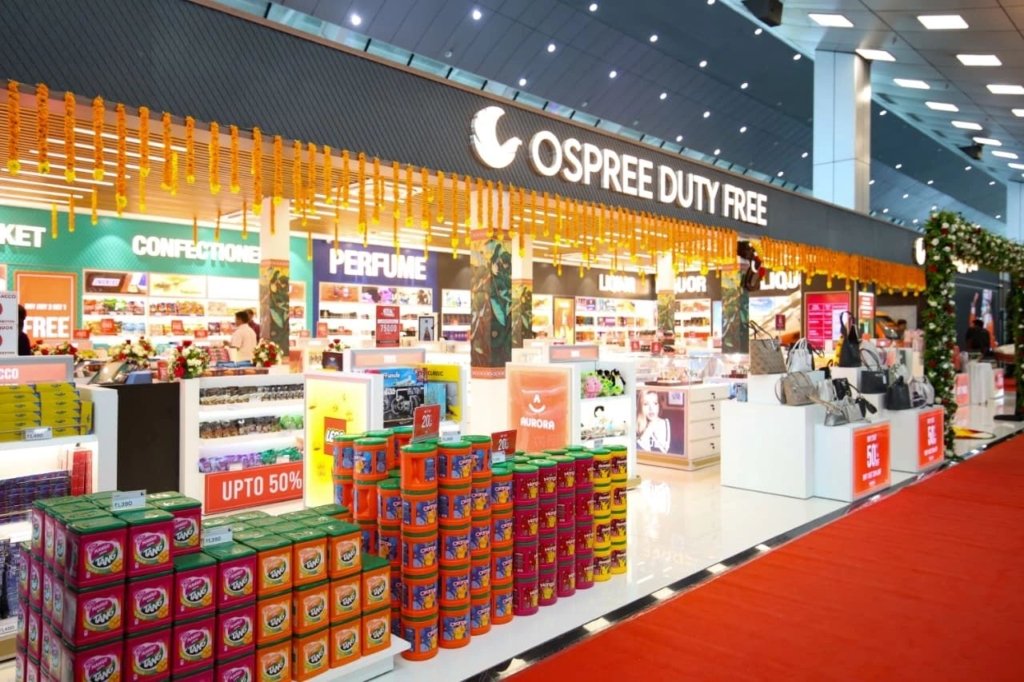
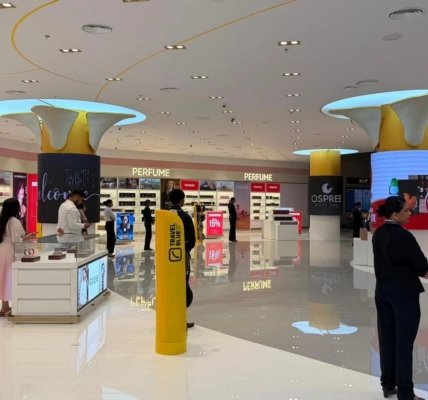
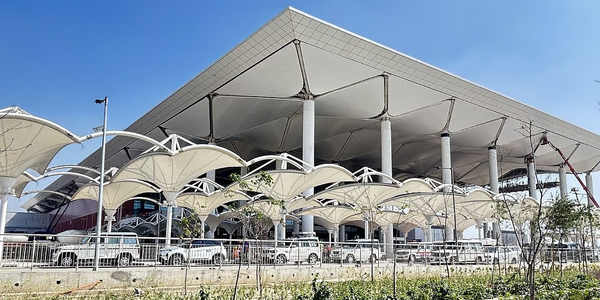
Photo: Ospree Duty Free
Five million members in ten months is a number that gets attention. And it should.
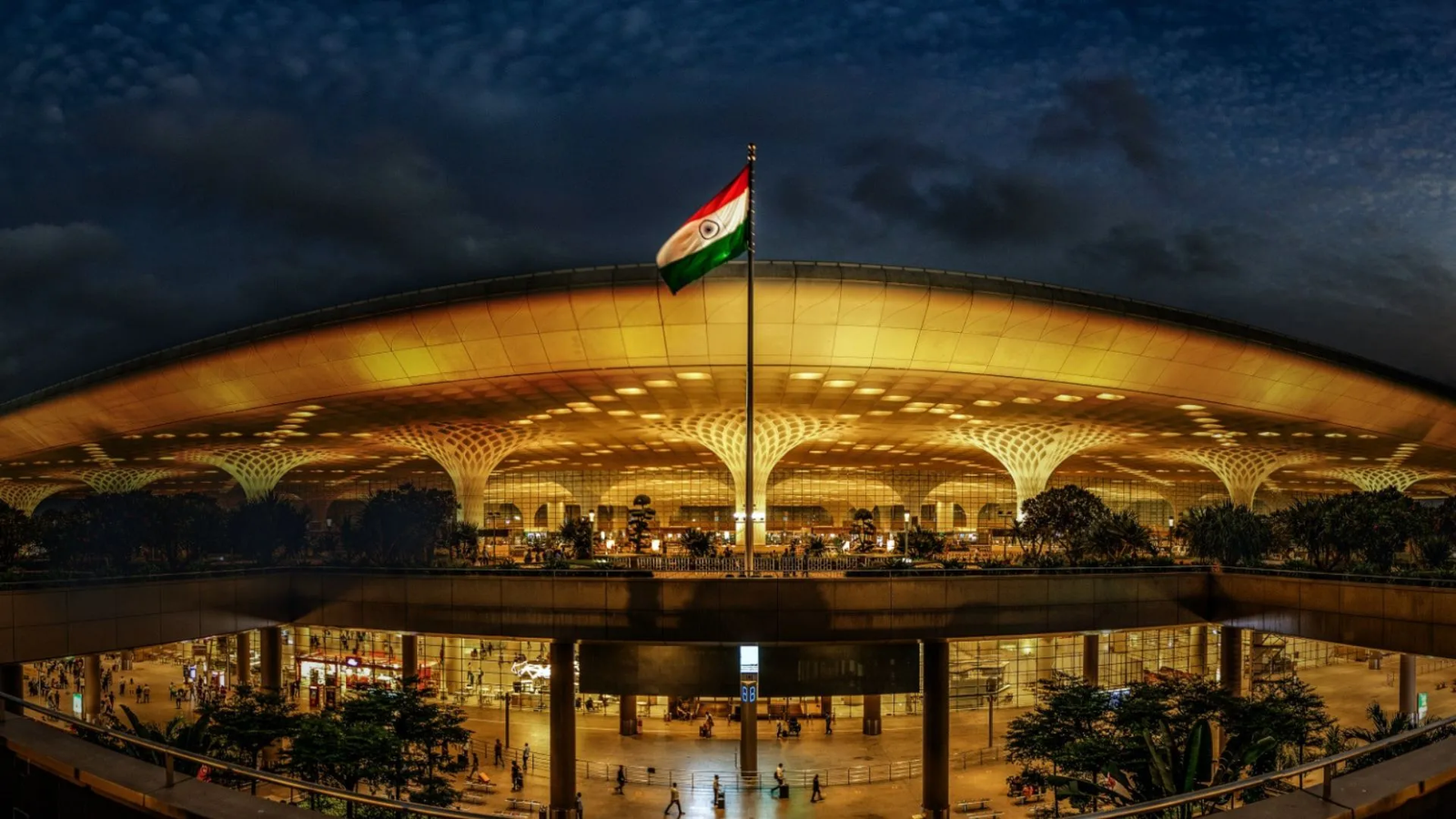
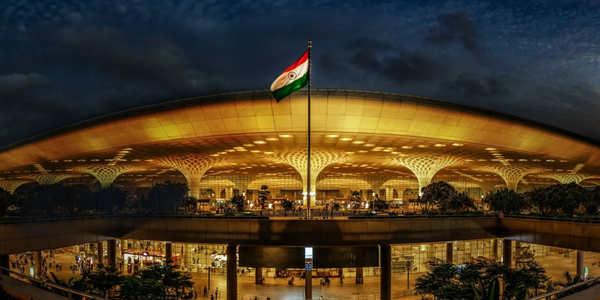
When Adani Airport Holdings launched Adani Rewards in September 2025, India had no functioning integrated airport loyalty programme.
By July 2026, AAHL had enrolled roughly one in every twenty passengers who moved through its eight airports over the previous year.
Digital commercial engagement at Indian airports was close to zero two years ago. That context matters. Behind the membership number is an enrolment decision that most operators get wrong.
Passengers join on a mobile number at the point of purchase. No app download. No form. No delay between spending and accumulating. That simplicity sounds obvious, but it is not how most loyalty programmes have been built, and it is the reason most of them fail before they find enough users to matter.
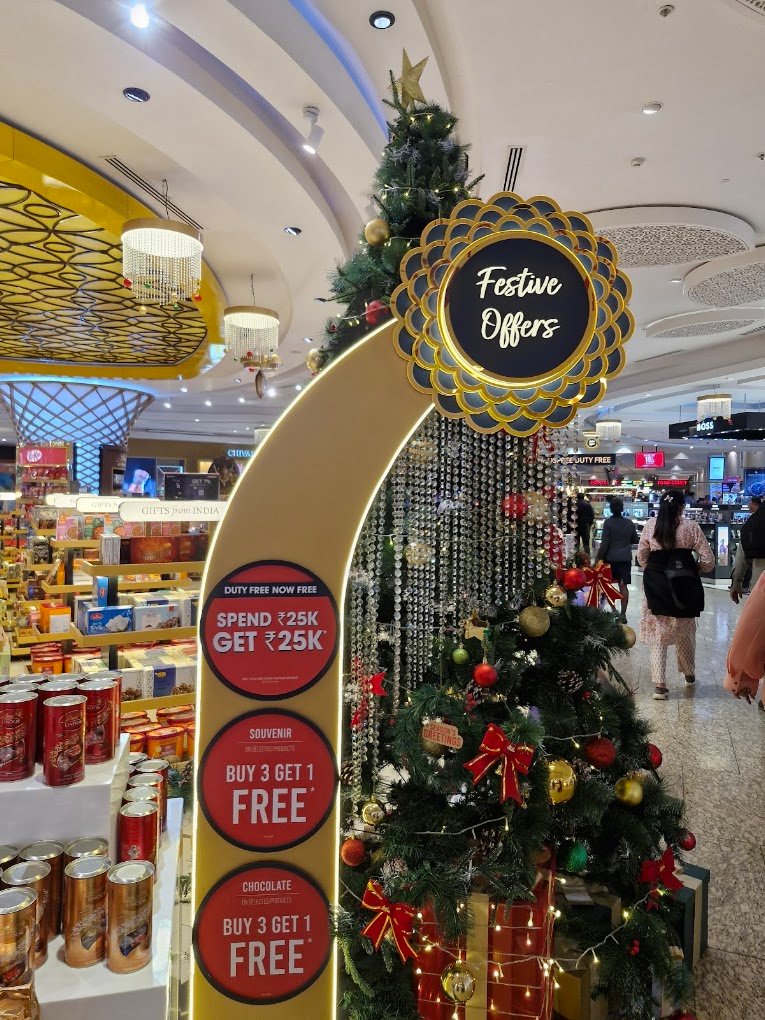
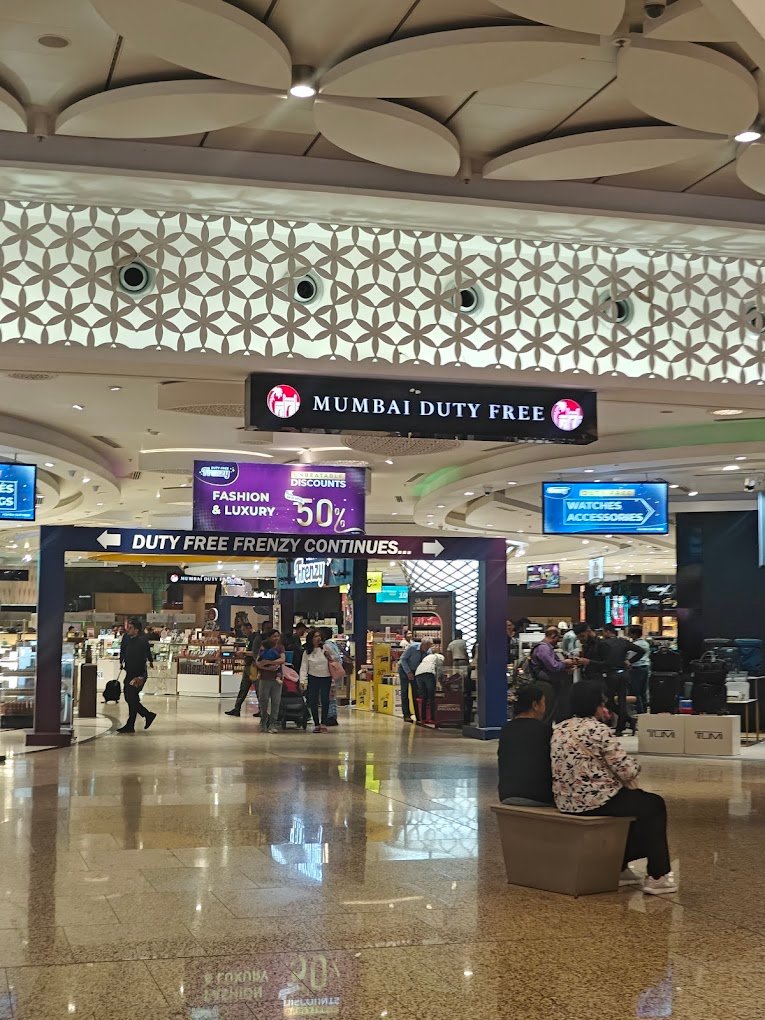
Seasonal campaigns around Diwali, Winterfest, and Summer Carnival kept the programme visible when terminals were fullest. Running one programme across all eight airports from launch gave Adani One something no Indian airport operator had previously managed: genuine national reach on opening day.
The FY26 numbers show a portfolio moving commercially. Non-aeronautical revenue reached ₹64 billion, up 31 per cent on the year. Duty-free came in at ₹21 billion, up 32 per cent. Non-aero income per passenger reached ₹672, thirty per cent above the prior year.
The loyalty programme did not produce those figures on its own.
Ospree’s retail expansion, the move to self-operated ground handling after Celebi’s exit, and improved F&B performance all fed into it.
But the loyalty layer changes something more durable than any single revenue line.
When category managers know what a passenger bought across their last three visits, the offer placed in front of that passenger on the fourth visit converts differently than a seasonal promotion sent to everyone.
AAHL has not published member conversion rates or average transaction values by loyalty status.
Those are the figures that reveal whether the data layer is working commercially, not just operationally. The aggregate non-aero trend says it is. The specific measure has not been disclosed.
The GMR comparison is useful, though not a clean one. GMR Airports reported non-aeronautical income per passenger of ₹600 in FY26, up 62 per cent year on year.
At Delhi, duty-free spend per passenger reached ₹1,063 for the full year. GMR’s FY26 total income came in at ₹15,201 crore, up 40 per cent, and the company posted positive PAT for the first time in over a decade.
These are strong results from airports built around a structurally different passenger base. Delhi and Hyderabad carry far higher proportions of international travellers, which supports duty-free yield in a way that Lucknow or Guwahati cannot replicate at their current traffic mix. GMR has no loyalty programme.
DigiYatra gives passengers a faster entry experience. It is not a commercial mechanism. Nothing on the GMR side captures purchase histories in Delhi or Hyderabad, segments passengers by spending behaviour, or builds profiles that feed category ranging and promotional targeting.
For all of GMR’s per-passenger commercial strength, AAHL is accumulating something GMR does not have: a proprietary transactional dataset that grows with every member purchase. This year’s non-aero revenue comparison is one way to read that gap. The dataset is another, and its value compounds across years, not quarters.
Airport loyalty programmes globally have produced uneven results. Changi Rewards has over two million members against sixty-eight million annual passengers. The headline membership figure is not where the value lies. Changi built iShopChangi into a meaningful revenue channel by opening it to non-travelling Singapore residents and expanding the brand catalogue past 2,000.
The tier structure reaches an invitation-only Monarch level requiring S$25,000 in annual qualifying spend. Points convert to KrisFlyer miles. None of that was built quickly. More than a decade of iteration separates the programme’s launch from its current commercial depth.
Heathrow Rewards follows a comparable path, with mechanics revised repeatedly as member behaviour data accumulated.
The lesson from both is the same: registration numbers are a starting point.
Active engagement rate and average spend lift against non-members are what determine whether a programme is commercially functional, not merely large.
AAHL has not disclosed its active member rate. That figure- how many of the five million transacted in the last ninety days- is what separates a loyalty programme from a large contact list.
The tier-based model planned for later in 2026 is the right next move.
A passenger with transactions from a higher tier makes different spending decisions inside the terminal than one with nothing at stake.
But tiers are the entry point, not the destination. The programme needs deeper airline miles connectivity. Passengers who accumulate IndiGo BluChip points or Air India Flying Returns should be able to earn or convert Adani Rewards across the same journey.
That range of connectivity moves the loyalty relationship out of the terminal and into the booking window, where travel spending decisions are already being shaped.
Pre-order is the structural gap. Changi built iShopChangi around capturing intent before the passenger reaches the terminal. An Adani One member who selects products from the Ospree catalogue before leaving home and collects a pre-packed order at a dedicated counter arrives with a transaction already completed.
The margin is better for the operator, and the experience is simpler for the passenger than anything the duty-free floor produces from cold browsing. For NRI- returning passengers at Mangaluru and Thiruvananthapuram, where arrival purchase intent is high and category preference is well understood, a WhatsApp-linked pre-order channel in the relevant language requires no heavy infrastructure and would show measurable uplift quickly.
Five million registered members is a milestone the programme earned. The number that comes next is how many of them bought something last month.
Also Read: The Stranger in the Store: Why Airport Retail Still Doesn’t Know Its Passengers

Ashraf Fathi has 29 years of professional experience, 18 of them in global travel retail. He was Country Managing Director of Dufry Group (now Avolta) from 2008 to 2018, and now runs Ashraf Fathi Advisory, serving airport authorities, travel retail operators, luxury retailers and institutional investors across MENA and Africa.