













Key Takeaways
- India’s major airports, like Bengaluru and Mumbai, have achieved significant awards for design and sustainability.
- However, their non-aeronautical revenue per passenger remains low compared to global averages, indicating room for improvement.
- Bengaluru airport reported an impressive 23.9% increase in international traffic, while Delhi’s non-aeronautical revenue grew by 9%.
- The aviation sector faced challenges in FY26, with a slow growth rate largely due to geopolitical tensions affecting international travel.
- To enhance revenue, airports should focus on increasing international traffic and improving passenger experience in retail and dining.

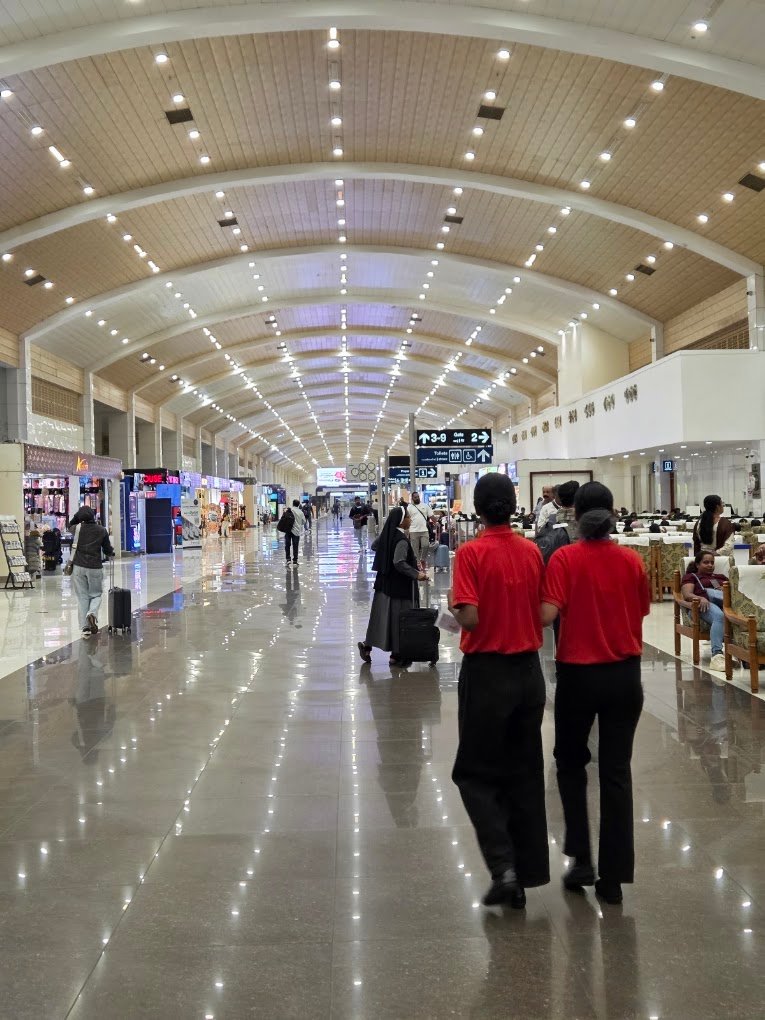
India has largely solved its terminal problem. Bengaluru’s Terminal 2 won the Prix Versailles World Special Prize for an Interior and was named among the world’s most beautiful airports.
The airport as a whole has now won ACI’s Airport Service Quality award for Best Airport at Arrivals Globally for four years running, with the latest announced in March 2026.
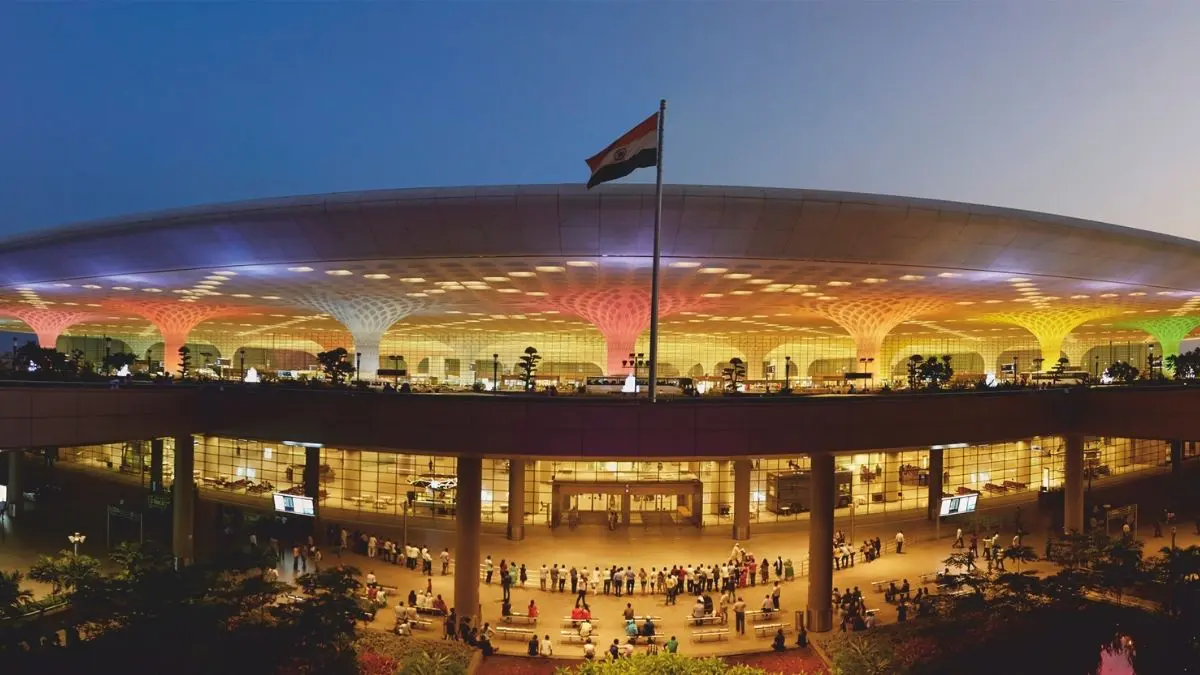
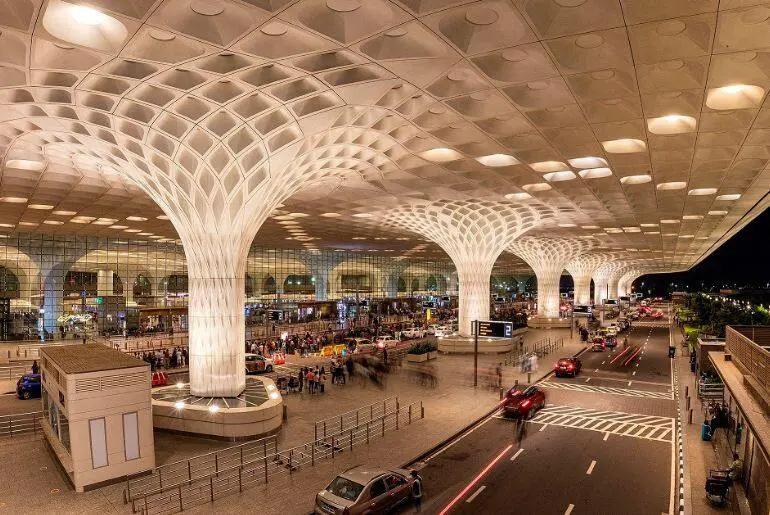
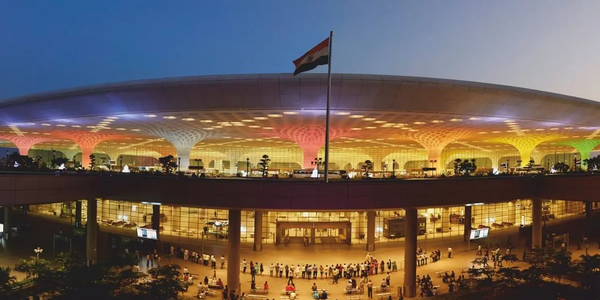
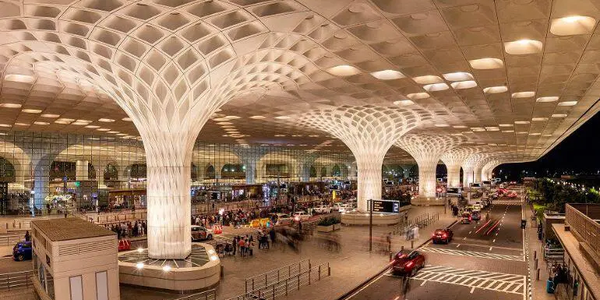
Mumbai’s Terminal 2 holds an AIA Institute Honor Award and LEED Gold certification for a building designed for 40 million passengers a year.
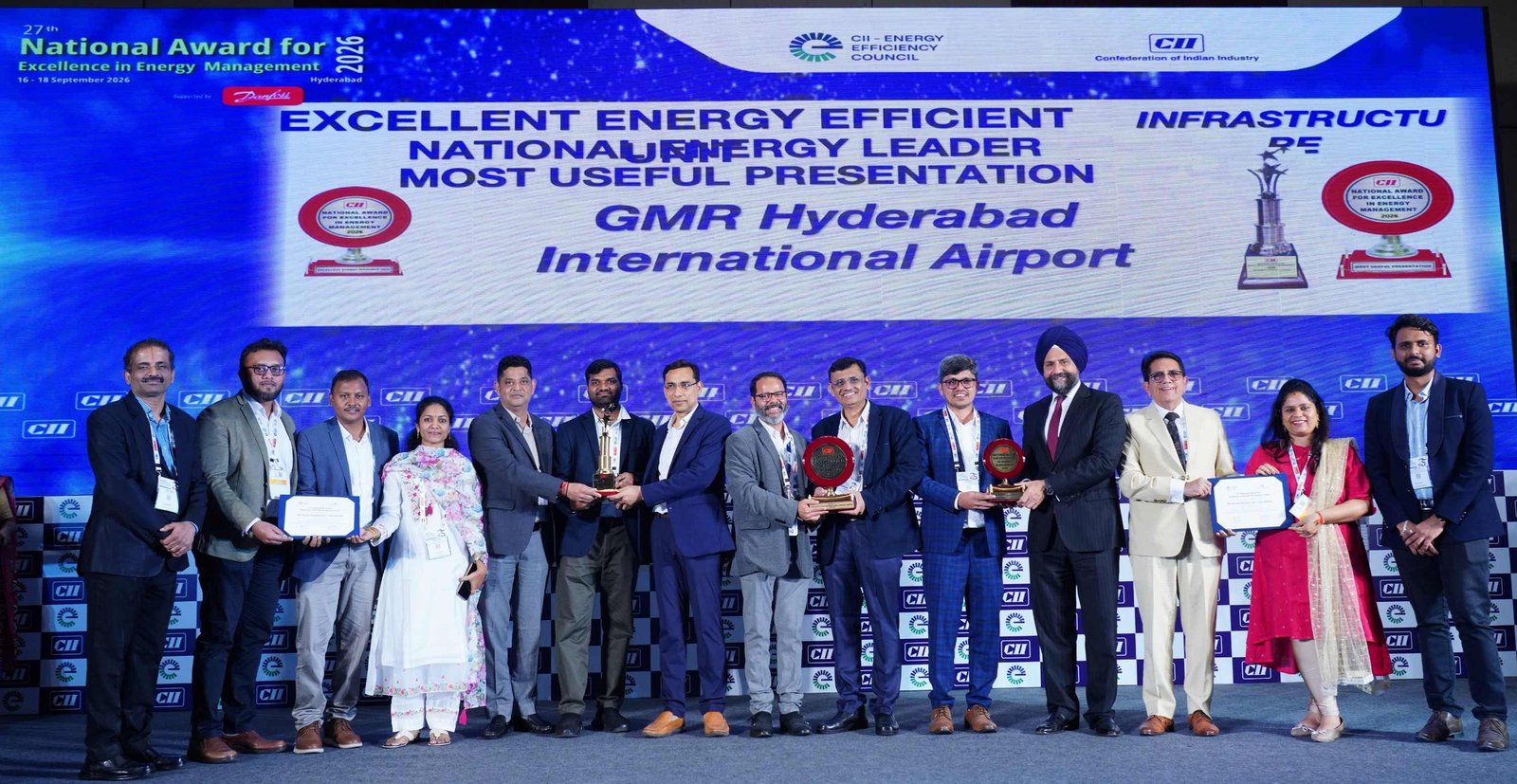
Hyderabad’s expanded terminal earned LEED Platinum in June 2025. Cochin has run entirely on solar power since 2015, the first airport in the world to do so, and in 2018 signed an agreement to give technical assistance to three airports in Ghana. Delhi reinaugurated a refurbished Terminal 2 in October 2025, after the airport handled about 79 million passengers in FY2024-25.
The money behind it is documented. IBEF reports that India’s aviation infrastructure received over ₹96,000 crore, about $11.2 billion, in capital expenditure between FY20 and FY25 through the Airports Authority of India (AAI) and public-private partnerships.
A government parliamentary reply puts national installed capacity above 580 million passengers a year, and IBEF, citing AAI data, reports 420.09 million passengers handled in FY26. That leaves about 160 million passengers of headroom in aggregate, though individual airports and peak periods stay tight. On design, sustainability and scale, the case is made.
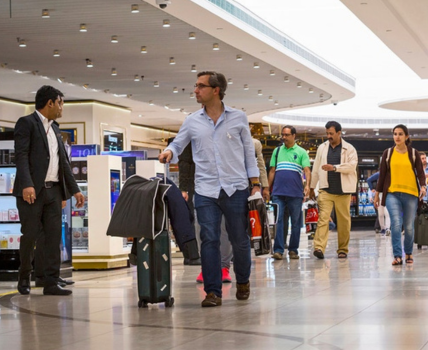
The commercial numbers tell a different story. According to ICRA’s comparison, India’s major public-private airports, including Delhi, Mumbai, Bengaluru, Hyderabad and Cochin, generated average non-aeronautical revenue of $4.30 per passenger in 2023-24.

Photo: CSMIA
Major airports elsewhere generated between $7.20 and $15.90. The Indian average for FY2018 to FY2020 was $3.80. The terminals changed beyond recognition over those years.
In nominal dollars, the yield moved by 50 cents. The comparison is directional, since traffic mix, concession structures, airport samples and revenue definitions differ from market to market, but the direction is clear.
ICRA’s analysts give the reason on the record. Indian airports carry a smaller share of international and transit passengers, and a higher international mix generally produces better non-aero yield.
They add that purchasing power matters, because a shop can only earn what the passenger walking past it is able to spend. A hub that lives on international and transit traffic starts with a large pool of travellers who buy duty free, use lounges and pay for a proper meal.
A domestic-heavy airport starts with a smaller one. ICRA’s own expectation, stated in 2024, was that Delhi and Mumbai would reach around $7 per passenger within a few years, which would still only reach roughly the floor of the global range.
FY26 tested that explanation. ICRA began the year forecasting traffic growth of 7 to 9 per cent. It cut that to 5 to 7 per cent in September 2025, citing cross-border tensions and reduced aircraft availability after the June 2025 Ahmedabad crash. In March 2026, it moved its view of the industry from stable to negative, after the West Asia conflict escalated on 28 February and disrupted access to some international airspace.
Government figures put the outcome at about 420 million passengers, up from 412 million the year before, a growth of roughly 2 per cent. The sector had a poor traffic year, just when airports needed stronger international and transit growth to lift commercial yield.
Two airports did not wait for growth to arrive. Bengaluru reported that international traffic rose 23.9 per cent to 7.23 million passengers, while domestic traffic grew 3.3 per cent to 37.24 million, bringing the airport’s total to 44.47 million. That is the lever ICRA named, and Bengaluru pulled it in a year when the national total barely moved.
Delhi pulled the other one. Its passenger numbers slipped about 1 per cent, but according to Mint’s report on the results, non-aero revenue grew 9 per cent to ₹3,607 crore and food and beverage grew 18 per cent to ₹390 crore.
Reported passenger spend rose from ₹1,010 to ₹1,063. India Ratings put non-aero at around 47 per cent of Delhi’s overall revenue in FY26, against a backdrop of sharply higher regulated aeronautical charges. It sold more to the passengers it already had.
The route from here has three parts, and none of them needs another terminal.
Grow the international and transit share, which Bengaluru is already doing. Put food and beverage investment where dwell time is longest, because that is where a passenger is standing still and hungry. And treat arrivals retail as its own problem, built around the purchase the returning passenger settled on before he boarded, which was the argument of my last piece.
The buildings are ready. The commercial plan now has to be built with the same intent as the roof, and it has to meet the passenger before the shop does.
Also Read: India’s SAF transition must move from policy ambition to commercial scale

Ashraf Fathi has 29 years of professional experience, 18 of them in global travel retail. He was Country Managing Director of Dufry Group (now Avolta) from 2008 to 2018, and now runs Ashraf Fathi Advisory, serving airport authorities, travel retail operators, luxury retailers and institutional investors across MENA and Africa.