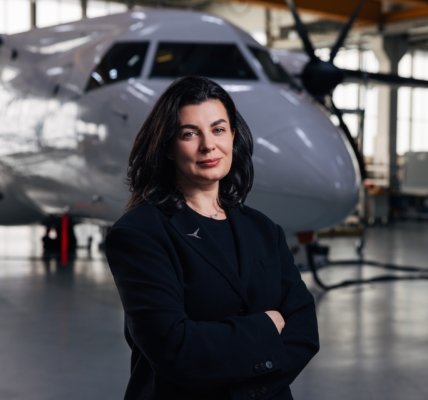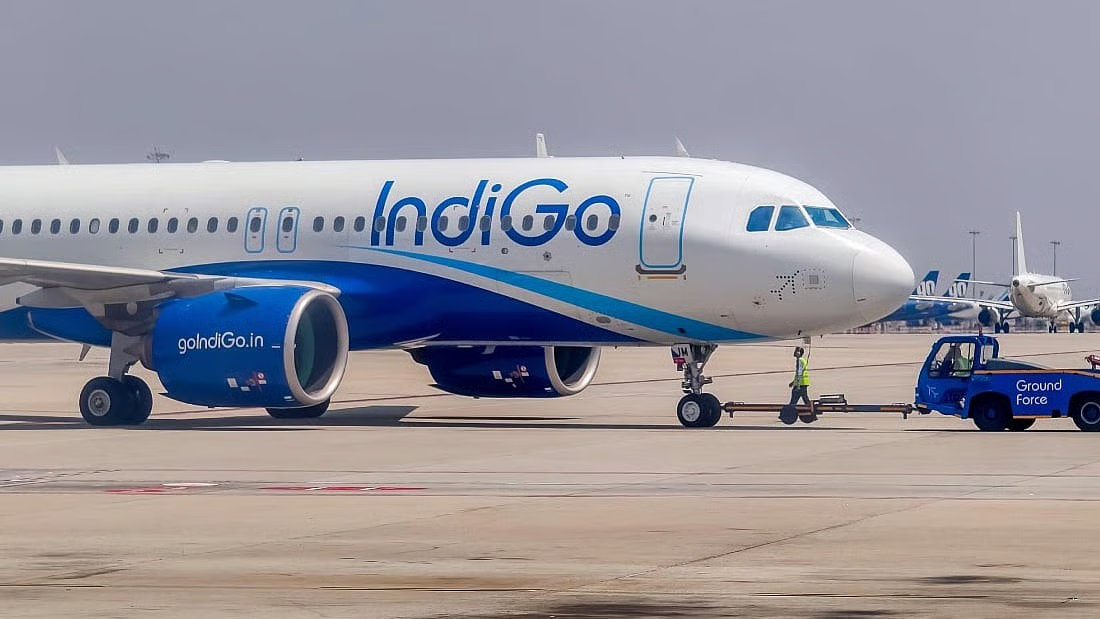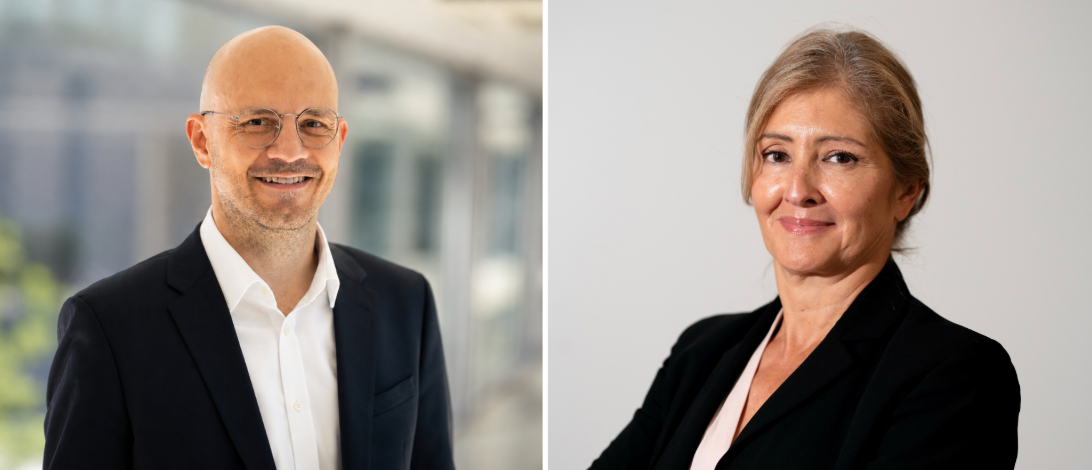





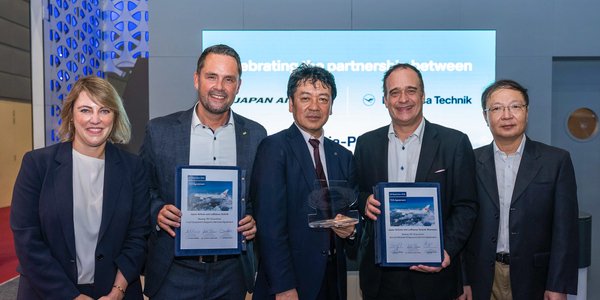


Airport expansion has to account for more than additional passenger capacity. Changing travel patterns, work at operational airports and new aviation technologies are also affecting how facilities are planned for the years ahead. For SJ Group, this involves combining advisory, engineering and design expertise with modelling that can test how expansion, maintenance and future traffic could affect day-to-day operations before work begins on site. With projects ranging from major hubs such as Changi and Jeddah to regional airports, Thomas Warren, Global Head of Operations, Aviation at SJ Group, discusses changing operator requirements, the use of digital tools and the opportunities the company sees in India.
Could you outline SJ Group’s aviation services and some of its key projects?
SJ Group is wholly owned by Temasek. We provide services across the airport development process, from feasibility studies, master planning and design to construction delivery, programme management and operational transformation.
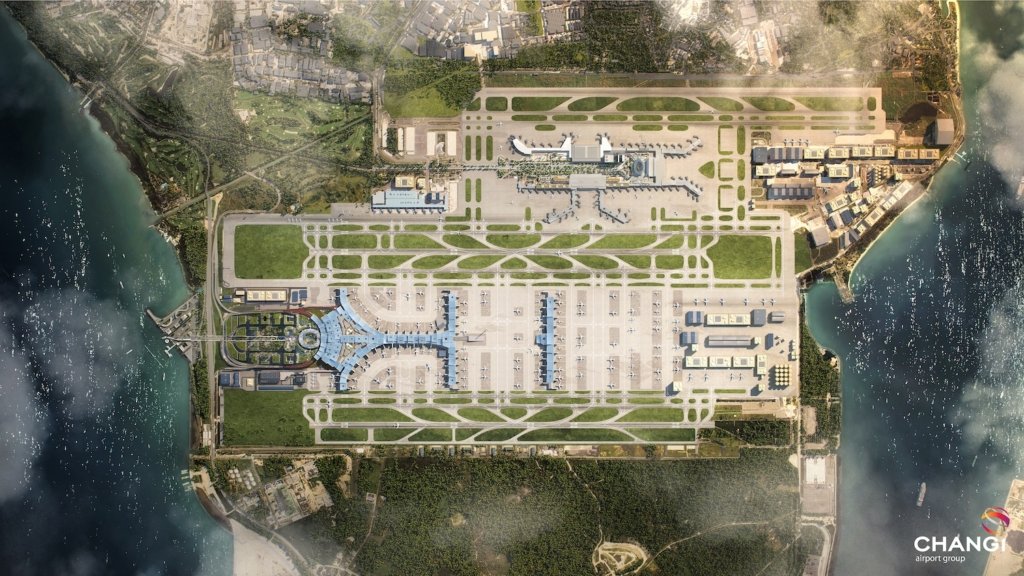
We are the lead engineers for Changi Airport’s Terminal 5. We have been involved in the project for eight years and will probably be involved for another eight to ten years. In Jeddah, we are the programme manager for the airport’s expansion projects.
Our work in the Maldives on the new terminal and runway expansion is nearing completion. In India, we worked with Tata Projects on Noida International Airport, developing Grimshaw’s concept design into construction drawings and overseeing the construction of the terminal and airport facilities.
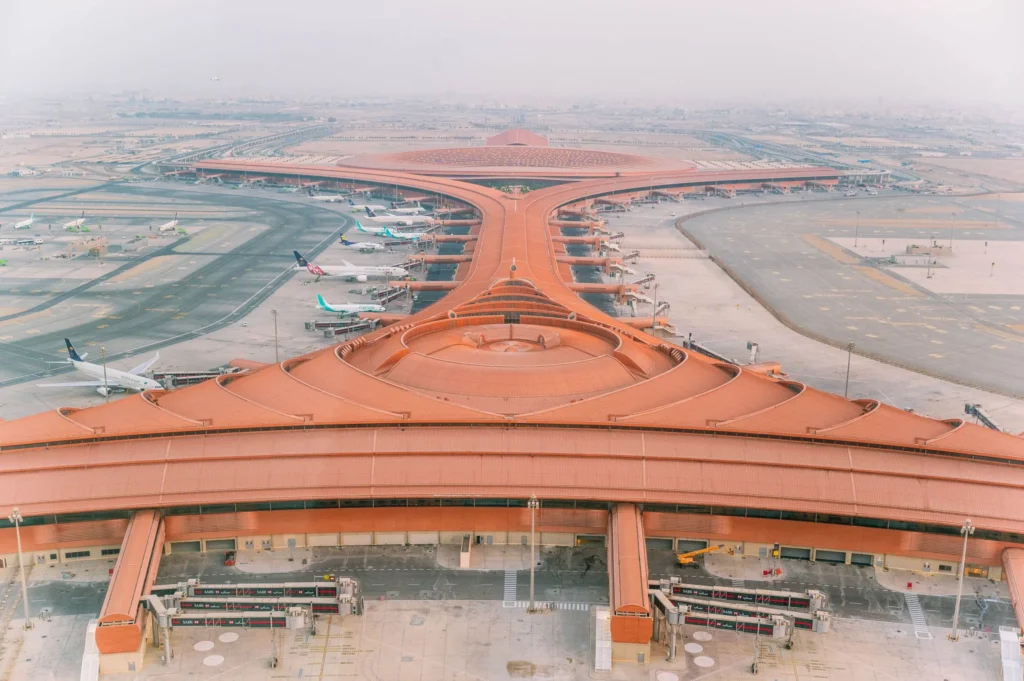
Photo: SJ Group
We also designed a smaller terminal at Durgapur for 1.5 million passengers. Across Asia Pacific, we are seeing growth in regional airport expansion, particularly at airports handling between one million and ten million passengers a year. Much of this activity is in tier-two and tier-three cities.
Beyond cost, how have airport operators’ requirements changed in recent years?
Our aviation experience and long-standing relationships with airport operators bring repeat business. However, requirements are changing as both airports and airlines respond to developments since the pandemic.
We are seeing the premiumisation of travel, with larger business-class cabins and more premium-economy seating. At the same time, the growing middle class in Asia and Southeast Asia is travelling more, contributing to expansion in the low-cost carrier market.
Airports need to accommodate both trends. Flexibility is therefore important, both in how we work with operators and in how airport plans and designs can adapt to changing requirements.
What is the main focus of your aviation business, and how do your modelling tools support airport projects?
Advisory is our main focus, through SJ Group and our member companies such as Robert Bird Group.
Airports are complex operational environments, particularly when construction takes place alongside normal operations. Our modelling software shows how the airport will be affected on any given day in the construction programme. From the control tower’s viewpoint, for example, operators can assess the location and progress of construction activities.
Robert Bird Group’s software, Reveal, produces a 4D model of the airport and the proposed development. We can examine the model from any angle and select a particular day in the construction schedule. It can show where a crane will be positioned or whether an aircraft stand needs to close during an expansion.
Combining the model with specialist aviation inputs, such as flight schedules, helps us assess the operational effects of construction. We can then advise on improving airport operations and safety while minimising disruption.
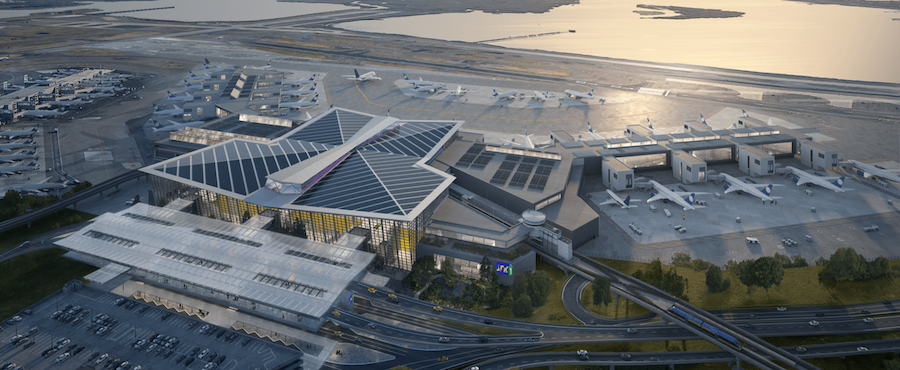
Photo: Robert Bird Group
We also have the capability to create full digital twins and simulate airport operations at different traffic levels, and are currently doing so for several airport clients. These models can be used to assess current operations, future expansion and the operational impact of planned maintenance.
How does the aviation team draw on the expertise of SJ Group’s member companies?
We advise airports on electric vehicles, solar power and rainwater harvesting, which can deliver improvements relatively quickly. These form part of our advisory services, alongside planning for longer-term sustainability goals.
Longer-term planning must also account for changes in technology. Electric aviation, hydrogen and sustainable aviation fuel are developing, and airports need to be able to adapt as these technologies become more widely used.
Our advice covers how to incorporate that flexibility into airport plans and designs.
What solutions can you offer existing airports that need to expand or improve their facilities?
Expansion is complex when an airport has to remain operational. Modular construction is attracting interest because it can reduce construction time and provide greater flexibility. Although it can involve additional costs, operators value the time savings and flexibility it offers.
We are working with an airport operator in Australia on a modular terminal expansion. The operator expects that, in ten years, it could remove a module and replace it with one incorporating updated technology.
We also advise airports on making better use of their existing terminals and improving operational efficiency. Before committing to further construction, it is worth assessing what can be achieved with the infrastructure already available. We can do more with less; additional infrastructure is not always required.
Technology will continue to offer opportunities to improve operations. The question is how quickly governments and civil aviation authorities can keep pace with these developments.
What expertise do you have in India, and does your aviation team there also support overseas projects?
Our operations in India cover several sectors, including roads, rail, hydropower, dams, tunnels and master planning. We also have a team of aviation specialists who have been involved in the Noida project.
As a global company, we draw on expertise across our network to deliver projects internationally. Our Indian aviation team is currently working on Bishoftu, the new airport being developed to serve Addis Ababa in Ethiopia.
We draw on the strengths of our teams in different locations according to each project’s requirements.
How do you assess the opportunity in India, and what challenges need to be addressed?
India is a growth market for our aviation business. Regulatory and government-related challenges exist in every country, not only India.
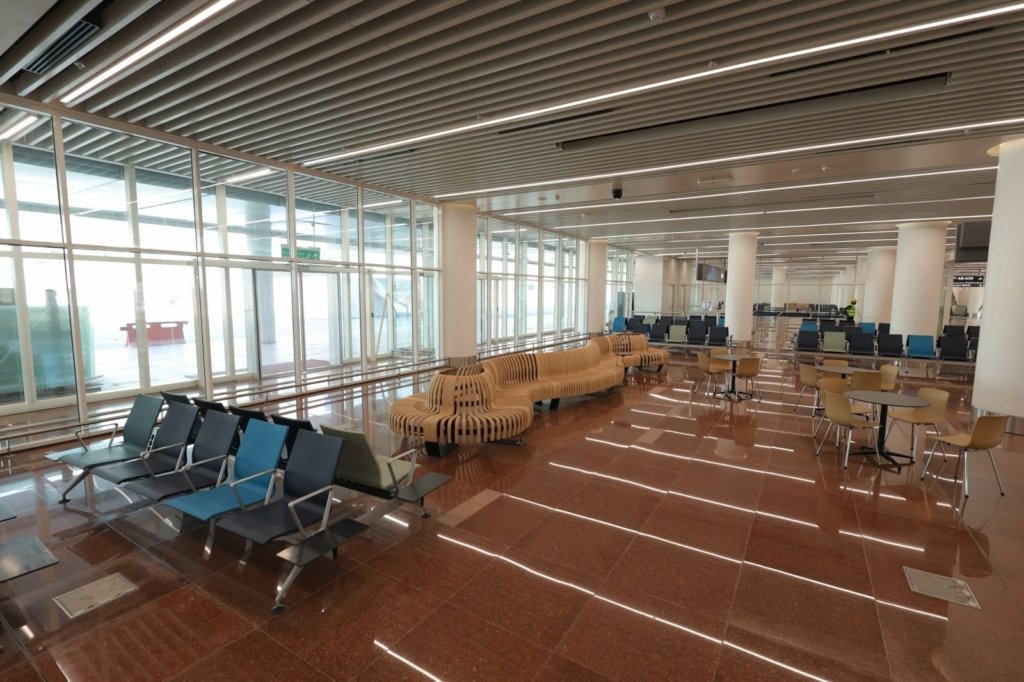
and design services.
We completed an airport design project in India in April. The terminal design was developed to help meet growing demand.
The aim was to enable airports to be built more quickly and efficiently, at scales ranging from five million to fifty million passengers.
We are seeing substantial investment from companies such as Adani and GMR. We are keen to support airport development in India.
What is your outlook for airport design and expansion globally?
We expect significant changes in airport design and expansion. These are complex projects, but the aviation sector has a strong development pipeline.
The volume of aircraft on order with Airbus, Boeing and other manufacturers points to the need for additional airport infrastructure, including aircraft parking capacity. Demand for travel is also increasing.
We intend to continue expanding our aviation business, both in India and internationally.
Also Read: SITA Impact Report 2025: Air Transport Prepares for 10 Billion Passengers