








Air India News: UK Route Sees Slow Recovery More Than a Year After AI171 Crash

Air India News
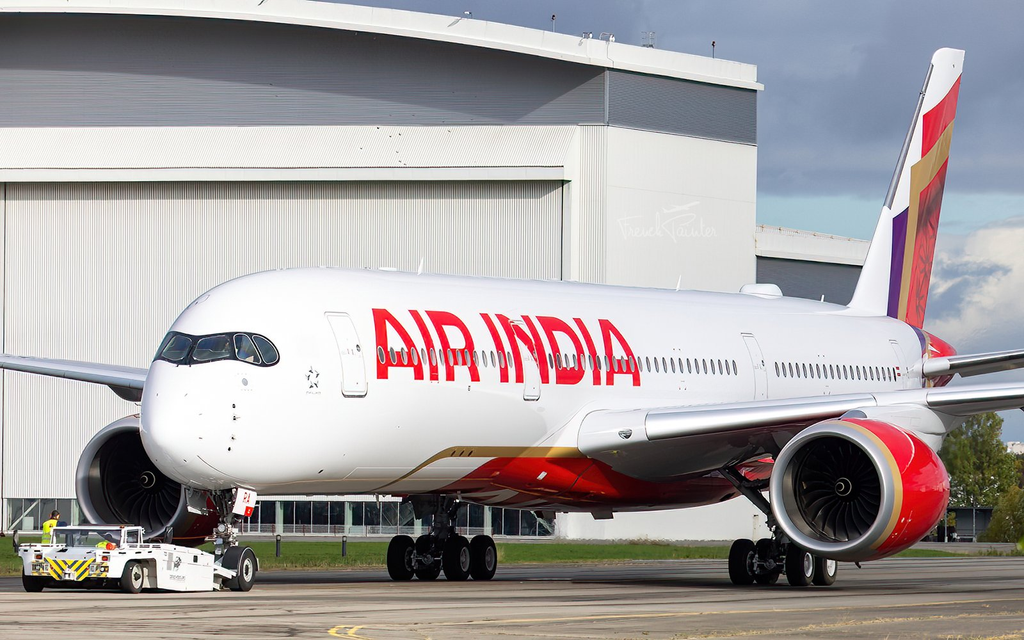
Air India is facing a slow recovery on its India-UK routes more than a year after the AI171 crash, with passenger traffic growing much slower than available seat capacity. The trend highlights the challenges faced by the airline as it works to rebuild demand amid changes in passenger behaviour, airspace restrictions and wider geopolitical disruptions.
According to data from aviation analytics company Cirium reviewed by Business Standard, Air India has struggled to fill its aircraft on India-UK routes since the June 2025 accident. In several months, passenger traffic has increased at a much slower pace than the number of seats offered by the airline.
The difference between capacity and passenger traffic became visible soon after the AI171 accident.
In June 2025, Air India’s scheduled seat capacity on India-UK routes was 28.6% higher year-on-year. However, passenger traffic increased by only 14.8% during the same period.
The gap became wider in July 2025. While seat capacity increased by 13.3% year-on-year, passenger traffic grew by only 2.2%.
The figures indicate that the airline was adding more seats than the growth in passenger demand. This can result in lower seat occupancy and put pressure on the financial performance of international routes.
Air India’s Boeing 787 operating flight AI171 crashed shortly after takeoff from Ahmedabad on June 12, 2025, while flying to London’s Gatwick Airport. The accident resulted in the deaths of 260 people, including 241 people on board and 19 people on the ground.
The accident had a significant impact on the airline and raised concerns among passengers about long-haul travel. The Aircraft Accident Investigation Bureau (AAIB) is yet to issue its final report into the crash, according to the information available in the report.
The slower passenger recovery is not linked to a single factor. Air India has also faced wider challenges affecting international aviation.
Airspace restrictions have forced airlines to change flight routes and schedules, while geopolitical tensions have created additional uncertainty for international travel. These factors can increase flight times and operating costs and may influence passenger demand.
The airline is also undergoing a major transformation under the Tata Group, including fleet upgrades, refurbishment of existing aircraft and changes to its international network.
The India-UK market remains important for Air India because of strong travel links between the two countries. London and other UK destinations serve a large Indian-origin population and attract business, leisure and visiting-friends-and-relatives traffic.
However, the Cirium figures show that increasing flight capacity alone may not be enough to bring passenger numbers back strongly. Air India will need to balance its available seats with actual demand while managing costs and restoring passenger confidence.
The airline’s future performance on UK routes will likely depend on how quickly demand recovers, changes in international airspace conditions and the broader success of its ongoing turnaround programme.

Ajeet Yadav is an aviation enthusiast covering airline news, airports, aircraft, and industry developments through well-researched and reliable reporting.