














Ebola News India: Ebola Alert at Kochi Airport After WHO Declares Global Health Emergency

Ebola News India
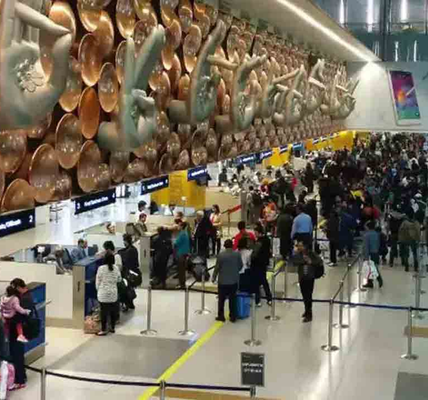
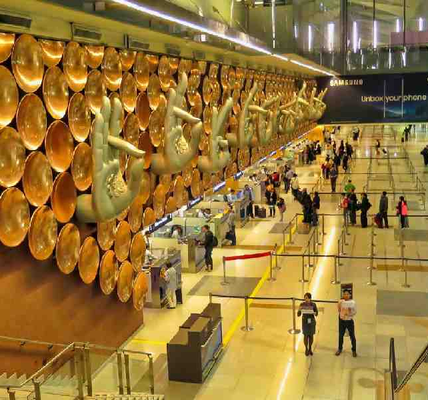
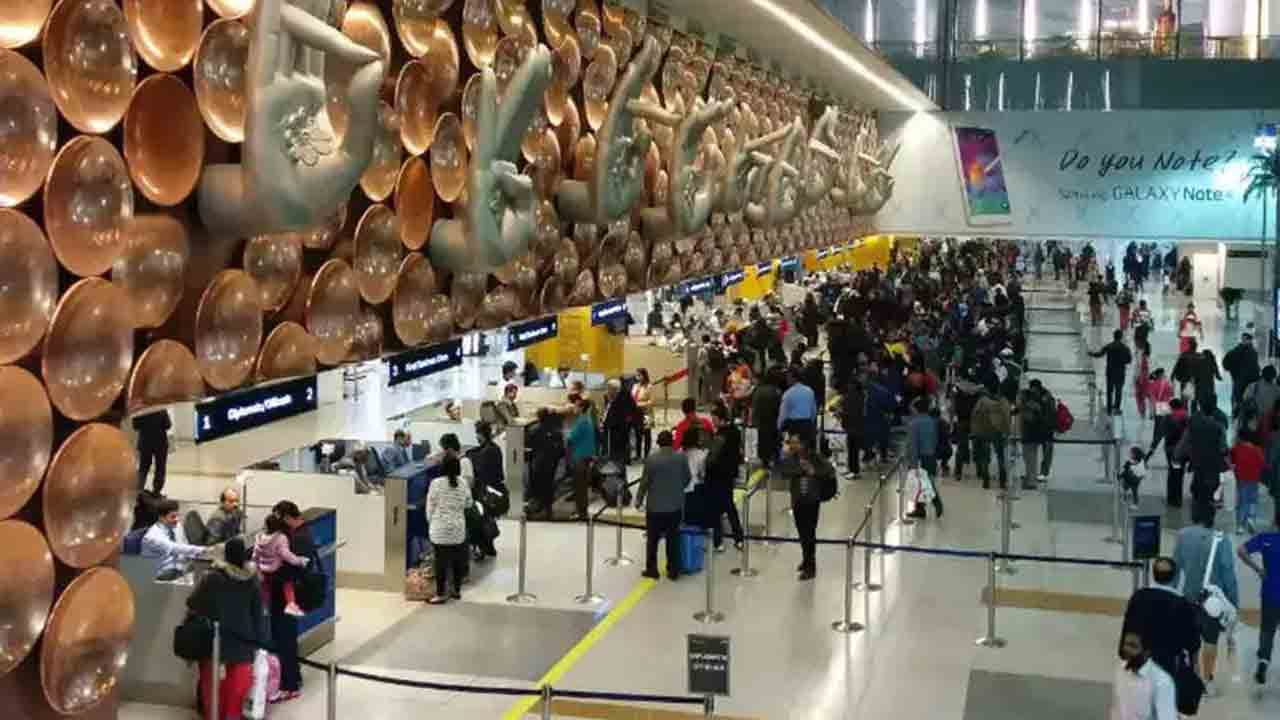
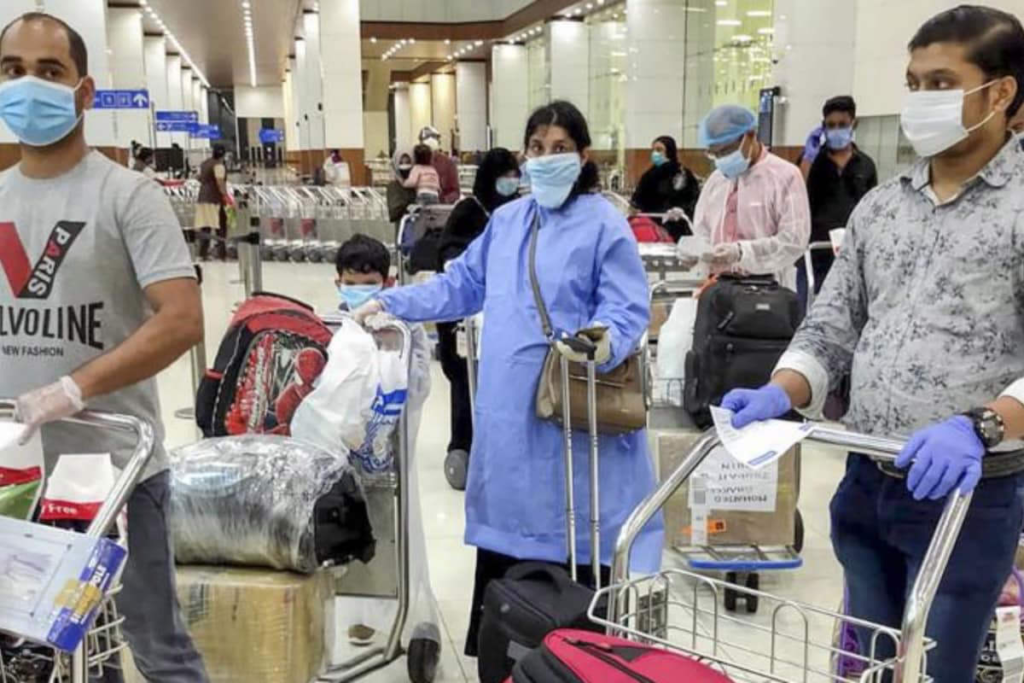
Cochin International Airport has activated strict health screening measures following the recent Ebola outbreak in parts of Africa and the World Health Organization’s declaration of a global public health emergency.
Airport authorities and health officials have introduced a 24-hour surveillance system to monitor passengers arriving from Central and East African countries, especially from areas affected by the outbreak.
The emergency measures were introduced jointly by Cochin International Airport Limited (CIAL) and the Airport Health Organisation (APHO).
The decision came after the World Health Organization declared the Ebola outbreak in the Democratic Republic of the Congo and Uganda a Public Health Emergency of International Concern on May 16.
Health authorities at the airport are now conducting thermal screening of passengers and checking their travel history from the previous 21 days. Travelers arriving from affected regions may face detailed questioning and additional medical observation.
Officials say the main focus is early detection because the current Bundibugyo strain linked to the outbreak does not yet have an approved vaccine or specific cure.
According to health experts, Ebola symptoms can appear anytime between two and 21 days after exposure to the virus. This makes monitoring recent travel history extremely important.
The Ebola virus is considered one of the world’s most dangerous infectious diseases. It can cause severe fever, weakness, vomiting, bleeding complications, and organ failure. In many outbreaks, the disease has recorded fatality rates of up to 50 percent.
The World Health Organization has expressed concern about the “scale and speed” of the current outbreak. Reports suggest that by May 20, authorities had recorded around 600 suspected cases and 139 suspected deaths in affected African regions.
At Cochin International Airport, medical teams are working round the clock to identify any potentially infected passengers before they can enter the community.
Thermal scanners are being used to detect fever symptoms, while health officials are carefully reviewing passenger travel records. Travelers showing symptoms or with recent visits to high-risk areas may be referred for medical evaluation and isolation if required.
Airport authorities have also increased coordination with local hospitals, public health departments, and emergency response teams to ensure rapid action if a suspected case is identified.
Officials stressed that the measures are precautionary and are designed to prevent any possible spread of the virus into India.
Health experts have also reminded the public that Ebola does not spread through the air like Covid-19. The virus typically spreads through direct contact with bodily fluids of infected persons or contaminated materials.
Still, because of the seriousness of the disease, countries around the world are strengthening border health checks and airport screening systems.
India has dealt with international health alerts in the past, including Covid-19, monkeypox, and other infectious disease outbreaks. Authorities say the experience gained from previous health emergencies has helped improve preparedness at airports and healthcare facilities.
World Health Organization officials continue to monitor the outbreak closely and are working with international health agencies to control its spread.
Passengers travelling to or arriving from affected regions are being advised to monitor their health carefully and immediately report symptoms such as fever, weakness, vomiting, or unexplained bleeding to medical authorities.
For now, authorities at Cochin International Airport remain on high alert as part of India’s efforts to strengthen public health safety and prevent the entry of the deadly virus into the country.

Ajeet Yadav is an aviation enthusiast covering airline news, airports, aircraft, and industry developments through well-researched and reliable reporting.