






Key Takeaways
- The Boeing 787 Dreamliner revolutionised commercial aviation with its composite materials, more-electric architecture, and passenger-focused design.
- Since its first delivery to ANA in 2011, Boeing has delivered over 1,300 Dreamliners and opened more than 550 new nonstop routes.
- The aircraft began as the 7E7, emphasising efficiency and environmental performance, which led to innovative designs and technologies.
- Despite facing challenges, including battery issues and production delays, the 787’s capabilities continue to evolve with increased payload options and new technologies.
- India plays a key role in the 787 story, from operating the aircraft to manufacturing components, highlighting global industrial collaboration.
Fifteen years after its first delivery to All Nippon Airways (ANA), the Boeing 787 Dreamliner has become much more than a successful widebody aircraft. Its extensive use of composites, more-electric architecture, passenger-focused cabin and ability to make long, thin routes economically viable changed the way airlines thought about the future of commercial aviation.
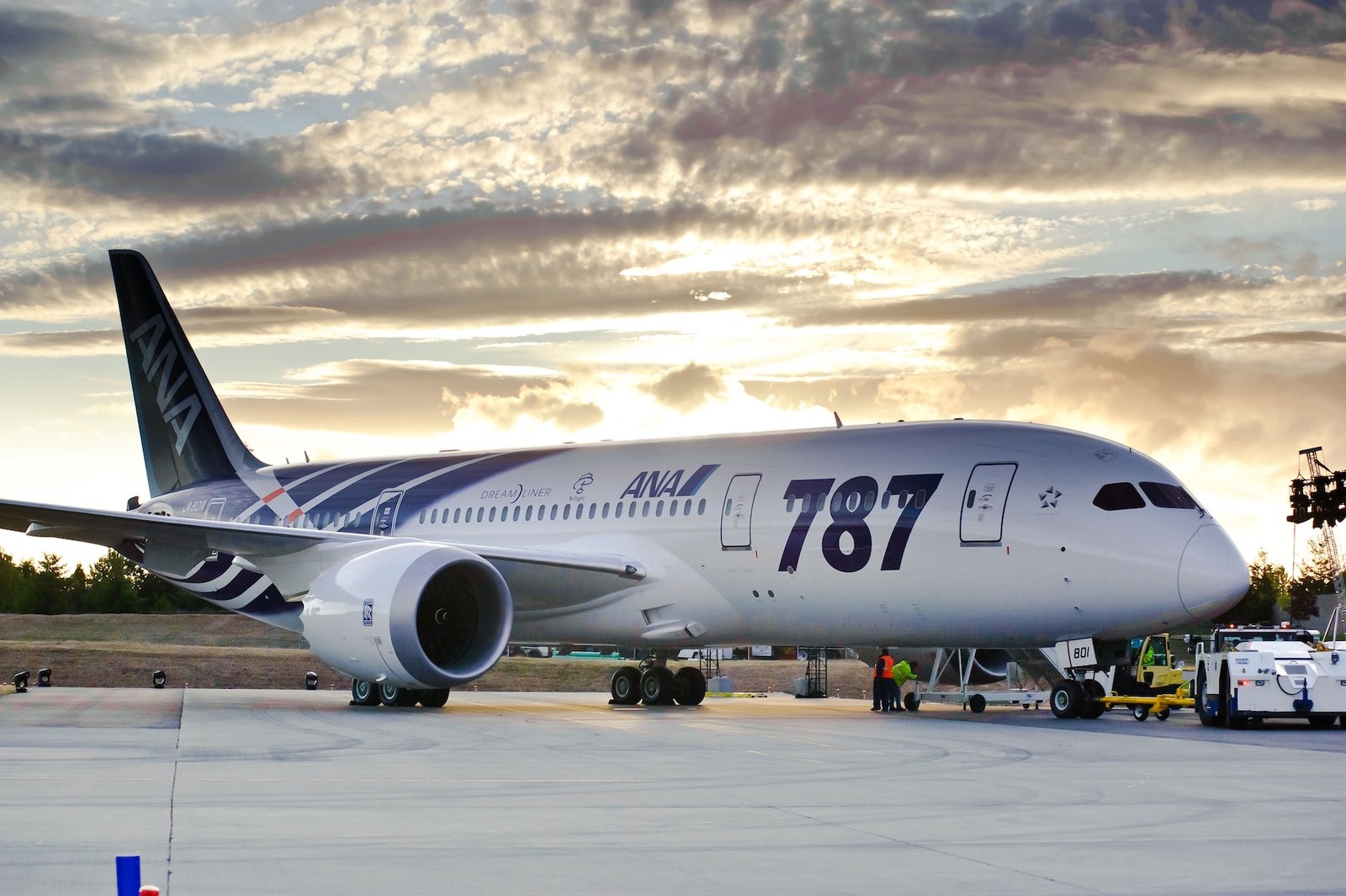
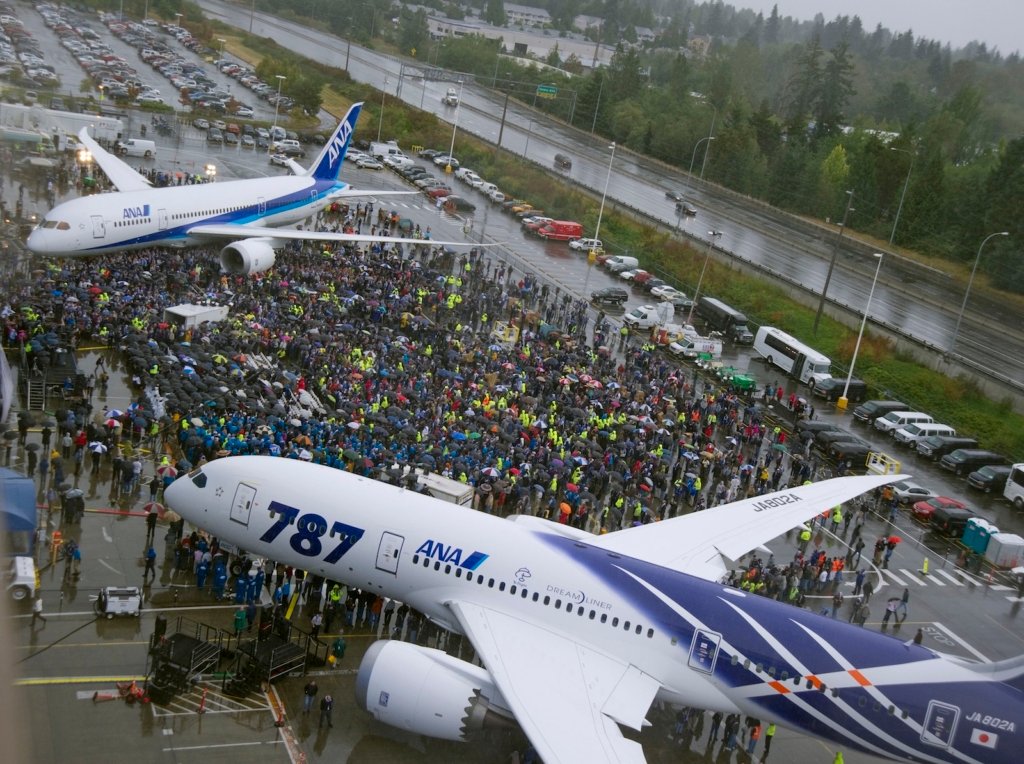
On September 26, 2011, in a wet and grey Everett, Washington, more than 500 Boeing employees walked alongside an aircraft that had taken years to reach the ramp. Boeing handed over the first 787 to ANA, its launch customer. It was the beginning of a new era in aviation.
The numbers are impressive. Boeing says it has delivered more than 1,300 Dreamliners, making it the fastest-selling widebody programme in history. The aircraft has carried over a billion passengers and helped airlines open more than 550 new nonstop routes between city pairs that previously had no direct connection. Boeing’s current order book stands at more than 2,450 aircraft from 90 customers.
But the 787’s significance lies less in the numbers than in the ideas embedded in the aircraft.
Born as the 7E7
The Dreamliner began life as Boeing’s 7E7. The “E” was intended to capture the programme’s ambitions around efficiency, economics, environmental performance, exceptional comfort and electronic systems.
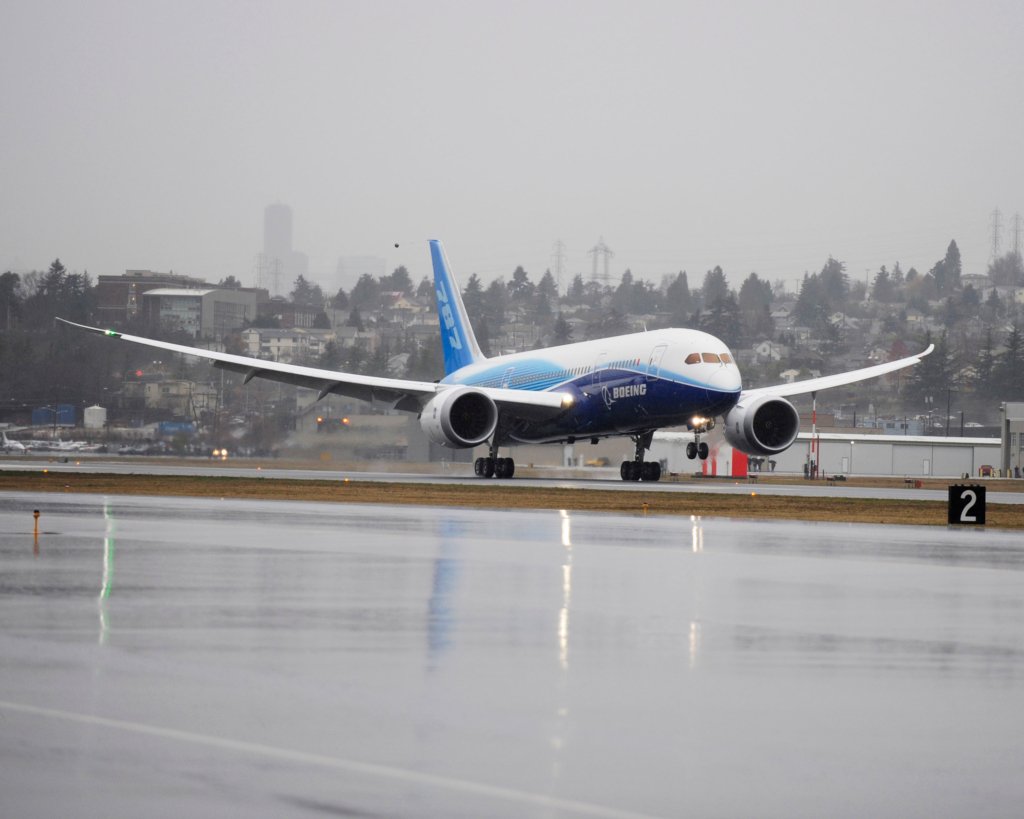
The programme was extraordinarily ambitious. The first 787 flight took place on December 15, 2009, but a series of development delays pushed the first delivery to September 2011.
Boeing was effectively attempting to rethink the aircraft’s structure, systems, manufacturing process and passenger environment at the same time.
The result was an aircraft that introduced technologies that were unusual even by the standards of a new-generation jet.
The composite revolution
The most important decision was to make roughly half the aircraft, by weight, from composite materials.
The fuselage and wing structure rely heavily on carbon-fibre composites rather than conventional aluminium. This allowed engineers to rethink the pressure shell and cabin environment.
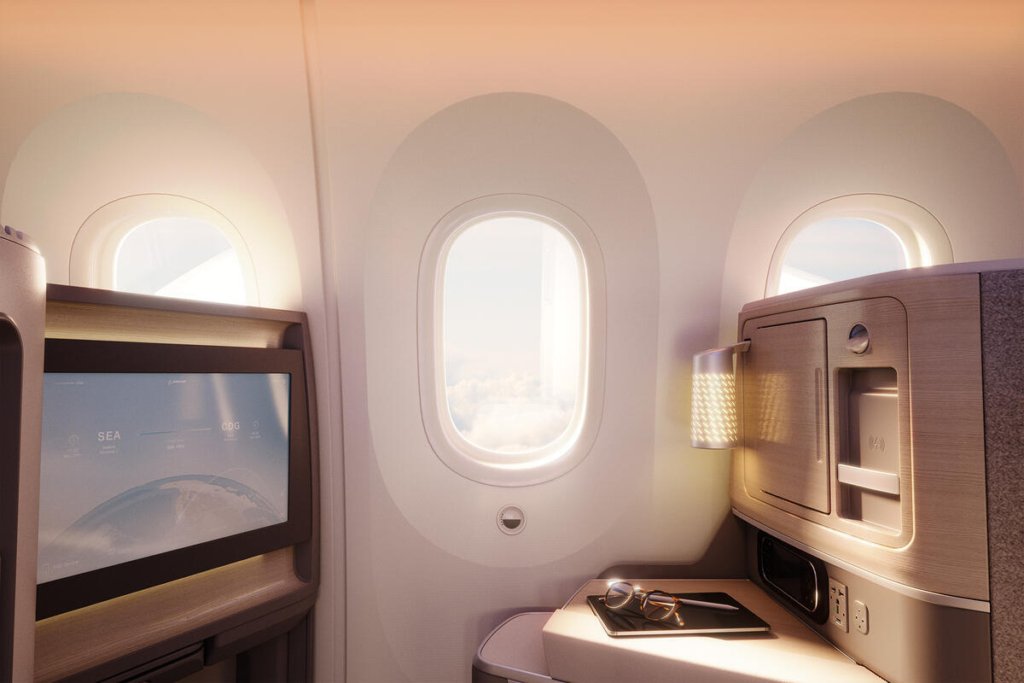
The result included larger windows than on previous commercial aircraft, with electronically dimmable shades rather than conventional pull-down blinds. The Dreamliner was designed with a cabin altitude of around 6,000 feet, higher humidity than conventional aircraft and improved environmental control. The composite structure helped make the higher humidity environment possible.
Combined with more efficient engines and advanced aerodynamics, the lightweight structure reportedly helped the 787 deliver significantly lower fuel consumption than the aircraft it was designed to replace.
An aircraft built around electric systems
The 787 also represented a major shift in aircraft systems. Traditional airliners use substantial quantities of compressed air, or “bleed air”, taken from the engines to operate systems such as air conditioning and pressurisation.
Boeing moved many of those functions towards electrical power on the 787. It was a major engineering gamble and one that would eventually contribute to one of the programme’s most serious early problems.
In January 2013, two battery-related incidents resulted in the worldwide grounding of the fleet. The problem centred on the aircraft’s lithium-ion battery system. Boeing redesigned the battery, including internal components, cell insulation and containment and venting systems, before the aircraft was cleared to return to service.
ANA and the new route economics
ANA has been an important partner in demonstrating what the aircraft could do. The airline began domestic 787 operations in Japan in November 2011. Its first regular international 787 service was Haneda-Beijing in January 2012, followed by Haneda-Frankfurt, the first scheduled long-haul international 787 service.
This combination of domestic, regional and long-haul flying demonstrated the aircraft’s versatility.
The 787’s efficiency and range allowed airlines to connect secondary cities directly, bypassing traditional hubs.
That was perhaps the Dreamliner’s most important contribution to airline network planning.
The family subsequently expanded to three variants—the 787-8, 787-9 and 787-10. The 787-9 can fly up to about 8,300 nautical miles, while the larger 787-10 trades range for greater passenger capacity.
India’s Dreamliner connection
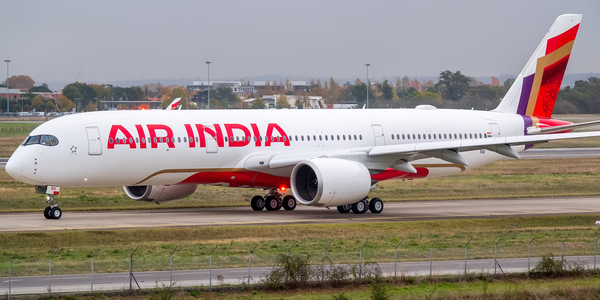
India has also become an important part of the 787 story. Air India became the first Indian airline to operate the type, receiving its first 787 in 2012. Its fleet grew to 27 787-8s, and the airline is now adding the larger 787-9 as part of its fleet modernisation programme. Air India’s existing 787-8 fleet is also undergoing a major cabin transformation.
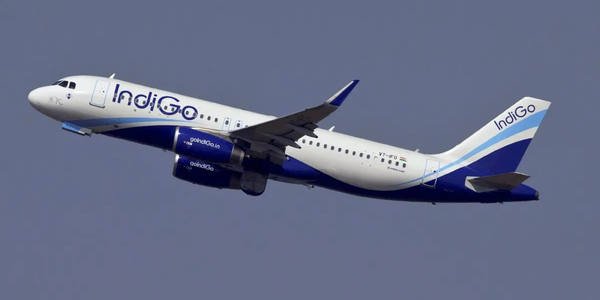
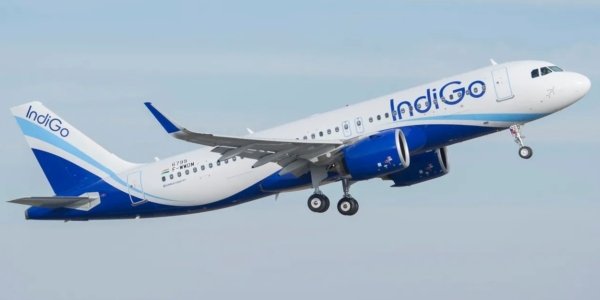
IndiGo, primarily an Airbus operator, subsequently entered the 787 market through a damp-lease arrangement with Norse Atlantic Airways. Six 787-9s were contracted, allowing India’s largest airline to launch long-haul operations while it awaits its own Airbus A350 fleet. The aircraft were deployed on routes including Mumbai-Manchester, Mumbai-Amsterdam and Mumbai-Copenhagen.
India’s role, however, goes beyond operating the aircraft.
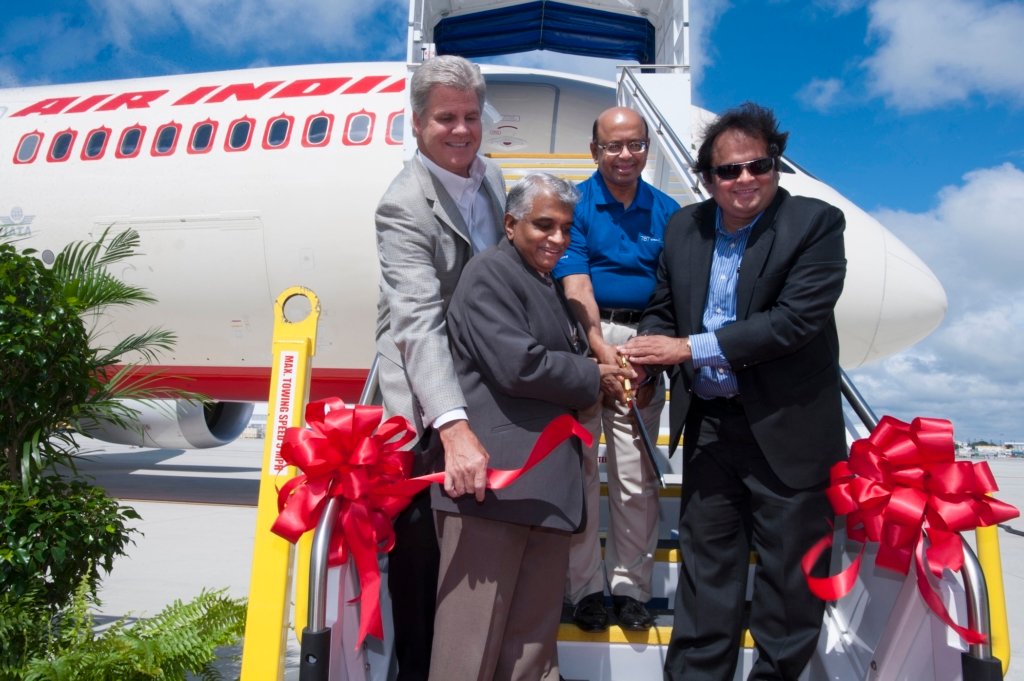
TAL Manufacturing Solutions, part of the Tata group, manufactures complex composite floor beams for the 787-9. Hyderabad-based Cyient DLM manufactures Battery Diode Modules for the 787. Together, these programmes demonstrate how Indian companies have become part of the aircraft’s global industrial ecosystem.
Continues to Evolve
The 787’s journey was far from smooth. The aircraft has faced problems with some Rolls-Royce Trent 1000 engines, while production-quality issues led to major disruption. In 2021-22, deliveries were suspended for more than a year while Boeing and the FAA addressed manufacturing and inspection issues. Deliveries resumed in August 2022 after the FAA approved Boeing’s corrective plan.
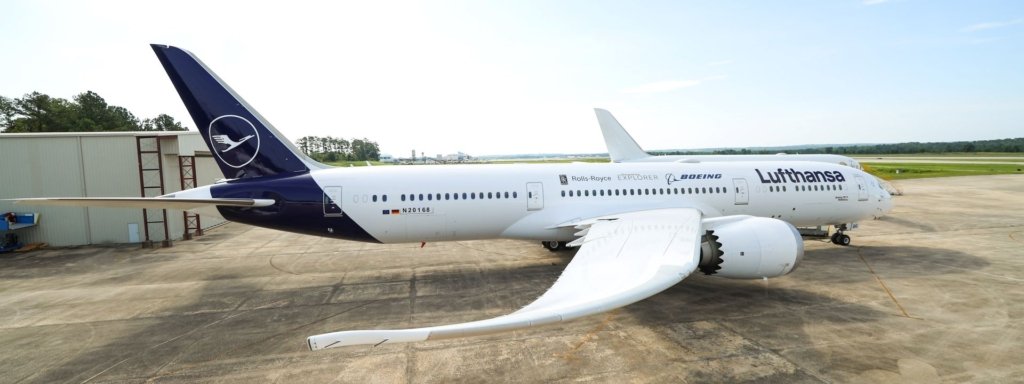
In March 2026, the FAA certified increased maximum take-off weights for the 787-9 and 787-10, giving airlines the option of carrying more payload or flying longer routes. The Boeing’s 2026 ecoDemonstrator Explorer is a 787-9 destined for Lufthansa, being used to test technologies aimed at improving fuel efficiency and reducing noise.
In 2011, carbon-fibre structures, extensive electrical systems, lower cabin altitude, higher humidity, electronically dimmable windows and new approaches to long-haul network economics seemed futuristic. Fifteen years later, they are no longer futuristic. They are the vocabulary of the modern airliner.
Also Read: Boeing Ventures Assesses Investment and Partnership Opportunities in India

Chandrakanth R has over four decades of journalism experience, including 25 years as Chief Reporter at The Hindu and four years as Editor of Media One, Dubai. Since returning to India, he has specialised in aerospace and defence and regularly covers major international industry events.