
















Jet Fuel Prices Cut by Nearly ₹5 Per Litre, Boosting Indian Airlines Amid Lower ATF Costs

Jet Fuel Prices
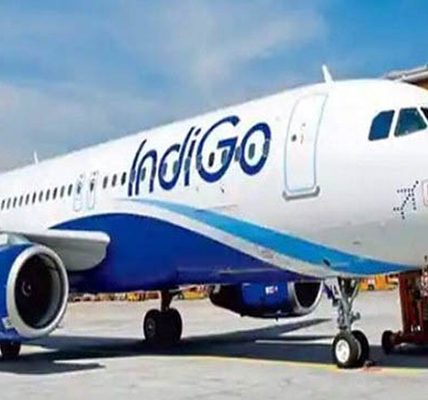
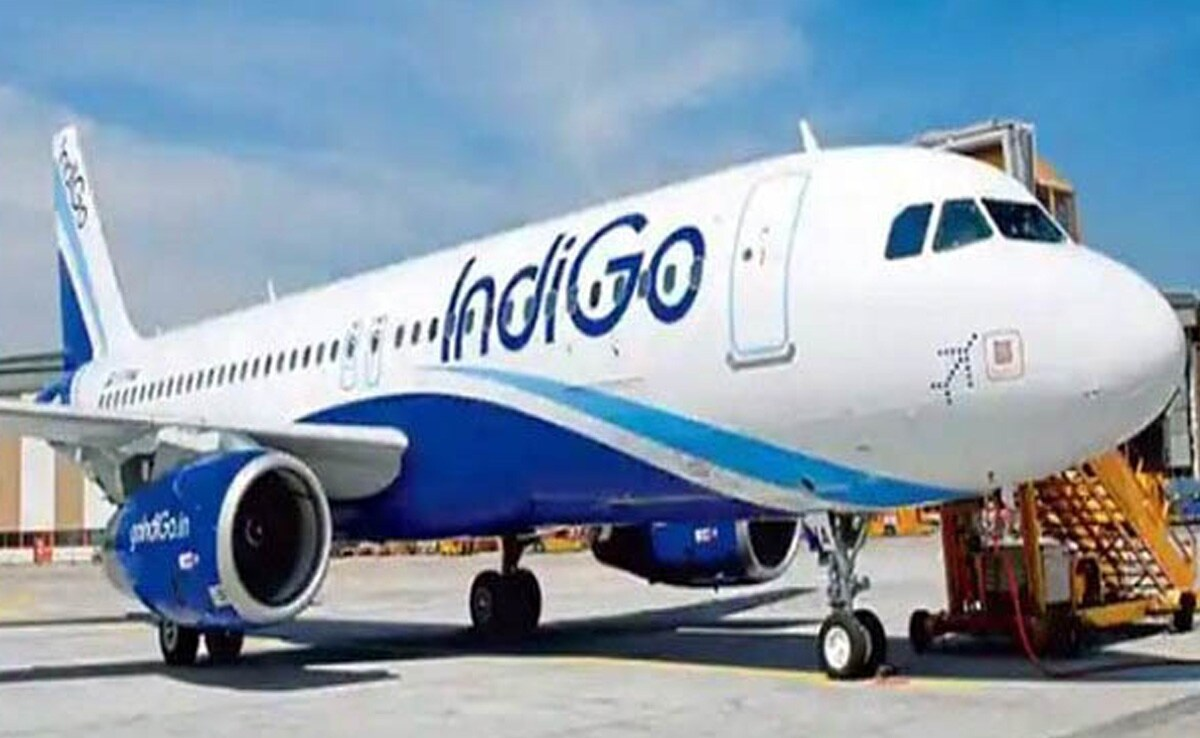
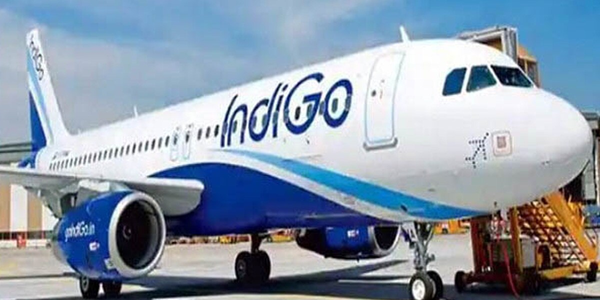
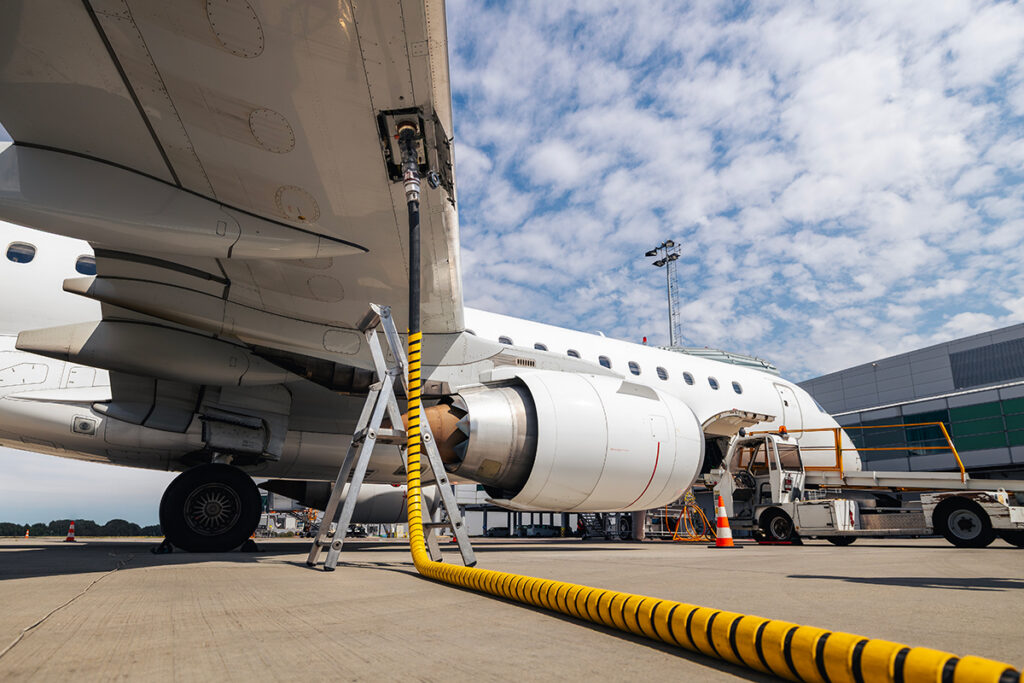
Jet fuel prices in India have been reduced by nearly ₹5 per litre, bringing major relief to the country’s aviation industry. The price cut came into effect on July 1, 2026, after international crude oil prices declined in recent weeks. The reduction is expected to lower operating costs for airlines, as aviation fuel remains the biggest expense for most carriers.
According to the latest price notification issued by state-owned fuel retailers, the price of Aviation Turbine Fuel (ATF) has been reduced by around ₹5 per litre. Following the revision, the ATF price in Delhi now stands at approximately ₹110 per litre. Fuel prices are revised regularly based on changes in global crude oil rates and market conditions.
The latest reduction has been driven by a fall in international crude oil prices. Oil prices have eased after geopolitical tensions in West Asia showed signs of improving. Better expectations regarding global oil supply have also contributed to lower crude prices, allowing fuel retailers to pass on some of the benefit to consumers, including airlines.
The aviation industry is expected to benefit significantly from the latest price cut. Fuel accounts for nearly 30 to 40 percent of an airline’s total operating expenses, making it the single-largest cost for most airlines. Even a small reduction in fuel prices can result in substantial savings because commercial aircraft consume thousands of litres of fuel every day.
Lower fuel costs can improve the financial health of airlines, especially those operating large domestic and international networks. The savings may help airlines manage rising operational expenses and improve profitability. It can also provide greater flexibility in planning new routes, increasing flight frequencies, and expanding services to more destinations.
Passengers may also benefit indirectly if lower fuel prices continue for an extended period. Although ticket prices depend on several factors such as passenger demand, airport charges, taxes, competition, and airline policies, reduced fuel costs can help airlines avoid fare increases and, in some cases, offer more competitive ticket prices.
The reduction in ATF prices reflects the close relationship between India’s fuel prices and global crude oil markets. India imports a large portion of its crude oil requirements, making domestic fuel prices highly sensitive to international market movements. Whenever global oil prices rise, fuel prices in India generally increase after some time. Similarly, when crude oil prices fall, products like aviation fuel become cheaper.
Industry experts believe that if international crude oil prices remain stable or continue to decline, airlines could continue to benefit from lower operating costs in the coming months. This would support the recovery and growth of the aviation sector, which has seen strong passenger demand and expanding air travel across the country.
Along with the reduction in jet fuel prices, state-owned fuel retailers have also announced a significant cut in the price of commercial LPG cylinders. The price of commercial LPG has been reduced by ₹183.50 per cylinder, marking the first price reduction for commercial LPG in 2026. The lower LPG prices are expected to benefit restaurants, hotels, catering businesses, and other commercial users that rely heavily on cooking gas for daily operations.
However, there has been no change in the price of domestic LPG cylinders used by households. The rates for household cooking gas remain unchanged despite the reduction in commercial LPG and aviation fuel prices.
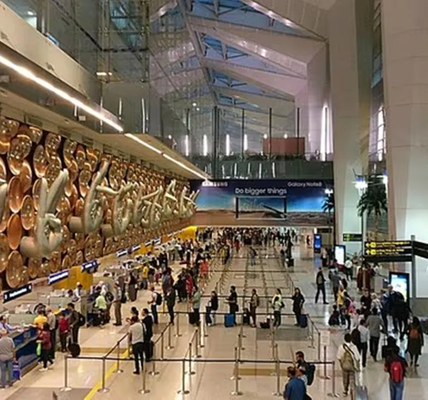
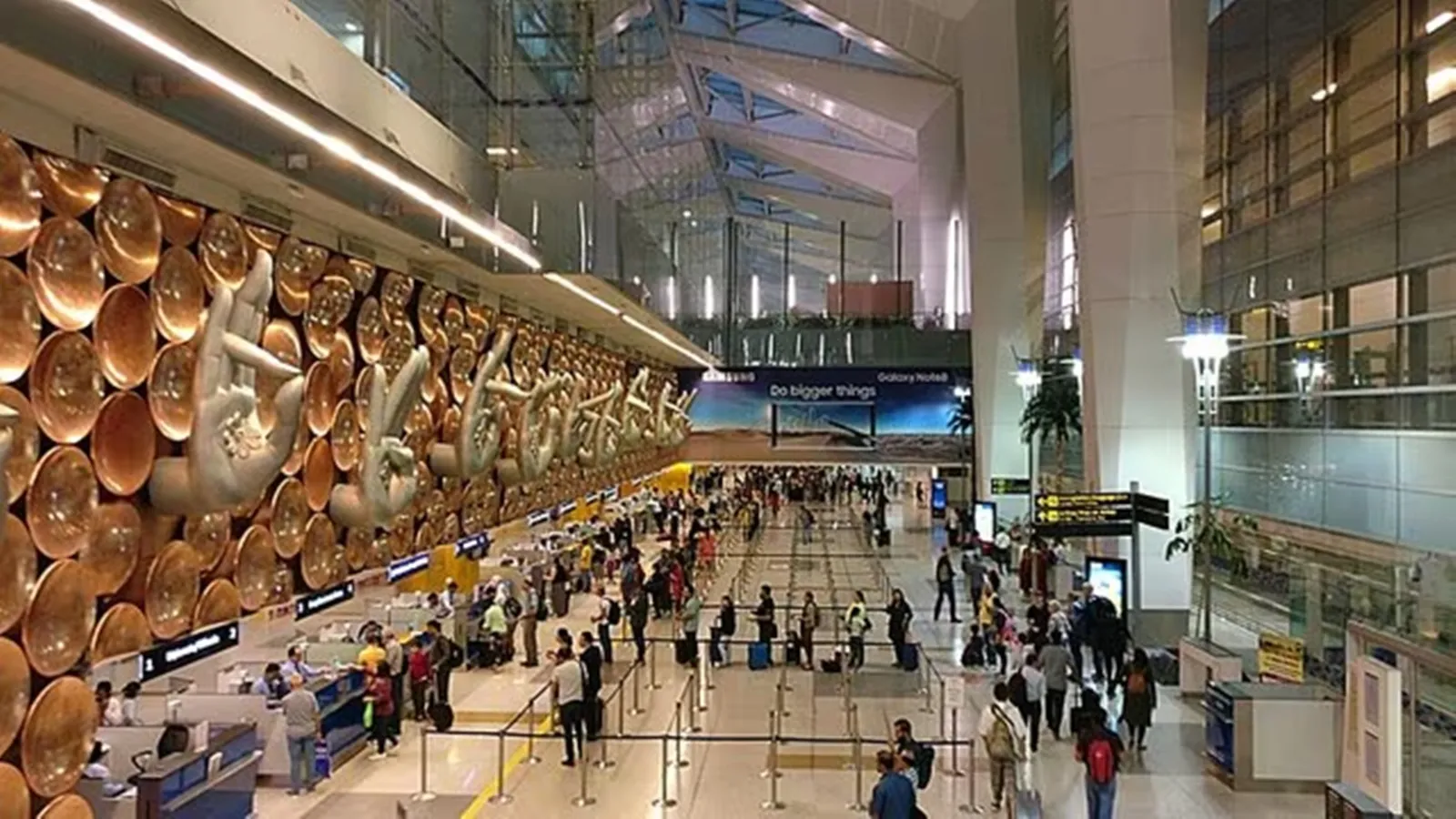
The latest price revision comes as positive news for India’s aviation sector, which continues to grow with increasing passenger traffic and expanding airline operations. Lower ATF prices can help airlines reduce costs while maintaining efficient operations and supporting future growth.
Overall, the nearly ₹5 per litre reduction in jet fuel prices is expected to provide significant financial relief to Indian airlines. Combined with lower global crude oil prices and improved supply conditions, the latest development is seen as a positive step for the aviation industry. If international oil prices remain favourable, both airlines and passengers could continue to benefit from improved market conditions in the months ahead.

Ajeet Yadav is an aviation enthusiast covering airline news, airports, aircraft, and industry developments through well-researched and reliable reporting.