






Commercial helicopter markets are well established in Australia and New Zealand, while parts of Southeast Asia are still developing. In India, pilgrimage, tourism and oil and gas remain important sources of demand. India has potential for urban helicopter connections, emergency medical services and regional connectivity. Developing these services requires clearer rules on where helicopters can operate and land, infrastructure to support operations and, for medical services, decisions on funding. David Sale, Managing Director, Asia Pacific, Bell, assesses the region’s commercial helicopter prospects, drawing on 35 years of experience in military helicopter maintenance, flying and the commercial helicopter business.
Where are you seeing the strongest customer demand in Asia Pacific, and how does India compare?
Demand varies from year to year across such a large region. Australia, Japan, Philippines and New Zealand have established commercial helicopter markets, with relatively high numbers of aircraft per capita.
Commercial operations in parts of Southeast Asia are still developing, while India has considerable potential, particularly for last-mile transport.
Last year was one of our best years in India, with estimated commercial sales of more than six aircraft. That is significant for us in a market with around 300 commercial helicopters.
We have also seen strong demand in the Philippines and Japan. It is difficult to identify one market as consistently stronger than another because demand changes each year. Overall, Asia is a growth market for Bell.
What is preventing operators in India and Southeast Asia from making wider use of helicopters?
Regulatory restrictions limit where helicopter operators in India can fly and land, even when customers are willing to use their services.
Landing arrangements also need to be addressed. There has been interest in building helipads along roads, although helicopters can use other suitable surfaces.
We need to work with the Directorate General of Civil Aviation, transport authorities and other agencies to establish how these operations can be supported.
For example, helicopters could connect airports with central locations in Delhi and Mumbai, but obtaining permission to land in these areas is difficult.
In Brazil, by comparison, helicopters regularly operate between rooftops.
For helicopter emergency medical services (HEMS), a further challenge is establishing how operations will be funded. India has considerable potential, and we are working with stakeholders on how these services could be introduced.
What needs to change for India’s regional connectivity plans to result in more helicopter services?
Regulation and infrastructure both need attention. Programmes such as UDAN require infrastructure to support the proposed services, followed by implementation.
Operators are ready to provide those services once the programmes are put into operation. The same applies to HEMS. Operators in India are ready to support HEMS, but the permissions and operating arrangements needed to provide these services still must be addressed.
What is driving HEMS growth in other markets, and what is needed to develop these services in India?
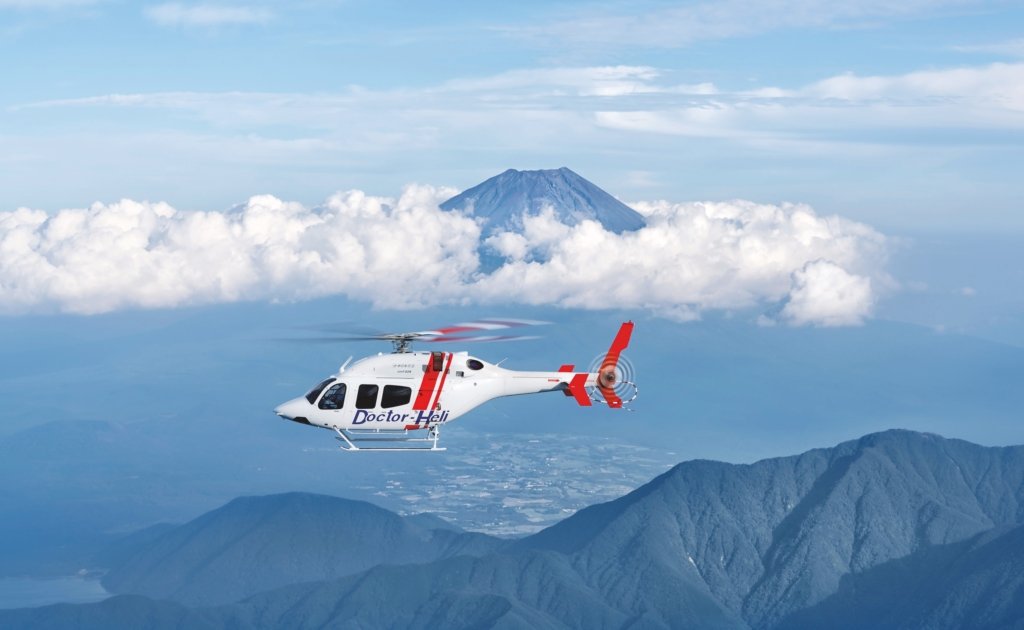
HEMS is growing as countries become wealthier and can spend more on public services. Thailand is working to develop its market, Japan has an established service supported by government funding, and we have a number of aircraft supporting operations in Australia. More established regulatory systems have helped these markets develop.
I cannot identify a specific country that has overcome exactly the same constraints as India. However, the funding decision is central to developing these services. In the US, insurance typically pays for HEMS, while other countries use public funding.
In India and parts of Southeast Asia, decisions are still needed on who will operate the aircraft and fund the services. Indian operators are assessing how to make HEMS viable, including whether insurance could play a role. Until there is an agreed funding model and a sufficient business case, development will remain difficult.
How does Bell provide local maintenance, spare parts and technical support across Asia Pacific?
Our approach is to work with local partners rather than establish a Bell-owned operation in every country. These partners understand the local laws, taxes and import and export requirements. Moving aviation parts across borders can be complicated, and the duties vary between countries.
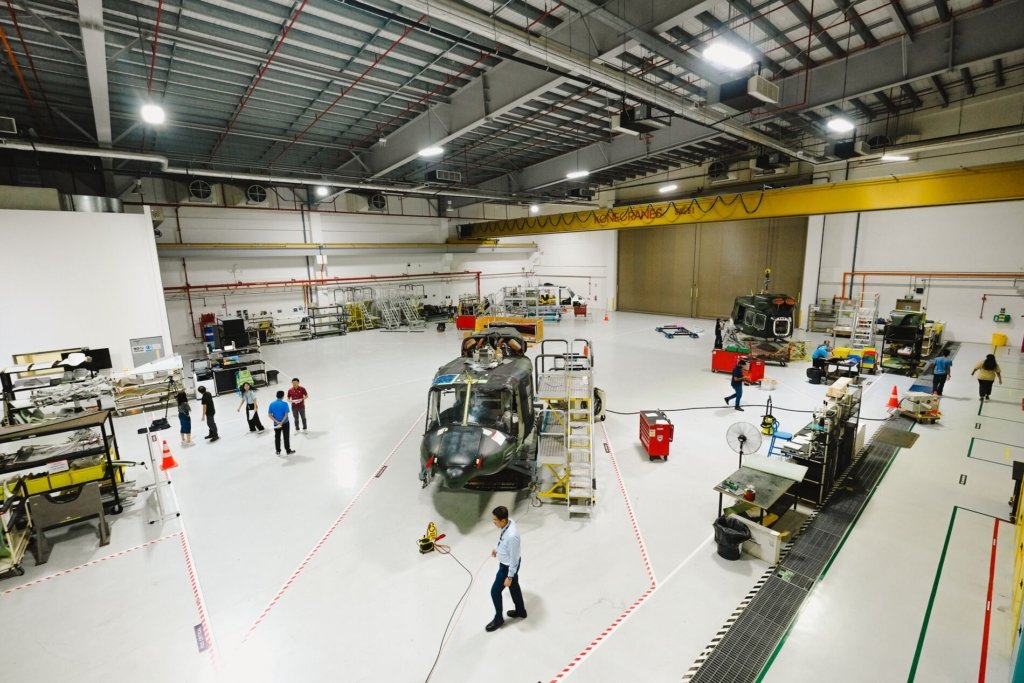
Our aim is to have at least one authorised maintenance centre (AMC) in each country. Some markets have two or three, depending on their size.
These partners understand the local language and customs requirements, employ maintenance personnel certified by Bell, and hold spare parts locally.
They have access to Bell’s parts system, as well as information about stock held by other AMCs across Asia. This gives them access to a wider network of spare parts when supporting customers.
Our regional hub in Singapore provides additional support, with about US$20 million worth of spare parts held there. That inventory is particularly important for aircraft-on-ground (AOG) requirements, when a grounded aircraft urgently needs a replacement part.
Customer service engineers based in almost every country provide technical assistance. We have two in India who speak the local language and help operators with troubleshooting and warranty claims. They can also contact our product support engineers in Singapore.
This arrangement allows customers to speak to Bell during their own working hours. Outside those hours, calls may be handled in North America, so technical assistance remains available day and night.
Are shortages of pilots and maintenance personnel affecting customers’ decisions to acquire aircraft?
We have not seen workforce shortages reduce demand for aircraft, but they are increasing costs.
The need for qualified personnel is also prompting airlines to establish their own training schools. Helicopter operators face similar recruitment challenges, with competition for pilots and maintenance personnel adding to costs.
Rising costs also affect operators working under long-term contracts. An operator may already be committed to a five-year government or oil and gas contract. If the rates cannot be renegotiated, higher costs will affect the business.
Bell recently secured its first Bell 407GXi order in India. Does this reflect a broader change in customer interest?
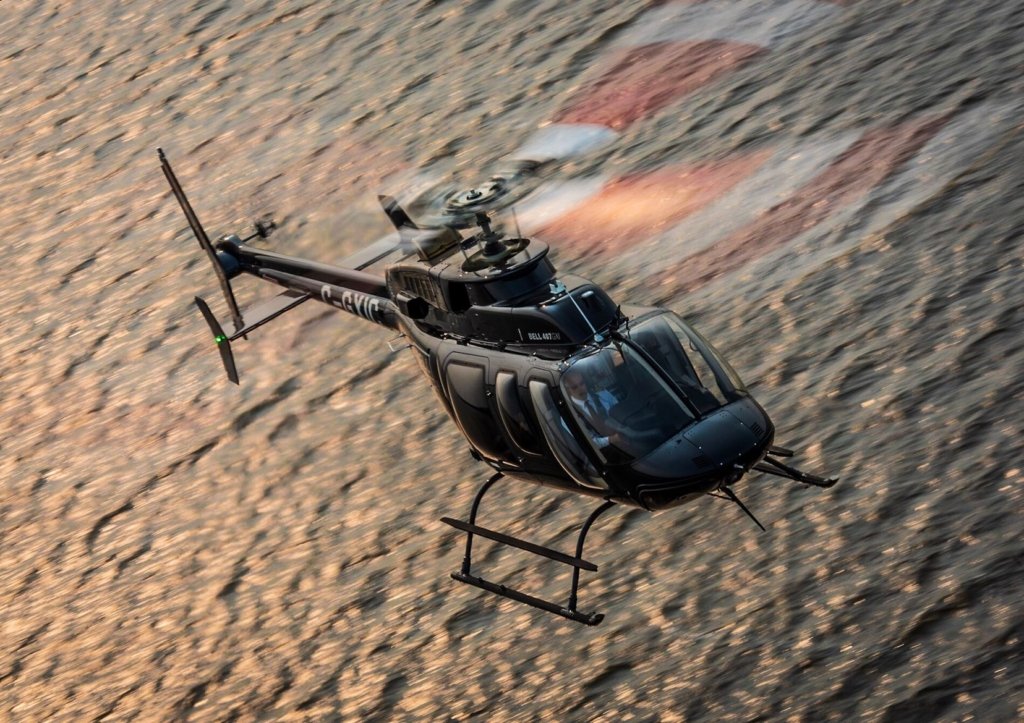
India has a relatively small number of operators, so demand remains concentrated. We have worked closely with TransBharat Aviation on the 407GXi. The company considers the long-term ownership of the aircraft when making its purchasing decisions.
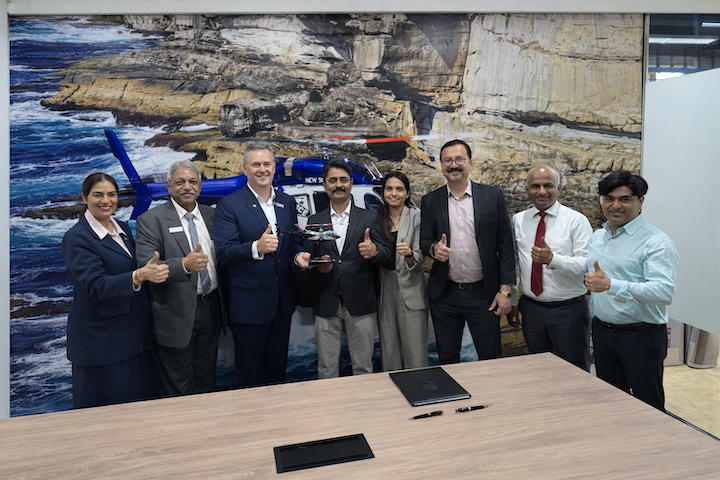
That differs from the approach of some companies in Southeast Asia, where purchases are based on L1, or the lowest price. The lifetime cost of an aircraft includes maintenance, but it also depends on availability.
Our maintenance centres and customer service engineers help operators keep their aircraft available.
Even where purchase costs are the same as a competitor’s, we believe our aircraft achieve higher readiness rates. Availability affects an operator’s reputation and revenue. An additional day on the ground can mean losing six or eight hours of revenue-generating flying.
Which missions offer the strongest potential for sustained fleet growth in India?
Pilgrimage and tourism are growing markets, and we expect that growth to continue. Their clearly defined routes make them relatively easier to manage from a regulatory perspective.
Oil and gas will remain a strong market in India. The Bell 412 has long served that sector, and we see opportunities for the Bell 525 in operations further offshore when it is certified.
Election-related flying also generates significant demand in India, as it does in the Philippines. Utility work offers further potential. We have seen the Bell 407 used for power line inspections in Australia and Japan, although less so in India. These surveys help power companies identify issues and improve network performance.
Across Asia Pacific, is Bell adding new customers, or are existing operators accounting for most of the demand? How does India compare?
In Southeast Asia, more high-net-worth individuals are entering the market as commercial helicopter operations develop. In India, the operator base has largely remained the same, and interest is spread across different types of operation.
Our aircraft range, from the 505 through the 407 and 429 to the 412, serves those requirements. We speak to individual buyers, utility operators and companies providing pilgrimage and tourism services. No single customer segment clearly dominates in India.
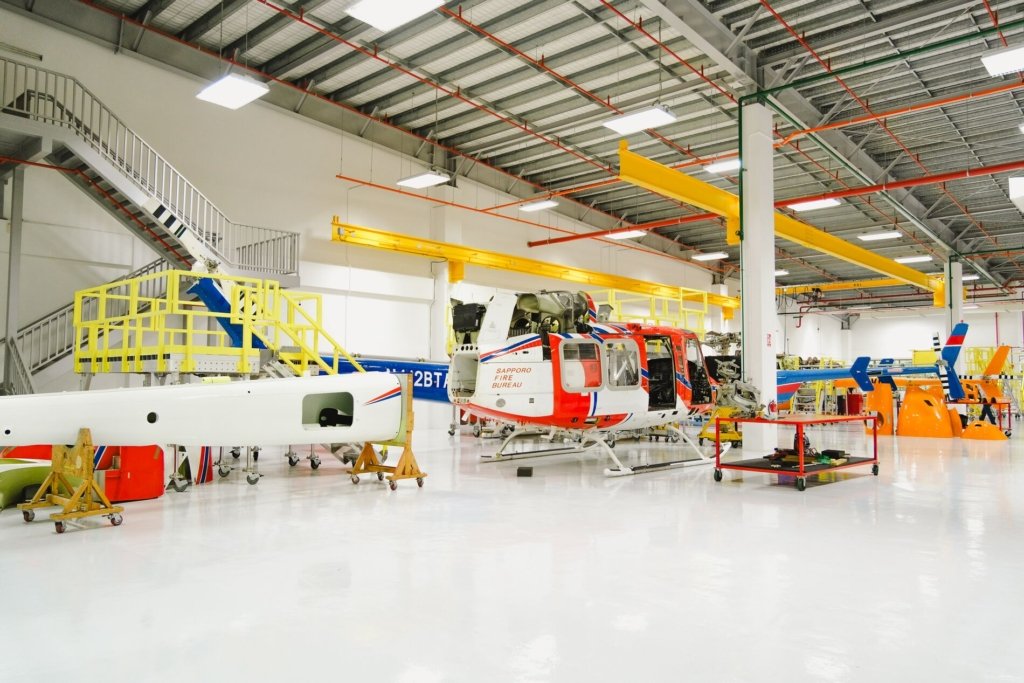
Becoming an operator requires investment. Much of the regional business therefore continues to come from established operators, whether they fly Bell aircraft or a competitor.
Those operators will continue to grow, with new companies entering from time to time.
Some new demand will also come from individually owned aircraft, although the requirements vary by country.
For private helicopter owners in certain Asia-Pacific countries, there is a push to place their aircraft under an operator’s Air Operator Certificate (AOC).
In North America, by contrast, purchasing a helicopter for private use does not require an AOC. These regulatory differences affect how easily new customers can enter the market.
How could drones affect the use of helicopters for power line inspections and other utility work?
Drones will take on some work currently performed by helicopters, but their suitability depends on the mission. Powerline surveys can require a lidar system to be carried over long distances, making payload and endurance important.
A drone with around 30 minutes of endurance cannot meet a requirement to fly out for two hours and return while carrying that equipment. Until battery performance can support such missions, engine-powered aircraft will retain a role, including in unmanned operations. An engine-powered unmanned aircraft could operate for four or five hours and return.
Drones will replace helicopters in some tasks. Missions with greater range or payload requirements will continue to need helicopters.
What work is under way on an autonomous Bell 505, and could it have commercial applications?
We are working with Near Earth Autonomy on an autonomous Bell 505 for a US military program.
There may be opportunities outside that program, but I cannot comment on commercial plans at this stage.
How does India contribute to Bell’s supply chain and engineering programmes?
Dynamatic Technologies remains one of our suppliers. India also contributes to our engineering programmes through Textron India Private Limited (TIPL) in Bengaluru.
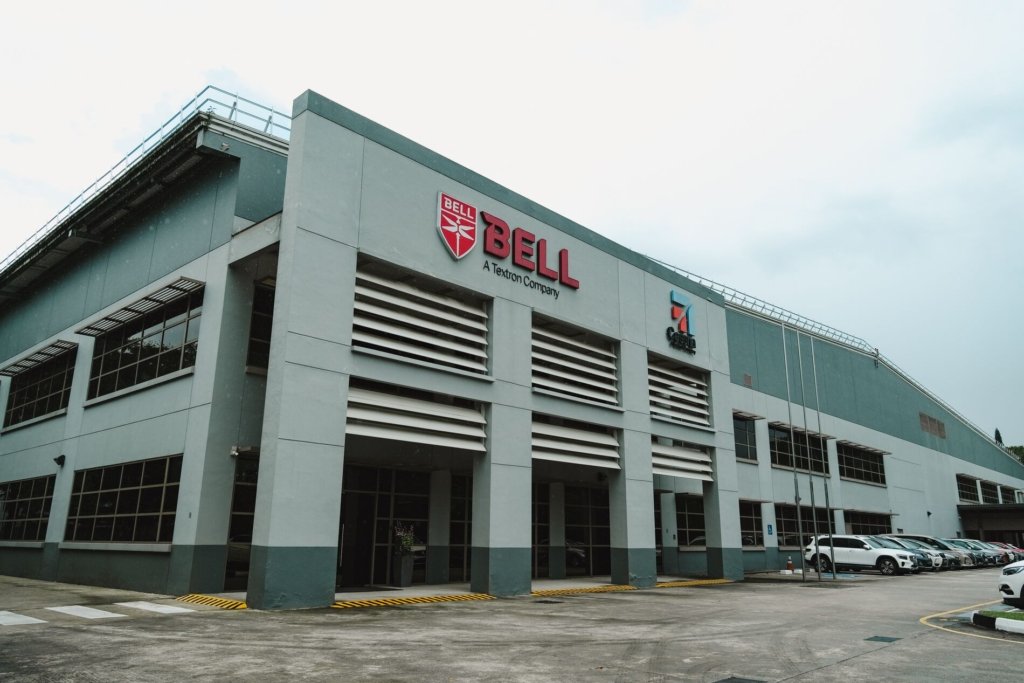
TIPL employs more than 500 people, with approximately 150 dedicated to Bell.
The team contributes to engineering on the Bell 525 and produces technical publications across our fleet. India’s contribution extends beyond manufacturing to engineering and technical work.
The team works during the Indian day and hands over to engineers in North America, allowing development to continue across time zones.
They are part of the engineering program supporting the launch of the Bell 525.
How could the Bell 505 virtual reality training device help reduce pilot training costs?
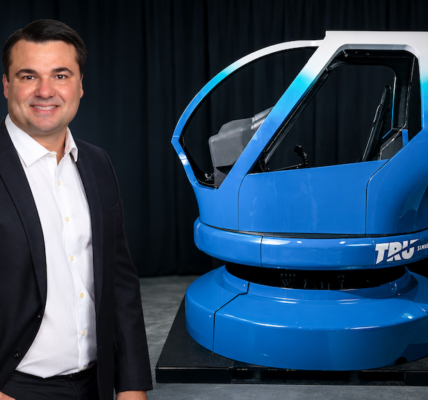
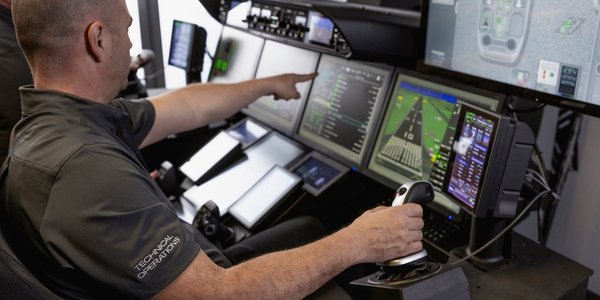
Training is critical as the industry faces a growing need for pilots. Our sister company, TRU Simulation, has developed a virtual reality flight training device for the Bell 505, which we brought to the Singapore Airshow.
It is classified as a Level 7 flight training device (FTD) and uses capabilities associated with Level D full-flight simulation. Its motion system allows pilots to feel the aircraft’s response.
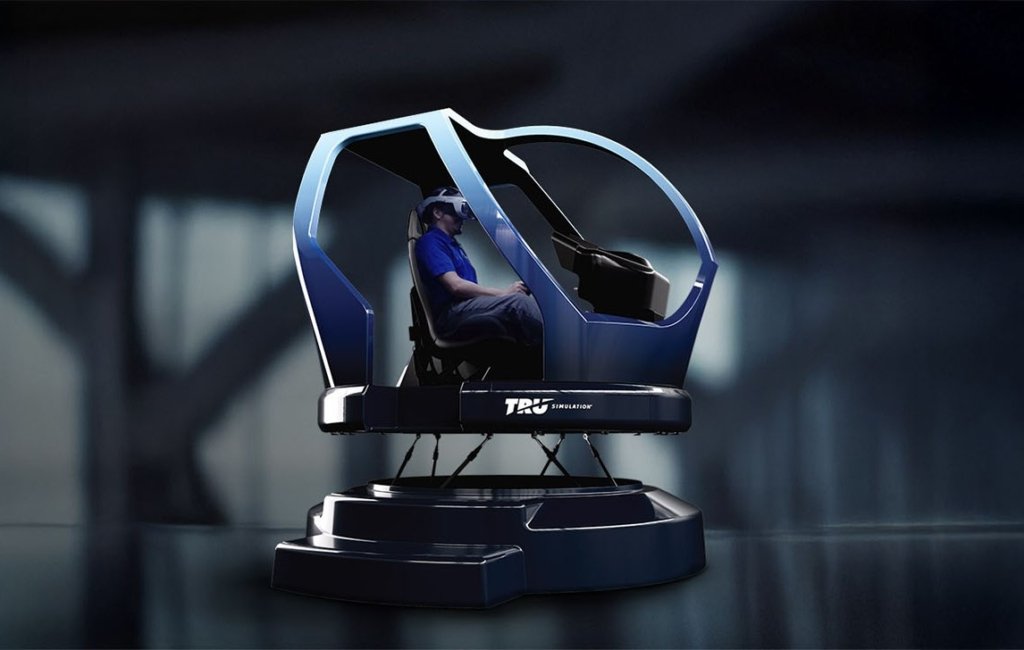
A software specialist who operates the simulator, but is not a pilot, spent around 20 to 30 hours flying it.
We then took him to the Bell Training Academy and put him in a 505. He was able to fly and hover. I remember how much I struggled when first learning to hover.
Learning to hover can take 10 to 20 hours, which is expensive if all the training takes place in a turbine helicopter.
Practising in the simulator before moving to the aircraft could reduce the cost of developing those skills.
We already have programmes to introduce these devices in some countries over the next couple of years, although the customers cannot yet be named.
How does the device support refresher training?
It can support refresher training and reduce the time needed in a full-flight simulator. The device has an electric motion system, while the headset allows pilots to look around the cockpit and through the windows. They can also see their hands and a clipboard through the headset.
The cockpit uses actual aircraft displays and flight controls. The switches and controls provide the physical response pilots expect in the 505. That matters when learning to fly, including at night, when pilots also rely on the feel of the controls.
Also Read: India’s Two-Tier Aviation Economy: Protected vs Penalised