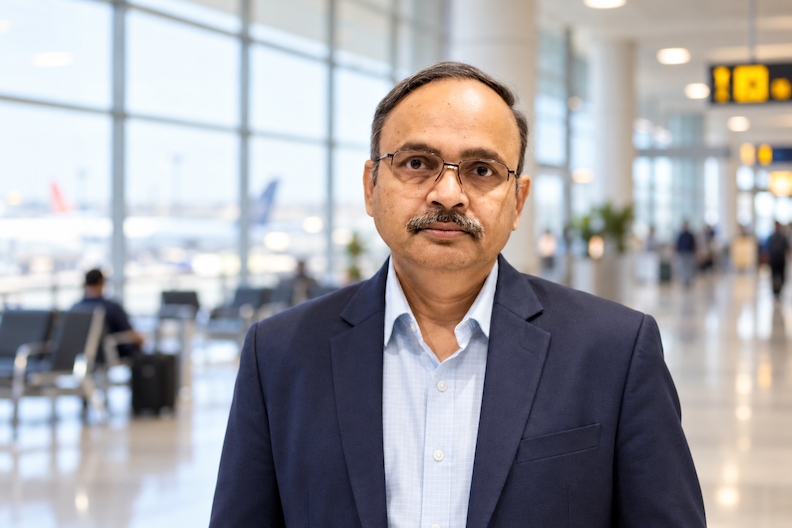
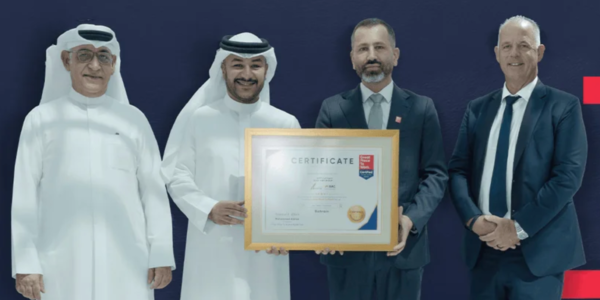






Tracking technology at airports is extending well beyond the location of baggage. It is being applied to customs inspection, cargo screening, ground support equipment and terminal services, where real-time information can help operators focus resources on specific operational requirements. For trackiT, this ranges from identifying bags selected for customs checks to monitoring GSE availability and supporting cargo screening. Soma Sekhar Vedantam, Chief Executive Officer of trackiT, discusses how the company has developed its technology around airport processes, the importance of selecting systems that suit the operating environment, and its plans to expand in India and other international markets.
What is TrackIT’s focus within airport operations?
TrackIT develops technology for baggage, cargo, ground support equipment and terminal asset management.
Much of the industry’s attention is directed towards passenger-facing services, but these depend on the operations supporting them. Delays or shortcomings in baggage handling, cargo processing and ground equipment can affect passenger flow and terminal operations.
Our flagship product tracks bags identified for further customs inspection. It is integrated with systems supplied by several international baggage-handling and screening equipment companies.
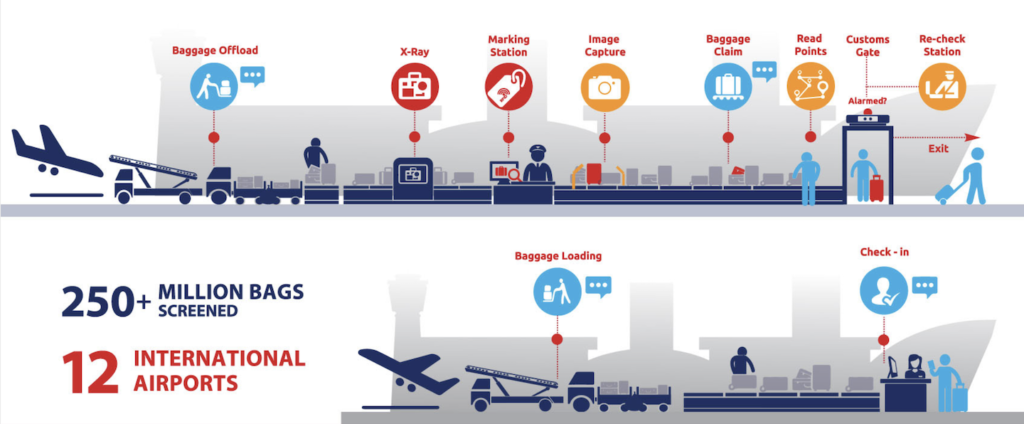
Our cargo system brings together information associated with an air waybill, helping customs officers and security personnel review consignments. Our ground support equipment (GSE) system monitors vehicle condition and movement and integrates with AI-enabled resource management systems to support aircraft turnaround.
We also provide tracking for terminal assets, including buggies, wheelchairs and passenger trolleys, and help airports verify assets for audits.
How does suspect-baggage tracking help customs officers identify bags for inspection without disrupting passenger flow?
While a lot of modernisation and optimisation is going on in the departure process, airports at times tend not to focus on improving the passenger experience in the arrival process. Long queues at arrival screening or customs add to passenger inconvenience and delay overall arrival times.

Checking every passenger’s baggage can create long queues. Allowing passengers through without the necessary checks risks admitting contraband, counterfeit goods or undeclared dutiable goods. Airports need to maintain passenger flow while meeting customs requirements.
Traditional methods of marking bags for inspection are outdated, particularly when airports have invested heavily in modern infrastructure. Our system identifies and tracks a bag without alerting the passenger, so there is no change in behaviour.
TrackIT system tracks bags flagged during screening as potentially containing contraband or goods requiring further customs inspection. Officers can then intercept them at the customs exit and conduct physical checks.
Customs officers can focus on bags that require inspection. That could mean stopping 10 to 15 per cent of passengers while the remaining 85 to 90 per cent proceed without interruption. Officers can then spend more time on the inspections that are necessary.
We use automated detection technologies alongside vision-based system and complementary technologies to track suspect bags and the passengers carrying them through the arrivals hall. Only bags requiring further inspection are tagged.
I cannot disclose the detailed tagging and tracking method publicly. What I can explain is that several technologies are combined to help officers intercept the identified bags at customs.
How does your cargo system support screening, and can it accommodate different cargo sizes?
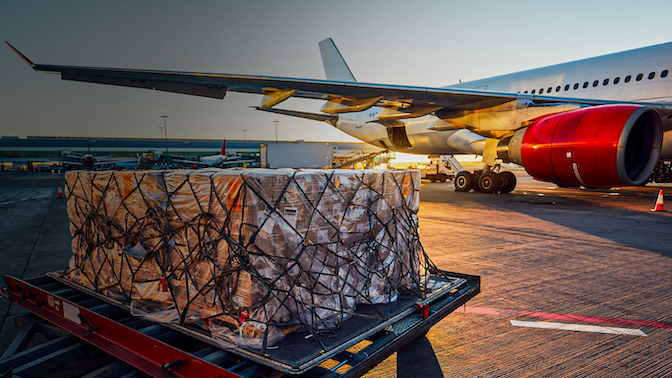
We use computer vision and other technologies integrated with X-ray equipment and cargo systems. These bring together the information needed to screen incoming and outgoing cargo available at a Head office view.
Customs and security officers can review screening information from their own offices rather than sitting beside an X-ray machine. The system accommodates cargo of different sizes and shapes.
The number of officers available for screening is limited, so our objective is to help them process cargo more efficiently with the resources available.
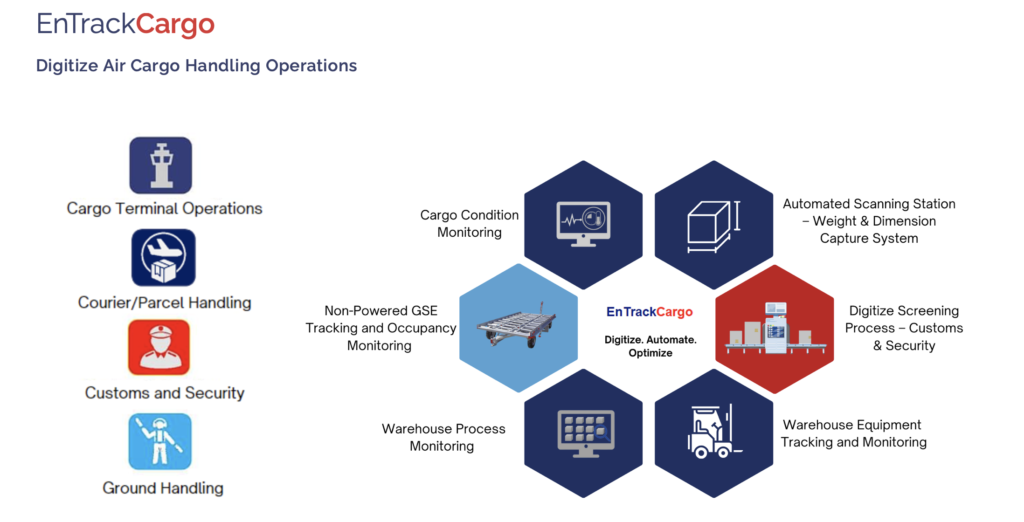
In India, cargo screening must follow requirements set by the Bureau of Civil Aviation Security (BCAS). Our system complies with those requirements and helps simplify the associated processes.
How does GSE tracking improve equipment availability and aircraft turnaround?
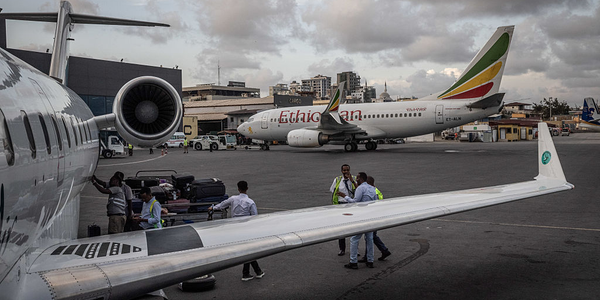
We install IoT (Internet of Things) devices on ground support equipment to monitor its location, operating condition and maintenance needs. The device’s size and placement depend on the equipment type and tracking requirements.
Our aim is to improve equipment availability and keep vehicles in service for longer. Tracking must provide more than a location on a screen; the information needs to help operators manage equipment deployment.
The system monitors GSE activity from an aircraft’s arrival to its departure and integrates with resource management systems. When flight timings change, equipment assignments can be revised using real-time location data and operations research methods to determine which vehicle should serve each aircraft. This also helps accommodate aircraft that were not included in the original schedule.
Airports, airlines and ground handlers can use that information to manage equipment movements, make better use of airside space and improve turnaround efficiency.
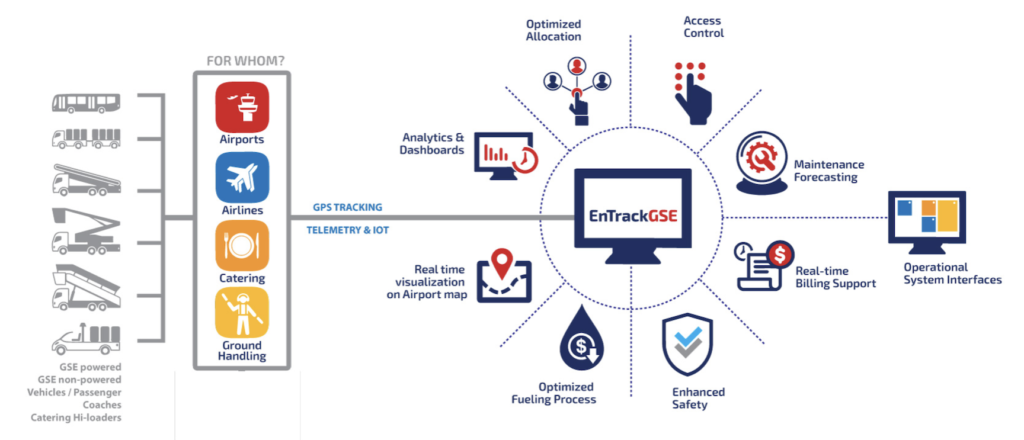
The software agreement is typically renewed annually, with monthly payments. This reduces the upfront financial commitment for airports and ground handlers.
How does your system help manage wheelchair assistance from check-in to the boarding gate?
We are developing products for passengers with reduced mobility (PRM) as part of our terminal services.
For a wheelchair journey from check-in to the gate, we need to track three elements: the wheelchair, the attendant and the passenger. Tracking the equipment or the attendant alone does not show whether the passenger is receiving the required assistance.
Many assistance providers want to avoid relying on airport infrastructure because rental costs can be high. We provide technology that helps them manage the service while protecting passenger well-being and ensuring timely arrival at the gate.
This requires an understanding of how the service operates. The technology must suit those requirements and be straightforward to adopt.
How have your systems evolved, and how do you select the technology and hardware for airport applications?
We follow changing operational requirements and developments in technology. Our understanding of airport processes helps us determine where new technology can be applied effectively.
Introducing something simply because it is new does not work. It must be suitable for the operation and the environment in which it will be used. We develop our existing products and introduce new ones on that basis.
Our systems combine software and hardware. We source some equipment from suppliers and contract-manufacture other devices.
Standard hardware does not always provide the features we need. Manufacturers tend to prioritise devices they can sell in volume, whereas airport applications can require more specialised capabilities.
We already arrange production of some of this equipment and plan to expand that activity. Our operations are spread across Dubai and Hyderabad.
How do you evaluate the performance of your systems?
Customer retention is one indicator, and ours is 100 per cent.
For suspect-baggage tracking, passenger feedback helps us assess the experience at customs. With GSE and cargo systems, performance and return on investment can be measured through processing time, equipment use and throughput, including the number of cargo pallets screened.
We are currently deploying a national cargo screening system in a Middle Eastern country. After installations at several airports, the national cargo agency requested deployment across every airport. The system will cover incoming and outgoing cargo at both pallet and carton level.
That expansion reflects how the technology is meeting operational requirements. We are not sharing detailed efficiency figures at this stage, but measurable improvements are essential for these systems to gain acceptance.
What are your plans for expansion in India and internationally?
TrackIT has been operating for 22 years. More than 30 international airports have adopted our suspect-baggage tracking system at different stages, and we expect further adoption.
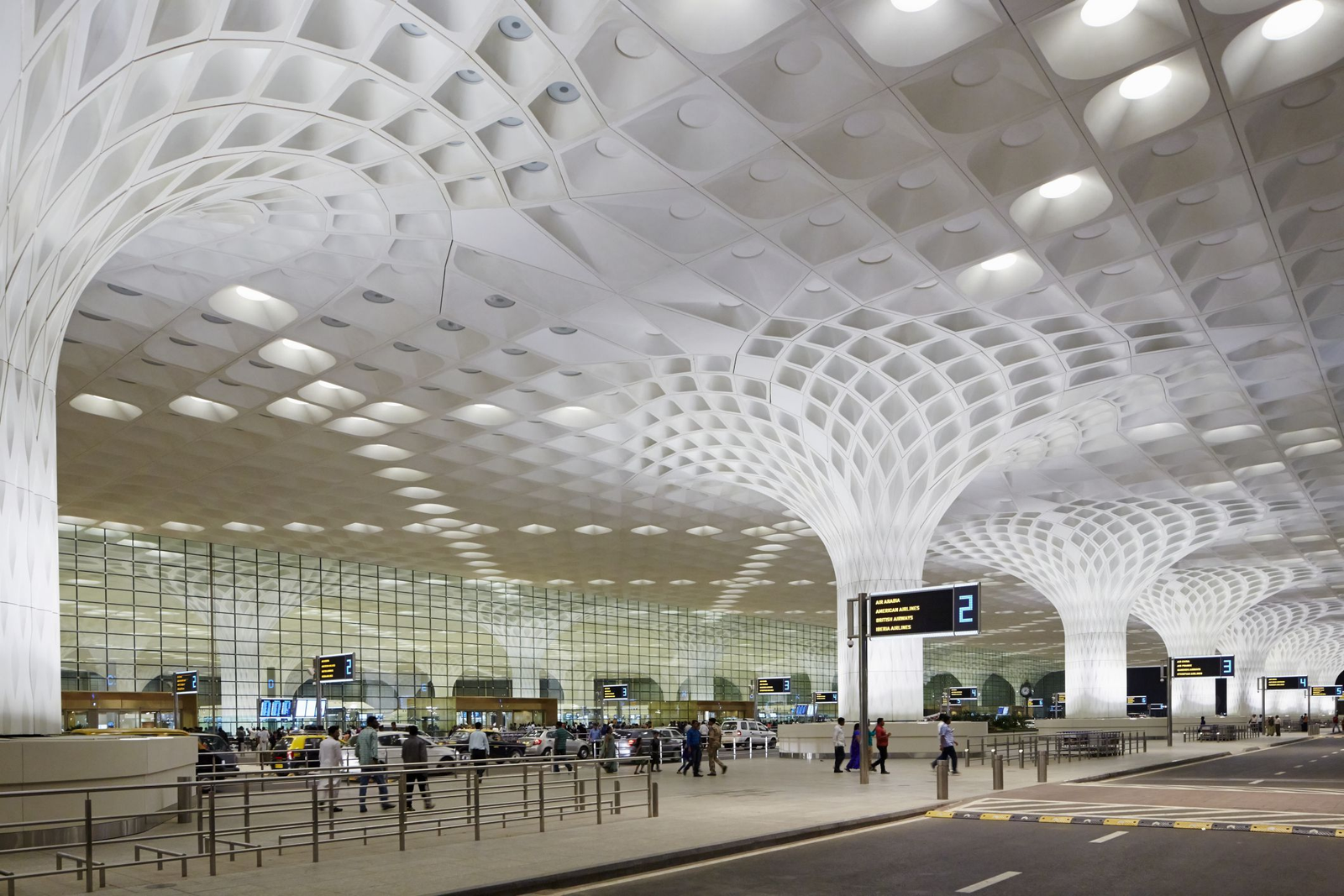
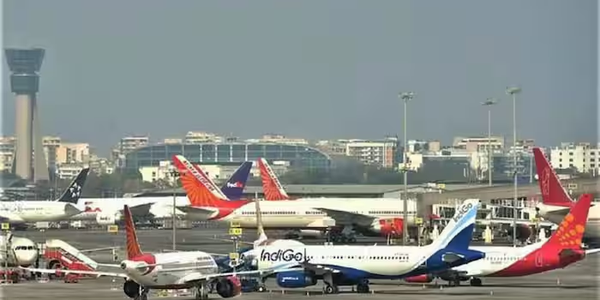
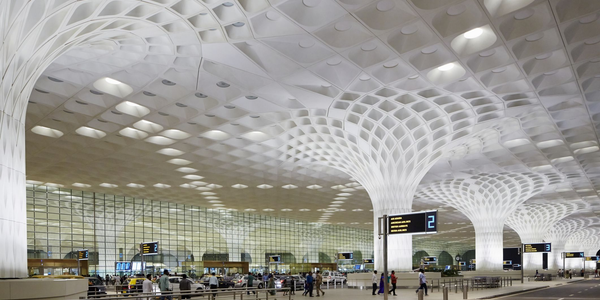
In India, we are currently working with Mumbai International Airport and are in discussions with several other airports. We expect our presence to expand over the coming months.
We are based in Dubai, with operations in Hyderabad, and plan to establish offices in Europe and the United States.
Interest in our technology extends across several continents. We have developed our systems from the ground up. What matters to us is that they meet operational requirements and that the organisations using them can adopt the technology effectively.
Also Read: HI-SCAN 6040 CTiX: Smiths Detection’s 3D CT Scanner for Cabin Baggage