




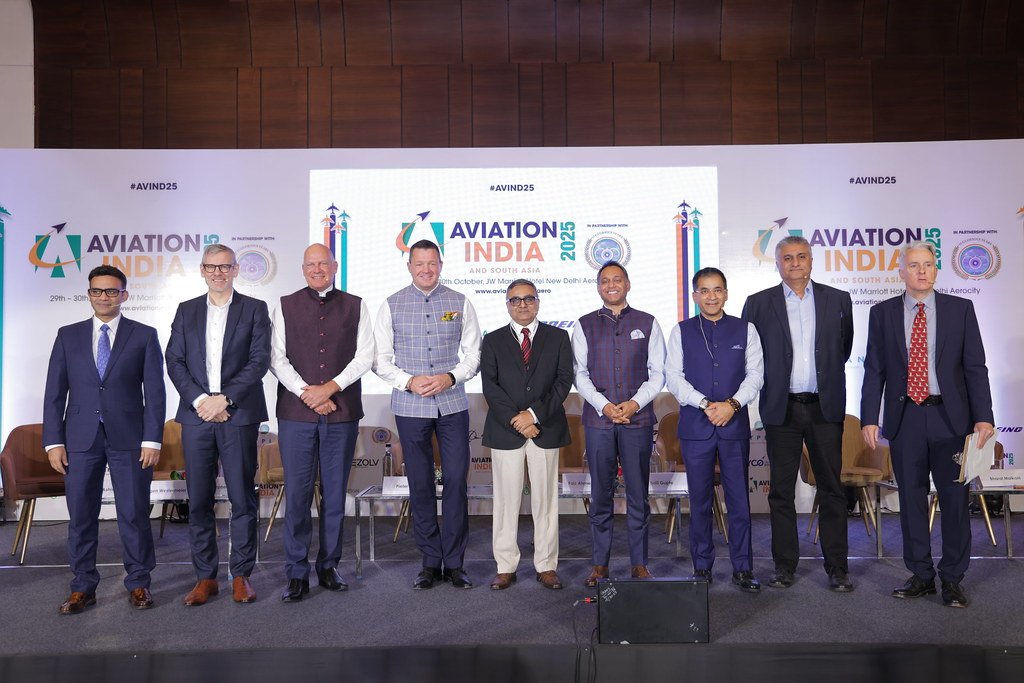
At the Aviation India summit in New Delhi last October, the chief executives of IndiGo, Air India and Akasa Air were among those discussing their airlines’ expansion plans.
A year later, two of the airlines have new leaders, operating costs have risen sharply, and the economics of adding capacity have become more difficult.
The aircraft orders remain, as do the plans for new airports, maintenance facilities and training centres. Whether these investments can deliver the expected results is now an important question for Indian aviation.
The third Aviation India and South Asia Summit & Exhibition, scheduled for 3–4 November at the JW Marriott, New Delhi Aerocity, brings these different businesses into the same discussion. Organised by Times Aerospace Events in partnership with the MRO Association of India, the conference will include airline and airport leaders, aircraft manufacturers, engineering specialists, training organisations and regulators.
Its theme, “Opportunities / Challenges / Solutions: Finding the right growth formula for Indian aviation”, addresses questions extending well beyond the number of aircraft and passengers the country can accommodate.
There are good reasons for examining the economics of growth. Ratings agency ICRA expects Indian airlines to incur combined losses of ₹36,000–38,000 crore in FY2026–27, compared with estimated losses of ₹28,000–30,000 crore last year.
Higher fuel prices, rupee depreciation and international airspace restrictions have increased costs, while domestic passenger traffic declined 6.5% in September. Airlines must take these conditions into account when deciding which routes to operate, how much capacity to deploy and where to invest.
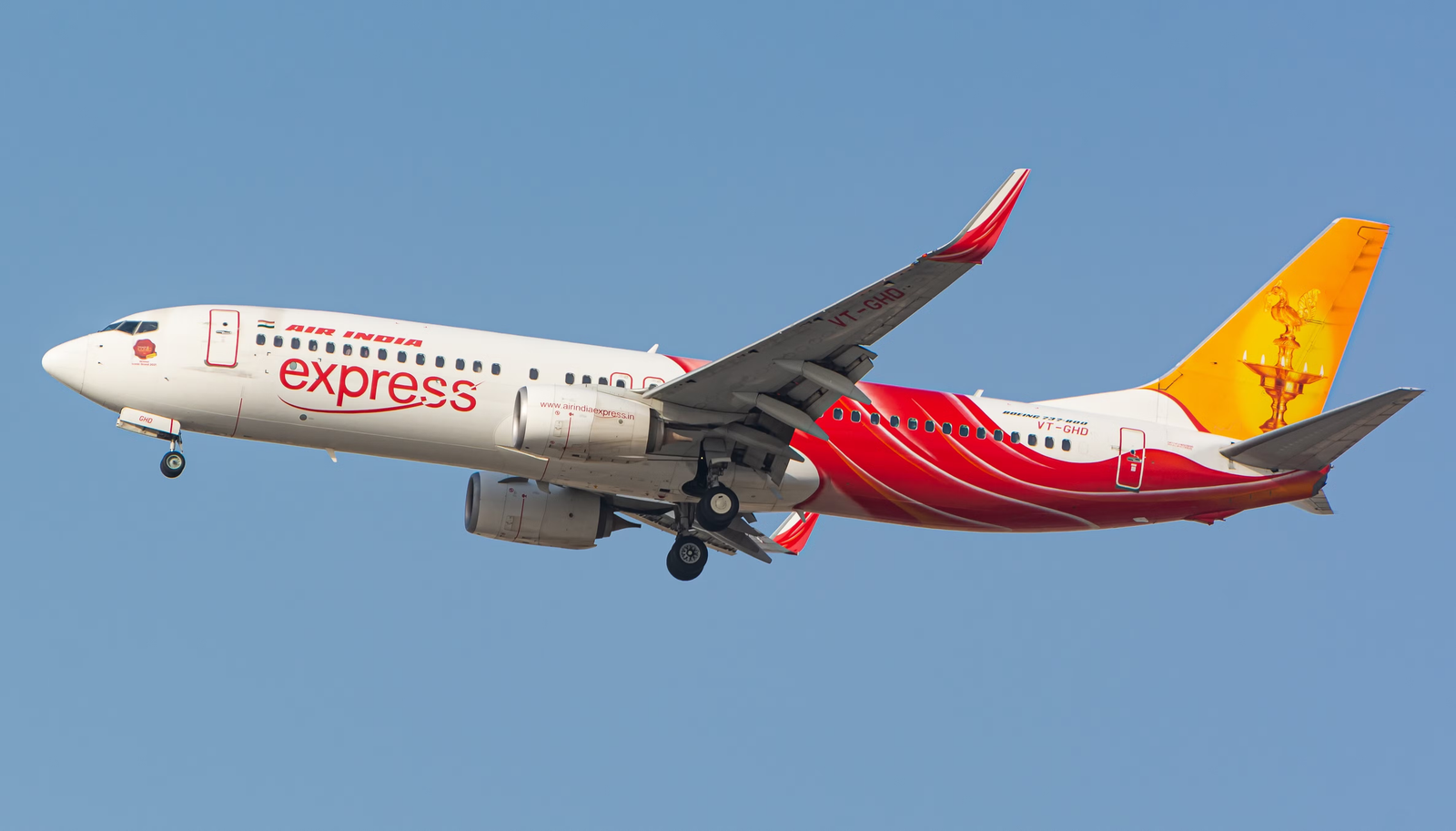
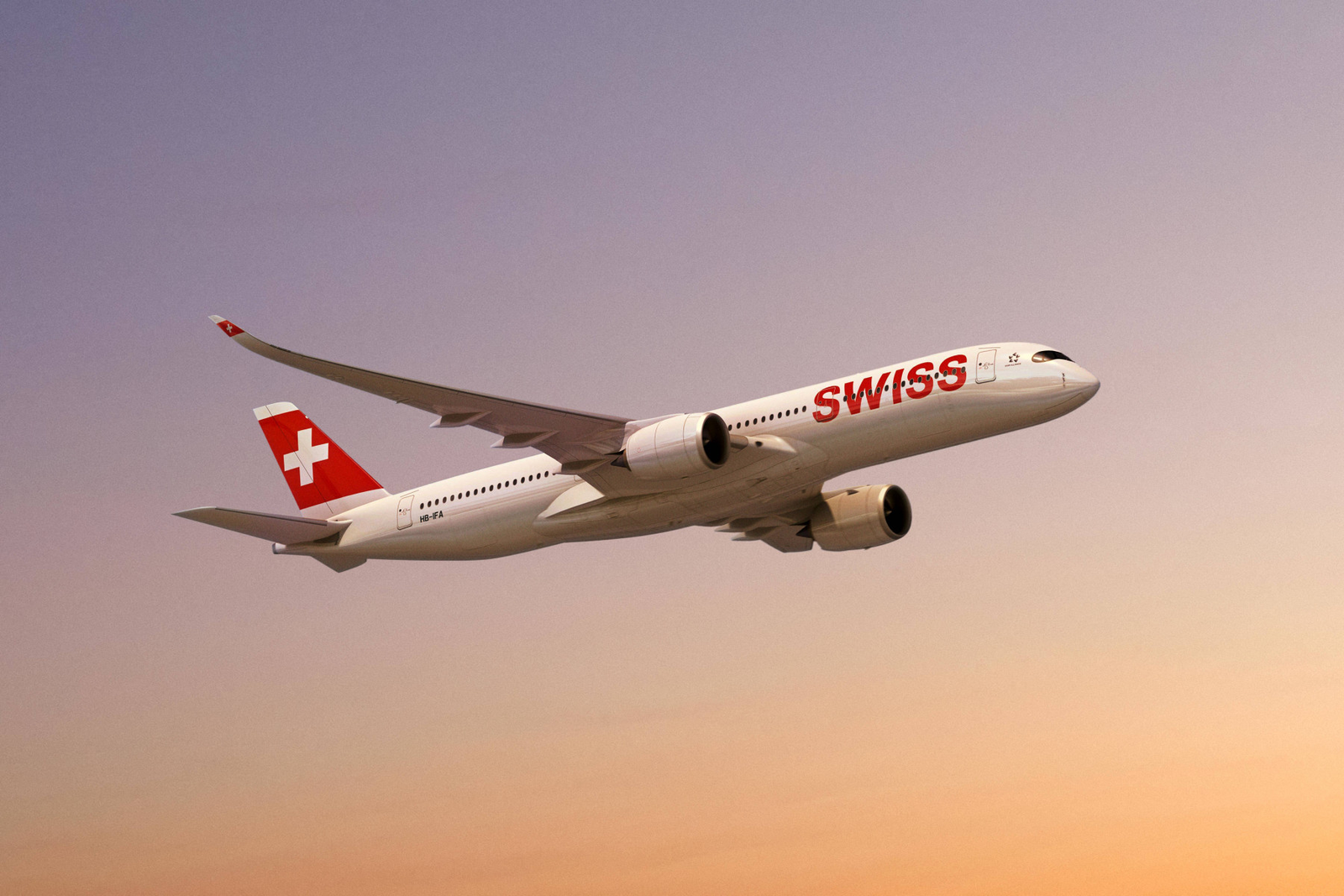
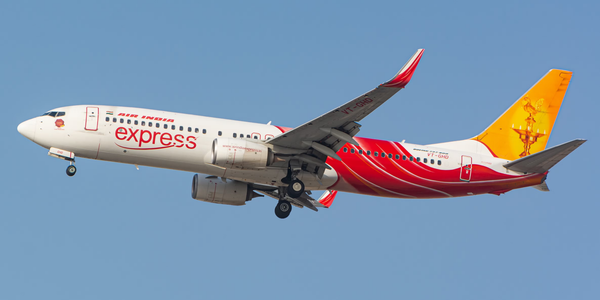
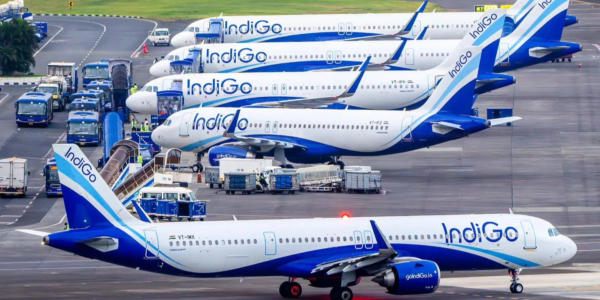
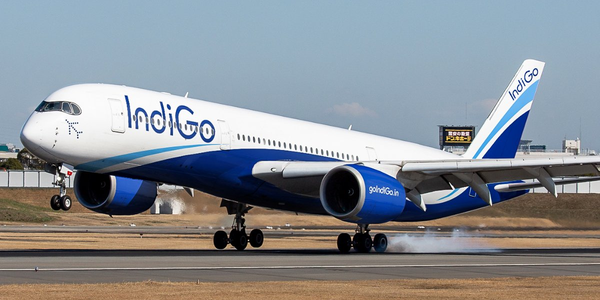
The presence of new IndiGo CEO Willie Walsh and Air India CEO Tewolde Gebremariam makes the summit’s airline discussions particularly interesting. Both carriers have substantial aircraft commitments and international ambitions, but they are pursuing different business models.
IndiGo wants to extend its international reach without losing the cost advantages of its short-haul operation. Air India is undertaking fleet and cabin modernisation while trying to improve reliability, service standards and profitability.
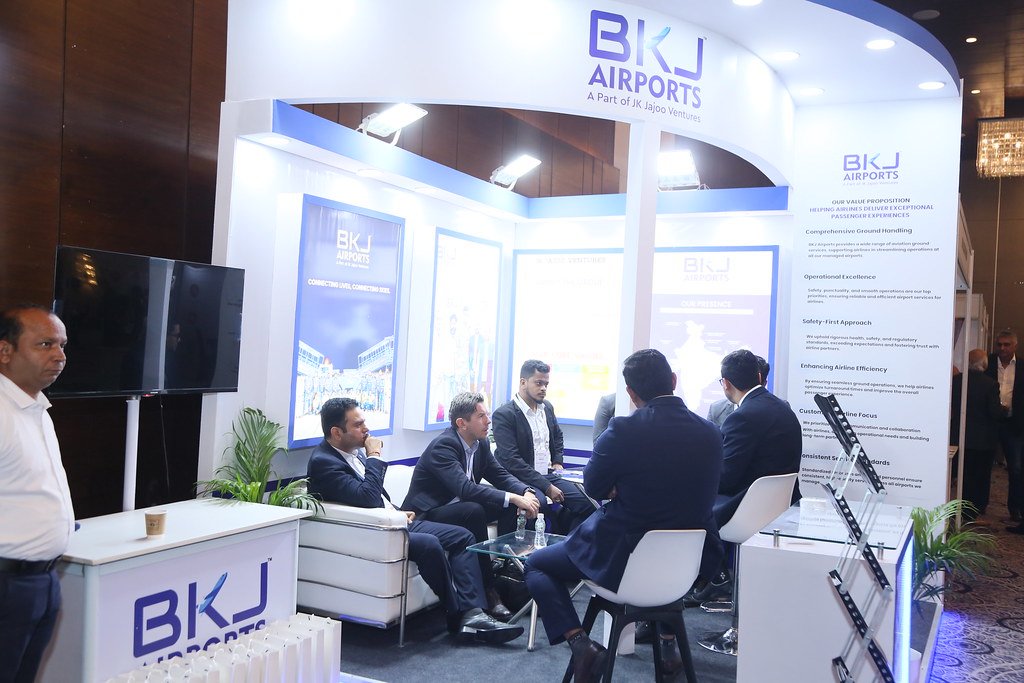
Their plans have consequences for much of the industry represented in Delhi. Greater international connectivity requires competitive airline networks and airports capable of handling transfer passengers efficiently.
It creates additional demand for maintenance, technical support and trained crews. The decisions made by India’s largest airlines will influence where supporting businesses invest and the services they develop.
The commercial priorities of regional airlines are different. Smaller carriers frequently serve routes with limited traffic, where aircraft selection, frequency and access to larger airports can determine whether a service survives.
Nearly half the routes operationalised under UDAN were no longer operating by July 2026. Modified UDAN has introduced additional support, but the experience of Star Air and FLY91, both participating in the summit, will be relevant to discussions on how regional connectivity can remain viable beyond subsidies.
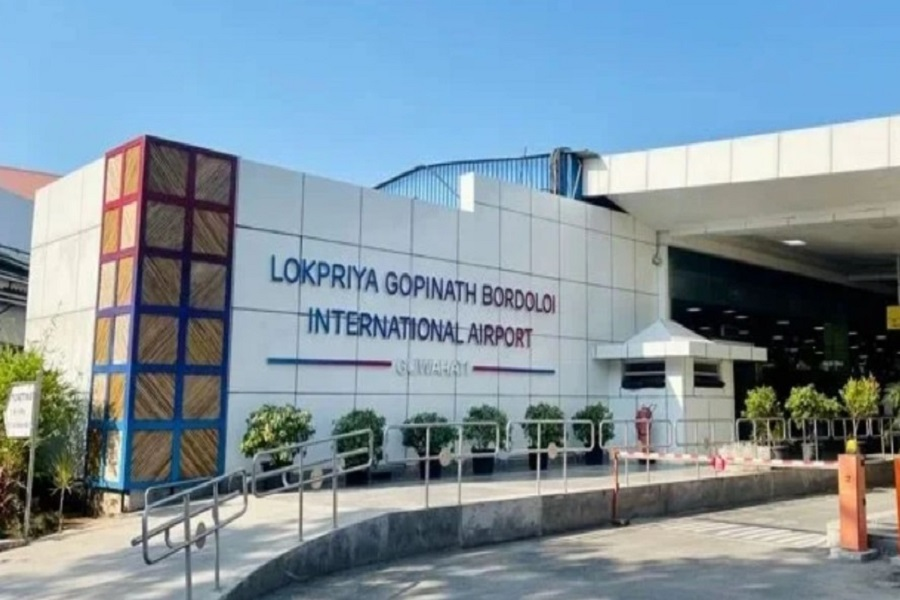
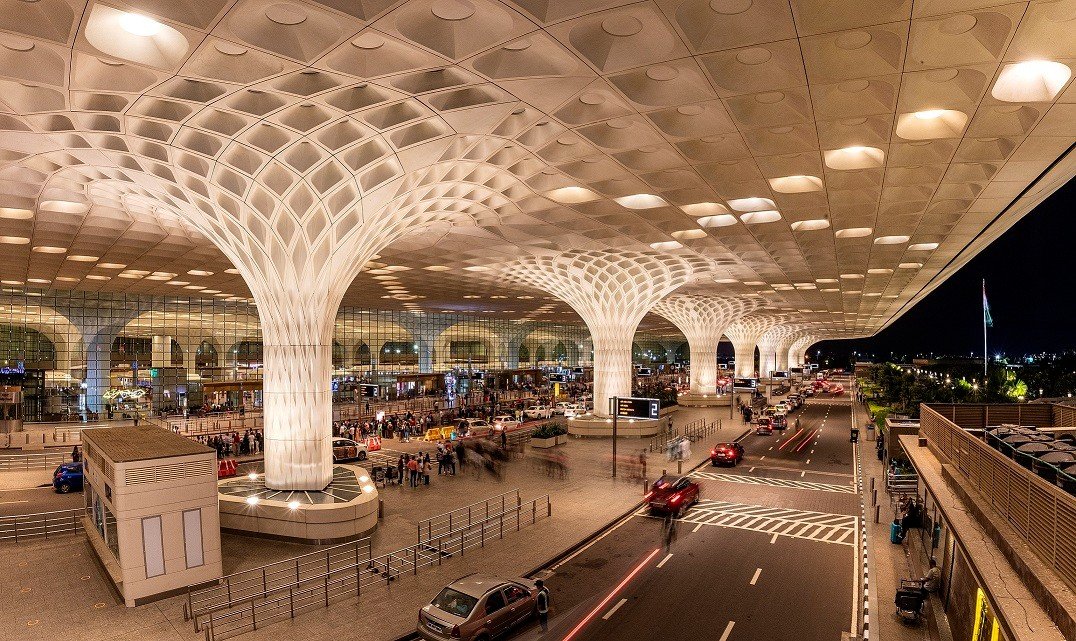
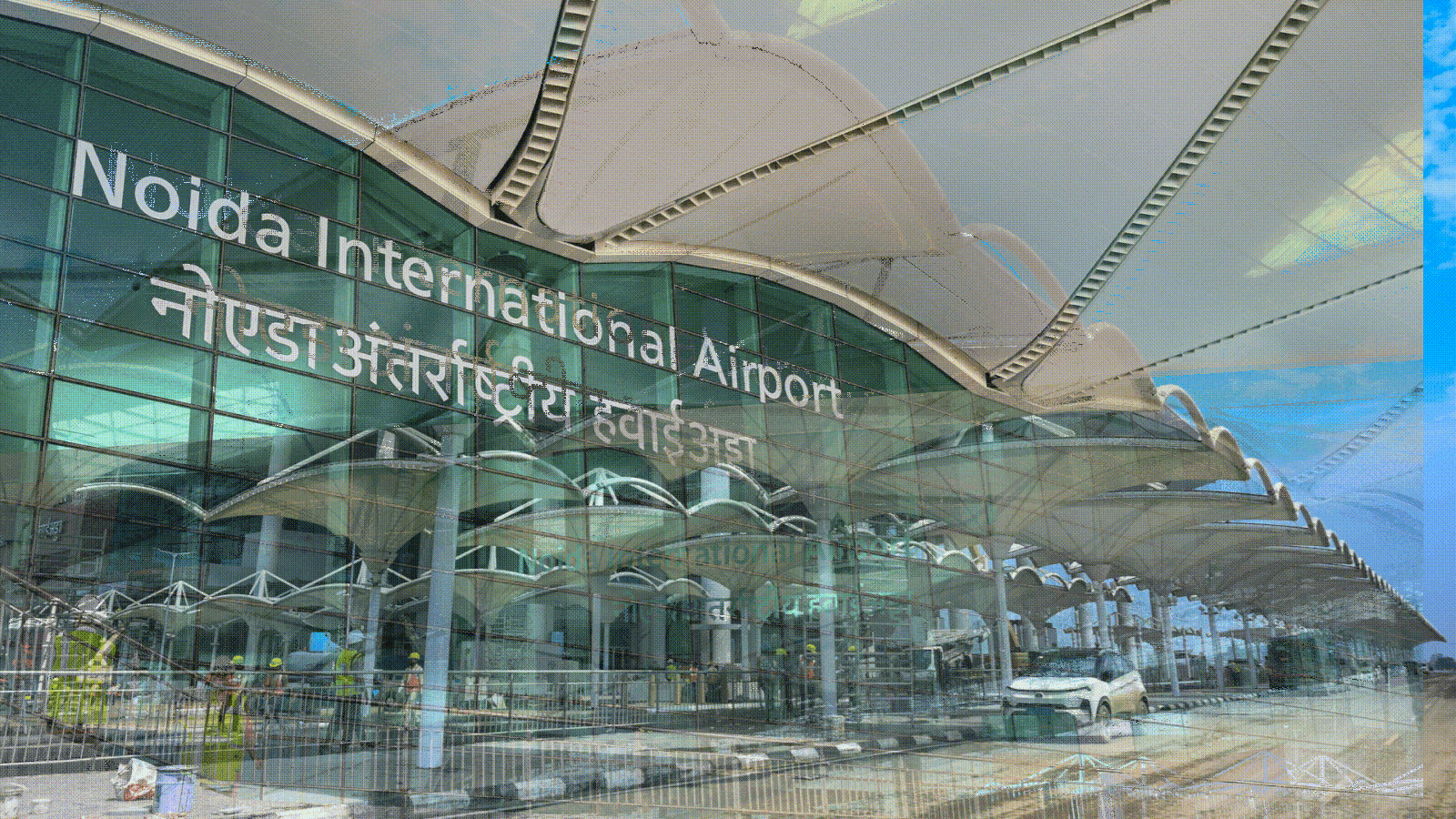
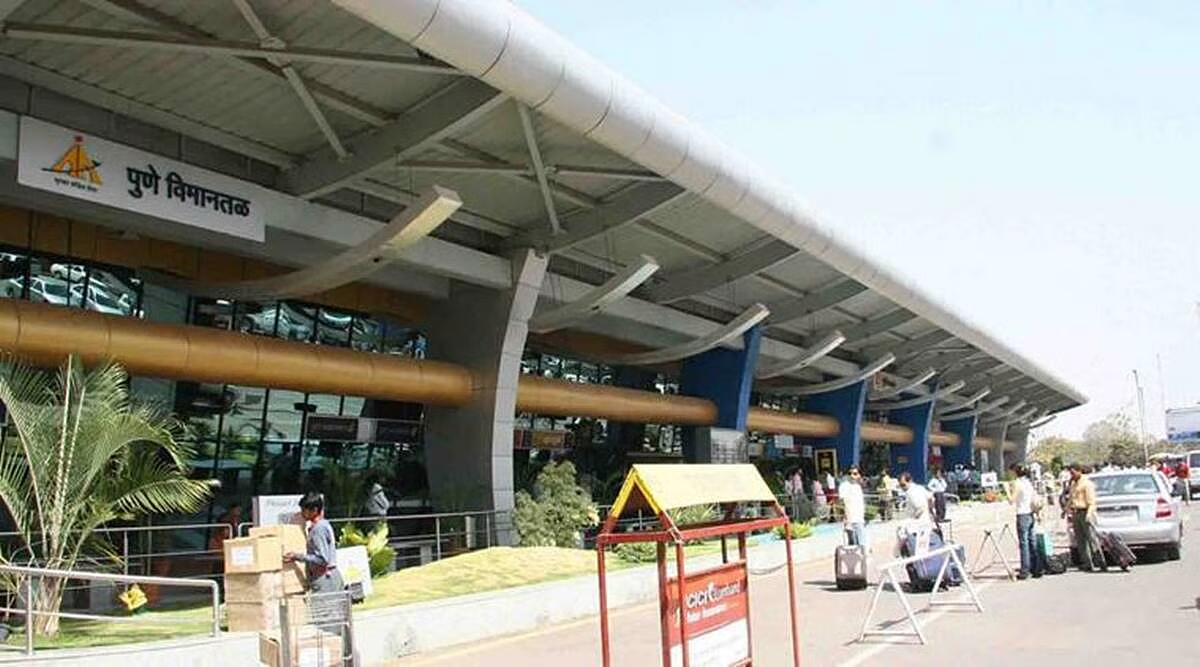
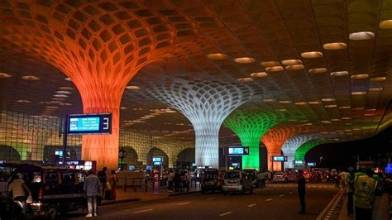
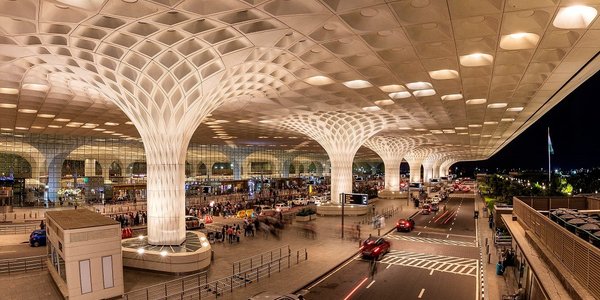
Airport operators face equally demanding investment decisions. The proposed redistribution of services between Mumbai and Navi Mumbai ahead of the redevelopment of Terminal 1 has prompted negotiations with airlines over schedules, slots and passenger access. In the National Capital Region, Noida International Airport has commenced operations, while Delhi continues to develop its international connectivity.
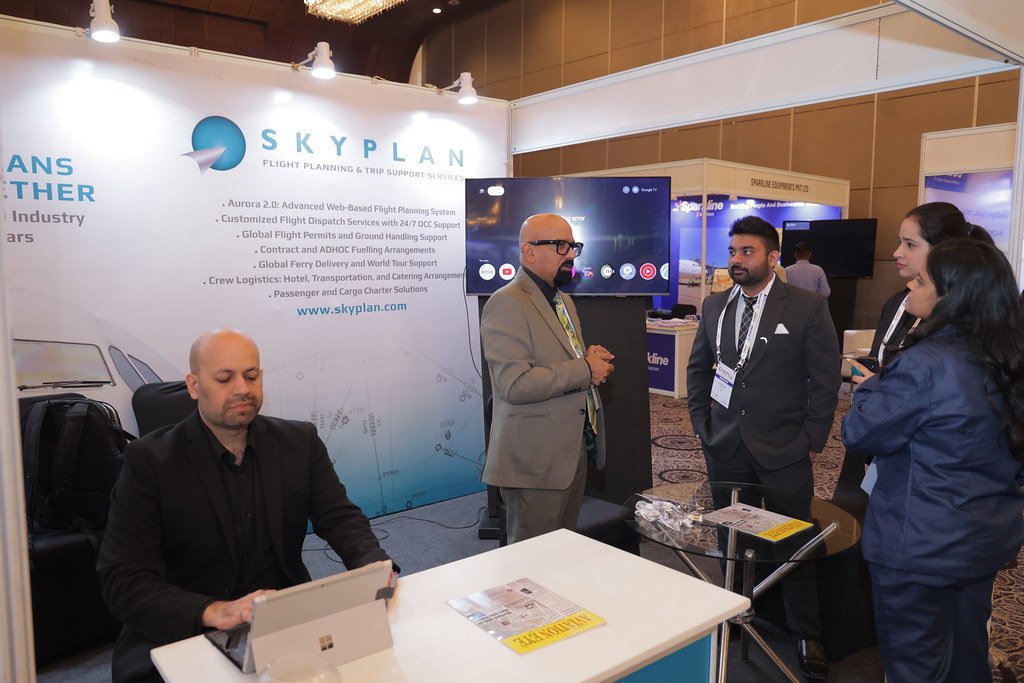
These developments give substance to the airport leadership discussions involving Adani Airports and GMR Airports.
The commercial success of airport expansion depends partly on airline commitments, but efficient passenger transfers, baggage processing, ground operations and surface connectivity also matter.
India’s ambition to attract more international passengers through domestic hubs will require airports and airlines to work closely on network development and passenger services.
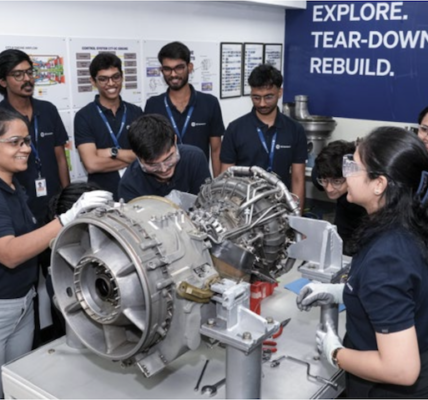
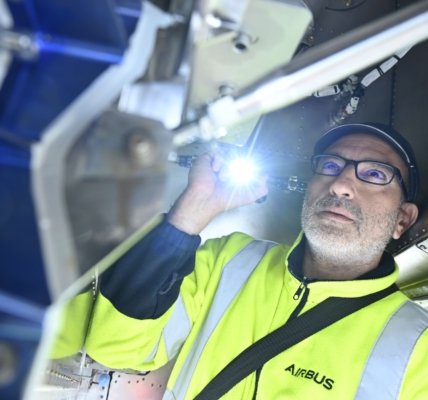
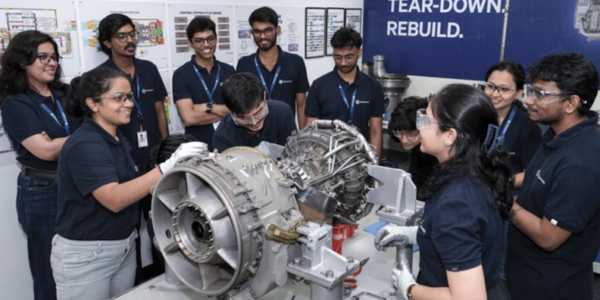
The maintenance industry faces a similar need for coordination. Air India’s decision to build a new hangar in Delhi is part of a wider effort by airlines to strengthen engineering capabilities within the country. Yet specialised engine and component maintenance continues to rely on overseas providers, even as Indian companies invest in facilities and technical expertise.
The summit has scheduled discussions with both airline engineering executives and independent MRO providers. For airlines, aircraft availability, maintenance costs and turnaround times directly affect operations. The companies providing those services must consider the investment required for equipment, approvals, spare parts and trained engineers, and whether there will be enough business to justify it. The prospects for attracting overseas maintenance customers add another commercial consideration.
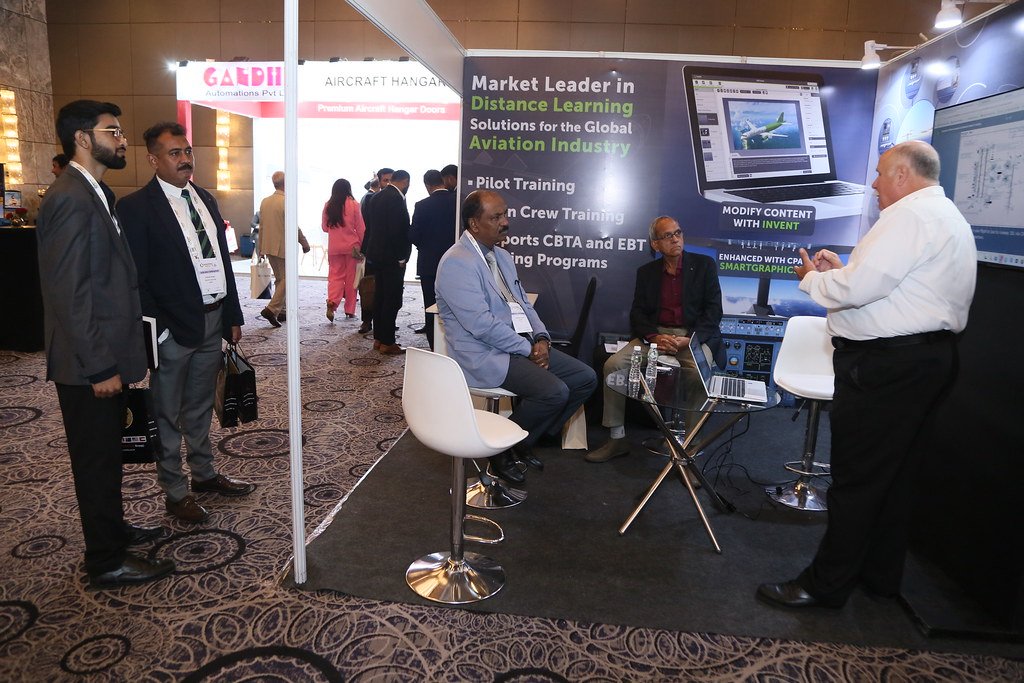
The discussions involving AIESL, GMR Aero Technic, Air Works and Max Aerospace will be relevant to the industry’s plans to retain more maintenance expenditure in India.
They also offer an opportunity to compare the services airlines require with the capabilities that domestic providers can develop competitively.
India’s aerospace manufacturing industry is pursuing a larger share of global aircraft programmes.
Airbus already sources more than $1.6 billion annually in components and services from the country, while Indian manufacturers are investing in structures, engineering and other aerospace activities.
The summit’s manufacturing debate, involving Airbus, Embraer, Dynamatic Technologies and Adani Defence & Aerospace, will consider the scope for expanding this work. Supplier certification, quality, technology investment and reliable delivery remain fundamental to securing long-term international contracts.
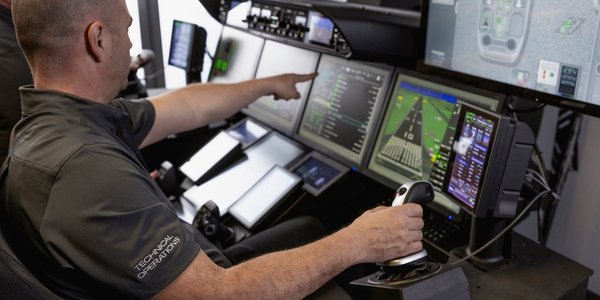
The need for qualified personnel runs through these expansion plans. Air India received DGCA approval for its new flying academy at Amravati on 30 October, while other flying schools and simulator providers are developing capacity. The investment is substantial, and training organisations must plan for airline requirements that may change with aircraft deliveries, recruitment and operating conditions.
The summit will have separate pilot training discussions involving airline flight operations executives and representatives of Chimes Aviation Academy, Skynex Aero and Simaero. They will address future pilot preparation, training capacity and standards, and the investment required in aircraft, instructors and simulators. For airlines, the availability of qualified crews is essential to operating their planned fleets; for training providers, the task is to develop capacity that can be used consistently and commercially.
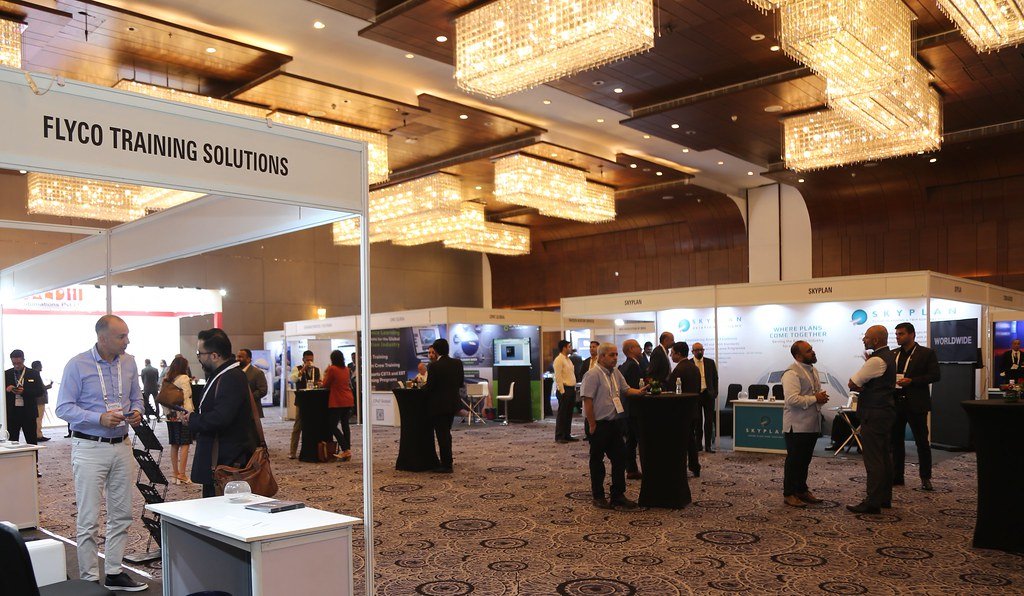
Business aviation, general aviation and helicopter operations will have a dedicated discussion on the infrastructure, regulations and operating arrangements affecting their operations and expansion.
A separate session will address decarbonisation, including the financial and practical difficulties of developing sustainable aviation fuel while conventional fuel costs remain high.
The summit will also feature an exhibition and business meetings where companies can discuss potential investments and partnerships.
Bringing airline customers, airport operators, manufacturers and aviation service providers together offers a chance to understand where their plans coincide and where additional capacity, investment or policy support may be required.
The discussions in Delhi will also matter to the people who operate aircraft, maintain them, train their crews and manage airports. For them, industry progress is visible in aircraft that are ready for service, schedules that can be maintained, safe operations and passengers who reach their destinations reliably.
Indian aviation has benefited from decades of skill, determination and hard work. Its greatest achievement in the years ahead will be to build on that effort with stronger businesses, dependable infrastructure and opportunities that allow the next generation to take Indian aviation further.
Register for Aviation India 2026: Aviation India and South Asia Summit & Exhibition 2026

Aviation Jeta is an aviation news platform covering airlines, airports, aircraft, and global aviation developments. We publish accurate, well-researched, and detailed aviation news and industry insights from around the world.