


Avion’s Integrated FFS: Reducing Infrastructure Requirements and Operating Costs


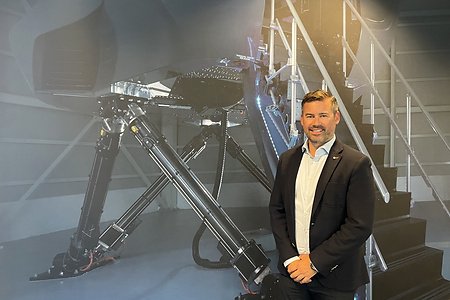
Expanding pilot training capacity involves more than securing simulator slots. Airlines and training organisations must also account for installation space, power use, maintenance costs and initial and recurrent simulator qualification. These requirements can make simulator ownership difficult for smaller operators, leaving them reliant on third-party providers. Netherlands-based Avion manufactures lighter, self-contained full-flight simulators designed to reduce the infrastructure needed for installation and operation. Michiel Verdonk, Global Sales Manager at Avion Full Flight Simulators, explains the company’s approach and the growing requirement for additional simulator capacity in India.
Could you provide an overview of Avion’s business and explain how its full-flight simulators differ from conventional devices?
Avion is a Netherlands-based simulator manufacturer. We manufacture Level D full-flight simulators for narrowbody aircraft, currently focusing on the Airbus A320 and Boeing 737 MAX and NG.
The company was founded by aviation experts and engineers who questioned why full-flight simulators had to be so complex to install and operate. They believed that using a simulator should be almost as simple as starting a car: you get in, take your seat, switch it on, and the various systems begin operating automatically.
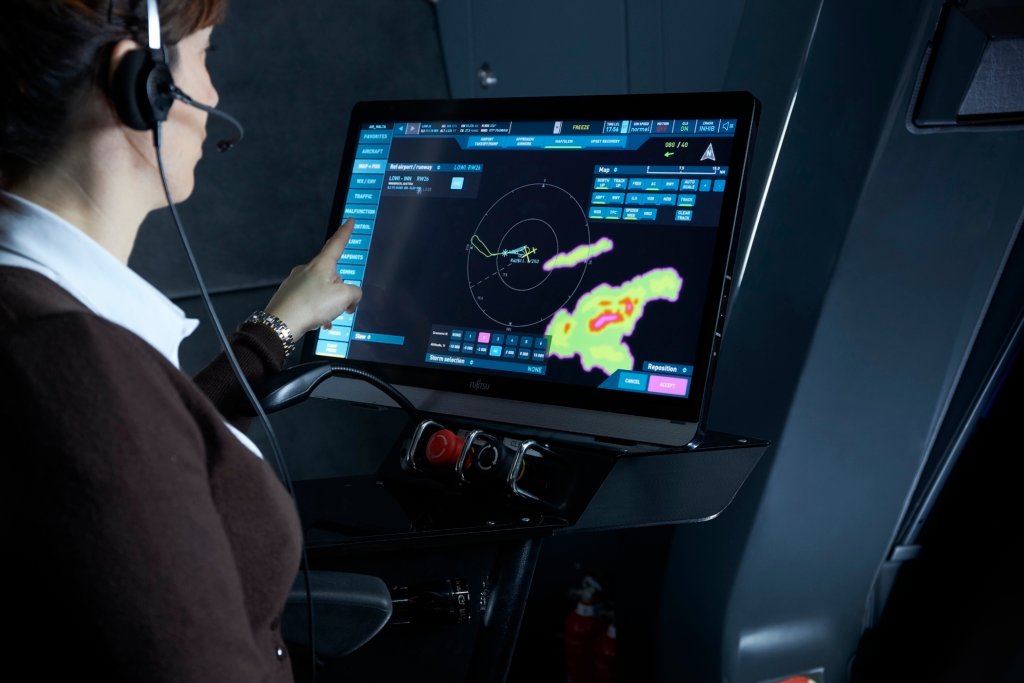
That thinking led us to completely redesign the full-flight simulator and integrate its servers, air-conditioning equipment, image generators and other operating systems into the device itself. We also make use of airstairs, allowing the simulator to be accessed directly from the ground floor.
How does the integrated design affect the infrastructure and operating costs required for a full-flight simulator?
Our simulator requires an area of approximately 14 metres by 14 metres, including the motion envelope, and a height of 9.40 metres. A conventional simulator normally requires an access bridge, a mezzanine or first floor, external air conditioning and a separate server room. We have removed the need for all of that supporting infrastructure.
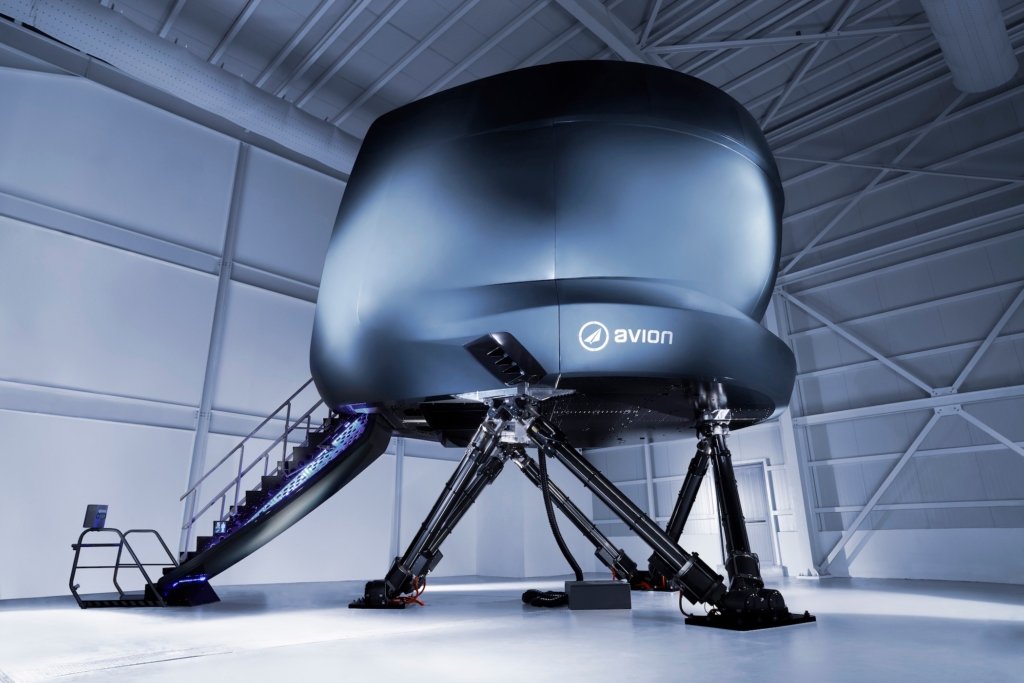
In practical terms, we can bring the simulator into an existing facility or hangar, place it on the floor and connect it to the electricity supply.
This makes installation easier, particularly for smaller airlines and training organisations that already have a suitable hangar at their home base.
The use of lightweight materials has reduced the simulator’s weight to approximately 7.5 tonnes, compared with as much as 14 tonnes for a conventional device.
This not only reduces wear & tear on the structure, it also makes the simulator more than 70 per cent more energy-efficient than conventional devices. It’s lower power requirement allows solar panels and battery storage to be considered as part of the facility’s power supply.
The initial purchase price is lower than that of competing simulators, providing an immediate cost advantage. However, the difference becomes even more significant over the simulator’s operating life, which is normally around 20 years. Lower expenditure on energy, maintenance, and supporting infrastructure can further reduce overall operating costs and provide an earlier return on the investment.
Smaller airlines often have to purchase simulator time from third-party training providers, including competing carriers. The lower infrastructure and operating requirements gives smaller airlines and medium-sized ATOs the option of installing simulator capacity at their own base.
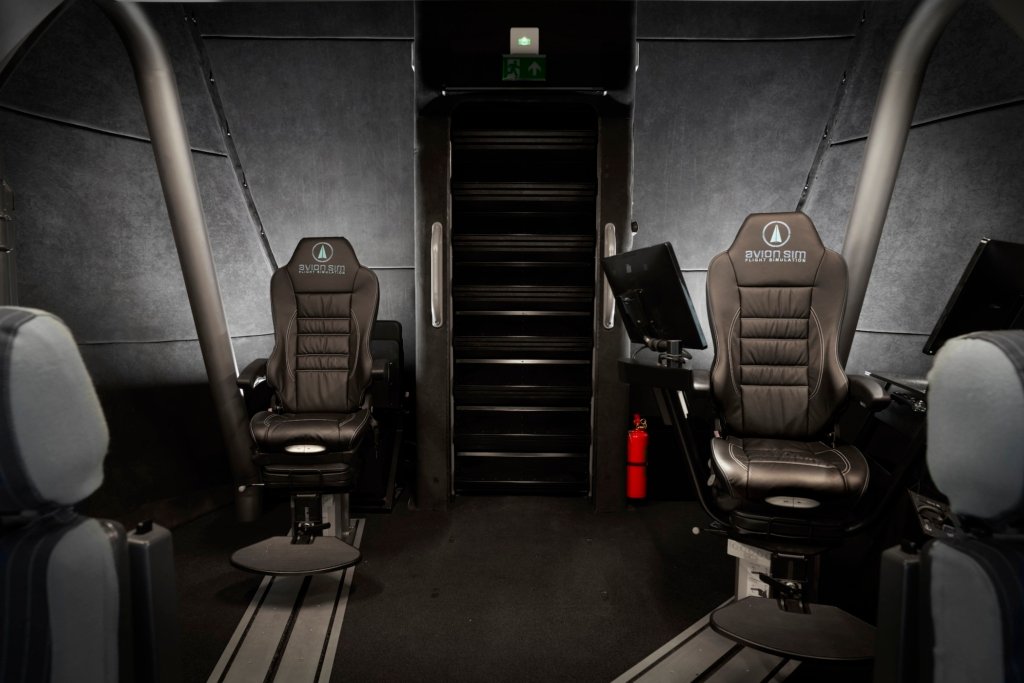
This not only provides greater flexibility and control over training schedules, but also eliminates the need to send crews hundreds or even thousands of kilometres to external training facilities.
By conducting training at their own base, operators can reduce travel and accommodation costs, minimise the time crews are away from normal operations, and reduce the associated carbon footprint of crew travel.
Together, these benefits can make local simulator capacity a more efficient, cost-effective, and sustainable solution for flight crew training.
What manufacturing capacity and installed base does Avion currently have?
Our manufacturing facility is in Nieuw-Vennep, close to Amsterdam Schiphol Airport. Currently it can produce between four and six simulators a year, and production capacity can be increased in case of extra demand.
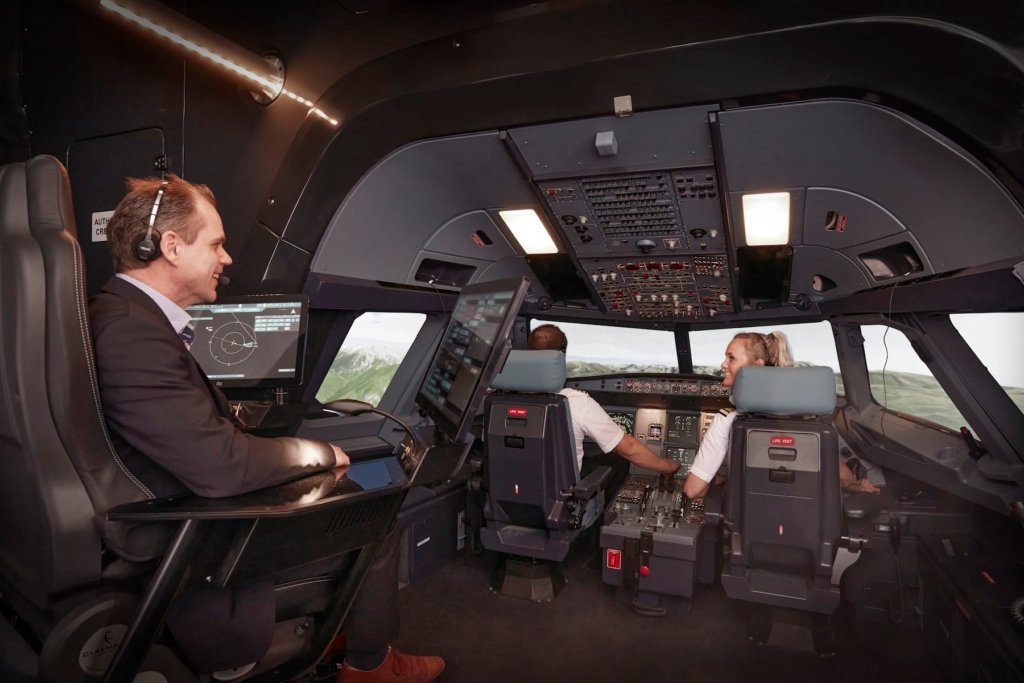
We currently have three simulators in operation. One A320 simulator is installed at our training centre at London Luton airport, while two have been delivered to a customer in Mumbai. The Mumbai customer has ordered six simulators in total, leaving four to be manufactured and delivered.
What purchase and leasing options does Avion offer its customers?
We offer direct sales as well as hourly, operational and financial leasing arrangements.
In the United Kingdom, we primarily provide dry-lease access, with airline customers using the simulator for their own training. The Mumbai facility also offers wet-lease access and type-rating training.
What level of interest is Avion receiving from India, and what advantages does Mumbai offer as a training location?
We are receiving considerable interest from India. The country’s aviation industry is growing, creating demand for additional full-flight simulator capacity.
Enquiries are coming from airlines, established training organisations and new companies seeking to enter the training market.
Mumbai is well connected to different parts of the country. The facility is also close to the airport, making it convenient for pilots and airline customers travelling from other regions.
How does Avion support customers in securing and maintaining regulatory qualification for its simulators?
We supply our simulators with a qualification guarantee. They are built to meet the applicable requirements of authorities such as EASA, the FAA, the UK CAA and India’s DGCA. The Mumbai facility has already received DGCA approval.
Our qualification specialists oversee the process and remain at the customer’s facility until the simulator has been qualified. We can also assist with recurrent qualification.
What feedback have you received on the simulator’s motion and handling?
We use the E2M full-electric motion system, which is capable of lifting 14 tonnes.
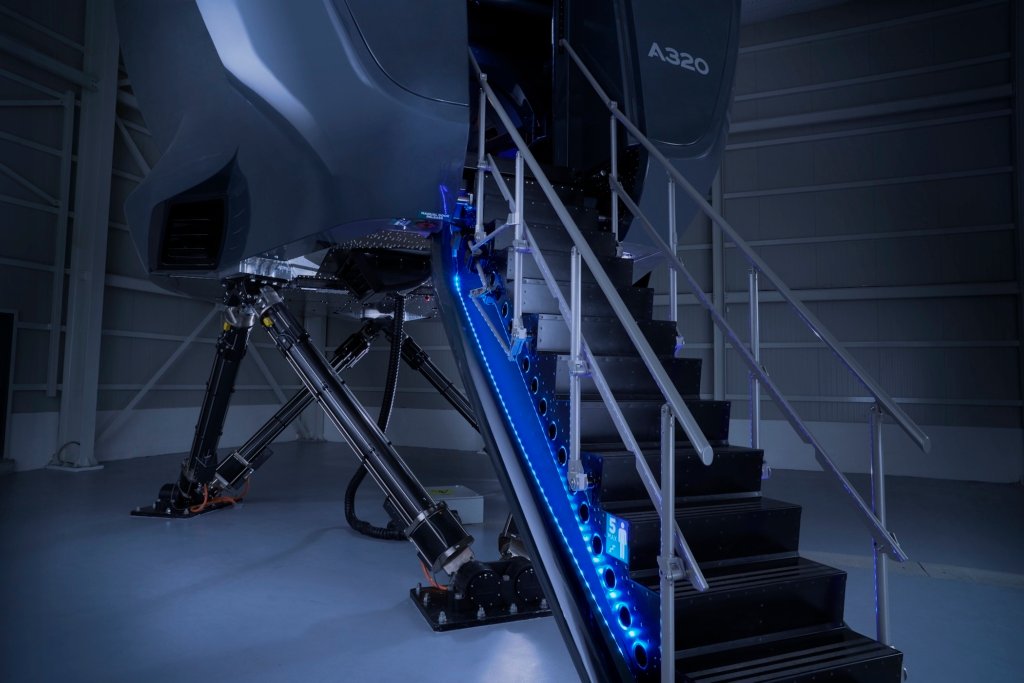
Since our simulator weighs approximately half that amount, the motion system operates at around 50 per cent of its maximum capacity.
This is one of the factors contributing to its lower energy consumption.
We have received positive feedback on the smoothness of the motion and the way the simulator handles.
It also reproduces aerodynamic responses such as the ballooning effect during flap changes.
Beyond Avion’s current narrowbody range, which aircraft platforms are generating customer interest?
Our current focus remains on the Airbus A320 and Boeing 737 families. However, we are also receiving requests for simulators covering the A330, A350, Boeing 777 and 787.
There is considerable demand for additional widebody simulator capacity worldwide, particularly for the 777 and 787.
Also Read: Layered Defence: How Airports Can Counter the Growing Drone Threat