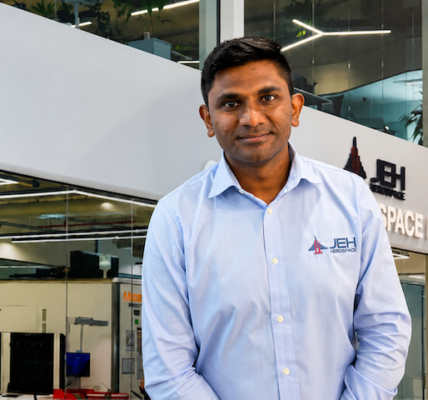










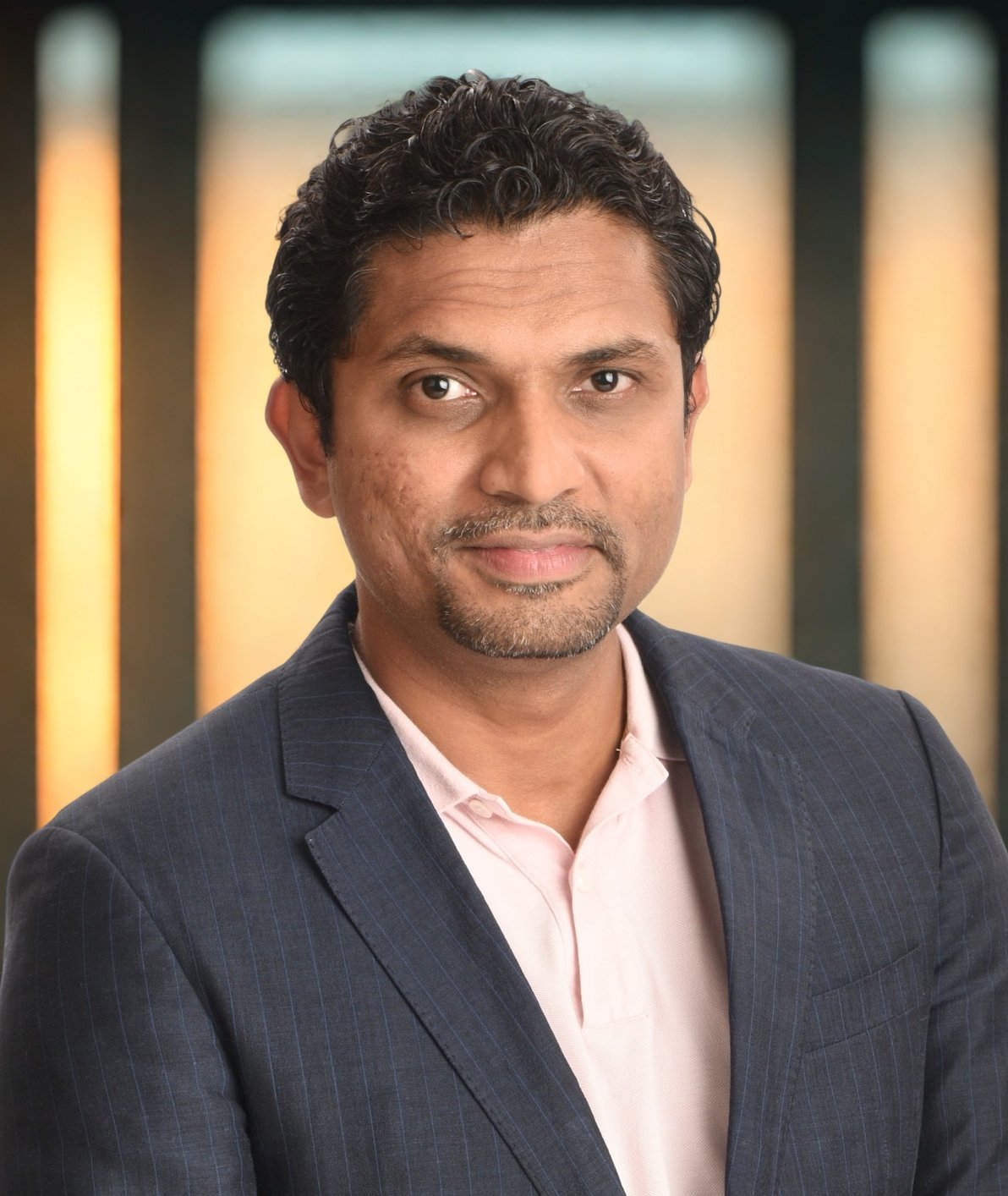
India’s aerospace and defence manufacturing base is expanding as localisation policies, rising domestic production and private-sector participation create more work for suppliers. India’s fleet of commercial aircraft with more than 100 seats is projected to triple to 2,250 aircraft by 2035, expanding demand across the aviation supply chain. But aerospace programmes require patience, as products can take years to design, qualify and enter production. Hical Technologies has followed that path. Yashas Jaiveer Shashikiran, Managing Director, Hical Technologies, says sustained investment in R&D and build-to-spec engineering is translating into programmes and growth. He believes Indian companies can earn the trust of global customers by investing early and planning decades ahead.
How did Hical Technologies enter aerospace, and how has the business developed over the years?
Hical is a 40-year-old company. For the first 20 years, we mainly supplied the telecom sector, and our aerospace journey began around 20 years ago.
My father, Shashikiran Mullur, founded the company. We had already been exporting for many years before entering the aerospace sector, and Hical has operated as a 100 per cent export unit since 1997. This meant we were already familiar with the quality and delivery requirements of international customers.
Aerospace was a good fit for us because we had always placed considerable emphasis on quality systems and on-time delivery. Our initial aerospace work was with Hamilton Sundstrand, which later became part of Collins Aerospace. We began by supplying electromagnetic products and gradually built a strong relationship with the customer.
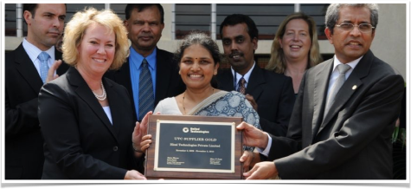
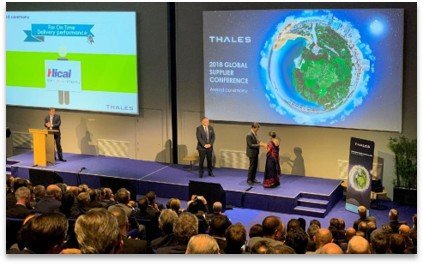
We met their requirements for on-time delivery and zero defects and received Gold Supplier recognition for 11 consecutive years before COVID-19. The pandemic disrupted supply chains, but the business has since recovered.
We continued investing in R&D and engineering because we were looking 10 or 20 years ahead. We wanted to undertake projects where we were responsible not only for manufacturing but also for the design.
Today, many of the motors and electromechanical products we manufacture are build-to-spec products designed by Hical.
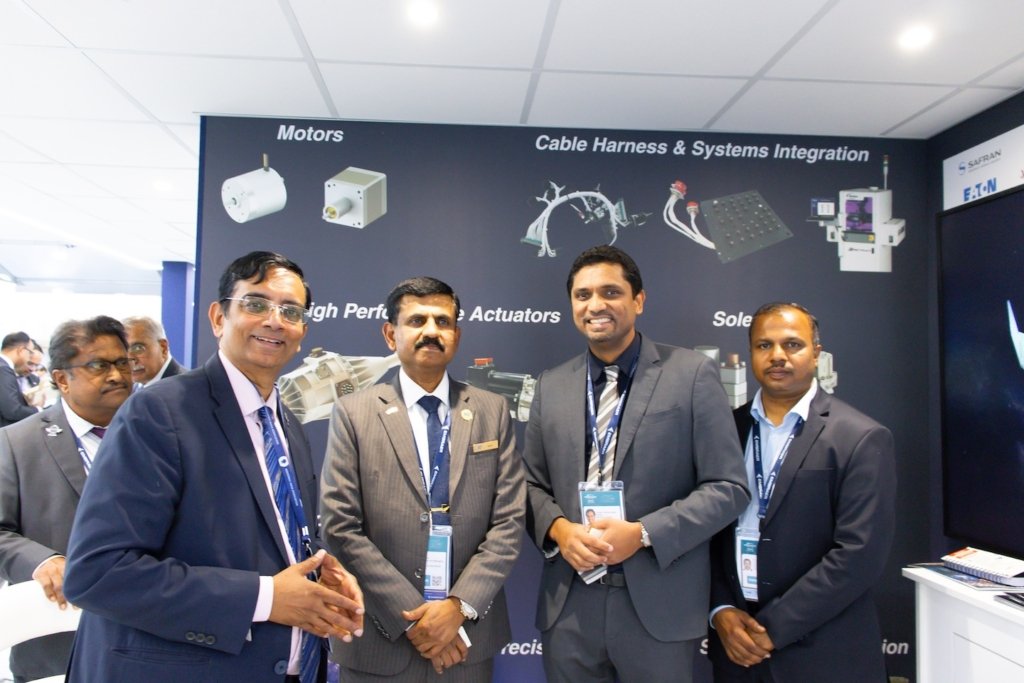
We make motors, solenoids and actuation systems, and we are now progressing towards more complete systems for customers such as Dassault Aviation.
Aerospace programmes take several years to develop and qualify. The work we carried out over the past decade is now moving into production, and our revenue is growing by around 40 to 50 per cent annually.
It also takes time for a customer to trust a supplier with a complete electromechanical product or actuation system. That trust has been built through consistent performance. Our team has also played an important role in this journey.
We are selective when hiring at Hical and look for people who are motivated to work on aerospace and Indian defence programmes.
Our employees take pride in what they do, whether they work in engineering or production. That helps us maintain the same quality culture across the company.
How is Hical’s business split today between commercial aviation and defence?
Around 80 per cent of our business currently comes from commercial aviation.
Commercial aviation gives us a predictable business base. Aircraft production numbers are growing, customer forecasts are clearer and the flow of orders is relatively steady.
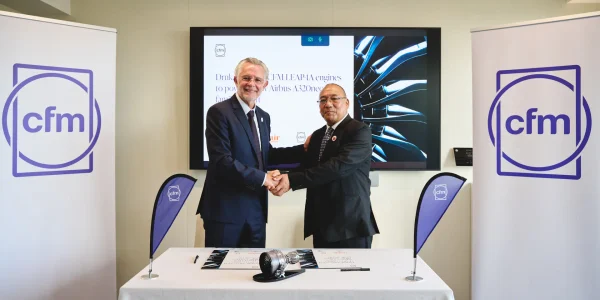
We have also increased our focus on defence. The long-term contract awarded by Dassault Aviation is a major programme for Hical. We will manufacture critical products for control-system applications on the Rafale fighter aircraft. The products must meet Dassault Aviation’s engineering, qualification and reliability requirements.
As this programme moves forward, we expect defence to account for a much larger part of Hical’s business.
Could you take us through Hical’s civil aviation portfolio and explain what sets the company apart?
We currently manufacture around 600 different part numbers. It is a very high-mix business, and each product comes with its own engineering, manufacturing and qualification requirements.
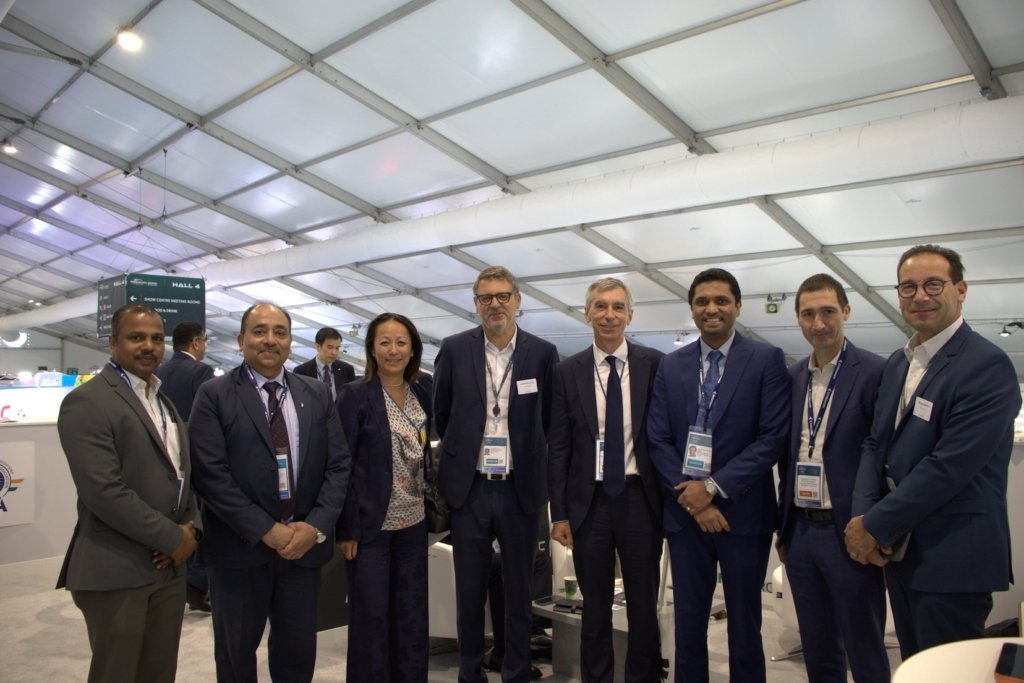
We supply companies such as Collins Aerospace, Honeywell, Eaton and Safran. We are also working with Dassault Aviation. Depending on the programme, we may supply directly to an aircraft manufacturer or through a Tier 1 or Tier 2 company.
Our original strength was in electromagnetics. We began with magnetic products, and then moved into motors, solenoids, linear-motion products, actuators and complete mechanisms.
What differentiates us is our engineering strength. We were also among the earlier Indian companies in this field to invest consistently in R&D.
Our technology function is headed by our Chief Technology Officer, who previously worked with ISRO. We continue to recruit design engineers with knowledge of electromagnetics and electromechanical systems.
This design capability is important when we talk about manufacturing in India. Some specialised raw materials may still have to be imported, but when the product is designed and developed here, a significant part of its value is created in India.
For around 10 years, we invested approximately 5 per cent of our sales in R&D. We were clear that we wanted to develop a wider range of electromechanical actuation products and move towards build-to-spec work.
As the company has grown, R&D spending is now around 2 to 3 per cent of sales. The percentage is lower because our revenue has increased, but it remains a significant investment.
Much of the work carried out during the previous decade is now producing results. We are moving from build-to-print manufacturing towards more build-to-spec programmes, and the next 10 years could be a very important period for Hical.
What kind of skills do you need across engineering and manufacturing, and how are you developing that workforce?
Hical has around 1000 employees. For many manufacturing roles, we generally require people with at least a diploma or a higher technical qualification.
Our products combine mechanical and electrical work. Employees may need to understand precision machining as well as electrical assembly. This remains skilled work and cannot be fully automated. People must be able to understand the product, follow the manufacturing process and meet the quality requirements.
Not every operation requires the same level of skill, so we first identify the areas that need more specialised knowledge. Many people at Hical have been with the company for a long time. They carry considerable knowledge about our products and processes, which they pass on to newer employees.
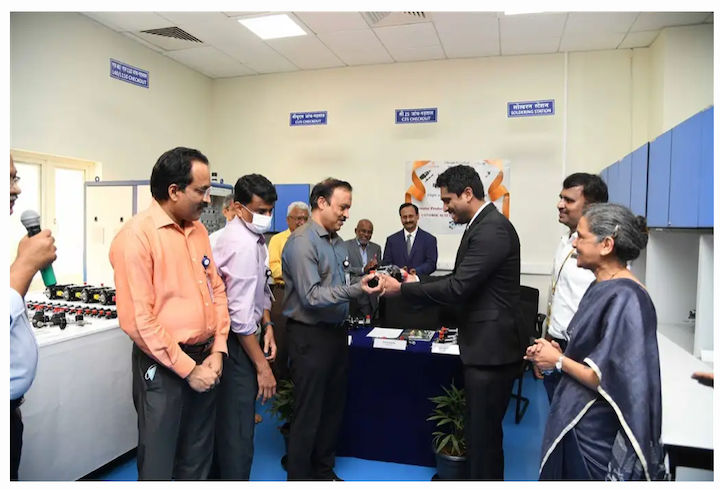
We have a dedicated training budget and a strong internal training programme. Employees are assigned to production only after they have completed the required training.
We are also working with universities and technical institutions so that training can being while students are completing their diploma or engineering courses.
However, our requirements are highly specialised. This kind of talent is not always readily available, even among people who already work in the industry. A considerable amount of training therefore still has to take place within Hical.
What role should the government play in helping India increase its share of global aerospace manufacturing?
The aerospace policies of Karnataka and Tamil Nadu have been favourable for companies such as Hical.
We do not expect the government to build our specialised engineering capability. That is something the company must bring on its own. Government support is useful in areas such as land and incentives linked to investment or year-on-year turnover. These incentives can help companies reinvest in R&D and manufacturing facilities. We have received this kind of support.
Defence procurement and localisation requirements are also creating opportunities for Indian companies. The Dassault Aviation programme is one example of a global company selecting a capable Indian supplier.
Aerospace has taken time to develop in India because most of the earlier work was carried out by public-sector organisations. Private companies are relatively new to the sector. Even 20 years is not a long time in aerospace, because earning the trust of customers takes many years.
I believe the government is supporting the sector well. Companies should be optimistic, understand the schemes that are available and use them properly.
There are several Indian aerospace companies that have built technical knowledge and long-standing customer relationships.
New entrants should also work with this existing base rather than trying to build everything independently.
Companies should approach organisations such as ISRO as well. We have worked with ISRO on electromechanical actuation and mechanisms for robotic-arm applications. ISRO has considerable design knowledge in this field and has supported private companies with technical guidance and training.
The opportunities are available. Companies need to make use of the present momentum and build from there.
Where are AI and automation making a practical difference at Hical?
AI is helping us improve efficiency, particularly in planning and scheduling.
We currently manage around 600 part numbers. As this number crosses 1,000, the number of raw materials, production processes, purchase orders and delivery schedules will also increase.
We undertake around 5,000 dispatches every year. We already use the SAP HANA ERP system, and AI and automation can present the relevant information through simpler dashboards. This helps us plan production, track orders and maintain on-time delivery.
We are also introducing automation on production lines where the volumes justify it. Aerospace is generally a low-volume industry, but some of our higher-volume motor programmes can reach around 10,000 units. Automation can be useful in such cases.
Another area is documentation. Aerospace manufacturing requires a large amount of documentation, and defence information can be particularly sensitive. AI can help reduce some of this work, but the information must remain within the company.
We are therefore managing the use of AI internally. We have strengthened our IT team and appointed a Chief IT Officer this year. Cybersecurity is important because sensitive customer and programme documents must remain within the organisation.
We expect the portfolio to cross 1,000 part numbers over the next three years. However, the increase in sales and the number of part numbers will not be directly proportional.
Some of the products being added are individual assemblies with a much higher value. Our sales could potentially triple without the number of part numbers increasing at the same rate.
Which Indian aerospace, defence and space programmes is Hical working on?
We supply HAL with Hical developed High Temperature Solenoid Valves for the Tejas Mk2 programme. It is used in the aircraft’s environmental control system.
We also undertake work for the Defence Research and Development Organisation, including products for missile-related applications.
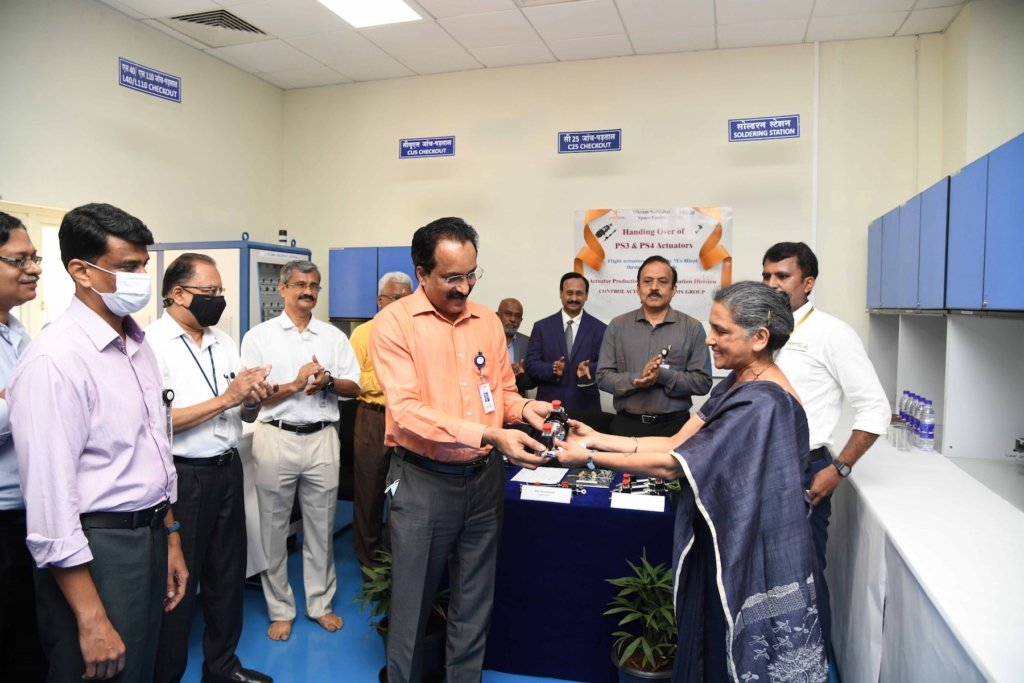
In the space sector, we work with ISRO and the Vikram Sarabhai Space Centre.
Hical manufactures electromechanical actuators and sensors used in thrust-vector-control applications for Indian launch vehicles, including the PSLV and GSLV programmes.
The company also designs and manufactures robotic arms for removing space debris, as well as motors used for scanning and positioning in satellites.
Hical operates a Government-Owned Company-Operated facility at VSSC. Our employees have received training and technical know-how from ISRO specialists to manufacture and test these products.
The annual volumes may not always be large, but the learning is considerable. The technical knowledge and experience that ISRO has shared with us have been very valuable.
What would you say to companies considering entering the aerospace sector?
This is an exciting time for aerospace. Companies should be willing to enter the sector and take calculated risks.
Several private companies have already shown that Indian industry can contribute to major aerospace and defence programmes. However, the most important requirement in aerospace is trust.
Aerospace is a business that must be viewed across generations. People often ask me about our five-year plan, but in aerospace, companies need to think 20 or even 40 years ahead.
An aircraft may remain in service for 40 years. A supplier therefore has to consider whether the company will remain stable throughout that period, how it will be governed, how leadership will continue, who will form the core team and how succession will be planned.
That is how companies entering aerospace need to think.