












Alfor Aviation today announced the launch of its Internal Loading System (ILS), a new aircraft conversion technology that the company says will cut the costs of air cargo aviation by almost 40 per cent and drive the most significant change in the industry since the emergence of the modern freighter industry after the Second World War.
Founded in Bournemouth in 2023 by Turkish industrial group Alarko and British aviation specialists Foravia, Alfor Aviation was established to address the rapidly changing demands of global logistics. The rise of e-commerce, increasingly sophisticated routing systems and growing customer expectations for faster delivery are reshaping how goods move around the world. Alfor believes the air cargo industry now requires a new generation of solutions designed for speed, flexibility and economic efficiency.
For more than seventy years, passenger-to-freighter aircraft conversions have followed a largely unchanged model: cutting a large cargo door into the side of an aircraft and reinforcing the surrounding structure to create a traditional freighter. While effective, this approach can be costly, time-consuming and dependent on lengthy engineering programmes.
Alfor’s answer is the Internal Loading System, or ILS.
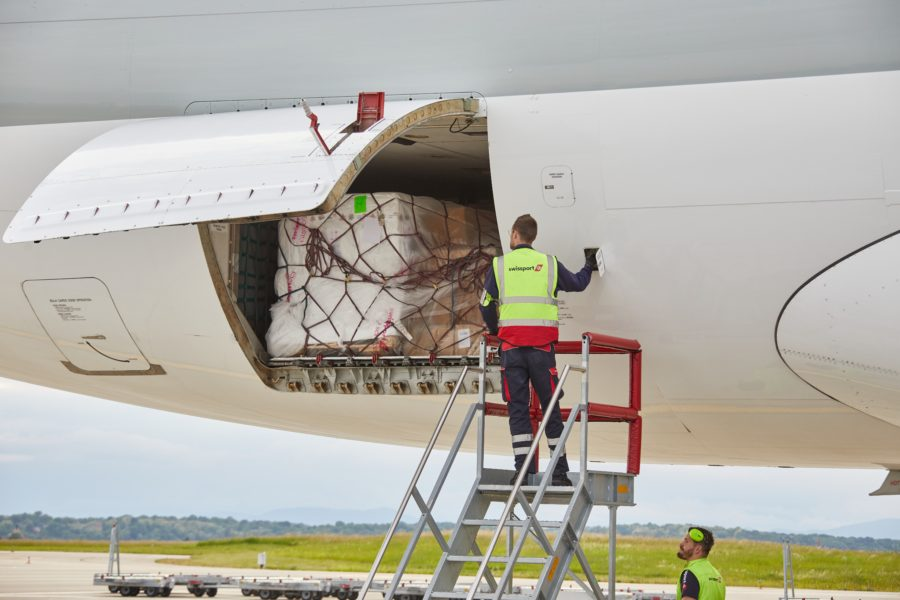
Rather than requiring a large main-deck cargo door, ILS uses a certified internal lifting and loading system that enables freight to be loaded through an aircraft’s existing lower cargo doors and transferred directly onto the main deck. By simplifying the conversion process, Alfor says airlines and operators can gain access to additional cargo capacity faster, at significantly lower cost and with greater operational flexibility.
Omer Mafa, Director of Alfor Aviation, said:” “For more than 70 years, the air cargo industry has been solving today’s problems with yesterday’s technology. We believe that’s about to change.
“Our Internal Loading System is the biggest rethink of aircraft cargo conversion since the modern freighter was invented after the Second World War. Instead of spending millions cutting huge cargo doors into aircraft, we’ve found a smarter way that could reduce freight costs by almost 40 per cent while getting aircraft into service much faster.
“This isn’t just about airlines saving money. It has the potential to make global supply chains faster, strengthen the UK’s position as a centre for aerospace innovation and ultimately reduce the cost of moving goods around the world. As e-commerce continues to reshape consumer expectations, the industry needs a solution built for speed, flexibility and economics – not one designed for the logistics of the 1950s.”
The company believes the technology fills an important gap within today’s air cargo ecosystem. Rather than competing directly with traditional freighter conversions or factory-built cargo aircraft, ILS is intended to complement existing fleets by bridging the space between passenger aircraft carrying belly cargo and dedicated freighters. It also supports the growing importance of integrated logistics networks by helping connect long-haul widebody operations with regional feeder services.
Alfor estimates that an ILS conversion can be completed at roughly half the cost of a conventional main-deck cargo door conversion, while significantly reducing conversion lead times. Once tooling and conversion kits are prepared, the company expects to begin accepting aircraft for conversion within nine months of a firm order. Aircraft can then enter conversion on a rolling monthly basis, with the first deliveries beginning approximately three months after induction.
Using a single conversion line, Alfor expects to be capable of delivering up to twelve converted aircraft annually, with additional lines providing further capacity growth. Overall, the costs of freight will be reduced by almost 40 per cent, Mafa says.
The company believes the benefits extend beyond airlines. Faster and more economical conversions could help increase available cargo capacity, extend the economic life of existing aircraft, support maintenance and engineering activity, and provide greater flexibility across the wider logistics and transport sector.
Alfor is currently pursuing European Union Aviation Safety Agency (EASA) certification for Airbus A330-200 and A330-300 conversion programmes, with plans to expand the application of the ILS concept across other widebody aircraft types in the future.
As the aviation industry adapts to a new era of integrated, time-critical logistics, Alfor believes ILS offers a practical pathway for operators seeking greater flexibility while supporting the continued growth of global trade.

Aviation Jeta is an aviation news platform covering airlines, airports, aircraft, and global aviation developments. We publish accurate, well-researched, and detailed aviation news and industry insights from around the world.