












Thunderstorms Trigger Widespread Flight Disruptions at Heathrow and Gatwick Airports

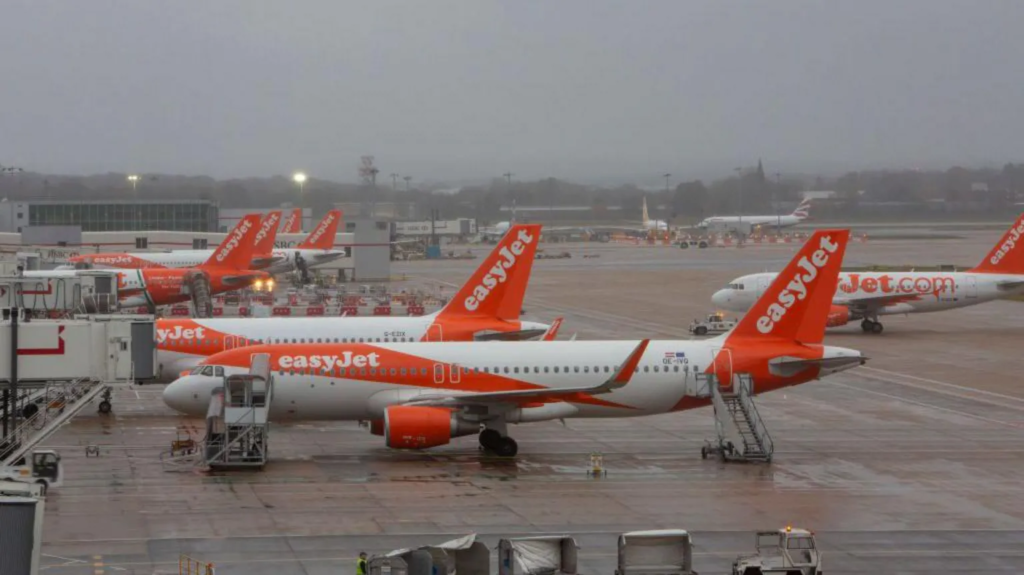
Severe thunderstorms sweeping across southern England have disrupted air travel at two of the UK’s busiest airports, leaving thousands of passengers facing long delays, cancellations, and uncertain travel plans. Heathrow and Gatwick airports experienced significant operational challenges on Saturday as stormy weather forced air traffic controllers to reduce aircraft movements for safety reasons.
The disruption follows an intense heatwave that pushed temperatures to record levels across parts of England. As the hot weather gave way to unstable atmospheric conditions, heavy rain, lightning, and thunderstorms developed overnight, creating hazardous flying conditions over south-east England and nearby European airspace.
Air traffic restrictions introduced during the storms slowed the movement of arriving and departing aircraft, causing a ripple effect across airline schedules. Hundreds of flights were delayed, while several services were cancelled altogether. Some long-haul flights were delayed by many hours, affecting passengers travelling both within Europe and on international routes.
Airlines including British Airways and EasyJet confirmed that the weather had forced them to adjust their flight schedules. Both carriers apologised to customers and said they were providing assistance through alternative bookings, refunds, hotel accommodation, and meal vouchers where required. Airport authorities have urged passengers to check directly with their airlines before leaving for the airport, as schedules continue to change throughout the day.
Many travellers expressed frustration after spending hours waiting at terminals or remaining onboard aircraft without clear information about their departure times. Social media was filled with complaints from passengers whose flights were repeatedly delayed before eventually being cancelled, disrupting holidays, business trips, and family travel plans.
According to European air traffic officials, the worst congestion has been concentrated over south-east England and parts of north-west Europe, where aircraft have been forced to avoid storm cells. While airports in other parts of the UK have largely continued normal operations, the weather system has placed exceptional pressure on London’s busy aviation network.
Weather forecasters expect unstable conditions to continue through the weekend, with additional thunderstorms possible across southern England. Although temperatures are expected to fall after Friday’s record-breaking heat, aviation experts warn that further weather-related delays cannot be ruled out until the storm system moves away.
Passengers planning to travel over the coming days are advised to monitor airline updates, allow extra time for their journeys, and remain prepared for possible changes as airlines work to restore normal flight schedules.

Ajeet Yadav is an aviation enthusiast covering airline news, airports, aircraft, and industry developments through well-researched and reliable reporting.