






TARMAC Aerosave secures Indian DGCA approval covering the full A320 family, all engine types

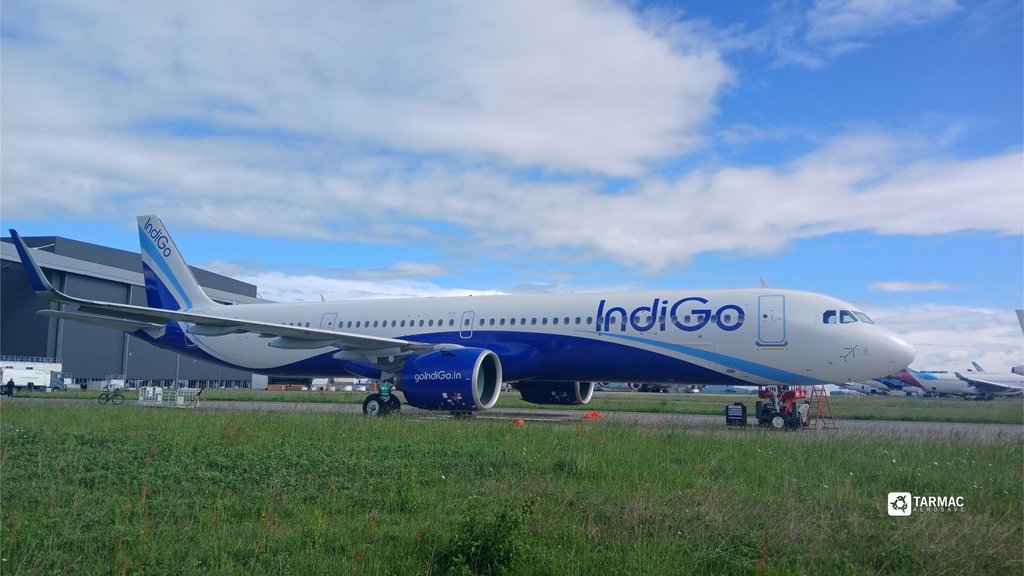
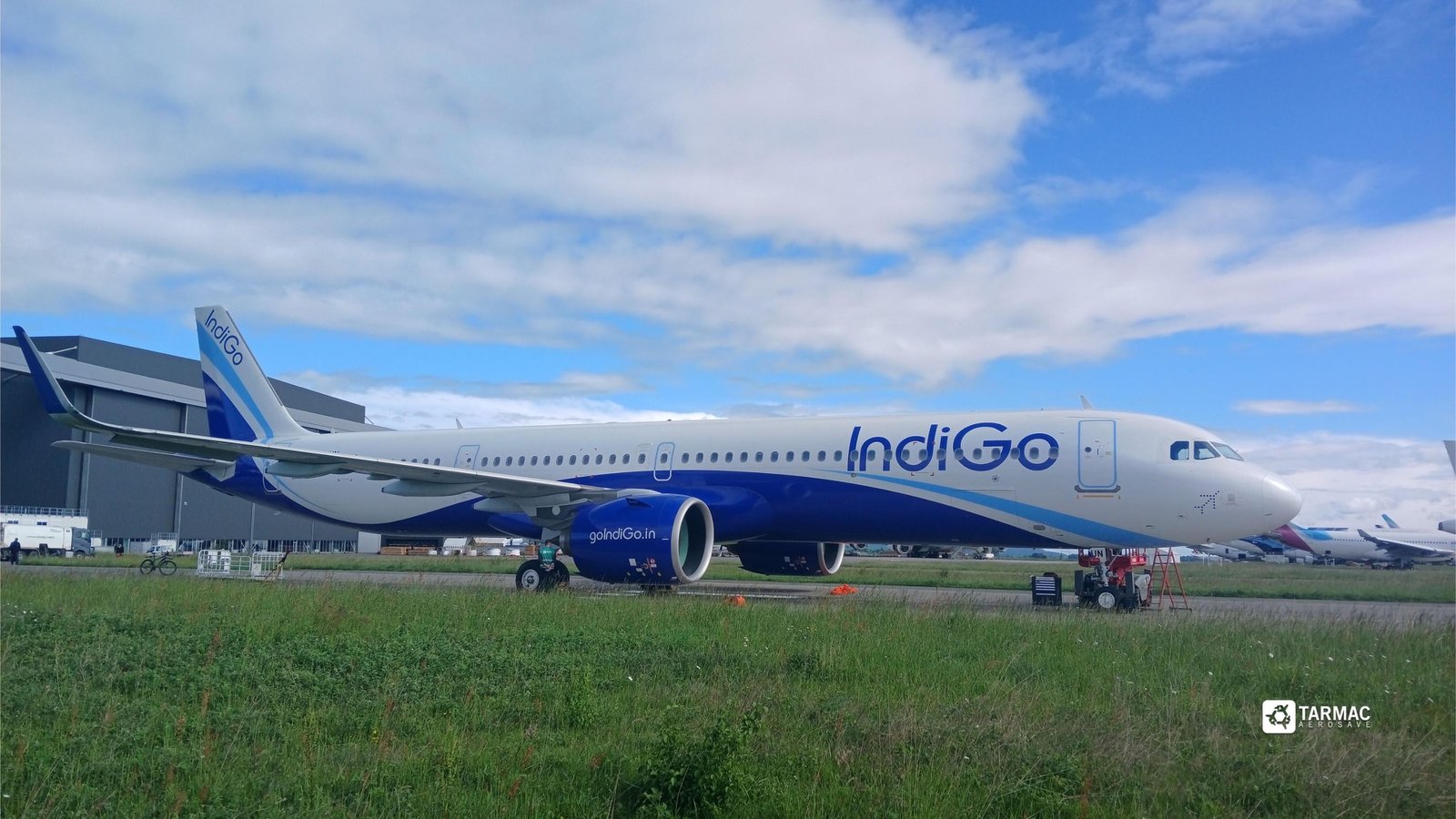
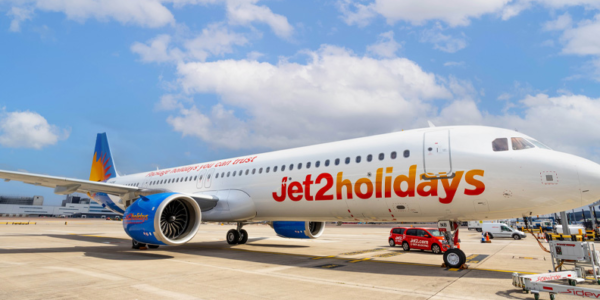
TARMAC Aerosave, Europe’s leading provider of aircraft storage, maintenance and recycling services, today announced at MRO Asia-Pacific 2026 that it has been granted approval IND.FAMO.0000000129 by India’s Directorate General of Civil Aviation (DGCA). The approval covers the entire Airbus A320 family across all engine types — CFM56, IAE V2500, CFM LEAP-1A and Pratt & Whitney PW1100G.
The group’s Tarbes site (France), its headquarters, is now able to carry out maintenance on Indian-registered aircraft and issue certificates of release to service recognised by the Indian authority. This spans the core of TARMAC Aerosave’s expertise: base maintenance, end-of-lease transitions, storage and preservation, return to service, and engine services.
A fast-growing market
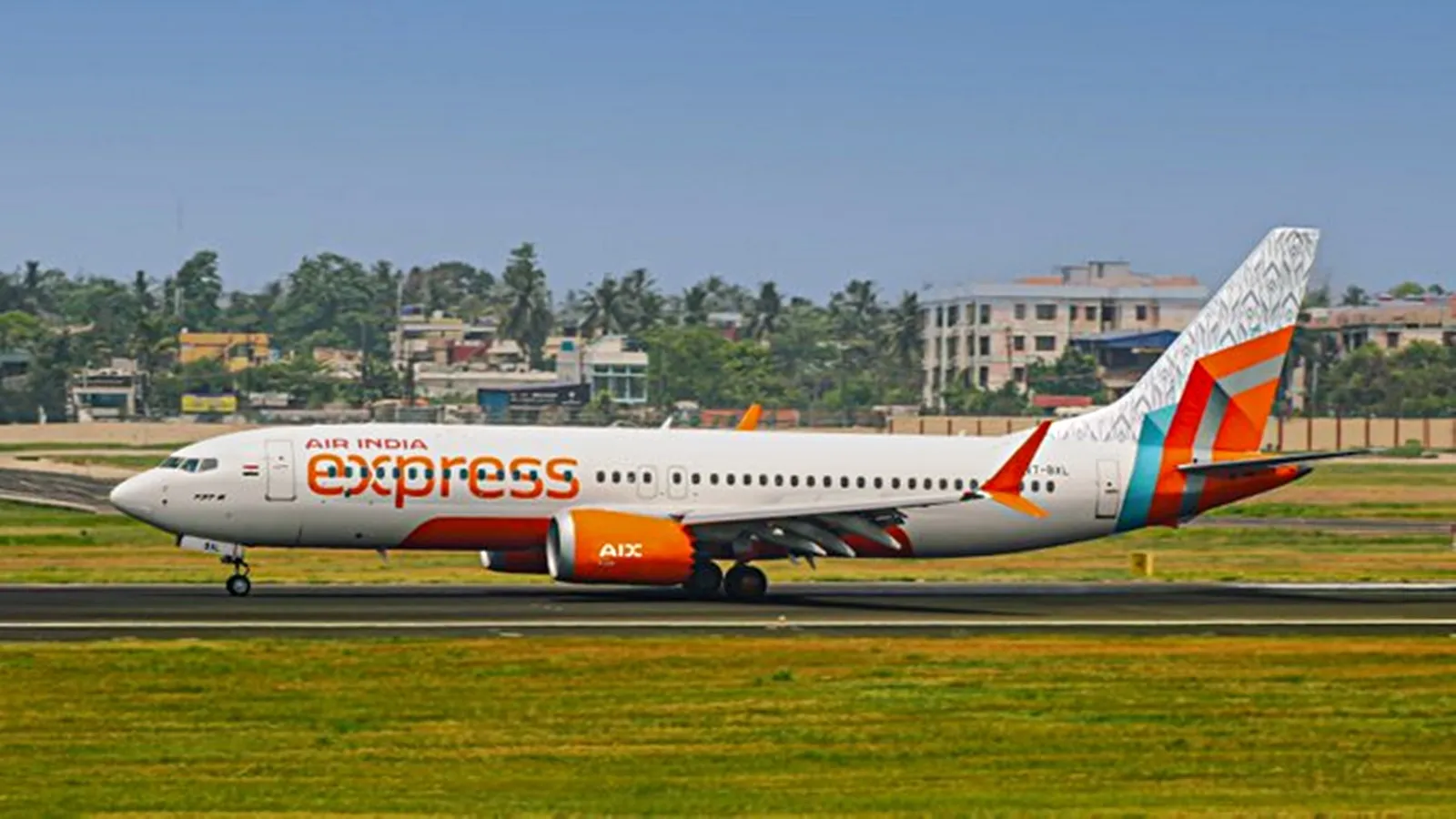
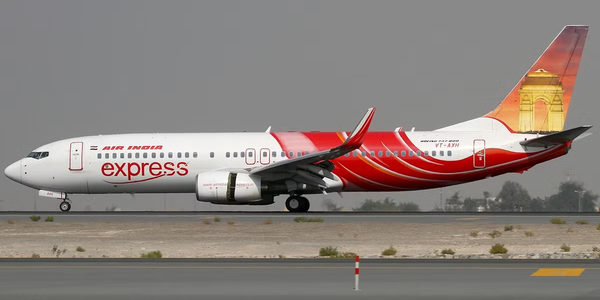
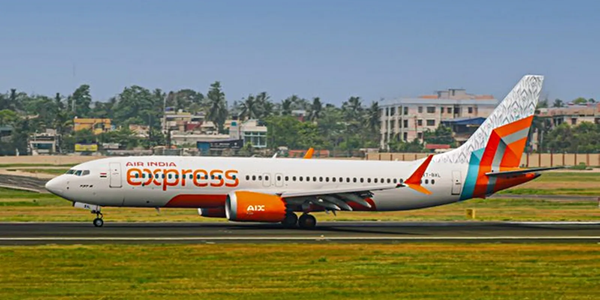
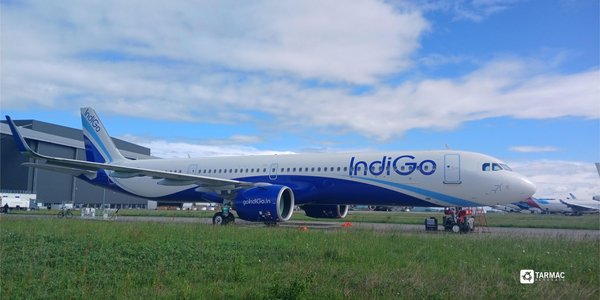
India is currently the world’s fastest-growing aviation market by fleet expansion. The country’s single-aisle fleet maps directly onto the scope of the new approval, combining both current-generation powerplants — LEAP-1A and PW1100G — alongside the CFM56-5B and V2500 engines of the previous generation.
The key point: because Indian DGCA maintenance approval was granted across all engine types, TARMAC Aerosave can accept any A320 in the Indian fleet with no engine-related restriction — a decisive advantage for lessors and operators running mixed fleets, and for aircraft transitions between Indian and international operators.
“The great majority of India’s commercial fleet is leased rather than owned. Every fleet decision that follows from that, an induction, a lease extension, a redelivery, is a transition event, and the number of those events scales with the size of the fleet. India’s A320 fleet is growing faster than any other, so the transition and end-of-lease workload attached to it will keep building well into the next decade.” said Max Oldorf, Chief Commercial Officer of ch-viation.
An approval built alongside Indian operators
This certification is the result of work carried out under real operating conditions. “This approval is far more than an additional line in our certification portfolio. It gives us access to the world’s most dynamic aviation market, on the aircraft type that sits at the heart of what we do. Because it covers every engine variant of the A320 family, we can respond without restriction to the needs of Indian operators and lessors.” said Alexandre Brun, CEO of TARMAC Aerosave.
A single partner across the full aircraft lifecycle
With the largest aircraft storage capacity in Europe across its three sites, TARMAC Aerosave supports lessors, airlines, manufacturers and brokers throughout the aircraft lifecycle: storage and preservation, base maintenance, end-of-lease transitions, return to service, and finally dismantling and recycling, recovering more than 92% of an aircraft’s weight.
Since its creation in 2007, the company has welcomed more than 2,100 aircraft and returned more than 1,600 of them to service.

Aviation Jeta is an aviation news platform covering airlines, airports, aircraft, and global aviation developments. We publish accurate, well-researched, and detailed aviation news and industry insights from around the world.