










FAA Proposes Fire-Safety Measures for Boeing 787-8s, Raising Questions for Air India

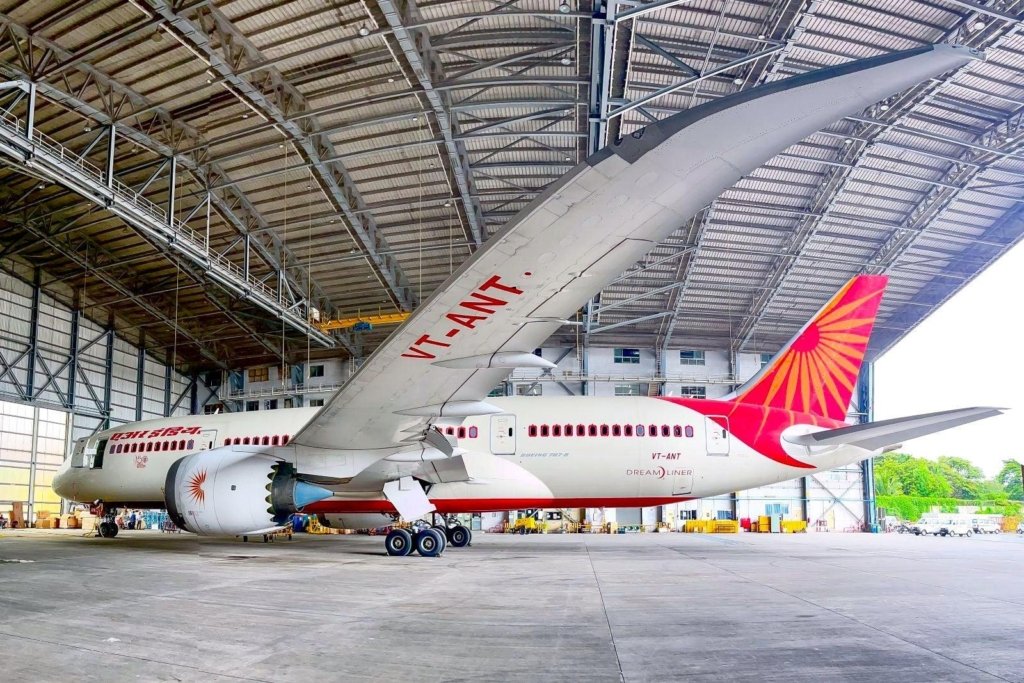
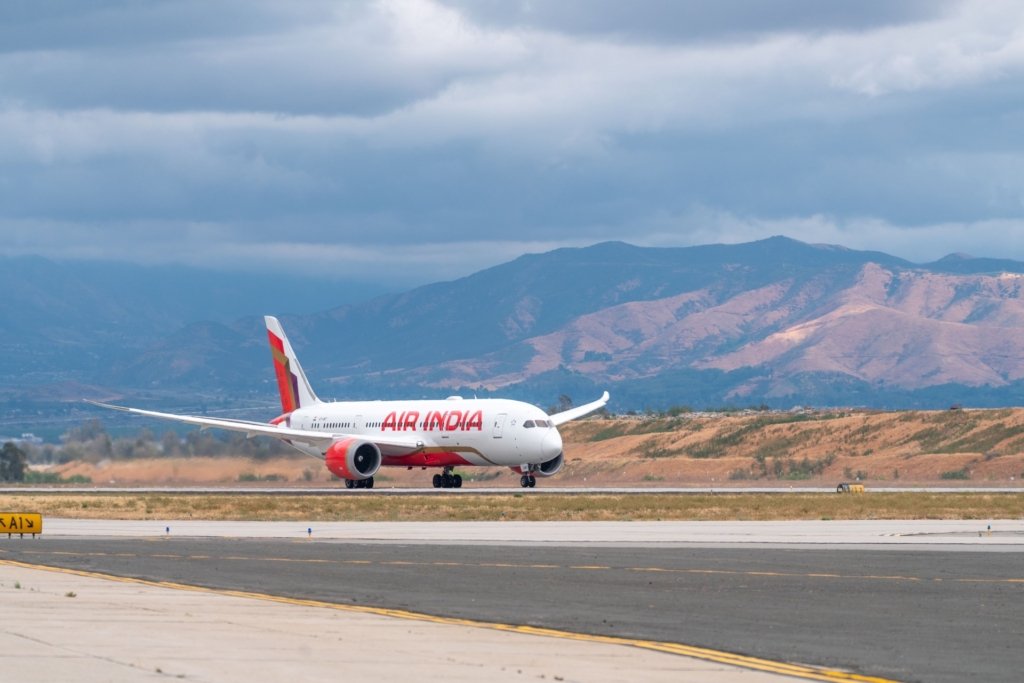
The US Federal Aviation Administration (FAA) has proposed fresh fire-prevention measures for Boeing 747-400 and 787-8 aircraft, raising questions about the applicability of the safety requirements to Air India’s fleet of 26 Boeing 787-8 Dreamliners.
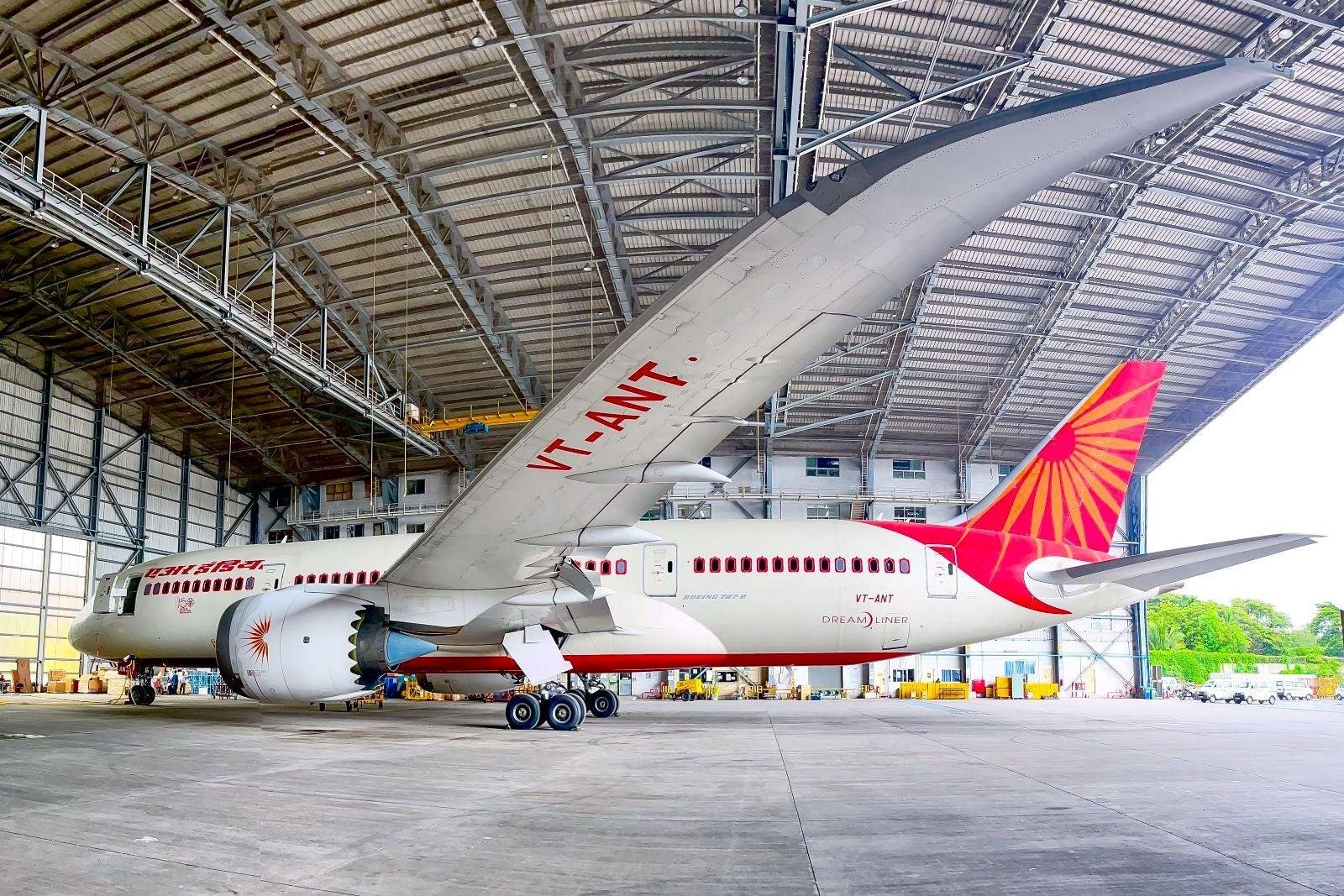
The proposal concerning the 787-8 is of particular relevance to India because it addresses a potential ignition hazard in the aircraft’s wing structure during a direct lightning strike, which could trigger a fire or explosion inside fuel tanks. Whether Air India’s aircraft have the same configuration of wing fasteners and protective seals identified by the FAA will determine the extent of any Indian exposure.
The FAA has issued two separate notices of proposed rulemaking (NPRMs), covering 119 US-registered aircraft, with public comments invited until December 28. The proposals seek to address different safety vulnerabilities involving hydraulic pumps on the 747-400 series and wing structures on the 787-8.
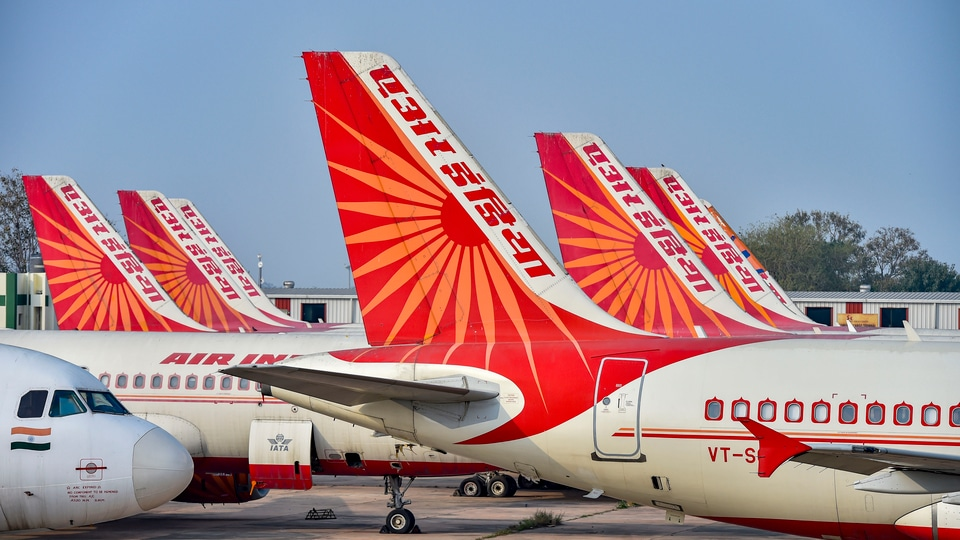
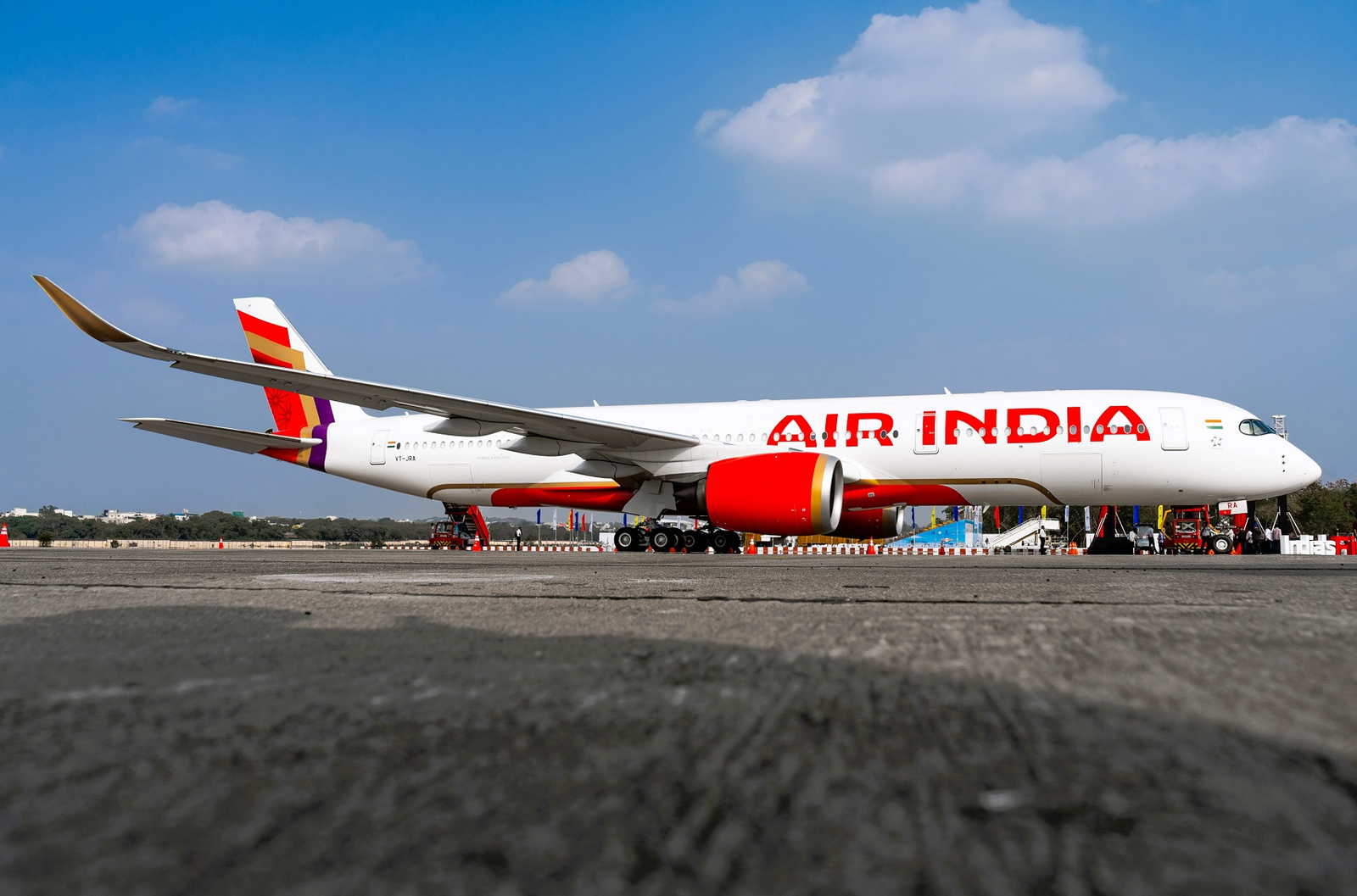
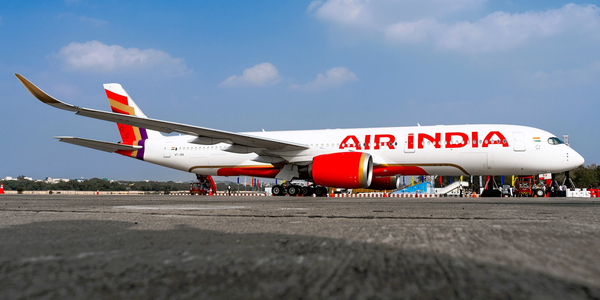
Air India operates 26 Boeing 787-8 aircraft, alongside its 787-9 fleet, according to its published fleet figures. The airline has also been progressively refurbishing its legacy 787-8 aircraft, although cabin upgrades do not in themselves establish whether the aircraft are affected by the structural issue identified by the FAA.
The US agency’s proposal does not establish that any of Air India’s Dreamliners have the potentially defective configuration. Nor does the reference to 14 US-registered aircraft mean that the same number or proportion of Indian aircraft would be affected. Applicability depends on the specific fasteners, electromagnetic effects (EME) sleeves and protective sealing arrangements installed on individual aircraft.
Under the proposed 787-8 directive, operators would have to inspect wing sections between ribs 25 and 31, examine relevant fuel tanks, surge tanks and dry bays, and identify penetrating fasteners installed without protective cap seals.
Where deficiencies are found, affected EME sleeves would have to be replaced, protective seals installed, and necessary structural repairs completed before the aircraft returns to service.
The potential Indian implications extend beyond the airline’s maintenance costs.
The Directorate General of Civil Aviation (DGCA), as India’s aviation safety regulator, would need to establish whether the Boeing alert requirements bulletin applies to Indian-registered aircraft and ensure that any required corrective action is incorporated into their maintenance programmes.
India’s regulatory framework provides for airworthiness directives issued by the state of design to be adopted for Indian aircraft unless DGCA specifies otherwise. Consequently, if the FAA ultimately adopts the proposed requirements as a final directive, the implications for Indian operators could be more direct than those arising from a proposal that is still under consideration.
For Air India, the immediate priority would be to establish whether its 787-8 aircraft contain the affected components and whether inspections or modifications would be necessary. Any resulting work could involve additional maintenance expenditure and aircraft downtime, depending on the number of aircraft requiring corrective action.
The FAA estimates that baseline inspections and associated sealing work on the 14 US aircraft would cost up to $336,770, with maintenance programme revisions adding approximately $7,650 per operator. Additional corrective work could cost up to $239,555 per aircraft for fastener cap-seal installations and $21,030 for EME sleeve replacements. These estimates cannot be directly extrapolated to Air India’s fleet, as the actual cost would depend on the findings of aircraft-specific inspections and any applicable warranty coverage.
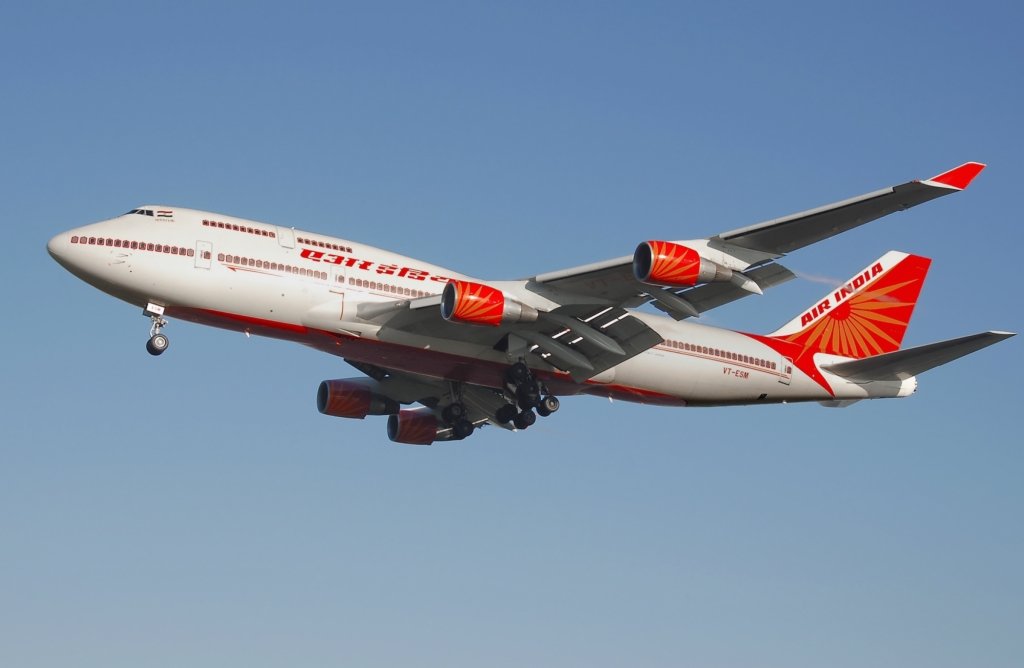
The second FAA proposal concerns 105 US-registered Boeing 747-400 and 747-400F aircraft.
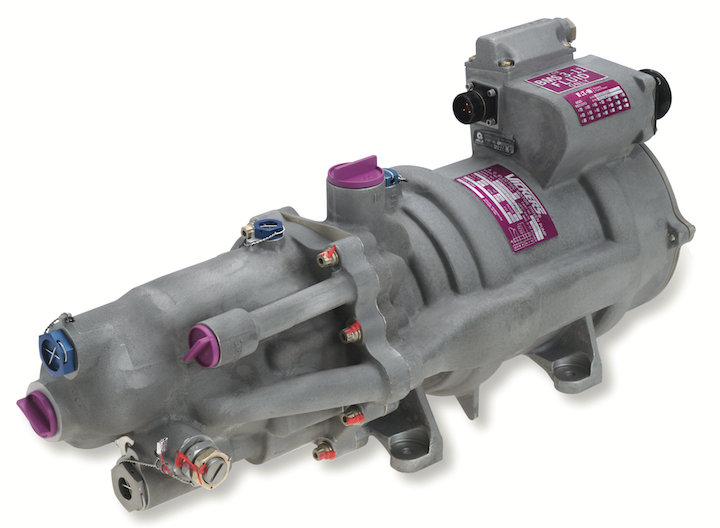
It seeks to prevent overheating of alternating current motor pumps (ACMPs), which could cause hydraulic fluid leakage and fire in the main landing gear wheel well.
The safety concern originated from an investigation into a wheel well fire on a Boeing 777.
Investigators found that missing locking hardware inside the pump’s electrical load control unit allowed continuous electrical power to reach the pump, resulting in overheating and ignition of leaking hydraulic fluid.
The FAA issued a separate final directive addressing the problem on the 777 fleet in September.
For the 747-400 series, the proposed measures would require operators to identify pumps carrying part number 731966 and replace affected units with redesigned pumps incorporating fusible links to prevent overheating during an electrical phase failure. The installation of the identified older pump units would also be prohibited once the directive takes effect.
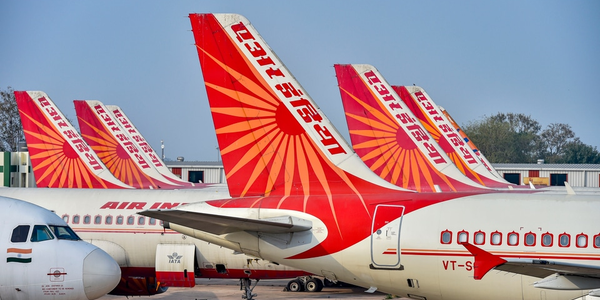
The immediate relevance of this proposal to India’s scheduled passenger operations appears more limited, given Air India’s withdrawal of the 747-400 from regular passenger service. However, the applicability of the pump-related safety measure would depend on whether any Indian-registered aircraft operating the type retain the affected components.
The FAA estimates initial inspections for the 747-400 fleet would cost up to $35,700, with affected pump replacements costing up to $77,269 per aircraft.
Both proposals are based on Boeing alert requirements bulletins issued in 2026. They remain proposed measures and will become binding US requirements only if adopted as final directives.
For India, however, the 787-8 proposal puts the spotlight on the need for coordination between Boeing, Air India and DGCA.
The central question is whether the wing configuration identified by the FAA is present in Indian-operated Dreamliners and, if so, how quickly the required inspections and preventive measures can be implemented.
Also Read: What Tewolde Gebremariam’s Plans Mean for Air India’s Turnaround

R Suryamurthy has been an economic analyst and journalist for more than three decades and has worked for The Telegraph, Tribune and Press Trust of India.