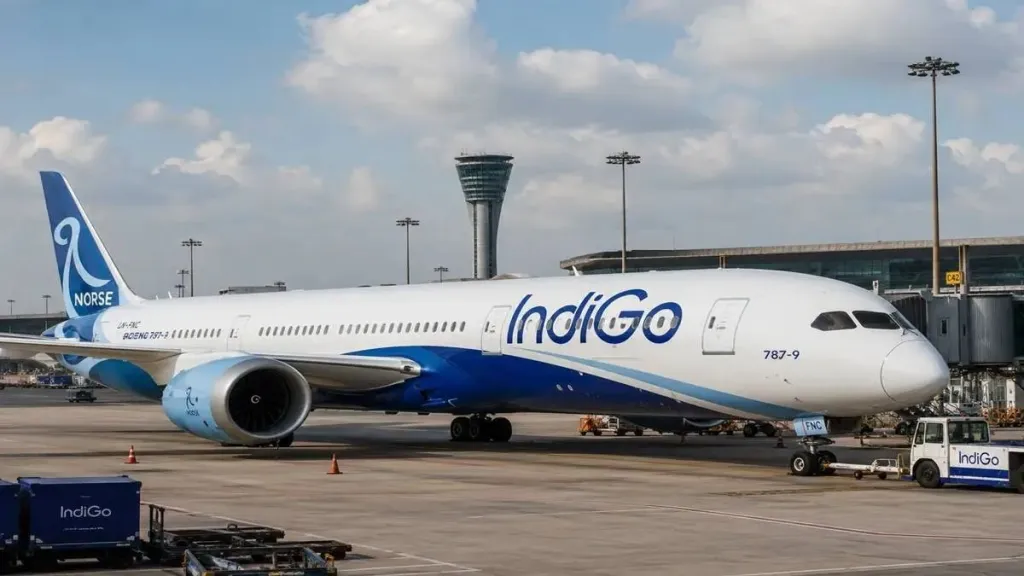









Boeing 787 Dreamliner Family
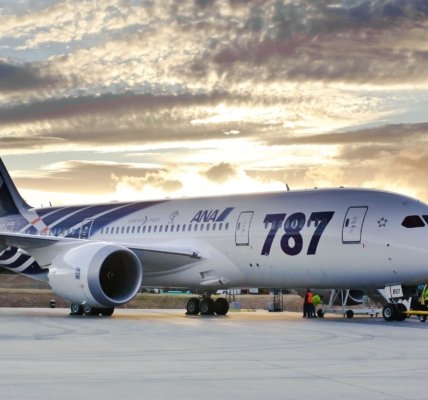
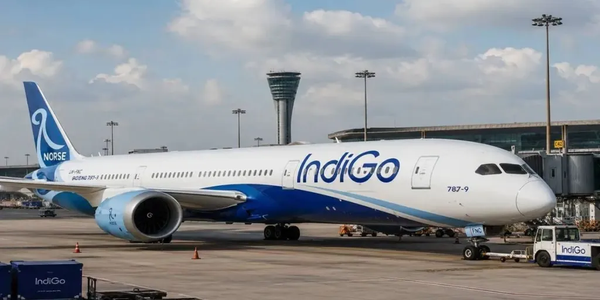
The Boeing 787 Dreamliner series comprises three models: the 787-8, 787-9, and 787-10, each tailored to meet different operational needs while maintaining unmatched fuel efficiency and passenger appeal. This family of wide-body jets boasts advanced aerodynamics, lightweight composite materials, and fuel-efficient engines, making it a favourite among leading international airlines. From reducing fuel consumption and carbon emissions to offering passengers a smooth and comfortable ride on ultra-long-haul flights, the 787 family has carved a distinct niche in the aviation world.
Cabin Experience
The Boeing 787 Dreamliner’s cabin interior is designed to prioritise passenger comfort. The combination of larger windows, spacious overhead bins, and advanced lighting creates an open and welcoming environment. The windows, adjustable with electronic dimming, allow more natural light into the cabin and provide passengers with a connection to the outside world even at 40,000 feet. The Dreamliner’s advanced pressurisation system maintains cabin pressure at a lower altitude (equivalent to 6,000 feet), compared to other aircraft, reducing passenger fatigue on long-haul journeys. Coupled with a higher humidity level and advanced filtration system, passengers experience greater comfort, less dryness, and fewer symptoms of jet lag.
The LED lighting system allows for dynamic mood lighting that can mimic sunrise and sunset, helping passengers adjust to different time zones and enhancing their overall travel experience.
In economy class, passengers benefit from wider seats and more legroom compared to older aircraft models, while premium cabin configurations often include lie-flat seats with direct aisle access, enhancing the experience for business and first-class travellers. The advanced noise reduction technologies in the cabin make the Dreamliner one of the quietest long-haul aircraft in the sky, allowing for a more restful journey.
The aircraft offers enhanced in-flight entertainment systems, with airlines opting for the latest seatback screens, Wi-Fi connectivity, and power outlets to ensure passengers remain connected and entertained during their flights. Airlines can customise the cabin layout to meet their needs, offering a mix of economy, premium economy, business, and first-class options.
Technology (Engine and Avionics)
All three models of the Dreamliner family are powered by either the Rolls-Royce Trent 1000 or General Electric GEnx engines. These engines are designed to deliver high fuel efficiency, lower maintenance costs, and reduced noise, making them some of the most environmentally friendly engines in the industry.
The Dreamliner’s aerodynamic design, including its raked wingtips, reduces drag and improves fuel performance. The Dreamliner consumes up to 20 per cent less fuel than the aircraft it is designed to replace, making it a greener choice for airlines aiming to reduce their environmental footprint.
The Boeing 787 Dreamliner family is equipped with state-of-the-art technology, making it one of the most advanced aircraft in the world. Carbon-fibre-reinforced plastic composites make up about 50 per cent of the Dreamliner’s primary structure, including the fuselage and wings. This lightweight material not only reduces the overall weight of the aircraft but also contributes to its impressive fuel efficiency.
The aircraft is leading the way with reduced fuel burn and lower CO2 emissions. It is equipped with innovative systems that enable airlines to cut operational costs and meet their environmental goals. The Dreamliner family’s contribution to greener aviation aligns with the global push toward reducing aviation’s carbon footprint and its impact on climate change.
Performance
The series is celebrated for its exceptional performance and range capabilities. The 787-8, 787-9, and 787-10 each offer varying capacities and ranges to suit different route networks. The 787-8 is designed for long-range routes with a seating capacity of 242 passengers in a typical two-class configuration and a range of 7,530 nautical miles (13,950 kilometres). This makes it ideal for connecting smaller, long-haul routes that were previously not economical for larger wide-body jets.
The 787-9 offers increased capacity with seating for 290 passengers and an extended range of 7,530 nautical miles (13,950 kilometres), enabling airlines to service longer routes with more passengers. Its versatility allows it to connect distant cities while offering substantial savings on fuel.
The largest model, the 787-10, is optimised for medium- to long-haul flights. With seating for 330 passengers, it provides airlines with more capacity on high-demand routes while maintaining excellent fuel efficiency. Although its range is shorter at 6,430 nautical miles (11,910 kilometres), it is perfect for connecting popular destinations across continents, making it a favourite for airlines operating on high-density routes.
Specifications
| Feature | 787-8 Dreamliner | 787-9 Dreamliner | 787-10 Dreamliner |
|---|---|---|---|
| Seating Capacity (2-class) | 242 | 290 | 330 |
| Range (nm / km) | 7,530 nm (13,950 km) | 7,530 nm (13,950 km) | 6,430 nm (11,910 km) |
| Overall Length | 56.7 m (186 ft) | 63.0 m (206 ft 1 in) | 68.3 m (224 ft 1 in) |
| Wingspan | 60.1 m (197 ft 3 in) | 60.1 m (197 ft 3 in) | 60.1 m (197 ft 3 in) |
| Height | 16.9 m (55 ft 6 in) | 16.9 m (55 ft 6 in) | 16.9 m (55 ft 6 in) |
| Maximum Takeoff Weight (MTOW) | 227,930 kg (502,500 lbs) | 254,000 kg (560,000 lbs) | 254,000 kg (560,000 lbs) |
| Fuel Capacity | 126,917 litres | 138,700 litres | 138,700 litres |
| Engine Options | Rolls-Royce Trent 1000 or GE GEnx | Rolls-Royce Trent 1000 or GE GEnx | Rolls-Royce Trent 1000 or GE GEnx |
| Cruising Speed | Mach 0.85 | Mach 0.85 | Mach 0.85 |
Takeaways
The Boeing 787 Dreamliner family represents a giant leap forward in aviation. Whether for smaller long-haul routes with the 787-8 or high-demand routes with the 787-10, the Dreamliner series offers unmatched versatility for airlines.
The aircraft’s composite materials not only reduce weight but also resist corrosion, leading to lower maintenance costs and a longer service life. Boeing’s commitment to sustainability is evident in the Dreamliner’s design, which integrates energy-efficient systems, cutting-edge aerodynamics, and a reduced environmental footprint.
As the aviation industry evolves, the Boeing 787 Dreamliner family continues to be a game-changer, setting new standards in fuel efficiency, passenger comfort, and overall performance.
Also Read