













Connecting Asia-Pacific’s Next Frontier: Mapping Regional Routes


Asia-Pacific is expected to lead global turboprop demand over the next 20 years, with ATR forecasting 210 aircraft for India and 835 for the rest of the region. Much of this demand is expected to come from new regional routes. Balinda Zhang has returned to ATR as Head of Asia-Pacific after leading Airbus commercial services in the region. In her first interview with Aviation Jeta, she explains how ATR plans to support regional connectivity, use travel data to assess new routes, strengthen customer support, and position its passenger and freighter aircraft more effectively for the varied needs of Asia-Pacific markets.
You have recently taken on responsibility for ATR’s Asia-Pacific region. How do you plan to approach such a diverse market, and what will your initial areas of focus be?
Asia-Pacific has a strong long-term need for regional connectivity. ATR’s latest forecast sees demand for 1,045 new turboprops across the region over the next 20 years, with much of it expected to come from new routes. The opportunity is clear, but our role is to help airlines turn that demand into operations that can be sustained.
My focus will be on two areas that have to move together. The first is helping existing and prospective operators identify markets where they can expand their networks. The second is ensuring that they have the training, technical assistance, spares and maintenance support required to keep their aircraft available. A route cannot perform well if the airline cannot operate it reliably.
The industry is still managing supply-chain constraints and geopolitical uncertainty, but these are global issues rather than challenges specific to Asia-Pacific. We are seeing an improvement in parts availability and repair capacity. That gives me confidence that we can support customers more effectively as regional demand continues to grow.
Asia-Pacific has very different regional connectivity needs. How will ATR approach the island markets of Southeast Asia and the large, geographically spread markets such as India and Australia?
The opportunity differs from one market to another. In an archipelago market, like Indonesia or the Philippines, regional air services are essential for connecting islands and remote communities with larger cities. India and Australia have different requirements because of their size, long distances and large number of smaller population centres.
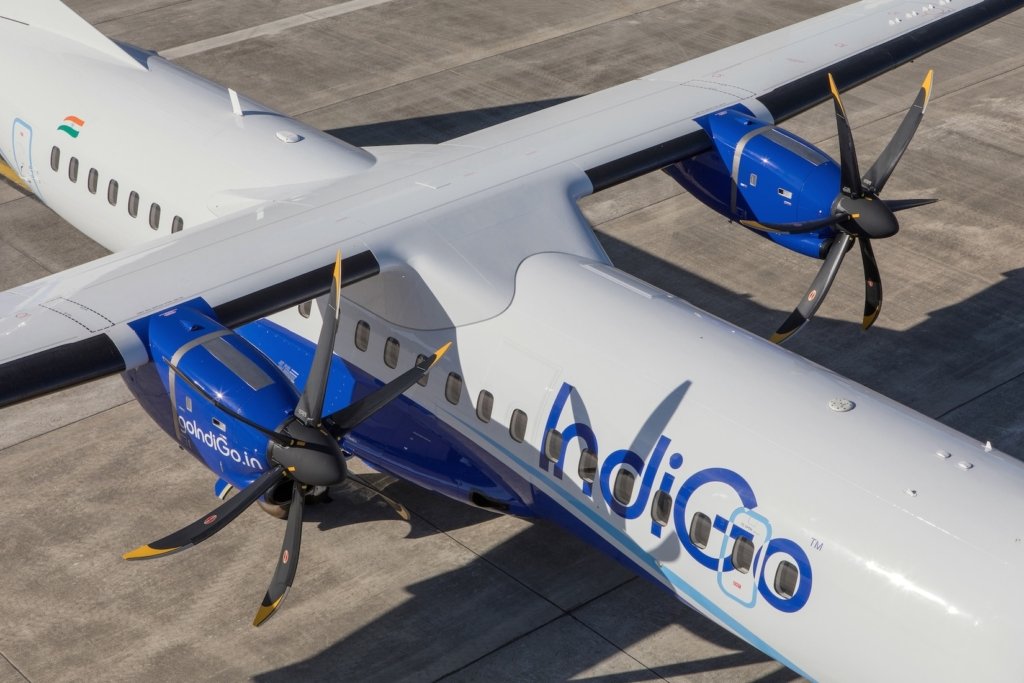
Across these markets, the demand for travel often already exists, but much of it is served by road, rail or ferry, or requires passengers to travel through a major hub.
Regional aviation can provide a faster, more direct alternative while making better use of existing secondary airports.
There will therefore be no single approach for Asia-Pacific. In some countries, the priority will be opening routes.
In others, it may involve adding frequency, replacing older aircraft, or matching capacity more closely to demand. We need to understand each market and work with operators to develop a solution that fits their networks.
How does ATR’s MobilityMonitor help airlines identify viable new regional routes?
ATR’s MobilityMonitor looks beyond existing air traffic by drawing on anonymous data from 130 million travellers and examining how people move by road, rail and air. This helps identify travel demand between cities that may not appear in conventional airline data, particularly where no direct air service exists.
The platform helps us understand where people are travelling, how long the journey takes and whether air service could offer a meaningful saving in time.
ATR’s India study, for example, examined 4.6 billion annual inter-city journeys and found that only about 3 per cent are currently made by air. It identified up to 420 potential turboprop routes below 400 nautical miles that could serve 35 million additional passengers.
The findings help identify potential routes, but each opportunity must still be assessed with the airline. We look at expected demand, possible frequencies and whether an ATR can support a viable operation on the route.
For new operators, this may also involve working with lessors, banks and investors, depending on the size and structure of the business. The objective is to help the airline build a sustainable business case and lower the risk of opening a new market.
How will ATR support operators as the regional fleet grows?
Customer support has been a priority for ATR, and we value the proximity to our customers. Singapore is ATR’s main support base in Asia-Pacific, with a training centre, an ATR-600 full-flight simulator, a spares warehouse, technical assistance, and aircraft-on-ground support. It is also part of ATR’s 24-hour global support network alongside Toulouse and Miami.
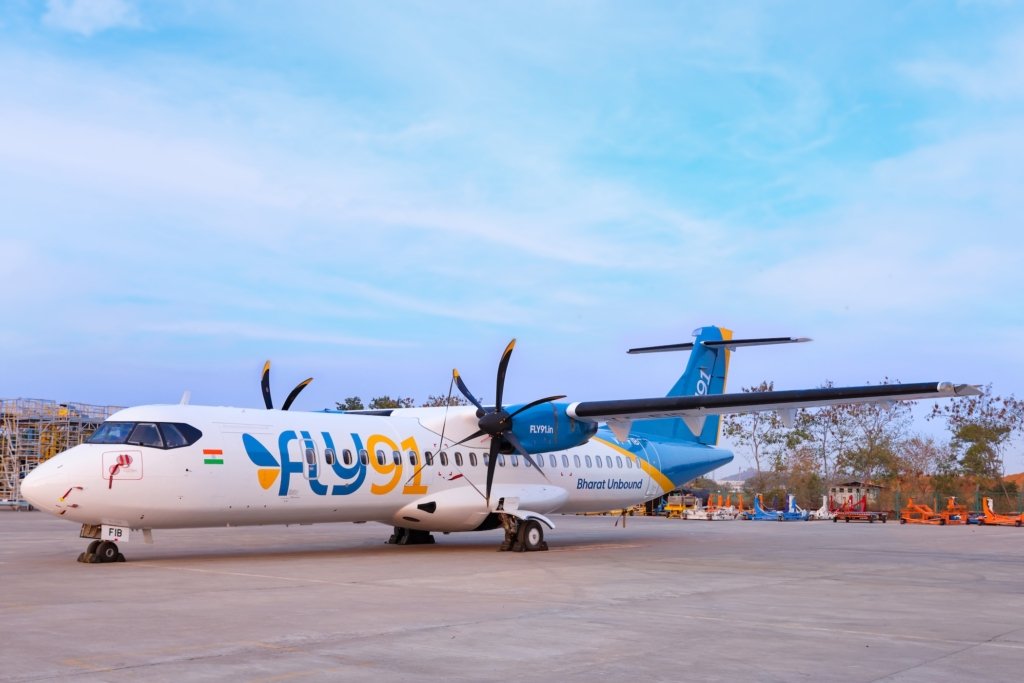
India has a dedicated team for customers in the country, supported by the wider organisation in Singapore and Toulouse. Additionally, we have a comprehensive service solution for operators, the Global Maintenance Agreement, which covers component repair and exchange, propeller availability and maintenance services, giving the operator greater cost visibility as its fleet expands. The eight-year Global Maintenance Agreement signed with FLY91 is one example of how this support can develop with an airline.
We will continue to assess where additional training, spares or technical capability may be required as the fleet develops. For a regional airline, each aircraft represents a significant part of its network. Improving aircraft availability, therefore, has a direct effect on schedule reliability, passenger confidence, and the airline’s financial performance.
How do the ATR 42, ATR 72, and ATR freighter complement each other across different missions?
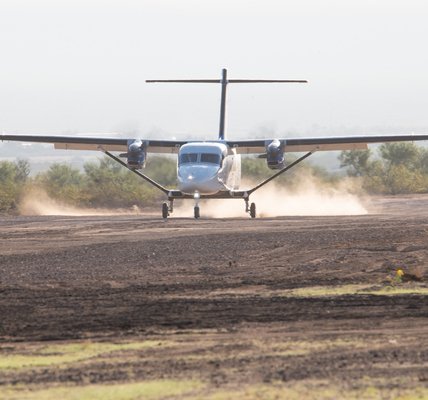
The ATR 42-600 and ATR 72-600 share a high level of commonality, but they address different levels of demand. The ATR 42-600 has the lowest trip cost in its category and is well suited to opening a route or serving a smaller market. The ATR 72-600 offers greater capacity and the lowest seat-mile cost in regional aviation on routes with stronger demand.
This allows airlines to match aircraft more closely to the market rather than adding seats beyond what a route can support. On short sectors, the ATR-600 family also burns around 45 per cent less fuel and produces about 45 per cent less carbon dioxide than similarly sized regional jets, which is important in markets where fares and fuel costs have a major influence on route viability.
Regional freight is another area with potential. E-commerce has shortened delivery expectations, while many smaller cities still depend on cargo moving through larger hubs. The ATR 72-600F is the only new purpose-built regional freighter in production. It can carry a structural payload of 9.2 tonnes, offers 75 cubic metres of volume and can use standard cargo containers and pallets, allowing it to connect efficiently with larger freighters. It is too early for me to quantify individual markets, but it is an area we intend to examine more closely in Asia-Pacific.
How will your earlier experience shape your approach to Asia-Pacific?
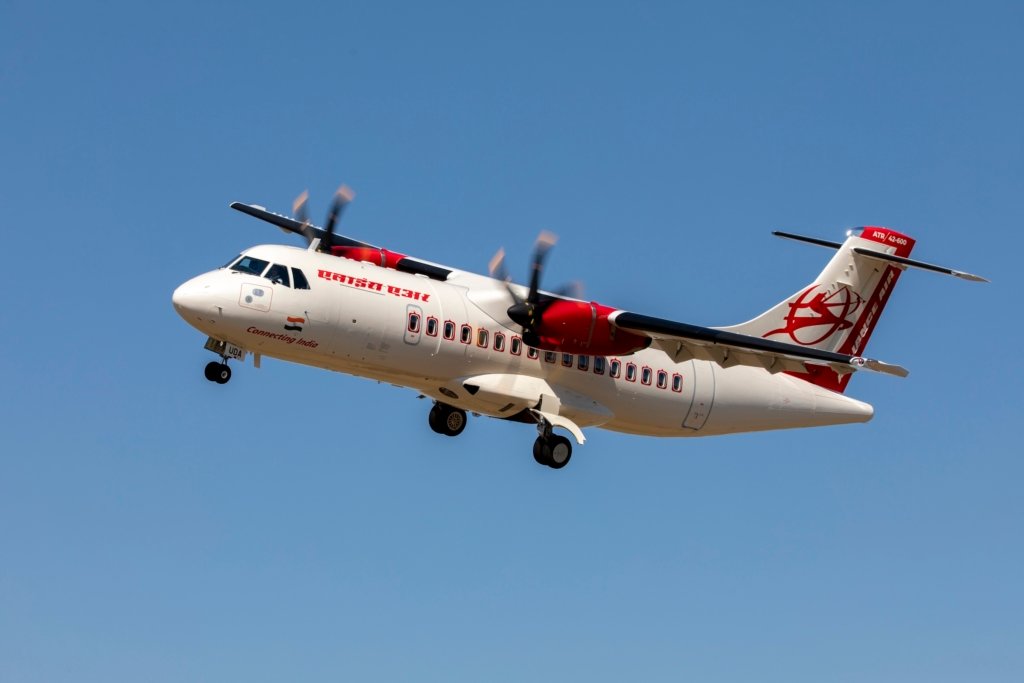
My earlier work in China showed me that the size of an aviation market does not automatically lead to the development of regional networks.
When airline resources are limited, capacity naturally goes first to major trunk routes. The need to connect remote areas and smaller cities can persist even as the wider aviation market grows quickly.
China is outside my current responsibilities, but that experience is useful when looking at other large, developing markets in Asia-Pacific.
My time at Airbus Commercial Services gave me another perspective. Selling or placing an aircraft is only the beginning of the relationship. Training, technical support, parts availability and maintenance have a major influence on whether an airline can operate reliably and develop its network with confidence.
I therefore see market development and customer support as part of the same responsibility. ATR should be able to help an airline understand where opportunities exist, select the right aircraft for the route, and support it throughout the operation. That is the approach I want to bring to the region.
Also Read: How First-Time Air Connectivity Is Reshaping Small-City Economies in India