

















Apollo Hospitals, The ePlane Company Explore Electric Air Ambulances for Emergency Care

- Apollo Hospitals and The ePlane Company will explore electric air ambulances and medical drones for emergency healthcare.
- eVTOL aircraft could cut 40–70 km patient transfers to 15–25 minutes, helping patients reach specialist care within the golden hour.
- The partnership also covers drone delivery of organs, blood and medicines, while the e200X aims to reduce air ambulance costs.

India’s biggest challenge in saving victims of road accidents, heart attacks and strokes is increasingly not the availability of hospitals or specialist doctors, but the inability to get critically ill patients to them before the “golden hour” closes.
Seeking to change that equation, Apollo Hospitals and electric aviation startup The ePlane Company on Thursday signed a memorandum of understanding to explore deploying electric air ambulances and medical drones, a move that could reshape emergency medical response by moving patients and life-saving medical supplies above India’s chronically congested roads.
The partnership aims to integrate Apollo’s hospitals and ambulance fleet with electric vertical take-off and landing (eVTOL) aircraft capable of transporting patients directly to advanced trauma centres while bypassing traffic. It also envisages deploying drones to transport donor organs, blood, medicines, vaccines and diagnostic samples between hospitals.
The initiative targets one of India’s most persistent healthcare gaps. The country records more than 170,000 road accident deaths annually—among the highest in the world—while millions suffer strokes, cardiac arrests and traumatic injuries each year. Trauma specialists estimate that barely 20% of critically injured patients reach definitive trauma care within the “golden hour”, the first 60 minutes after injury when prompt treatment dramatically improves survival.
Road ambulances remain the backbone of emergency care but are increasingly slowed by worsening congestion. In cities such as Delhi, Mumbai and Bengaluru, average peak-hour traffic speeds often fall below 20 kmph, turning a 40-km journey to a tertiary hospital into a 90-minute ordeal.
Electric air ambulances could reduce those journeys to 15-25 minutes over distances of 40-70 km, according to industry estimates, allowing patients to bypass intermediate hospitals and reach specialist centres directly. Helicopters already perform such missions, but operating costs—often exceeding ₹2 lakh per sortie—have largely confined them to organ transport and affluent patients.
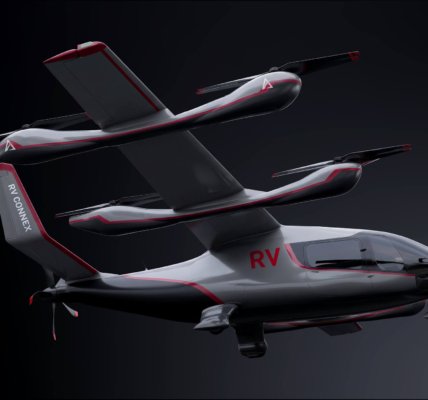
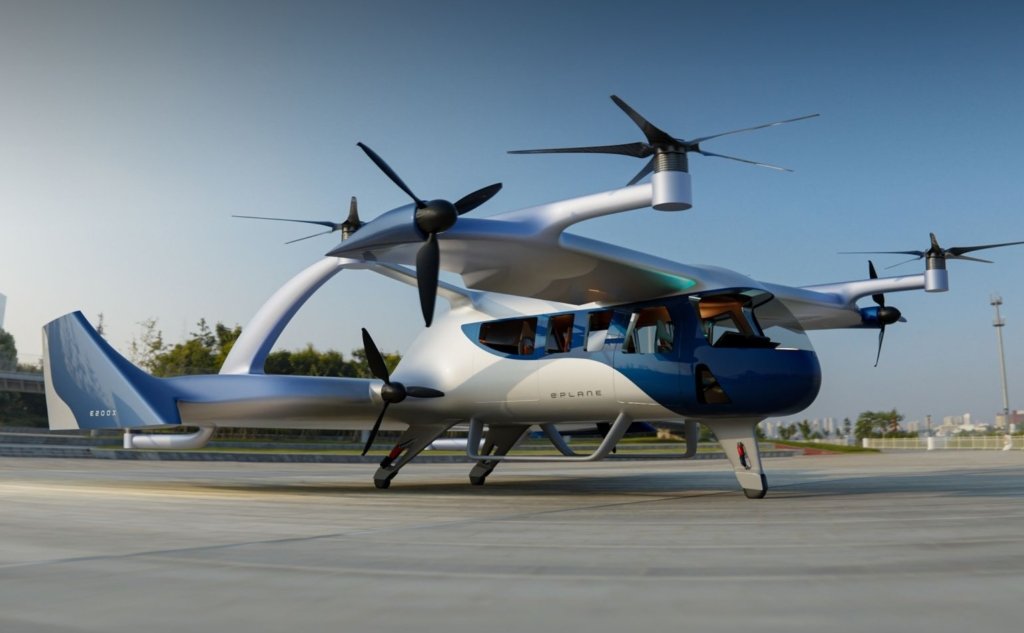
The ePlane Company’s proposed e200X electric aircraft aims to lower those costs substantially through electric propulsion, potentially making aerial emergency transport viable on a much wider scale.
“India loses far too many lives simply because help cannot arrive in time,” Apollo Hospitals Chairman Dr. Prathap C. Reddy said. “Access, along with deep clinical expertise, is what saves lives.”
Professor Satya Chakravarthy, Founder and Chief Technology Officer of The ePlane Company, said the collaboration aims to bridge the gap between the site of an emergency and specialised care. “Every minute matters when someone’s life is on the line,” he said. “Our electric aircraft are designed to connect patients with advanced trauma care much faster than conventional ground transport.”
Beyond patient evacuation, the companies plan to deploy drones developed by ePlane subsidiary Amber Wings to move donor organs, blood products, medicines and diagnostic samples, reducing delivery times from hours to minutes on shorter routes. Healthcare experts say such an integrated network could strengthen India’s fragmented trauma system by enabling district hospitals to stabilise patients while rapidly transferring either critical supplies or patients to tertiary-care centres.
The partnership mirrors a broader global push toward Advanced Air Mobility. Countries including the United States, the United Kingdom, Germany and the United Arab Emirates are evaluating electric aircraft for emergency medical services because they promise lower operating costs, lower emissions and greater operational flexibility than conventional helicopters.

However, major challenges remain before the concept becomes commercially viable in India.
The Directorate General of Civil Aviation is still developing certification pathways for eVTOL aircraft, while hospitals will require certified landing facilities, charging infrastructure and integration with existing ambulance services.
Airspace management, insurance reimbursement and financing models also remain unresolved, while adverse weather will continue to limit operations.
Under the agreement, Apollo will evaluate purchasing ePlane’s electric air ambulances and medical drones and explore a strategic investment in the startup. Founded in 2019 and incubated at IIT Madras, ePlane is among India’s first developers of electric vertical take-off and landing aircraft, with its e200X currently undergoing the DGCA’s type-certification process.
If regulatory, financial and operational barriers can be overcome, the partnership could redefine emergency medicine in India. Instead of measuring response by how quickly an ambulance reaches a patient, healthcare could increasingly be judged by how fast a patient reaches life-saving treatment—potentially transforming outcomes in a country where time remains the deadliest obstacle to survival.
Also Read: India’s Vertiport Question: Building the Foundations for Advanced Air Mobility

R Suryamurthy has been an economic analyst and journalist for more than three decades and has worked for The Telegraph, Tribune and Press Trust of India.