













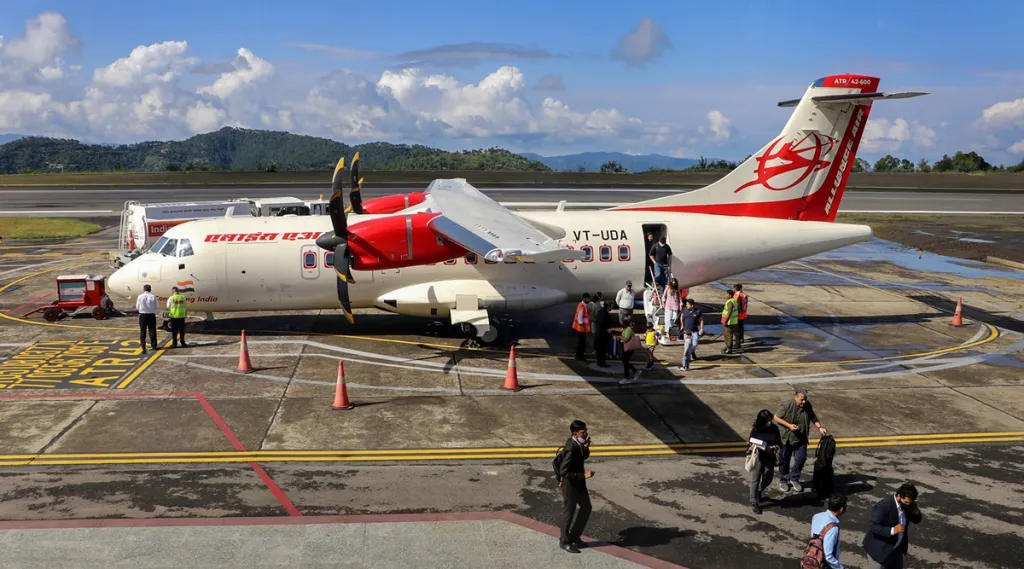
When the government launched UDAN (Ude Desh ka Aam Nagrik) on October 21, 2016—operating its inaugural Delhi–Shimla flight six months later on April 27, 2017—the ambition was to democratise air travel and connect regions that commercial aviation had largely bypassed.
Ten years later, the scheme has expanded India’s regional aviation network, brought smaller destinations onto the national aviation map and facilitated millions of journeys.
Yet, its tenth anniversary also brings an uncomfortable question into focus: how much of the connectivity created with public money has endured?
The Ministry of Civil Aviation’s tenth-anniversary figures show that UDAN has facilitated air travel for 1.72 crore passengers across more than 3.68 lakh flights. As of October 15, 2026, the government had disbursed ₹5,091.23 crore in Viability Gap Funding (VGF).
Consequently, India’s overall operational airport count has risen from 74 in 2014 to 165 by July 2026, with UDAN specifically operationalising 687 regional routes and 95 aerodromes—including 17 heliports and two water aerodromes.
The VGF disbursed works out to approximately ₹2,960 per passenger. This is a useful indicator of the direct subsidy required to support regional airline operations, although it does not represent the scheme’s total public cost, including airport infrastructure and other expenditure.
However, more sobering figures came before Parliament in July 2026. Of the 679 routes reported as operationalised by July 15, only 348 remained operational. A total of 165 routes had ceased operations before completing their mandatory three-year VGF support period, while the remainder were at various intermediate stages.
This contrast defines UDAN’s first decade: a significant expansion of regional connectivity, alongside an incomplete transition from launching routes to sustaining them. The government’s own anniversary review acknowledges the scheme’s wider benefits—boosting tourism flows, healthcare access and agricultural trade in places such as Tezu, Deoghar and Kishangarh—while signalling that the next phase must emphasise infrastructure durability and operational continuity over headline route announcements.
The gap between infrastructure creation and sustained use remains visible in official data. In January 2026, the Ministry informed Parliament that 15 UDAN airports were non-operational due to weather limitations, Visual Flight Rules (VFR)-only constraints, aircraft shortages, operator instability, and low passenger demand. These included Shimla, Ludhiana, Kushinagar, Aligarh, Azamgarh, Pakyong and Cooch Behar—destinations once showcased as proof of the scheme’s reach.
The CAG warning that remains relevant
The Comptroller and Auditor General’s (CAG) performance audit of UDAN, presented in 2023, had already exposed weaknesses in the scheme’s implementation.
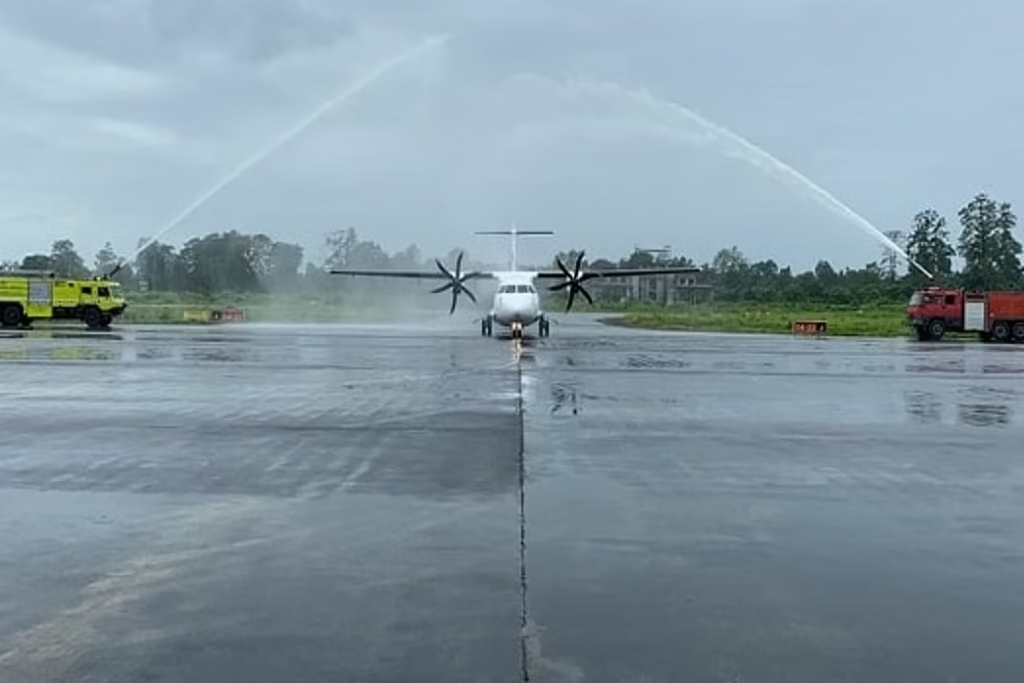
According to the audit, 403 of the 774 routes awarded under the first three phases had not commenced operations by March 2023.
Of the 371 routes that did commence, only 112 completed their full three-year concession period.
Of those, just 54 routes connecting 17 regional connectivity airports continued operating at the time of the audit.
In other words, only around 7 per cent of the 774 routes awarded up to UDAN-3 had demonstrated sustainability over the three-to-five-year period examined.
The audit also found that 83 of 139 airports, heliports and water aerodromes identified for revival or development were unutilised or underutilised as of March 2023.
The findings pointed to deficiencies in route selection, demand forecasting, cost-benefit assessment and the systematic identification of viable airports and heliports. Crucially, these concerns remain relevant as the government embarks on another decade of regional aviation development.
The economics of keeping routes alive
Regional aviation operates within tight commercial constraints. Low passenger volumes, fuel and maintenance costs, aircraft availability, leasing difficulties and limited airport catchment areas can make routes unviable even when they serve important destinations.
The experience of smaller regional carriers illustrates the fragility of this market. Airlines have faced capital constraints, fleet and maintenance challenges, and difficulty generating sufficient revenue on low-density routes. A subsidy may encourage an operator to launch a service, but it cannot by itself ensure that the airline has the financial and operational capacity to maintain it.
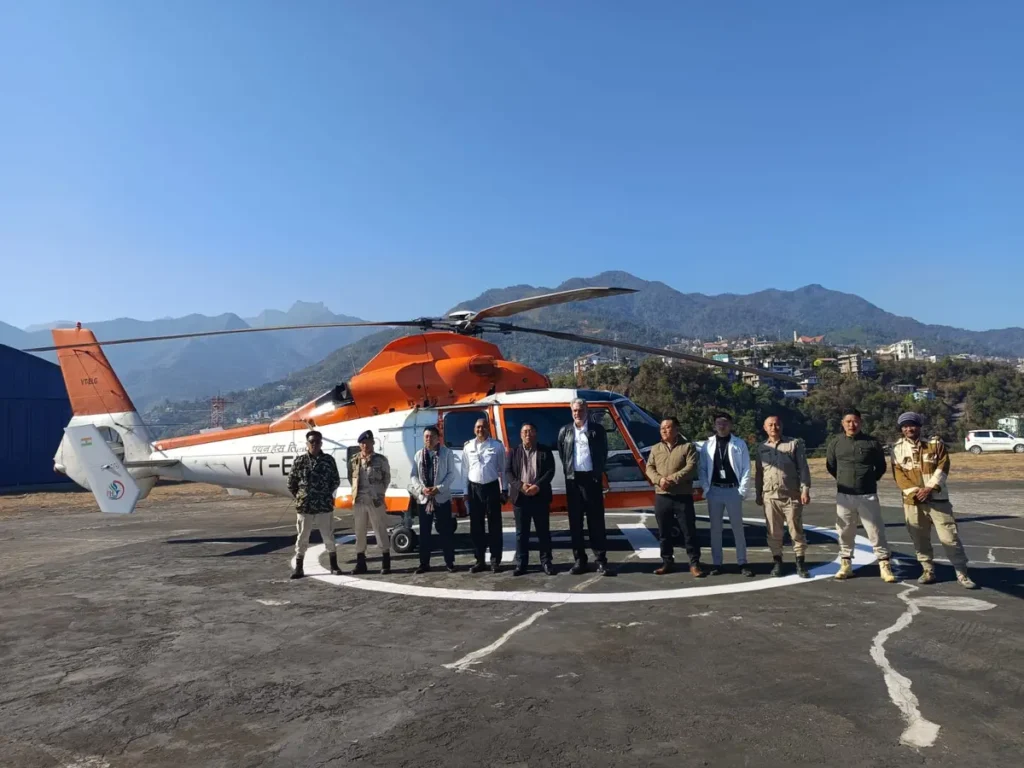
Demand forecasting is equally important. Airports may receive new terminals, runways and air traffic control upgrades, yet remain underused if the surrounding population cannot generate sufficient passenger traffic or if surface transport to the airport is inadequate.
The experience of airports such as Pakyong, Adampur, Pathankot and Ludhiana illustrates the risk of infrastructure being developed without durable scheduled services.
By contrast, airports such as Jharsuguda and Belagavi have demonstrated the value of stronger demand and more effective route planning.
The challenge, therefore, is not simply to build more airports or award more routes. It is to match infrastructure investment with credible demand, suitable aircraft, financially resilient operators and reliable last-mile connectivity.
Modified UDAN: a bigger network—and a different support model
The government has responded with Modified UDAN, launched on July 4, 2026, with a total outlay of ₹28,840 crore for 2026–27 to 2035–36.
Unlike the original framework, which concentrated heavily on reviving underserved airports and subsidising initial routes, the revised model combines airport development (₹12,159 crore for 100 airstrips) with long-term maintenance support, expanded helipad infrastructure, tapered airline assistance and limited procurement of indigenous aircraft. The primary goal is to establish a self-sustaining regional aviation network.
The new framework directly addresses a key vulnerability exposed during UDAN’s first decade: opening an airport is only the beginning. Regional aerodromes frequently struggle to meet recurring overheads when passenger volumes and commercial revenues remain low.
To keep facilities usable after development, Modified UDAN allocates ₹2,577 crore to provide three years of Operation and Maintenance (O&M) support—capped at ₹3.06 crore annually per airport and ₹90 lakh annually per heliport or water aerodrome.
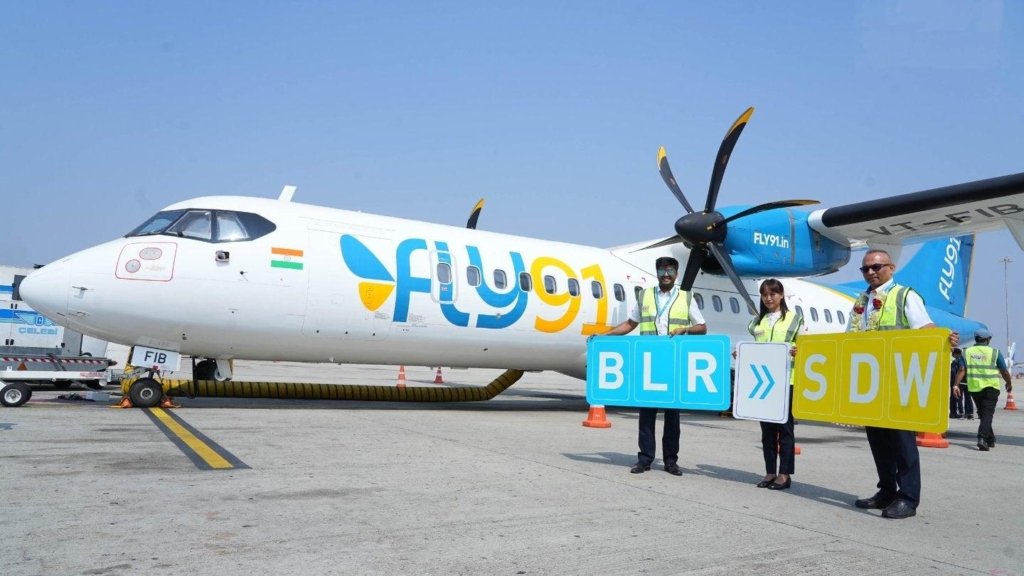
For difficult terrains where conventional runways are impractical, the plan earmarks ₹3,661 crore over eight years to build and operate 200 modern helipads. This initiative focuses on hilly, remote, island and aspirational districts, where helicopter access supports medical evacuations, emergency response and public services alongside passenger travel.
Furthermore, ₹400 crore has been allocated to procure two HAL Dhruv helicopters and two HAL Dornier aircraft, reinforcing domestic capacity with platforms tailored for regional routes.
Airline support remains a major pillar, with ₹10,043 crore designated for VGF over the ten-year period. Under the new terms, operators can receive assistance for up to five years—with funding tapered from the third year onwards—while route exclusivity remains capped at three years.
This extended window provides new routes more time to build organic demand, while tapered funding encourages carriers to transition toward commercial independence. Additionally, a challenge-mode mechanism enables states and Union Territories to prioritise airstrips based on rigorous feasibility assessments and airline interest.
From expansion to accountability
The achievements of the first ten years of UDAN are substantial, but the next phase must place continuity alongside expansion. Route-wise data should be published regularly, covering passenger loads, VGF disbursements, service interruptions, route closures and performance after subsidies end. Independent audits and transparent exit and handover arrangements would help ensure that public investment produces lasting benefits.
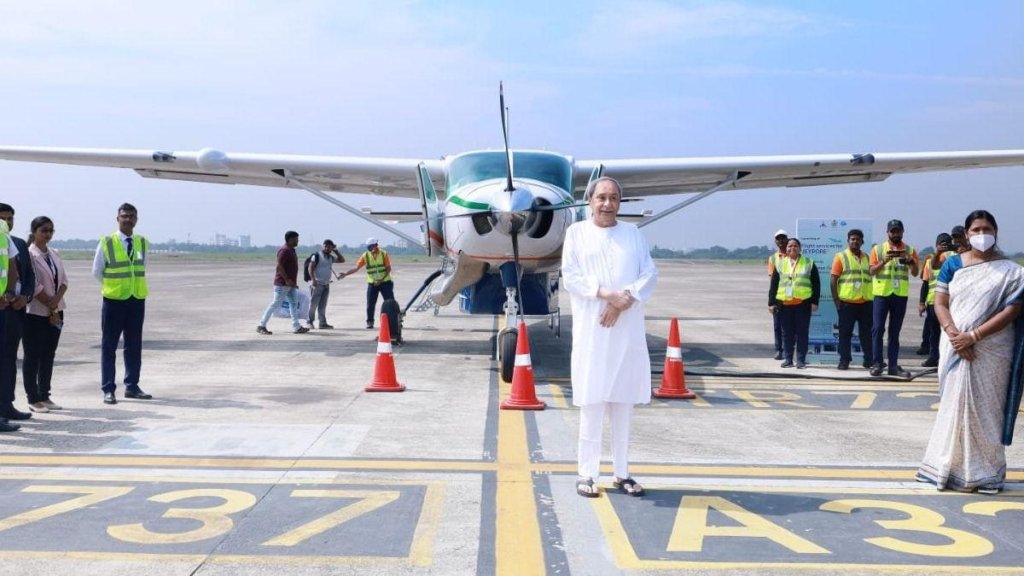
The scheme’s legacy includes not only physical infrastructure but also the regional ecosystem it nurtured.
Carriers such as Flybig, Star Air, IndiaOne Air and Fly91 emerged or expanded within this environment.
In the North-East, terrain constraints were mitigated through 90 priority RCS routes and 12 operational aerodromes.
Simultaneously, broader civil aviation employment grew from roughly 3 million in 2014 to nearly 7.7 million by 2026—a growth trajectory supported by UDAN’s regional footprint.
Yet, these gains remain fragile when flight operations vanish. While Modified UDAN’s extended support window and maintenance subsidies buy time for regional hubs, they cannot artificially generate the organic passenger demand needed for ultimate commercial survival.
UDAN began with the promise of making the common citizen a participant in India’s aviation growth. The true measure of success will not be the count of newly inaugurated airports, but how many regional communities retain dependable air links after state support ends.
Also Read: MODIfied UDAN: Strengthening India’s Regional Aviation Framework

Vishal Duggal – With over 30 years of experience in print and digital media, Vishal has led editorial teams across a range of publications covering news, current affairs, real estate, defence, law, diaspora issues, and aviation.