




Key Takeaways
- Air India and SIA Engineering Company are exploring wider maintenance cooperation, potentially including a joint venture.
- India’s commercial fleet is expected to grow significantly, which will increase MRO demand from US$3.1 billion to US$6.9 billion by 2036.
- Air India aims to enhance its maintenance capacity, but lacks sufficient capabilities for widebody aircraft D-checks.
- Recruiting skilled aircraft maintenance engineers in India is challenging, with a projected need for up to 25,000 personnel in the next ten years.
- Air India started a cadet programme to train new engineers, while SIAEC seeks collaboration with educational institutions for training opportunities.
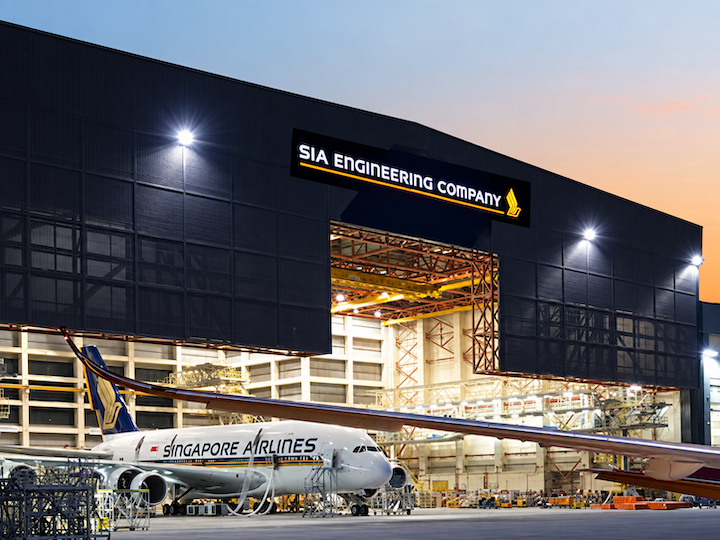
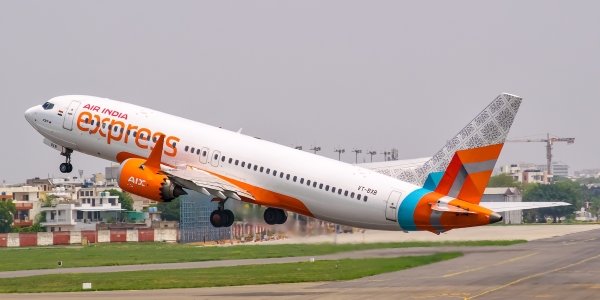
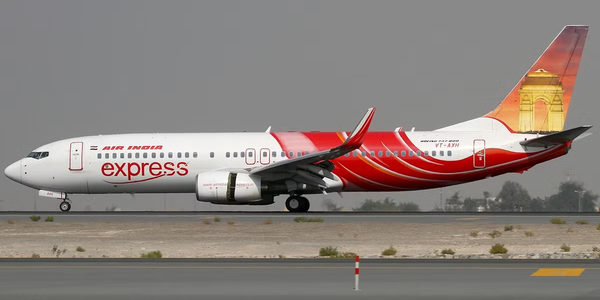
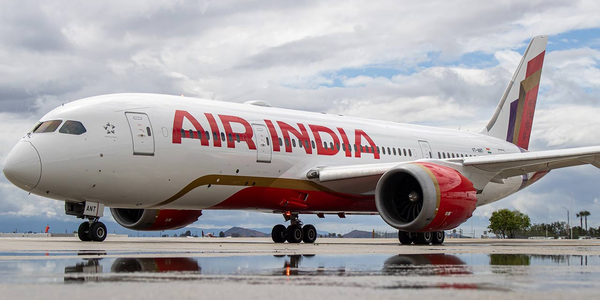
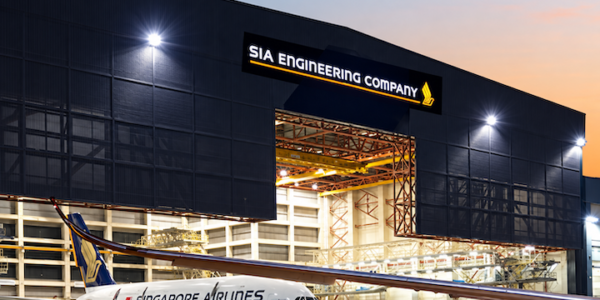
Air India and SIA Engineering Company (SIAEC) are in advanced discussions over wider maintenance cooperation in India, including a possible joint venture.
The companies already work together on Air India’s Bengaluru base maintenance facility, but any broader commercial arrangement remains under discussion.
Air India Group has more than 500 aircraft on order, expects its fleet to exceed 600 by 2034 and has committed more than US$300 million to building MRO capability.
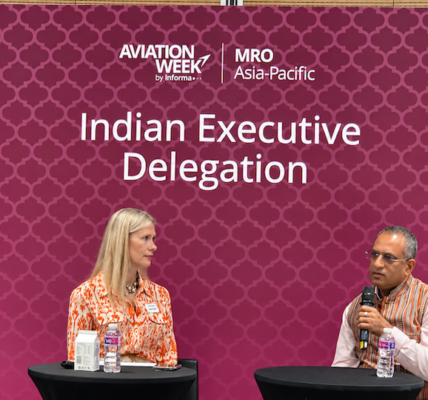
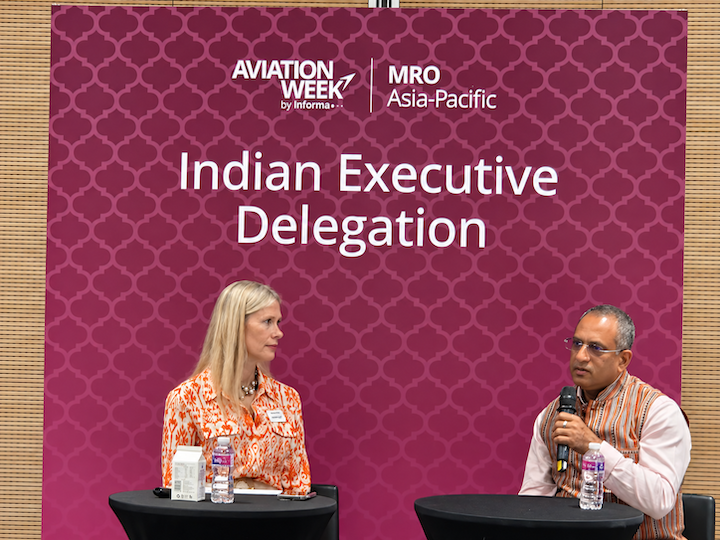
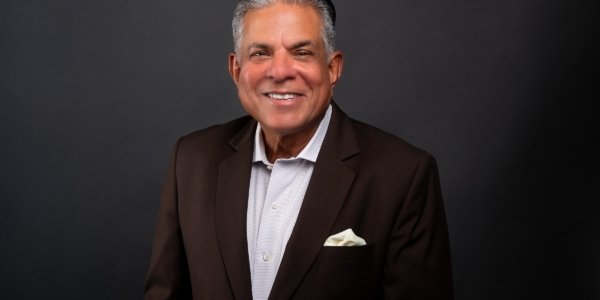
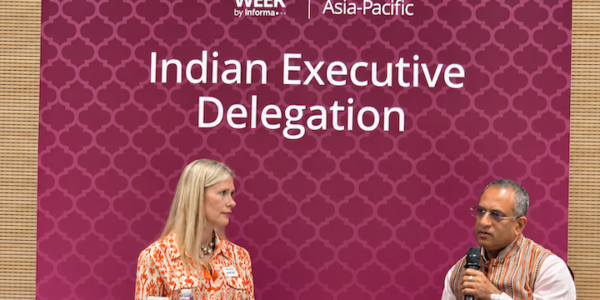
At MRO Asia-Pacific in Singapore, Sisira Kanta Dash, the group’s Chief Strategy Officer-Engineering, spoke about India’s maintenance capacity and the shortage of trained engineers.
The opportunity extends beyond Air India. India’s commercial fleet is projected to grow from 812 aircraft in 2026 to 1,605 by 2036, while annual MRO demand is forecast to rise from US$3.1 billion to US$6.9 billion. Air India estimates that about 20% of the country’s maintenance demand is met domestically and that approximately 70% of MRO value flows overseas. It values the opportunity to retain more of that work at US$4.5 billion.
Dash said Indian providers had made progress in narrowbody maintenance, but extensive widebody airframe work remained a gap. He argued that India would need the ability to perform D-checks on widebody aircraft rather than limit its capability to C-checks. Building hangars alone would not achieve that, he added; facilities also need the equipment and engineers to carry out the work.
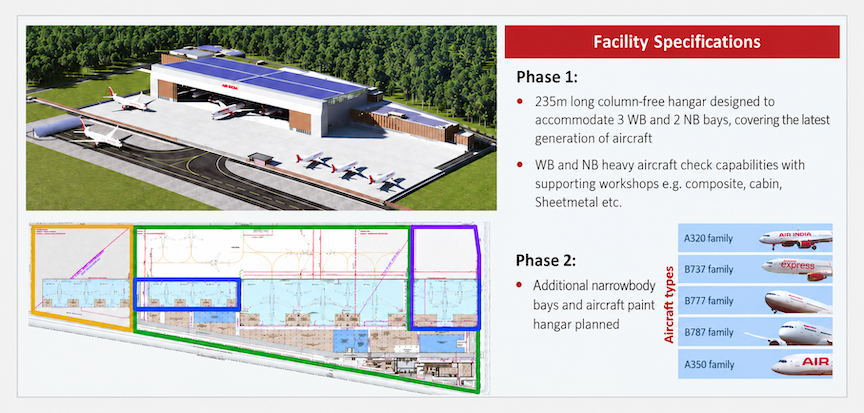
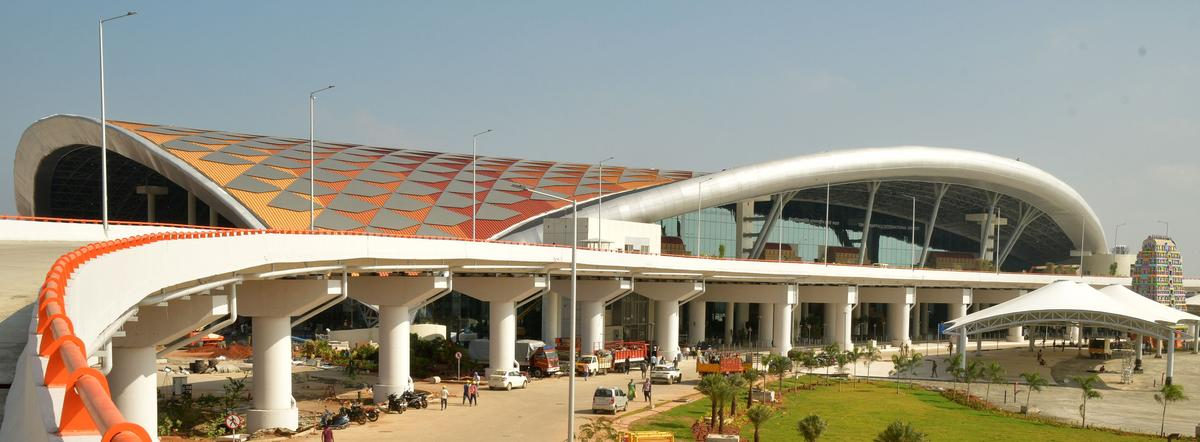
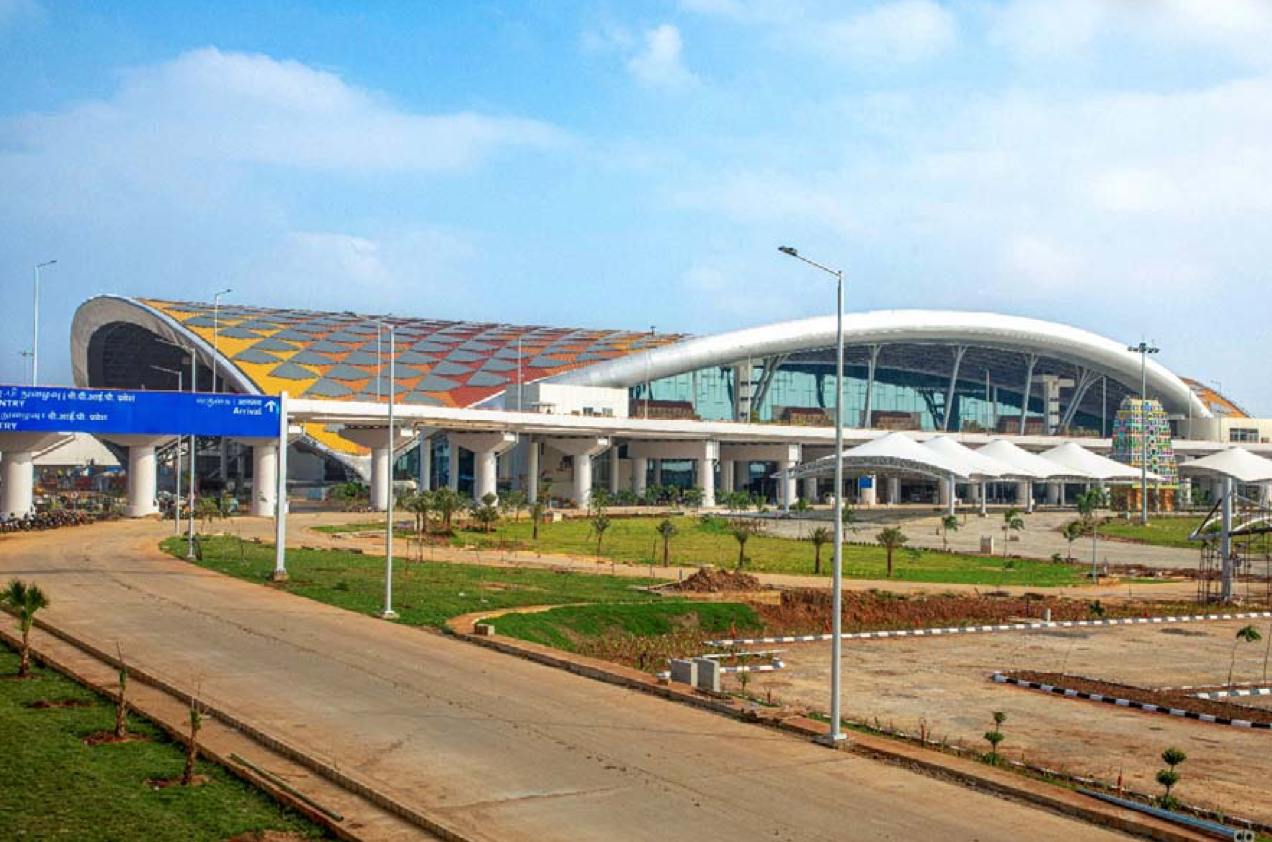
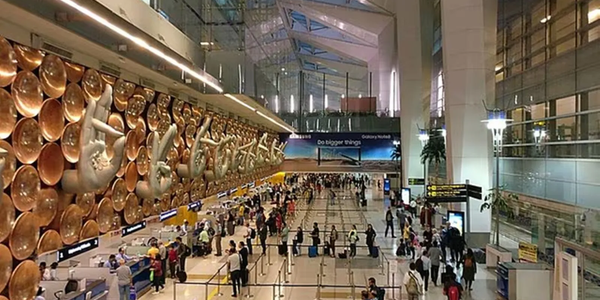
Air India’s Bengaluru project is intended to add heavy-check capacity for both widebody and narrowbody aircraft. Its first phase is designed around a 235-metre hangar with bays for three widebody and two narrowbody aircraft, alongside workshops for composite repairs, cabin work and sheet-metal repairs.
Additional narrowbody bays and an aircraft paint hangar are planned for a later phase. SIAEC has worked with Air India on the facility’s development since 2024.
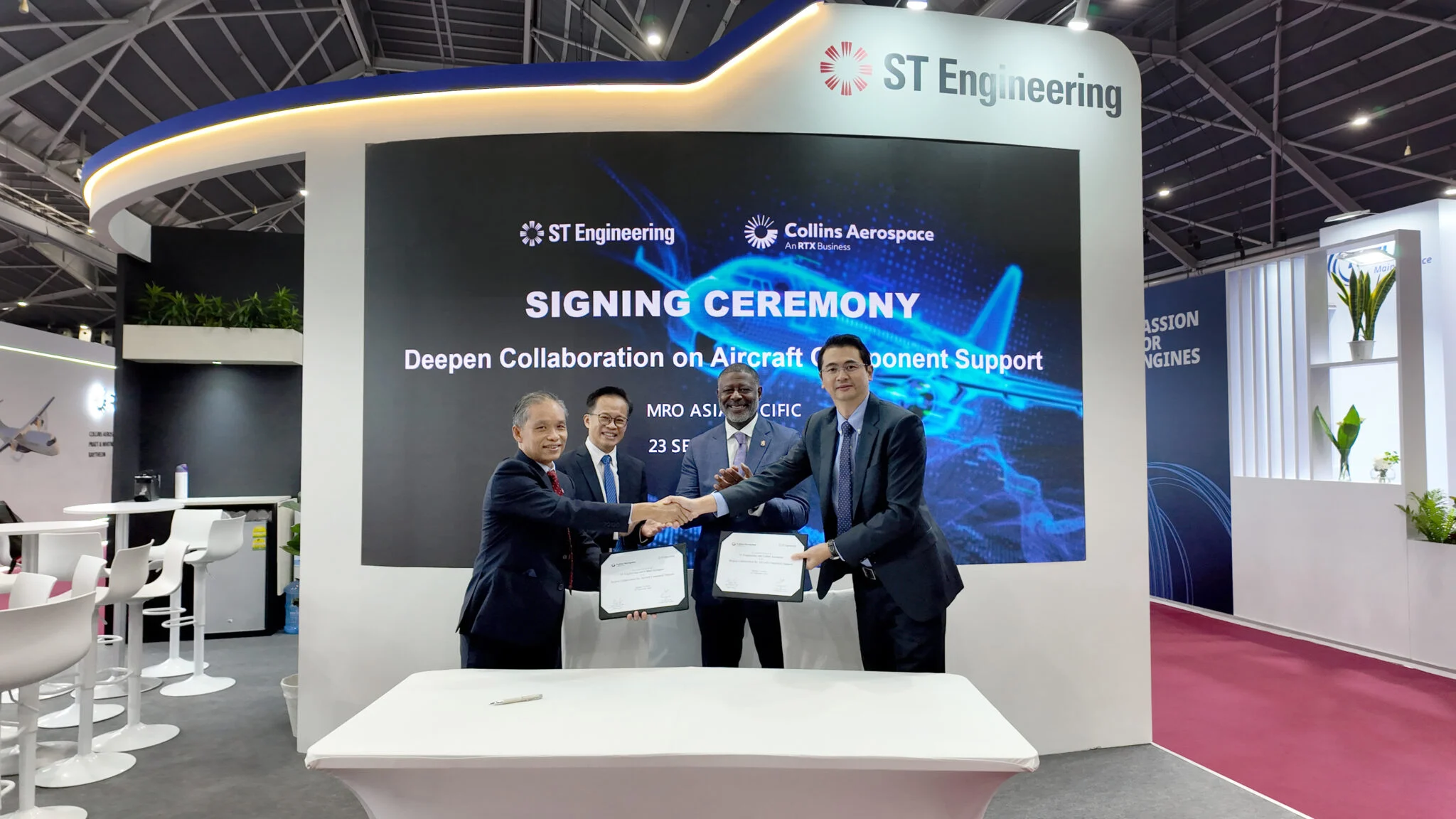
Under a 12-year agreement, SIAEC provides component support for Air India Group’s A320-family fleet. A separate, nonbinding memorandum signed in July 2026 allows them to examine wider MRO cooperation in India. A joint venture is among the possibilities, but no definitive agreement has been announced
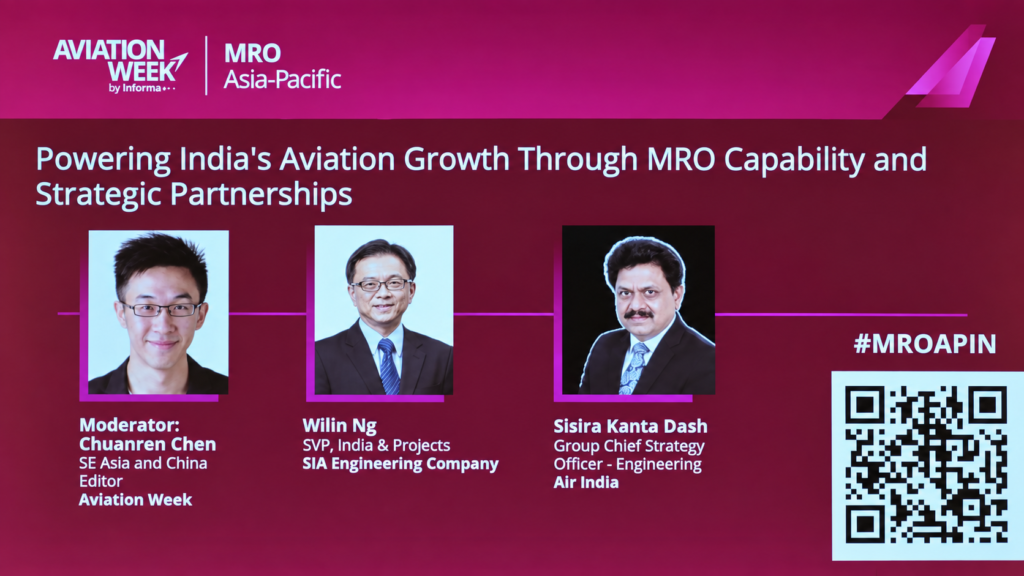
Asked whether the proposed cooperation could extend to engines, SIA Engineering Company Senior Vice President for India and Projects Wilin Ng said its potential scope covered both engine and component maintenance.
He cautioned that each activity would require a viable business plan.
Dash identified another obstacle in component repair: manufacturers and established maintenance providers hold many of the existing repair arrangements. Indian operators would need to work with them to bring more repairs into the country.
Recruiting aircraft maintenance engineers for the Bengaluru project is already difficult, Ng said. He put India’s current number at between 7,000 and 11,000 and cited a projection of about 25,000 within ten years. Experienced maintenance personnel are also leaving India and Singapore for jobs in the Middle East, according to Dash.
“You have the hangar, everything, but if the manpower skill is not there, it’s of no use,” Dash said.
Air India began an engineer cadet programme about a year ago with a small intake. Dash said a training facility being developed by the airline could accommodate more than 100 cadets. The programme is intended to give trainees access to Air India’s aircraft as part of their practical development.
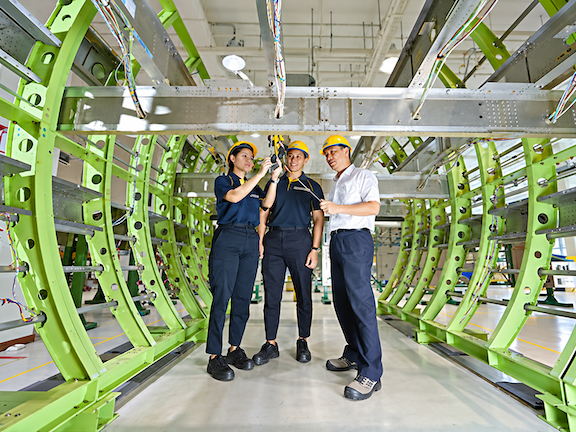
Ng said SIAEC already worked with educational institutions in Singapore to train maintenance engineers and had identified potential partners for a joint programme with India.
Under the proposal, Indian trainees could gain practical experience in Singapore before returning home.
The companies have also discussed serving other airlines from India. For Air India, however, its existing fleet and incoming aircraft will take priority. Asked when it might accept more third-party work, Dash said he did not expect that to happen in the near term.
Also Read: Air India and SIA Engineering Company Sign MRO Collaboration Agreement

Aviation Jeta is an aviation news platform covering airlines, airports, aircraft, and global aviation developments. We publish accurate, well-researched, and detailed aviation news and industry insights from around the world.