
















American Airlines’ First International Passenger Service: The Buffalo-Toronto Flight of June 24, 1941

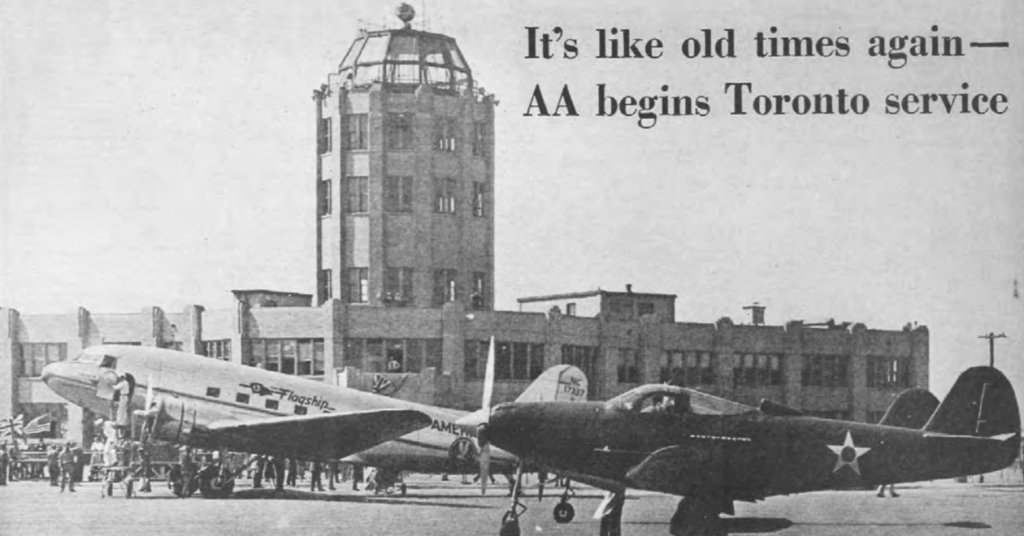
June 24, 1941.
American Airlines launched its first international passenger service on June 24, 1941, when a Douglas DC-3 departed Buffalo, New York, for Toronto, Ontario, carrying 21 passengers. The flight established Toronto as the first destination outside the United States on the airline’s route map.
The service was introduced at a time when American Airlines had already developed one of the largest domestic networks in the United States. Under the leadership of C.R. Smith, the carrier had expanded steadily through the 1930s and become one of the leading operators of the Douglas DC-3.
Introduced into the airline’s fleet in 1936, the aircraft offered greater capacity, improved passenger comfort and stronger operating economics than many of the types it replaced, helping accelerate the growth of commercial air travel across North America.
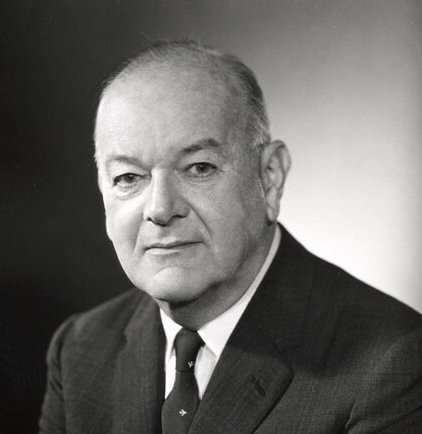
The origins of the DC-3 were also closely connected to American Airlines. Discussions between C.R. Smith and Douglas Aircraft founder Donald Douglas led to the development of the Douglas Sleeper Transport (DST), an aircraft designed for overnight passenger travel.
The DST subsequently evolved into the DC-3, which became one of the most successful transport aircraft in aviation history.
By the late 1930s, American Airlines had adopted “Flagship” as a distinctive part of its brand identity. The airline named aircraft after cities on its route network, following a tradition long associated with railroads and ocean liners. With the launch of its first international passenger service in June 1941, Toronto joined that tradition through Flagship Toronto.
Toronto was a logical choice for American Airlines’ first service beyond the United States. Commercial aviation links between Canada and the United States were already well established, while traffic between southern Ontario and western New York had existed for years.
Canadian Colonial Airways had operated services between Buffalo and Toronto during the late 1920s, demonstrating the demand for cross-border air travel well before American Airlines entered the market.
The launch also coincided with a period of rapid development in Canadian aviation. Trans-Canada Air Lines, the predecessor of Air Canada, had been established in 1937 and was expanding its domestic network, while Canadian Pacific Air Lines had been formed in 1942 through the consolidation of several regional operators.
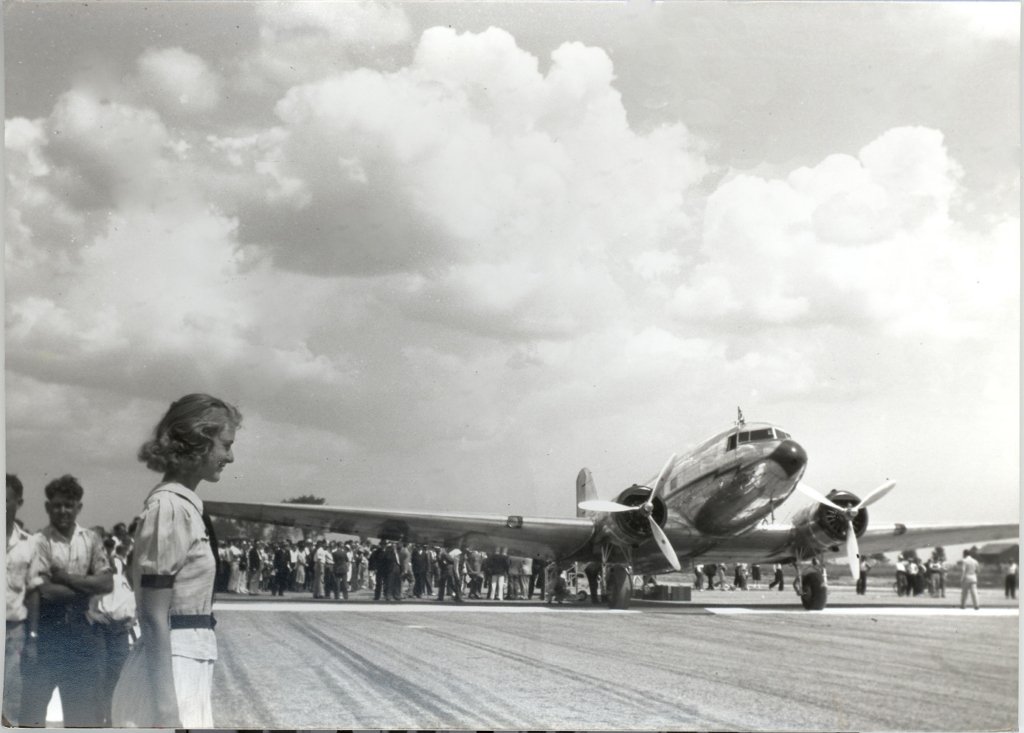
Photo: Toronto Pearson Airport
Toronto’s Malton Airport, which opened in 1938 and later became Toronto Pearson International Airport, was emerging as one of Canada’s principal commercial aviation gateways.
The broader aviation environment was also changing rapidly. Canada had been at war since September 1939, and Germany’s invasion of the Soviet Union had begun only two days before the inaugural Buffalo-Toronto service.
At the same time, the British Commonwealth Air Training Plan was transforming Canada into one of the world’s largest centres for military flight training, bringing significant investment and activity to the country’s aviation sector.
The route was introduced less than six months before the attack on Pearl Harbor and the entry of the United States into the Second World War. As commercial aviation gave way to wartime priorities, the Buffalo-Toronto service became part of a rapidly changing period in North American airline history.
Also Read: History of Air Navigation – Part I: The Origins of Navigation from Sea to Sky