




Air India Leadership Transition: N Chandrasekaran Takes Charge Amid Business Challenges

Air India News
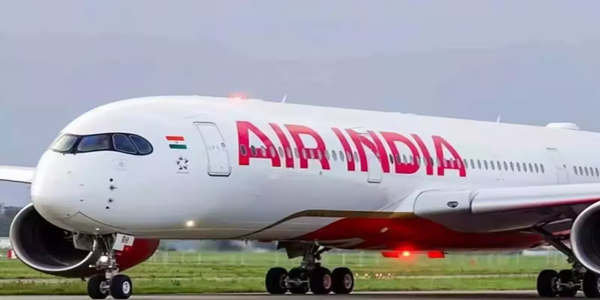
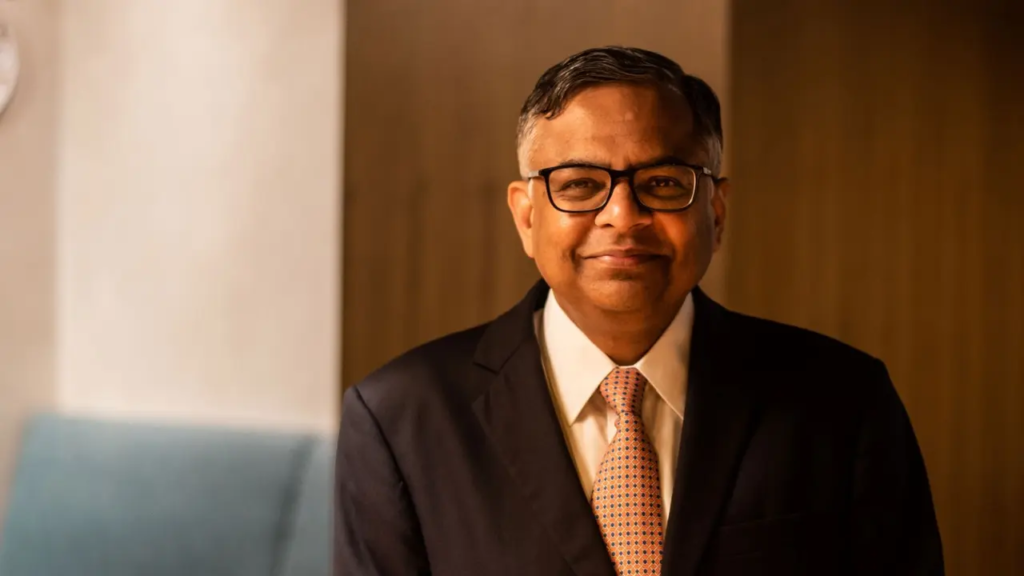
Air India is going through a difficult phase as its Chief Executive Officer (CEO), Campbell Wilson, prepares to leave the airline. To ensure stability during this period, Tata Sons Chairman N Chandrasekaran has stepped in and taken a more active role in managing the airline’s operations.
According to people familiar with the matter, Chandrasekaran has started conducting weekly reviews of Air India’s key departments. Teams responsible for flight operations, commercial strategy, and finance have been asked to submit weekly progress reports directly to him. The objective is to maintain smooth operations and provide leadership until a new CEO is appointed.
As part of the transition process, Chandrasekaran has also appointed former Civil Aviation Secretary Pradeep Singh Kharola as Executive Advisor. Kharola will work closely with Air India’s management team and help ensure a smooth change in leadership. His extensive experience in the aviation sector is expected to be valuable during this challenging period.
The leadership changes come at a crucial time for Air India. Since Tata Group acquired the airline through privatisation in 2022, it has been working on a multi-billion-dollar turnaround strategy aimed at transforming the carrier into a world-class airline. However, the company has faced several major challenges along the way.
Air India has been dealing with rising operating costs due to geopolitical tensions in West Asia. The conflict in the region has caused jet fuel prices to increase sharply, leading to higher expenses for airlines worldwide. In addition, the closure of Pakistani airspace has forced Air India’s flights to Europe and North America to take longer routes. These longer flight paths have significantly increased fuel consumption and crew costs.
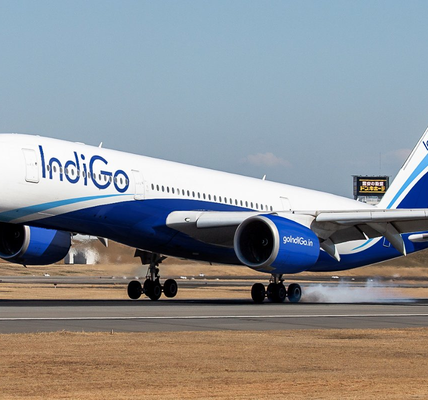
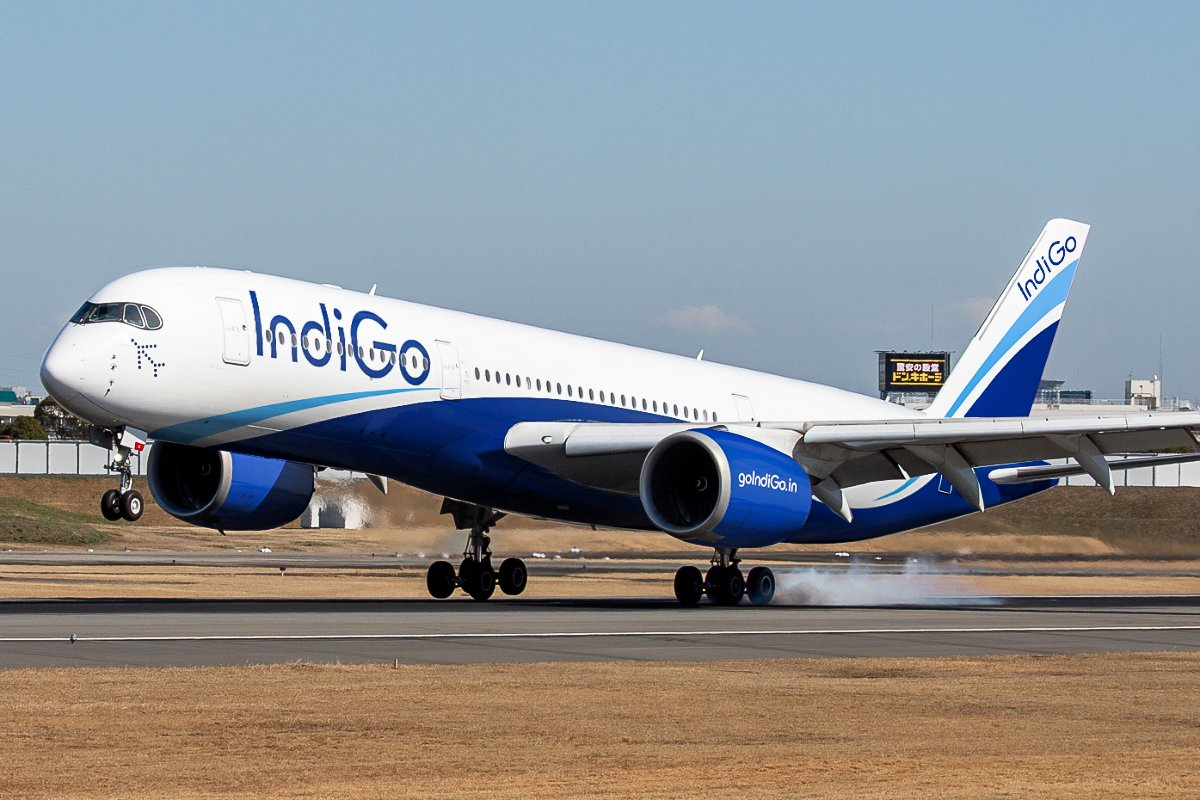
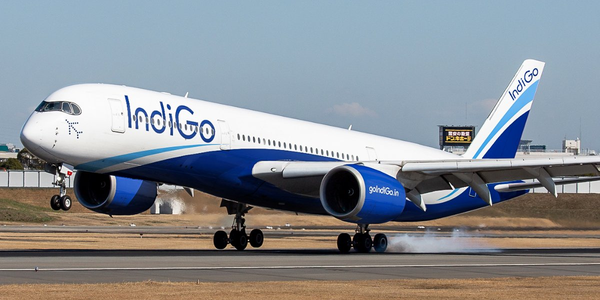
The airline has also had to reduce its operations. Reports suggest that Air India has cut more than 350 daily flights because of rising costs and operational challenges. Compared to its competitor IndiGo, Air India has been more affected because of its extensive long-haul international network.
At the same time, the airline is facing delays in its aircraft interior refurbishment programme. It is also trying to maintain momentum in its ambitious fleet expansion plans. Air India is expected to receive seven more wide-body aircraft during the current financial year, while its low-cost subsidiary, Air India Express, plans to induct around 10 Boeing 737 Max aircraft.
Meanwhile, the search for a new CEO is still ongoing. Chief Commercial and Transformation Officer Nipun Aggarwal and former Vistara CEO Vinod Kannan are considered leading candidates for the top position. However, reports indicate that there is no consensus within the Tata Group regarding the appointment.
Several Air India executives have reportedly expressed concerns that the delay in selecting a new CEO is slowing down important business decisions and affecting employee morale. They believe that the company needs a full-time leader who can focus entirely on the airline’s complex operations.
The airline’s financial performance has also come under scrutiny. Air India reportedly recorded losses of around Rs 27,000 crore in FY26, requiring additional funding from Tata Group and co-owner Singapore Airlines.
To improve efficiency and reduce costs, Air India is planning capacity rationalisation and will retire older aircraft more quickly because they consume more fuel. The airline hopes these measures, along with strong leadership, will help it overcome current challenges and continue its long-term transformation journey.

Ajeet Yadav is an aviation enthusiast covering airline news, airports, aircraft, and industry developments through well-researched and reliable reporting.