






Rebuilding the Maharaja: Air India Turns to Crisis-Tested Tewolde Gebremariam

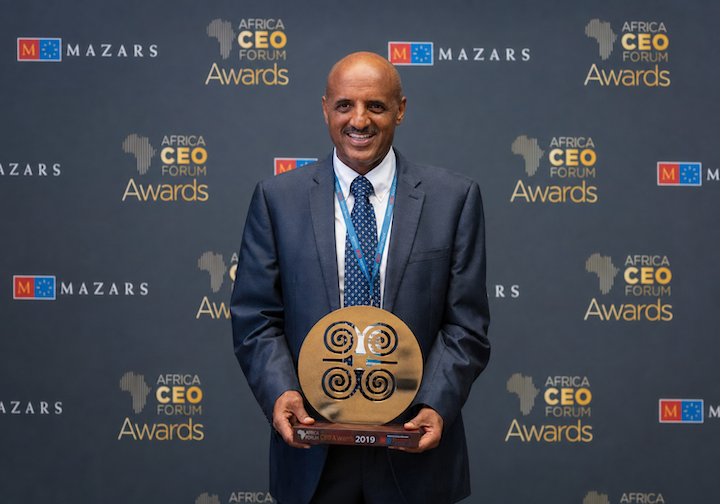
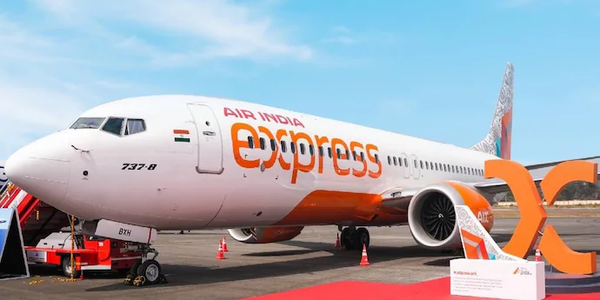
Air India has appointed former Ethiopian Airlines Group CEO Tewolde Gebremariam as its chief executive officer and managing director, succeeding Campbell Wilson.
The appointment ends months of uncertainty and marks an important transition for the airline. Having completed much of the initial work of restructuring and integration, Air India must now turn its ambitious plans into consistent operational and financial performance.
Wilson Built the Foundations
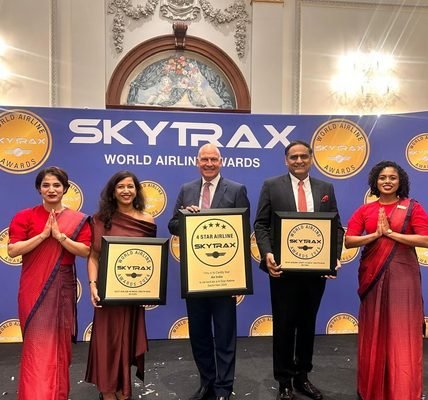
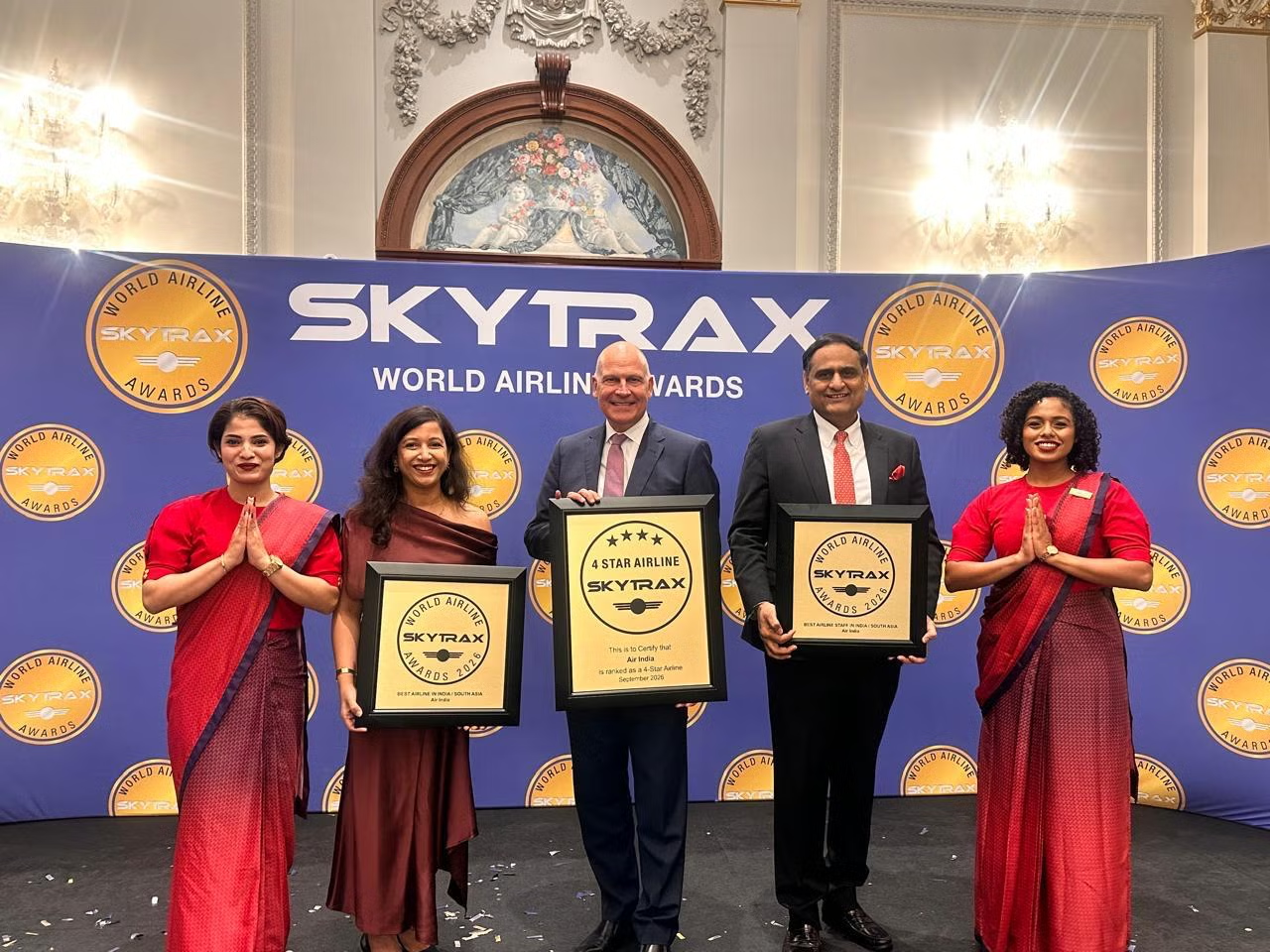
The Air India board formally thanked Campbell Wilson for his leadership during the first phase of the airline’s turnaround. During his tenure, he oversaw the rebranding of Air India, major fleet commitments, technological upgrades, and the complex merger and integration of Vistara.
Air India chairman N. Chandrasekaran said the airline had completed the initial phase of stabilisation, integration and fleet commitments under Wilson’s guidance and was now entering a critical period of execution and expansion. He described Tewolde’s record of building one of the world’s most efficient and profitable airline groups as uniquely suited to Air India’s needs.
In my view, Wilson was a capable and honourable leader in an exceptionally difficult role. I may disagree with some of the decisions taken during his tenure, but he deserves credit for guiding Air India through the early stages of a complicated transformation.
Wilson helped build the foundations. Tewolde must now ensure that those foundations produce results.
Why Tewolde Fits the Brief
Tewolde has spent nearly four decades in aviation. He joined Ethiopian Airlines as a cargo traffic officer in 1985 and rose through the organisation, eventually serving as group CEO for 11 years. He stepped down in March 2022 for health reasons.
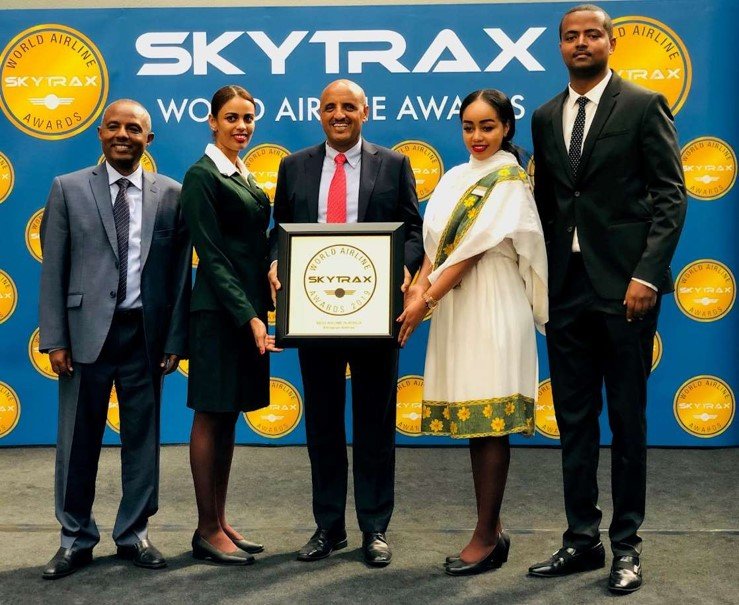
Under his leadership, Ethiopian Airlines’ annual turnover increased from $1 billion to $4.5 billion.
Its fleet expanded from 33 aircraft to 130, while annual passenger numbers rose from 3 million to 12 million before the pandemic.
The airline grew into Africa’s largest carrier and one of the continent’s most respected aviation groups.
Tewolde also has experience of working in India. He served as Ethiopian Airlines’ regional director for India and South Asia during the 1990s and was based in Mumbai.
His familiarity with India’s business environment and bureaucracy should help him navigate the regulatory, political and commercial pressures that come with running the country’s flag carrier.
Few airline leaders arrive with a combination of operational experience, commercial discipline and crisis-management credentials as strong as his.
Sean Mendis, a veteran aviation executive and consultant with more than two decades of experience across Africa, has known Tewolde for 20 years. He says: “Tewolde is a genius at strategic negotiation. I sat across the table from him long before he became CEO and was impressed even then. He catches more flies with honey than with vinegar, and it is difficult for anyone to dislike him because he does it all with a smile.”
Leadership Forged in Crisis
Two episodes in Tewolde’s career are particularly relevant to Air India: the 2019 Boeing 737 MAX crash involving Ethiopian Airlines Flight 302 and the COVID-19 pandemic.
Following the MAX crash, Tewolde became the public face of the airline’s response. He met victims’ families, addressed the media, supported a transparent investigation and refused to blame the airline’s pilots prematurely. He also challenged the idea that quick technical fixes would be sufficient and called for accountability from the manufacturer.
His response demonstrated the importance of visible, empathetic and accountable leadership during a crisis. That experience will be particularly valuable as Air India works to rebuild confidence following the Flight AI171 tragedy and the regulatory scrutiny that followed.
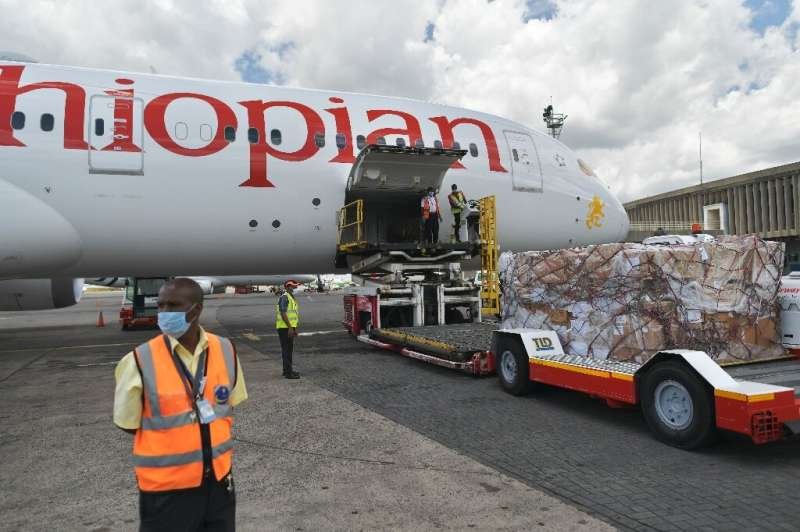
During the pandemic, Tewolde again demonstrated his ability to respond quickly.
Recognising that passenger traffic would collapse, he drew on his cargo background and shifted the airline’s focus towards freight operations.
Passenger aircraft were redeployed to transport medical supplies and other cargo around the world, helping Ethiopian Airlines protect its finances while many other carriers struggled.
Tewolde did not merely manage an airline during favourable conditions. He proved his ability to protect it during two of the most difficult crises in modern aviation.
The Hard Work Starts Now
Despite having one of India’s strongest corporate owners, Air India remains a work in progress. The airline is contending with substantial financial losses, increased regulatory scrutiny, airspace restrictions, geopolitical uncertainty and the continuing complexity of integrating its operations.
The Vihaan.AI transformation programme has delivered several visible changes, including a new brand identity, fleet commitments and the consolidation of the group’s airlines. However, these initiatives must now translate into a more reliable product, consistent service and sustainable financial performance.
Air India must also rebuild trust among its two most important constituencies: passengers and employees.
For an airline once closely associated with J.R.D. Tata and a culture of lifelong service, questions about employee morale, retention and loyalty deserve serious attention. The Tata Group has long been regarded as one of India’s most respected employers, yet that reputation must be felt as strongly within its aviation businesses as it is elsewhere in the group.
Airlines do not operate on social media campaigns and public relations alone. They succeed through dependable operations, motivated employees, attentive service and the confidence of passengers. Tewolde will have to ensure that Air India’s public promises are matched by the experience it delivers on the ground and in the air.
Cost discipline will be equally important. The board should review senior management roles that have failed to deliver results and ensure that aviation experience carries sufficient weight in critical operational positions. A turnaround of this scale cannot become a training ground for executives who lack relevant industry knowledge.
The airline must also bring greater clarity to its product positioning, route structure and network strategy. It needs to decide precisely which customers it wants to serve, what experience it intends to offer and how its domestic and international networks will support that promise.
Tewolde will need the authority to make difficult decisions, but that freedom must be accompanied by clear accountability. The most valuable support Bombay House can give him is the space to run the airline professionally, without unnecessary interference, while holding him and his leadership team responsible for measurable results.
My family’s connection with Air India spans nearly 80 years, and the airline’s decline has been painful to watch. Nevertheless, I remain hopeful. Tewolde has the experience, temperament and record needed to lead its next chapter.
Now he must deliver.
Also Read: The Master Strategist Crosses the Aisle: Aloke Singh’s High-Stakes Move to IndiGo

Sanjay Lazar is an Aviation Expert & CEO Avialaz Consultants. He is an aviation analyst, lawyer, & best-selling author who writes on aviation, International relations, leadership and law. He has spent 40 years in aviation and lost his entire family in the Air India Kanishka bombing in 1985.