










- Rapid fleet expansion across Indian and global aviation is outpacing pilot hiring, forcing existing crews onto rosters that generate cumulative fatigue well beyond what regulations were designed to manage, with measurable consequences for physical health and flight safety.
- Mental health stigma within the aviation profession remains a serious and unresolved safety risk—pilots who report psychological distress face career consequences, which means many continue operating while struggling, a situation that regulatory frameworks have not yet adequately addressed.
- Genuine progress in pilot wellbeing requires operators to move beyond minimum legal compliance with rest and scheduling, invest in proactive, stigma-free health support systems, and recognise that the condition of the human in the cockpit is as critical to aviation safety as the condition of the aircraft itself.
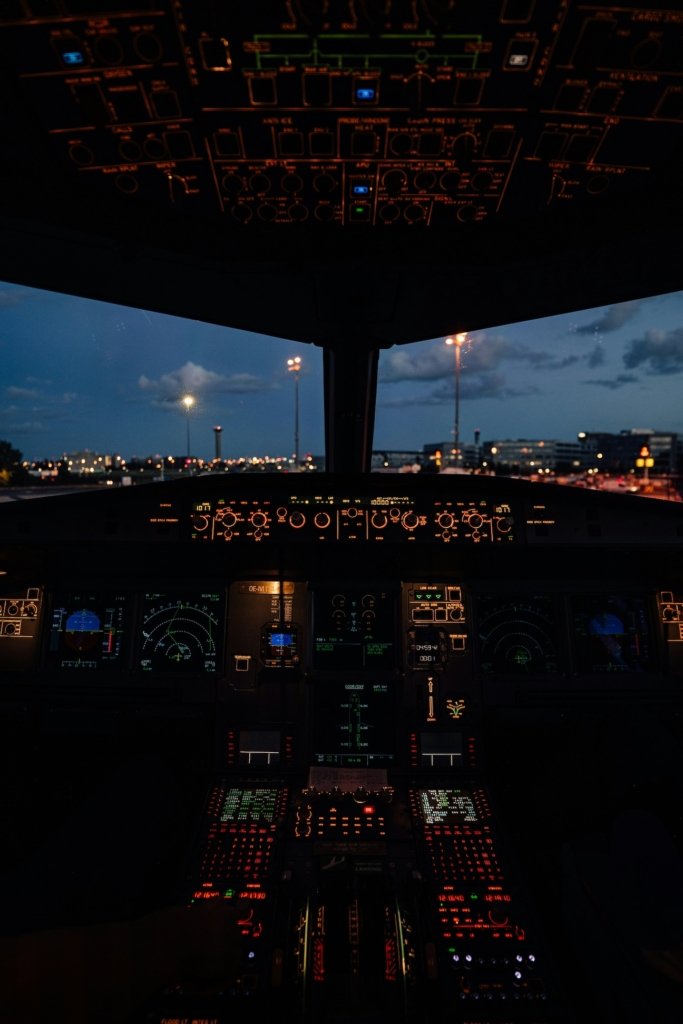
The aviation industry is often viewed through a glamorous lens. Crisp uniforms, advanced cockpit technology, international travel, and the status that comes with commanding a commercial aircraft create an image of professional success that is difficult to argue with.
Behind that image, however, lies a profession that demands extraordinary levels of physical endurance and psychological resilience from the professionals responsible for keeping passengers safe.
As aviation has grown rapidly in the years following the pandemic, with operators inducting aircraft at a pace driven by surging passenger demand, the health and wellbeing of pilots has struggled to keep up.
Operational pressures, irregular schedules, and rising expectations from both operators and passengers have intensified the physical and mental burden on flight crews.
The industry is seeing a rise in temporary and permanent medical disqualification cases among active pilots, alongside an increase in sudden fatality events that deserve far more serious attention from regulators and airlines than they currently receive.
Every aircraft inducted into a fleet requires a minimum number of trained crew members to sustain safe operations across a 24-hour cycle. In practice, fleet expansion frequently outpaces pilot hiring, and existing pilots are stretched across demanding rosters to absorb the operational load.
India’s revised Flight Duty Time Limitations were designed to address this problem, but irregular rostering patterns, minimum legal rest planning, short sector turnarounds, multiple aircraft changes within a single duty day, and extended flight duty periods continue to generate cumulative fatigue levels that regulations alone cannot contain.
Fatigue, Physical Health, and the Cost of an Irregular Life
Fatigue in aviation is not simply tiredness. It is the accumulation of sleep debt over weeks and months, a gradual erosion of cognitive performance that rarely announces itself in obvious ways. Scientific research in aviation psychology has consistently shown that sleep deprivation and circadian disruption significantly impair reaction time, situational awareness, and decision-making.
A pilot who appears composed and functional may be operating well below their actual cognitive capacity, and neither the pilot nor their employer may recognise it until something goes wrong.
Pilots report for duty before sunrise one day and operate late-night sectors the next. These constantly shifting schedules disrupt the body’s circadian rhythm, throw off hormonal balance, and, over time, compromise immunity and metabolic function. Unlike most professions, where rest is predictable and recovery is built into the weekly structure, pilots live with persistent schedule unpredictability that makes sustained physical health genuinely difficult to maintain.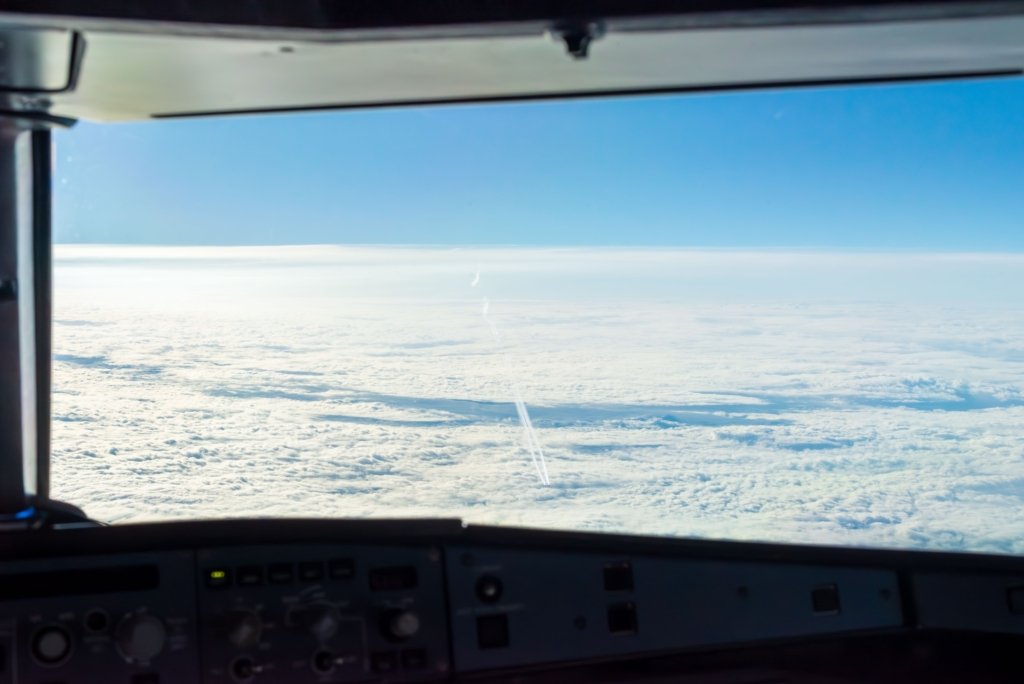
The cockpit environment compounds this. Prolonged hours in a pressurised, confined space contribute to lower back pain, muscular stiffness, and cardiovascular strain.
Nutrition suffers on demanding duty days when pilots rely on airport food, processed on-board meals, or skip meals entirely between sectors.
Regular exercise is difficult to maintain when rest periods are short or irregular, and attempting physical activity during insufficient recovery periods can cause injury rather than prevent it.
These are not minor inconveniences. They are occupational health risks with long-term consequences for both individual pilots and aviation safety.
Operational pressure within airline environments adds further strain. Fuel-saving measures, on-time performance targets, and short turnaround times between sectors create a working environment where pilots are expected to absorb operational friction without complaint.
Passing administrative queries or interdepartmental issues to a pilot immediately before departure is a practice that introduces unnecessary cognitive load at the most safety-critical phase of a flight, and it is difficult to reconcile with any serious application of human factors principles.
Mental Health, Burnout, and the Culture of Silence
Mental health concerns within the pilot community are rising, and the profession’s response to them remains inadequate. Pilots operate in sustained high-alert environments that require constant situational awareness, clear communication across multiple agencies, and composed performance under pressure across several sectors every duty day.
Prolonged exposure to these conditions, without adequate recovery, contributes to anxiety, burnout, emotional exhaustion, and declining performance over time.
Burnout does not always surface in ways that are easy to identify. It can emerge gradually as reduced motivation, persistent irritability, difficulty concentrating, and a slow withdrawal from the engagement that the job once demanded. Adjusting to different crew pairings on almost every duty day, each with different personalities, working styles, and standards, adds a layer of social and psychological effort that accumulates quietly over a career.
The deeper problem is that the aviation profession has not yet created conditions where pilots can acknowledge these struggles without risking their careers. Discussing anxiety, emotional exhaustion, or psychological difficulty is widely perceived as a threat to medical certification and career continuity.
Because of this, many pilots continue operating while struggling, because reporting vulnerability carries consequences that reporting a technical fault does not.
This is not a personal failing on the part of individual pilots. It is a structural failure within the industry, and it carries direct implications for flight safety.
Loneliness is a dimension of the job that receives little formal attention.
Long periods away from home, missed family events, inverted social schedules, and the transient nature of crew relationships create a pattern of isolation that, over the years, takes a measurable psychological toll.
Female pilots carry an additional set of pressures. Balancing demanding operational rosters with family responsibilities, maternity considerations, and the physiological realities of hormonal health creates challenges that male colleagues do not share in the same way.
Despite women entering commercial aviation in greater numbers than at any previous point in the industry’s history, gender bias has not disappeared from cockpit environments.
The pressure on women pilots to continuously prove competence within a profession built around different norms adds a psychological burden that airlines and regulators have been slow to formally acknowledge or address.
As the industry works to increase gender diversity, it must also invest in the specific support structures, scheduling flexibility, and health provisions that make long-term careers viable for women.
Financial pressure is another factor in the pilot wellbeing picture that rarely surfaces in industry discussions. Flight training is expensive, and many pilots begin their careers carrying significant debt from licence acquisition.
Recovering training costs while navigating the uncertainties of aviation employment cycles creates financial anxiety early in a career that discourages pilots from reporting fatigue, taking legitimate sick leave, or stepping back from rosters that are unsustainable. The economics of pilot training are, therefore, not separate from flight safety. They are directly connected to it.
Moving Beyond Compliance
The industry is beginning to take pilot wellbeing more seriously. Fatigue risk management frameworks, crew resource management training, and some operator-led wellness programmes represent genuine movement in the right direction. Conversations about pilot health are increasingly part of operational planning rather than occurring only after an incident or a death.
Regulatory compliance, however, is not the same as adequate care. When operators schedule pilots to the outer edge of permitted duty limits, with minimum rest intervals and consecutive demanding sectors, they are technically within the law but working against the purpose that law was designed to serve. The difference between legal and safe is real, and the industry needs to reckon with it honestly.
Meaningful progress requires operators to build genuine recovery into roster design rather than treating it as a residual outcome of regulatory compliance. It requires de-stigmatising mental health support so that pilots can seek help without fearing professional consequences.
It requires airlines to measure pilot well-being through proactive health assessments rather than by the absence of reported incidents. And it requires extending to pilots the same institutional logic that governs aircraft maintenance: that regular rest and recovery are not optional, but essential conditions for safe and sustained performance.
Aircraft technology will continue to advance. Automation will become more sophisticated. Airports will grow larger and more efficient. Through all of that, aviation safety will continue to depend on the physical and mental condition of the human being seated in the cockpit.
Investing in pilot health is not a welfare initiative. It is a flight safety imperative, and the industry’s ability to sustain safe operations through its next phase of growth depends on treating it as one.
Also Read: Air India’s Search for Its Next Maharaja