

















- Government plans sweeping cargo reforms to cut dwell times, lower costs and expand air freight access for exporters and MSMEs.
- Rising manufacturing output, e-commerce demand and a potential India-EU trade deal are expected to drive the next phase of cargo growth.
- India’s ambition to become a global transhipment hub will depend on fixing multimodal clearance bottlenecks and expanding cargo infrastructure beyond major metros.

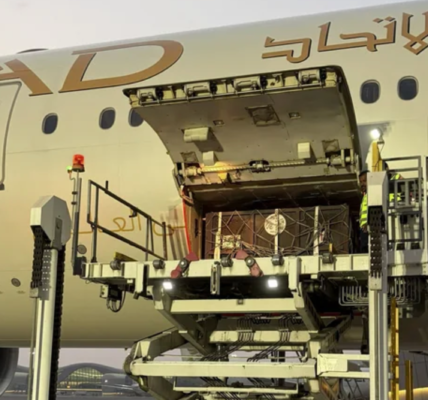
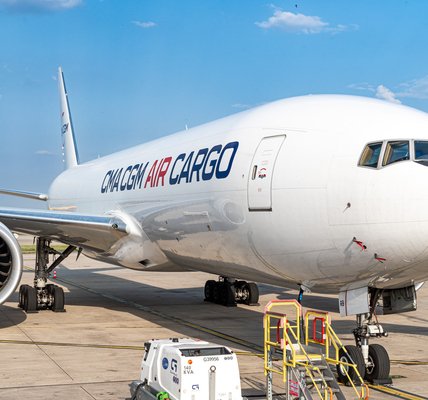
At the India International Cargo Show (IICS) 2026 (held June 4–6 in Delhi), Union Civil Aviation Minister Kinjarapu Rammohan Naidu disclosed a wide-ranging reform plan aimed at drastically transforming India’s air cargo sector and its allied logistics. The announcement marks a significant policy shift for a sector that has traditionally been viewed as a secondary cousin to passenger aviation. Through these reforms, India is positioning air freight as a core pillar of its manufacturing and economic aspirations.
Industry leaders regarded Naidu’s address as one of the strongest policy endorsements the air cargo sector has received in decades. The government’s primary objectives are to increase cargo volumes, reduce terminal dwell times, and lower logistics costs to make Indian exports more competitive globally.
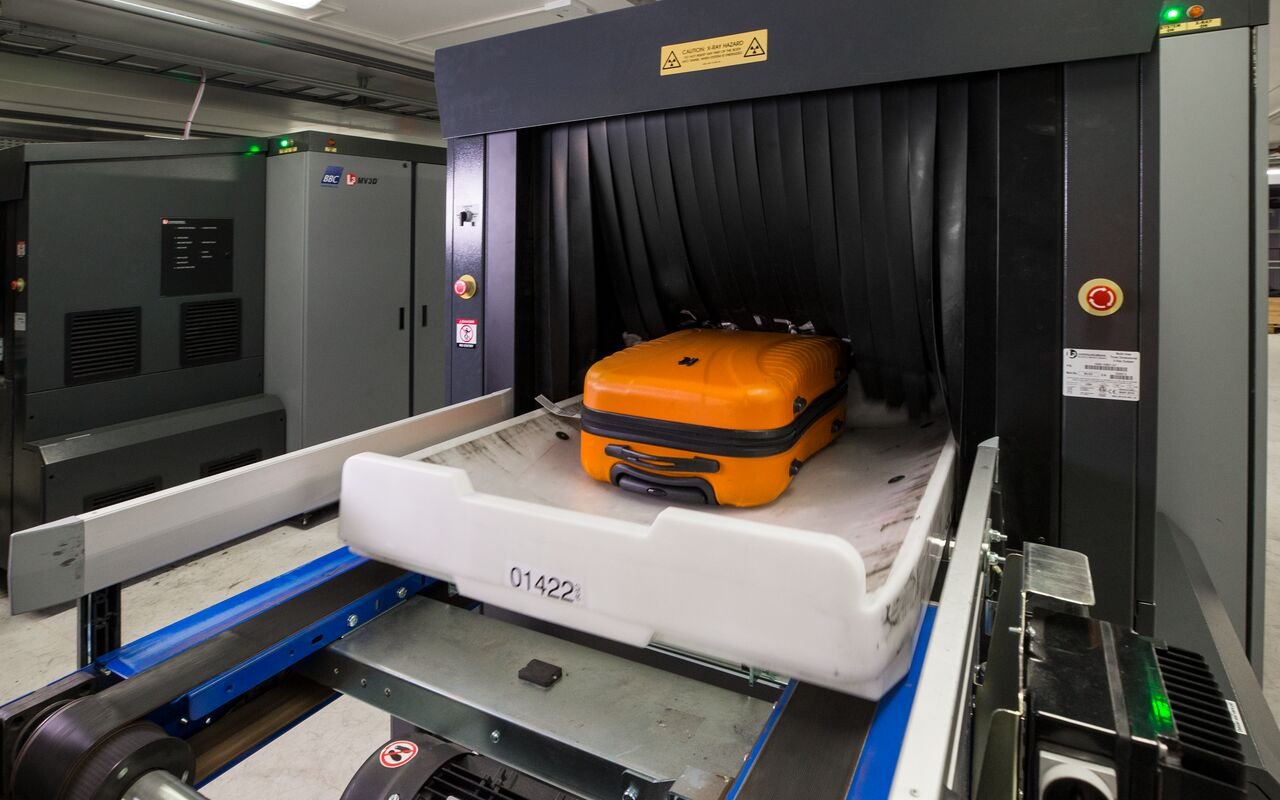
“Increasing air cargo volumes in the country will be our number one priority,” Naidu said. Stressing that speed is the defining advantage of air freight, he identified the reduction of cargo dwell time as a critical operational target.
The reforms are also intended to democratise access to air cargo. By lowering terminal charges, processing fees, and administrative overheads, the government aims to make air freight economically viable for smaller exporters and Micro, Small, and Medium Enterprises (MSMEs), many of whom have traditionally been priced out of the sector.
A major component of this overhaul involves restructuring the Air Freight Station (AFS) policy. Acknowledging that the current framework has failed to efficiently decentralise cargo processing, the Ministry of Civil Aviation has begun intensive consultations with industry stakeholders.
Officials are studying international models used in countries such as Germany and Singapore to adapt global best practices for India, including off-airport cargo clearance systems designed to reduce congestion at major gateways.

The push for reform comes at a time when cargo traffic is soaring. According to data from the Airports Authority of India (AAI), Indian airports handled 348,000 tonnes of cargo in April 2026 alone, up 10 per cent from the same period last year. During this timeframe, international air freight shot up by nearly 40 per cent, highlighting the economy’s growing dependence on air transport for international trade.
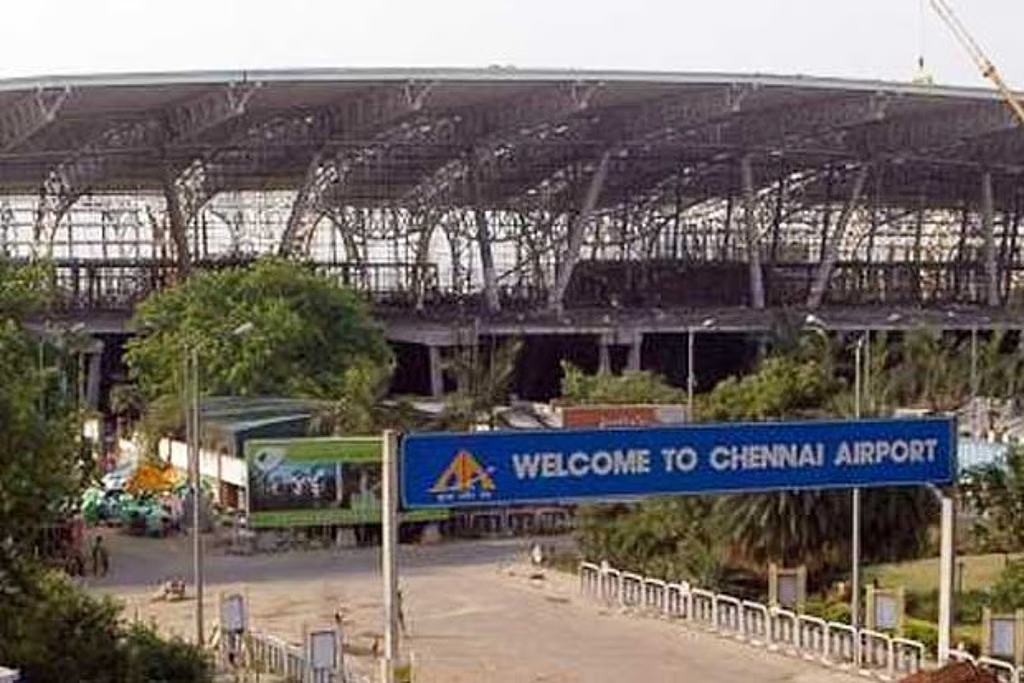
This growth, however, is heavily concentrated around emerging manufacturing hubs. Chennai International Airport has become the fastest-growing cargo gateway among India’s top airports, recording 16.4 per cent growth between January and April 2026. Analysts attribute much of this surge to the government’s Production-Linked Incentive (PLI) schemes, which have accelerated domestic manufacturing in electronics, telecom hardware, and automotive components.
Meanwhile, cross-border e-commerce, industrial exports, and fresh agricultural products continue to drive consistent demand for air transport services. This pace is expected to accelerate further if India finalises its planned Free Trade Agreement (FTA) with the European Union. Trade in goods between India and the EU stood at €118 billion in 2025, and industry specialists anticipate that a comprehensive trade deal could trigger a major hike in high-value, time-sensitive cargo traffic.
The pharmaceutical sector stands to gain the most from this development. Lower tariffs and simplified customs procedures would significantly boost exports of biologics, Active Pharmaceutical Ingredients (APIs), and speciality pharmaceuticals—all of which rely heavily on state-of-the-art temperature-controlled supply chains and dependable air transport.

For the government, these domestic reforms are tied to a larger strategic ambition: transforming India into a premier global transhipment hub.
Geographically positioned between Europe, the Middle East, and East Asia, India is ideally located to capture international transit cargo currently routed through Gulf hubs like Dubai and Doha.
“Because of our geographical location, we can create a robust system of transhipment where we cater not only to domestic consumption but also manage international cross-flows,” Naidu emphasised.
Yet, the gap between potential and reality remains considerable. At the IICS forum, Samir Shah, President of the Air Cargo Agents Association of India (ACAAI), argued that fragmented regulation continues to prevent India from fully exploiting global cargo opportunities.
He noted that although India legally permits sea-to-air and air-to-sea cargo transfers, the operational framework remains cumbersome. Cargo moving between seaports and airports must navigate separate customs commissionerates, overlapping approvals, and duplicate paperwork.
“The systems are simply not integrated,” Shah observed. “Without a unified, single-window clearance process dedicated specifically to multimodal transhipment, we cannot compete internationally.”
Infrastructure gaps present an additional challenge. While mega-airports in Delhi, Mumbai, Bengaluru, and Hyderabad boast advanced automated cargo terminals, many Tier-II and Tier-III manufacturing centres still lack customs-enabled cargo stations, cold-chain infrastructure, and modern warehousing facilities. High airport handling charges also continue to inflate operating costs.
Ultimately, the trajectory of India’s air cargo industry hinges on the successful execution of these proposed reforms. If the government can simplify regulations, integrate multimodal logistics systems, and expand infrastructure beyond major metropolitan hubs, India could emerge as a credible challenger to established regional cargo hubs. As Naidu concluded, “The road to becoming a global manufacturing hub passes directly through becoming a global logistics hub.”
Also Read: Embraer’s First E-Freighter Enters Commercial Service with Bridges Air Cargo

With more than four decades across print and audiovisual media, Tirthankar (TG) Ghosh is a veteran journalist specialising in aviation, air cargo and logistics. His reporting combines deep industry knowledge, original research and sharp analysis to produce authoritative, evidence-led journalism.