













Arrivals Duty-Free: The Revenue Potential Indian Airports Have Not Fully Realised

Key Takeaways
- Dubai Duty Free had a revenue of Dhs 550.9 million from arrivals, but other regions like Norway achieved much higher growth through arrivals duty-free.
- The Indian duty-free market underutilises the potential of Gulf returnees, who often come with specific purchase intent and high spending power.
- Changes to India’s baggage rules in February 2026 increased the duty-free allowance, which may expand commercial opportunities at Indian airports.
- Successful duty-free operations, like Cochin Duty Free, focus on arrivals and tailored offerings, unlike other Indian airports that treat arrivals as an afterthought.
- To maximise revenue from arrivals, airports should adapt their stores and offerings to better suit the needs of arriving passengers.
At Dubai Duty Free in 2025, arrivals generated Dhs 550.9 million of Dhs 8.68 billion in total sales, 6.35 per cent. The industry has treated that number as normal for years.
Norway looked at the same number and decided it was a failure of imagination.
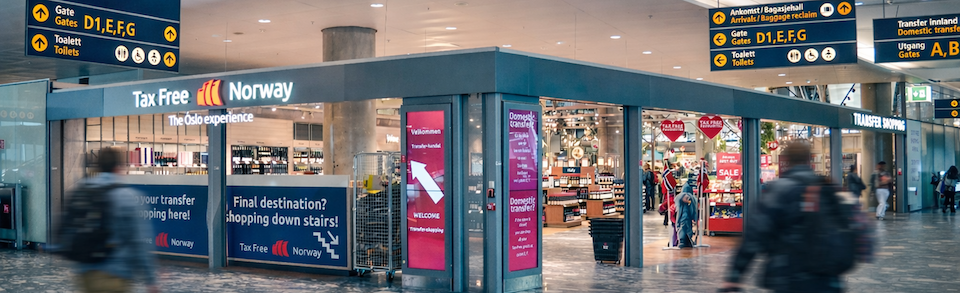
When Avinor introduced arrivals duty-free across its airports in 2005, the industry expected a modest additional revenue line. What happened was different. Arrivals duty-free grew at a compound annual rate of ten per cent for the next decade.
By 2015, arrivals accounted for 59 per cent of all duty-free sales across the Avinor network. At Oslo Airport, arrivals still hold roughly fifty per cent of total duty-free income. Between 2005 and 2019, total duty-free sales grew 108 per cent. One policy decision. One underestimated passenger.
Most airport commercial directors can tell you their departures conversion rate to two decimal places. Ask the same question about arrivals and the answer is usually less precise, sometimes a vague percentage, sometimes the observation that arrivals remain a small share of total sales. That observation is accurate. It is not the same as understanding the channel.
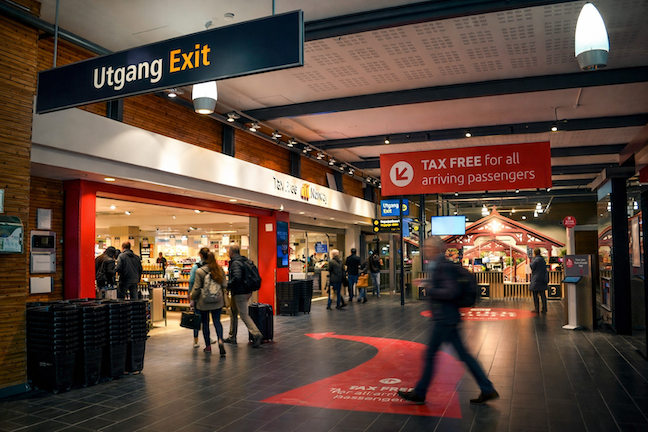
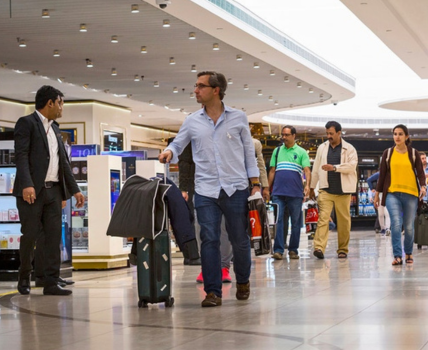
Photo: Avnior
The Norwegian result is striking not because arriving passengers are more generous, but because they are more prepared.
The departing passenger is managing luggage limits, hand-luggage restrictions, and the practical constraints of what can be carried through security and onto the aircraft.
The arriving passenger has none of that. He often knows exactly what he wants. Many decide weeks earlier, standing in a market in Dubai or Riyadh, choosing not to buy a product because they know they can bring it home duty-free on arrival.
Purchase intent at arrivals is higher than impulse conversion at departures for this passenger profile. The industry has simply not built around it.
For India, this distinction is not academic. The Gulf NRI corridor remains one of the most commercially underexploited segments in global travel retail. Roughly 33 million Indian nationals departed internationally in 2025.
A significant share moved between India and the Gulf, returning with specific purchase intent toward liquor, electronics, and gold. These are planned purchases, not impulse buys. Passengers have been thinking about the transaction since the day they left, know precisely what the duty-free allowance permits, and arrive ready to spend.
Effective February 2026, India’s Baggage Rules raised the general duty-free allowance from ₹50,000 to ₹75,000 for Indian residents, NRIs, and OCI cardholders arriving by air or sea. A fifty per cent increase in the statutory space for duty-free goods. That change directly expands the commercial window that Indian airports have consistently underbuilt.
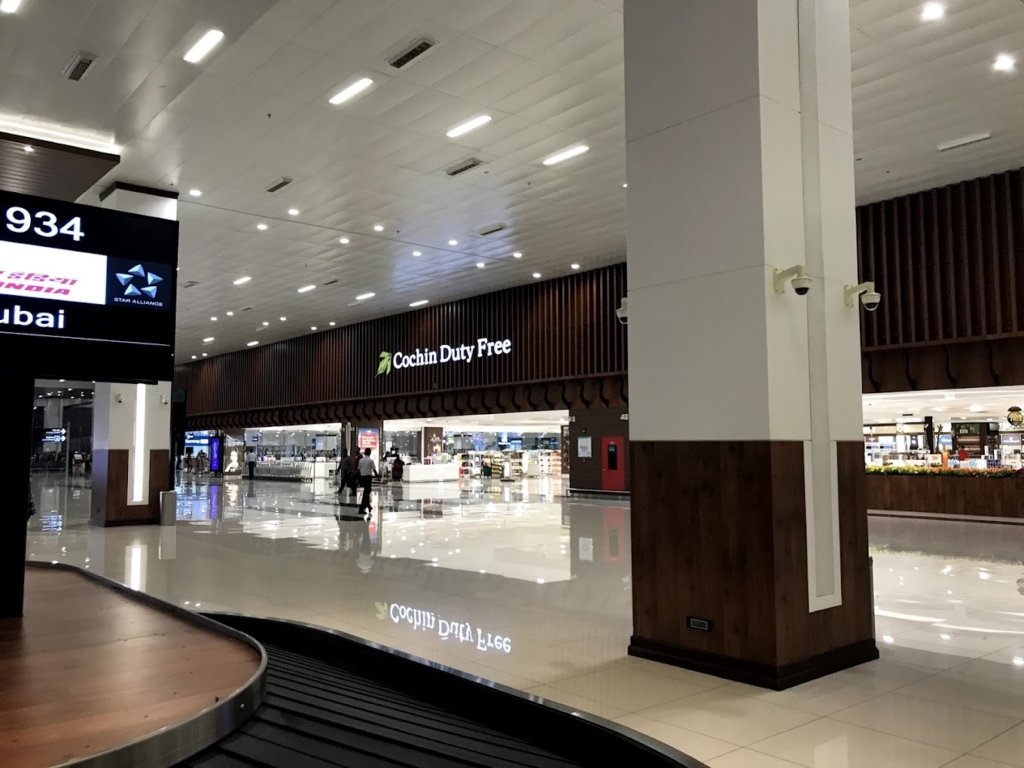
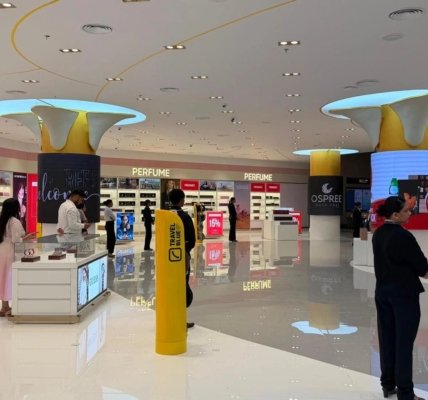
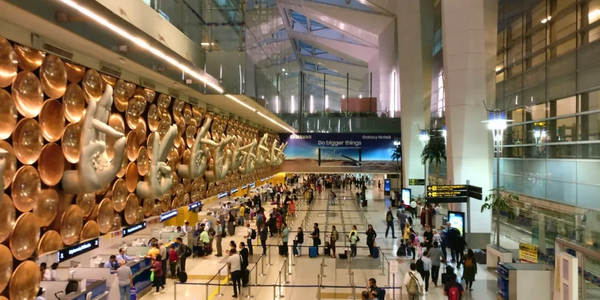
Photo: Liju John Chandy
Kochi’s CIAL understood this earlier than most. Cochin Duty Free was oriented explicitly toward Gulf-returning passengers and has operated as one of the more profitable duty-free units in India for years.
The concept drew consciously from the Dubai Duty Free model. The passenger profile made it work.
Mangaluru and Thiruvananthapuram carry the same catchment and a similar passenger base. Both handle meaningful NRI Gulf traffic. Both have arrivals duty-free operations that run well below what the corridor’s demand would support. The constraints are real, but they are not immovable.
Floor space can be reconfigured. Category depth can be built around the returning passenger rather than a generic assortment. Pre-order capability, the single intervention that most directly converts known purchase intent into guaranteed revenue before the passenger reaches the gate, remains absent at almost every Indian arrivals operation.
Adani Airports reported non-aeronautical revenue of ₹64 billion in FY26, up 31 per cent year on year, with duty-free at ₹21 billion. Non-aeronautical income per passenger reached ₹672, or roughly USD 7.08. The ACI’s 2026 Airport Economics Report puts the global average at USD 7.57.
For a portfolio that is overwhelmingly domestic, sitting near the global average is not a weak result. Dubai’s duty-free operation, by contrast, generates substantially higher revenue per international passenger, often estimated well above USD 20. That gap is not explained by passenger volume alone. It is explained by what gets built for the arriving passenger and who is treated as the primary commercial opportunity.
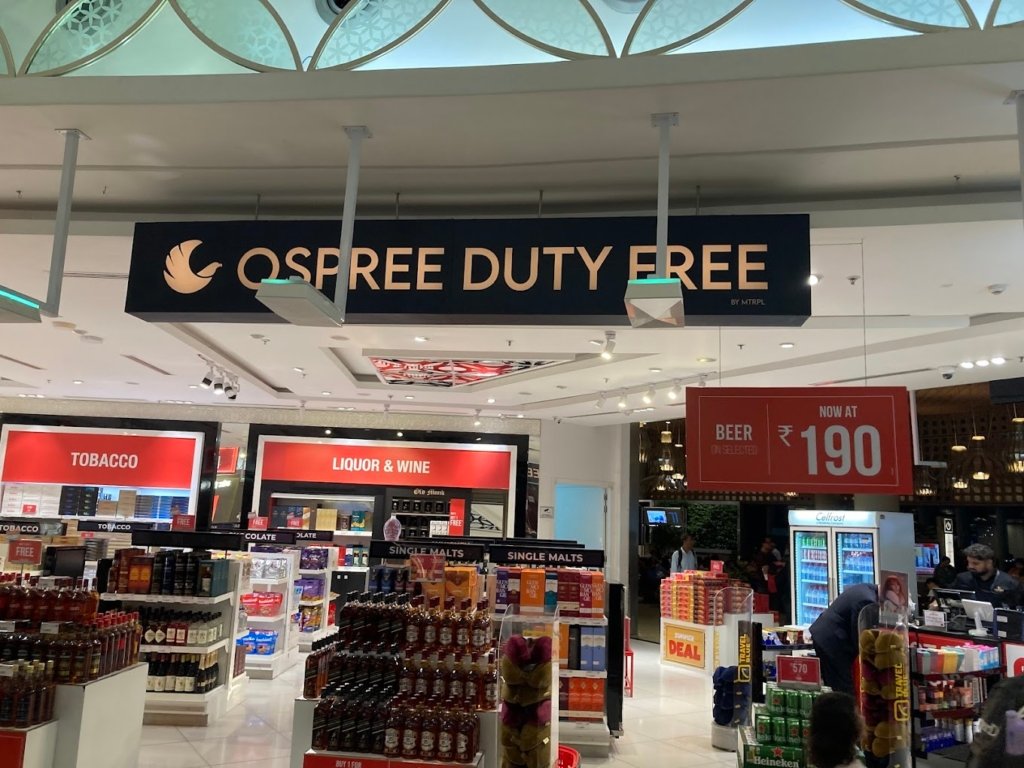
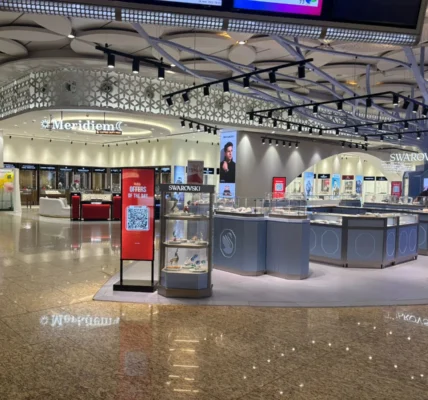
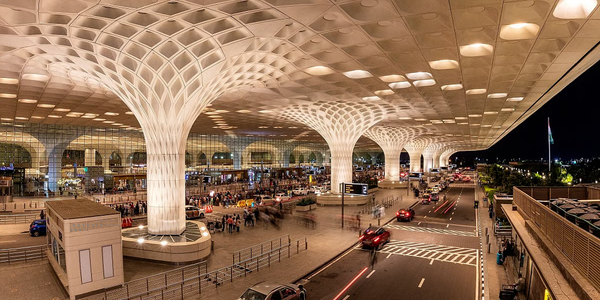
Photo: Nilesh Waghdhare
The arrivals journey in most Indian airports currently treats passengers as a clearance process: baggage, customs, exit, transport.
The commercial real estate between the aircraft and the arrivals hall is treated as dead space.
In Norway, that space generates more revenue than departures.
In Kochi, it generates the majority of CIAL’s duty-free income. A passenger arriving today from Dubai or Riyadh can bring home ₹75,000 in duty-free goods before reaching the car park.
The commercial case for building around that passenger is not theoretical. It has been proven in Oslo, validated in Kochi, and made more urgent by the February 2026 regulatory change.
What remains is the decision to treat arrivals as a primary commercial environment rather than an afterthought to the departures model.
That decision requires three specific things. First, a dedicated arrivals assortment built around what Gulf-returning NRI passengers actually want to bring home, not a reduced version of the departures offer. Second, pre-order capability that allows passengers to commit to a purchase before they board their return flight, converting purchase intent into guaranteed revenue. Third, a concession structure that gives the arrivals operator the term length and capital support needed to invest properly in a format that has already proven it can deliver.
Norway built the model. Kochi validated it for the Indian corridor. The revised allowance expanded the commercial window. The passenger is already there, ready to spend, carrying a mental shopping list formed weeks ago in a Gulf market.
The only thing missing is the store built to receive him.
Also Read: Rebuilding the Maharaja: Air India Turns to Crisis-Tested Tewolde Gebremariam

Ashraf Fathi has 25 years’ experience in airport commercial strategy, duty-free operations and concession management across MENA and Africa. Formerly Managing Director of Dufry Group (now Avolta) in Egypt and Kenya, he advises airport operators and governments on commercial performance and retail strategy.